

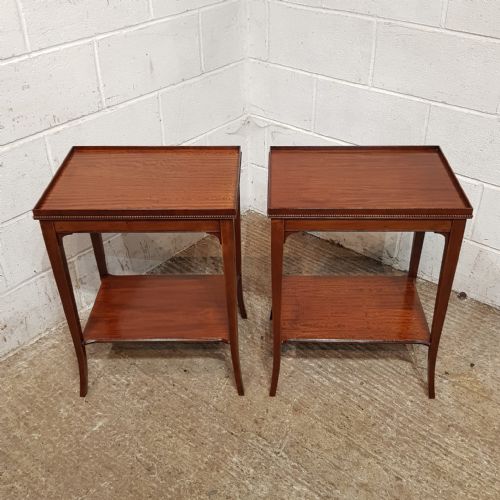
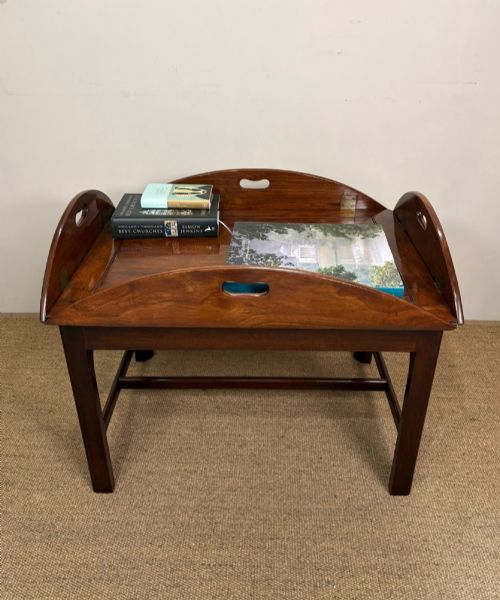
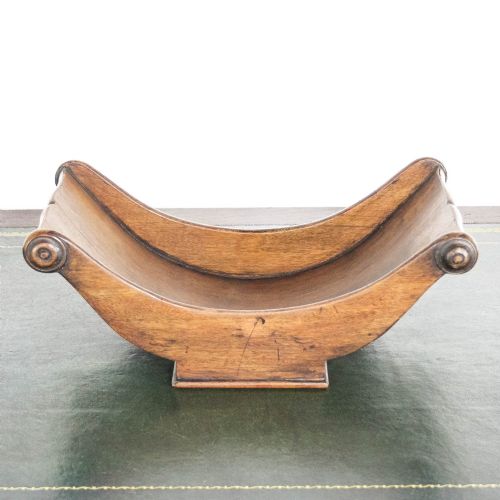
Brown Mahogany Tray Table
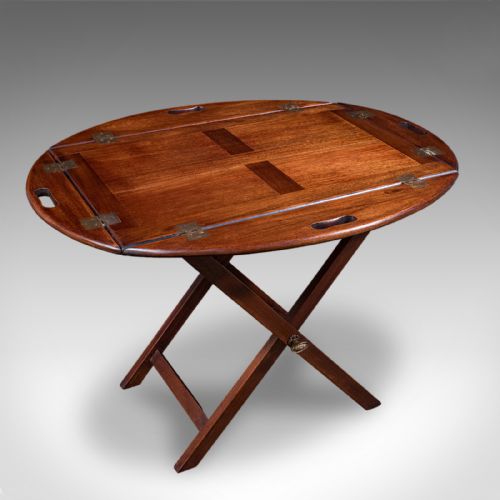
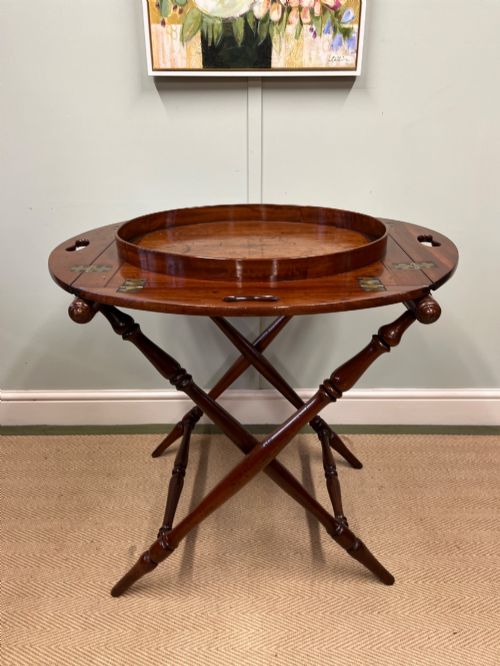
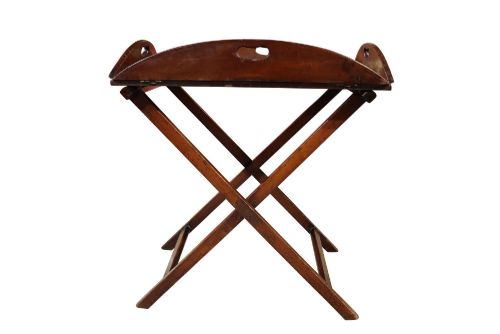
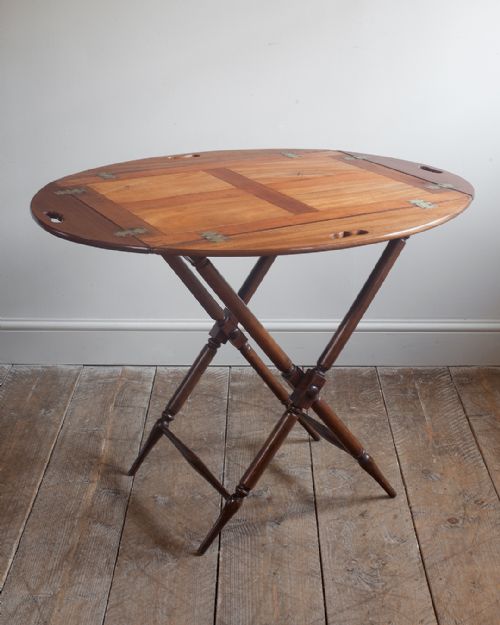
A brown mahogany tray table brings sturdy timber and practical portability together, offering a traditional serving surface that lifts cleanly from its folding or fixed stand.
Brown Mahogany Tray Table
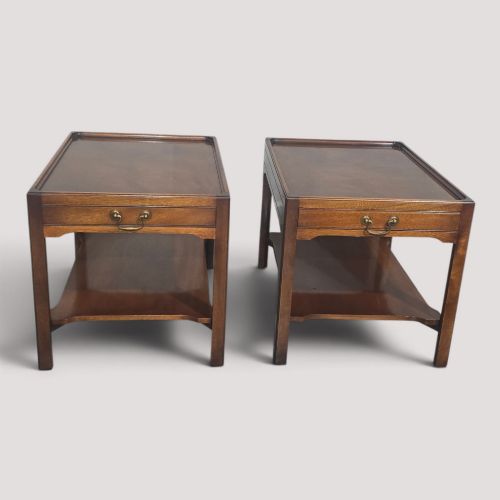
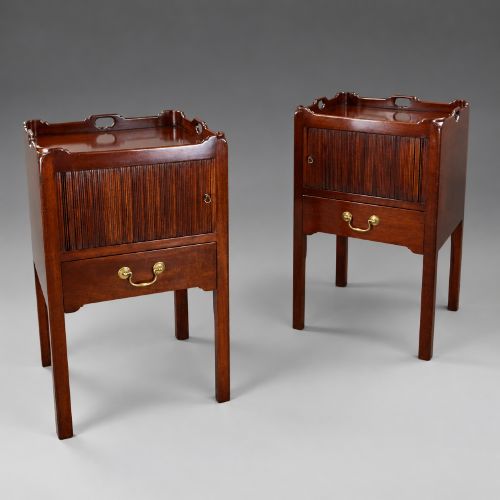
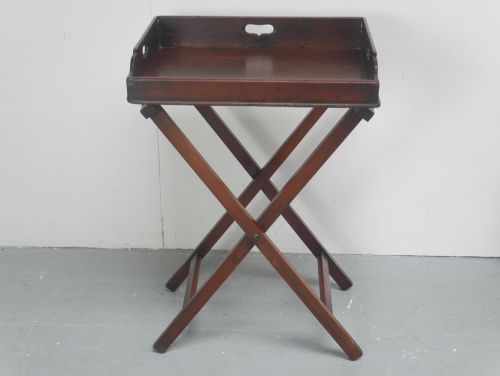
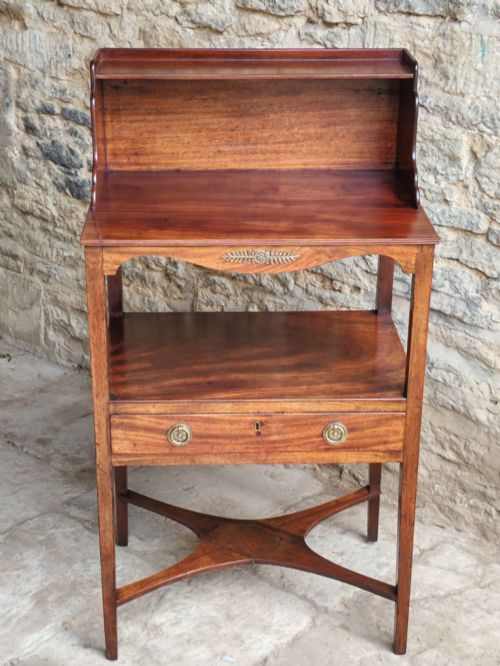
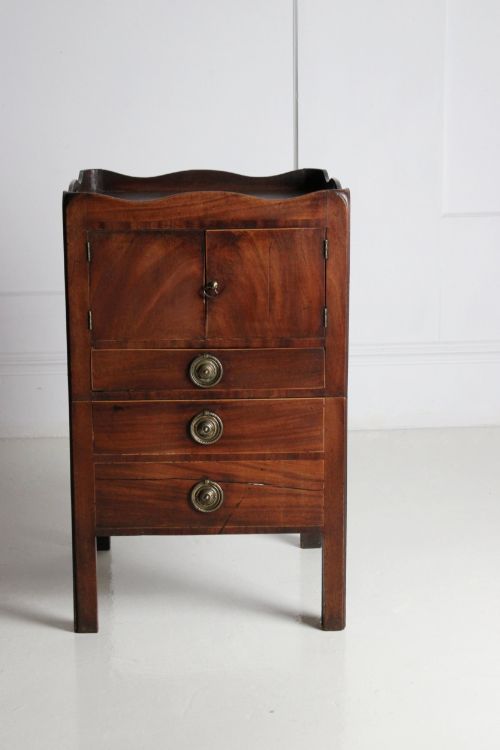
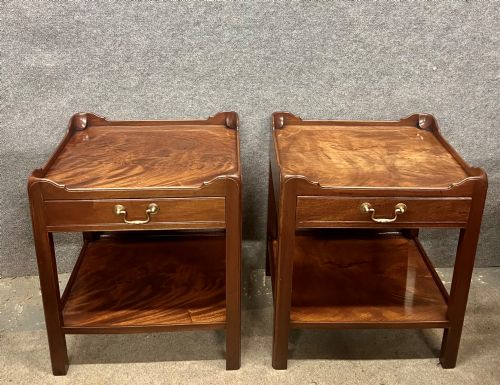
Buyers encounter distinct configurations, including oval or rectangular trays resting upon collapsible X-frames, alongside bedside cabinets, pot cupboards, and tea trolleys sharing raised tray edges.
Origins trace principally to English workshops, utilising dense tropical timber shaped into versatile serving and bedside furniture.
Gradations of craftsmanship
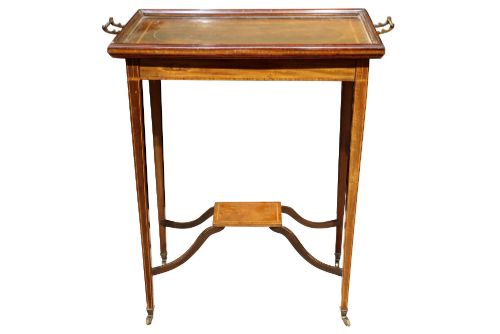
Quality rests upon the selection of timber figure, particularly the richness of flame mahogany grain, and the crispness of inlay work such as satinwood banding. Superior pieces display harmonious proportions and seamless joinery on both the tray surface and its supporting stand.
The integrity of the structural frame dictates daily utility, where tightly fitted folding mechanisms and sturdy corner blocks separate master craftsmanship from utilitarian production.
Some folding stands hide subtle numbering stamped by staff to ensure the correct tray reunited with its proper frame after a busy garden party.
The Brown Mahogany Tray Table Glossary
- Tray top
- A tabletop finished with a raised moulded rim designed to prevent items from sliding off during service. This feature defines the primary function of serving stands and occasional tables.
- Butler tray
- A removable rectangular or oval tray featuring hinged or pierced carrying handles, traditionally lifted directly off its folding X-frame stand. It formed an essential portable piece for domestic service.
- Flame mahogany
- A highly figured timber veneer displaying distinctive undulating flame-like patterns created by cutting across boughs or fork joints. It was favoured for high-status cabinet work.
- Tripod table
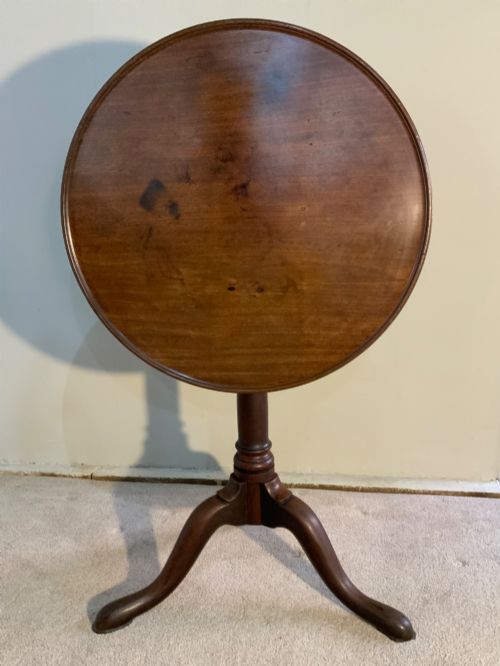
- A small freestanding table supported by a central pillar resting on three spreading legs. Georgian examples frequently incorporate tray tops into this silhouette.
- Inlay
- A decorative technique where contrasting woods like satinwood or boxwood are fitted flush into recesses carved into the primary mahogany surface.
Brown Mahogany Tray Table: Frequently Asked Questions
How do I use a tray table today?
These tables function effectively as portable drinks stations, bedside stands, or occasional coffee tables in contemporary rooms. Their removable tops and folding stands offer flexible placement.
Position them beside seating areas where a raised rim protects glassware and small objects from slipping. The folding variants store easily when floor space is required.
How can I tell a Georgian tray table from an Edwardian one?
Georgian pieces rely on heavier solid timbers, restrained mouldings, and structural joinery typical of the 18th century. They carry the patination of prolonged domestic use.
Edwardian and revival pieces often incorporate lighter satinwood inlay, brighter polishing, and machine-cut elements dating from around 1900 to 1930. Examining the underside and secondary woods reveals these chronological shifts.
Are butler tray stands always folding?
Most traditional butler tray stands feature collapsible X-frames designed for easy storage after service. This allowed domestic staff to pack away the serving area promptly.
Some variations sit upon fixed tripod bases, bedside pedestals, or low cabinets rather than folding frames. Both formats appear frequently across the available inventory.
What is satinwood inlay?
Satinwood inlay involves setting pale, yellow-toned timber into channels cut across the darker mahogany surface. It creates geometric borders or decorative medallions.
This technique adds visual contrast and dates pieces firmly toward the Regency, Victorian, and Edwardian periods. It highlights the decorative ambitions of the cabinet maker.