
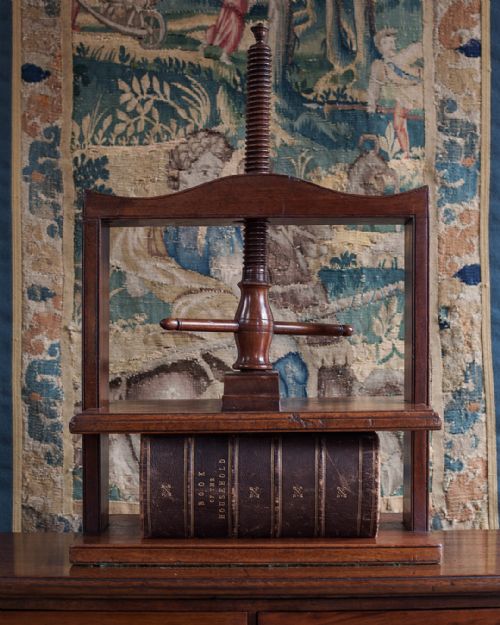
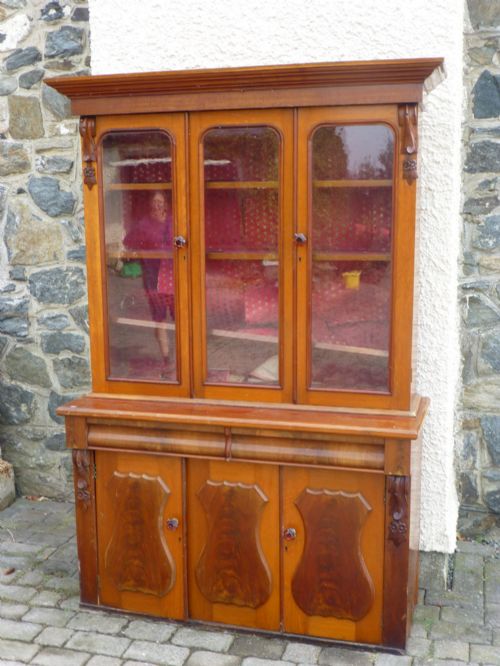
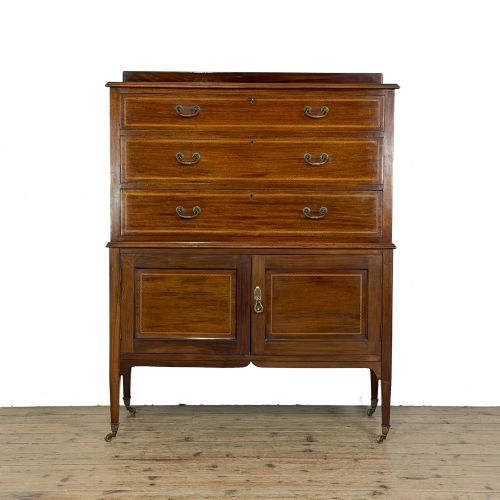
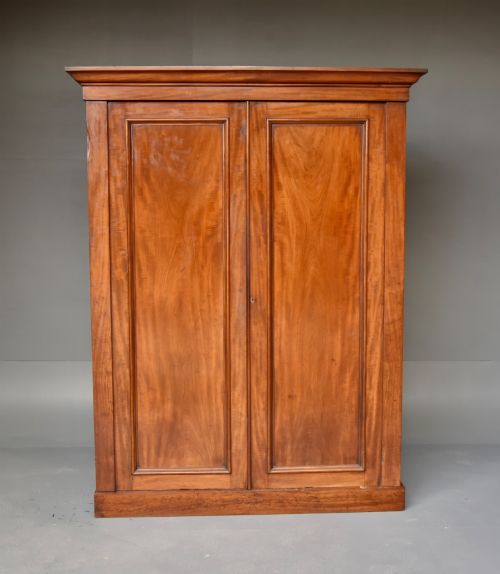
Brown Mahogany Linen Press
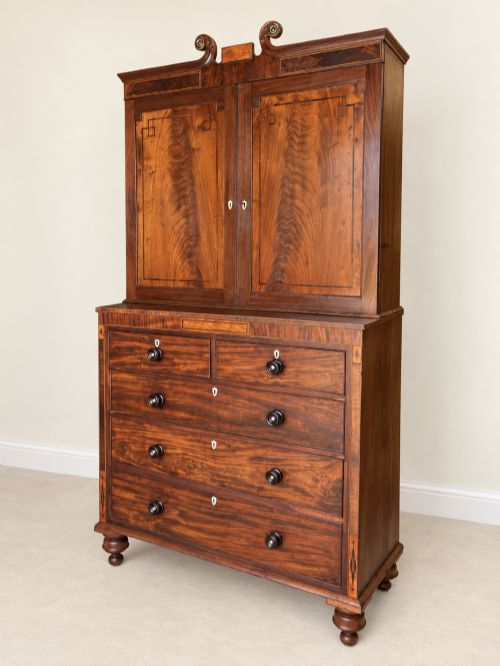
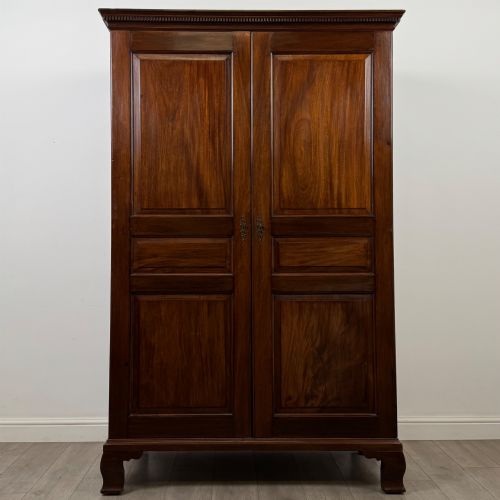
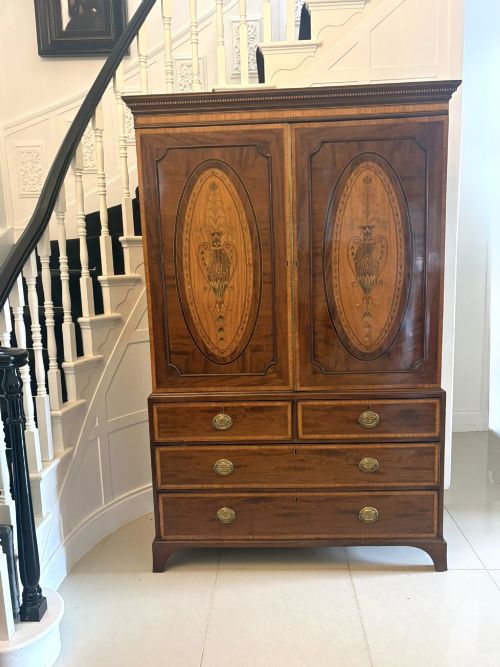
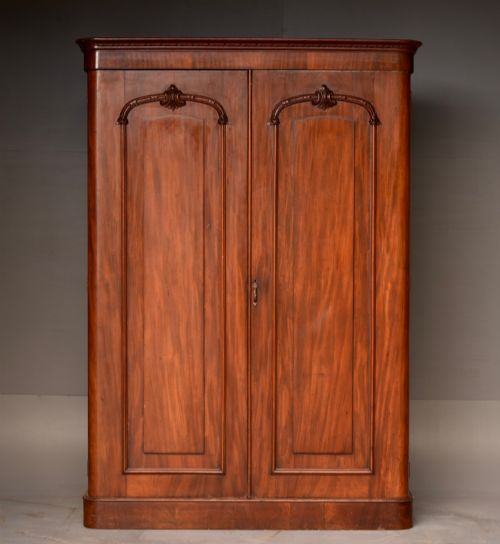
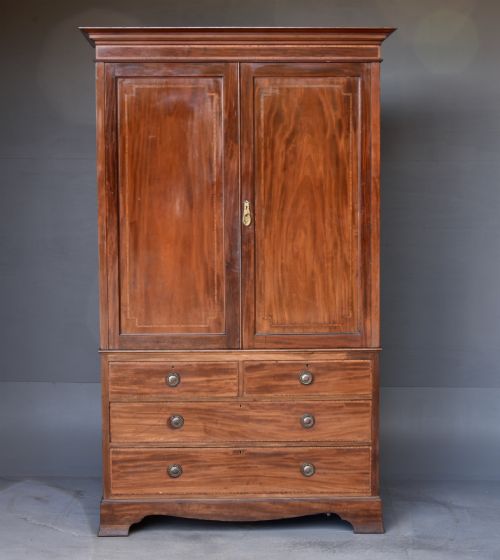
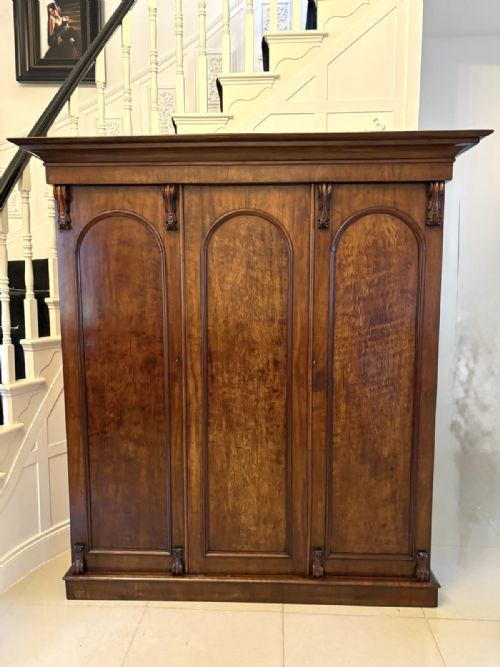
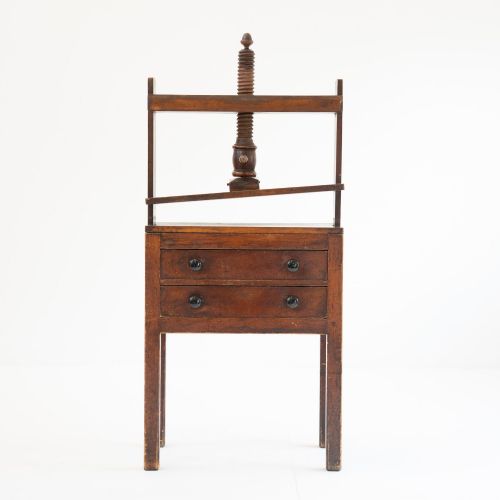
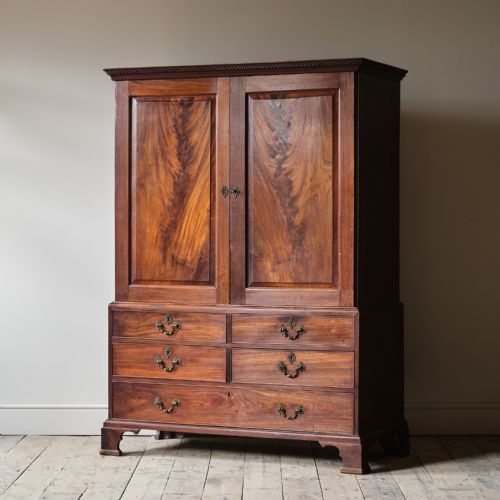
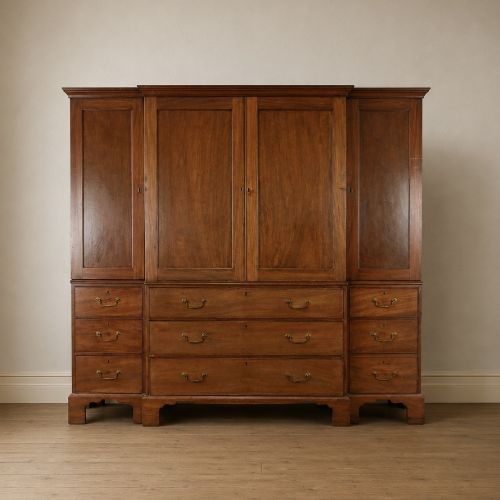
A brown mahogany linen press is a substantial bedroom storage piece designed for folded textiles, offering deep sliding trays enclosed by panelled doors above a chest of drawers.
Brown Mahogany Linen Press
A brown mahogany linen press represents a traditional form of storage furniture designed primarily to house household linens and folded garments. When exploring these pieces, buyers frequently encounter substantial architectural cupboards dating from the Georgian and Victorian periods, often combining upper press compartments with lower drawer sections.
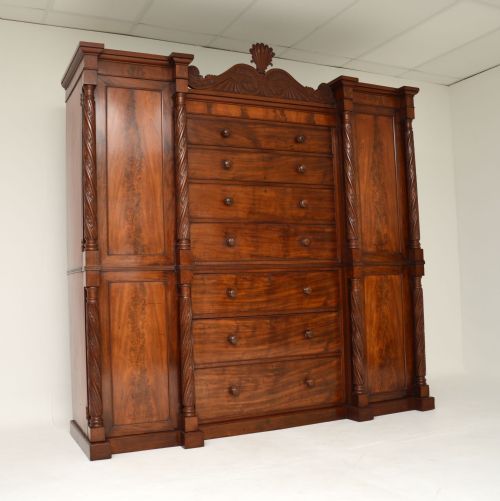
The selections span several distinct eras, from eighteenth-century George III pieces through to Edwardian interpretations and later Georgian style revivals. Alongside traditional linen presses, related forms such as compactum wardrobes, gentleman's wardrobes, and tallboys appear across the inventory.
Originating as practical furniture for large country houses and town residences, these presses served to protect valuable textiles from dust and dampness. Today, they function effectively as principal bedroom wardrobes or linen cupboards within period and contemporary interiors.
How They Were Made
Cabinet makers utilised dense tropical timber alongside native secondary woods like oak and pine for internal carcases and drawer linings. Solid mahogany planks formed the structural frames, cornices, and drawer fronts, frequently enhanced by contrasting satinwood inlay or stringing.
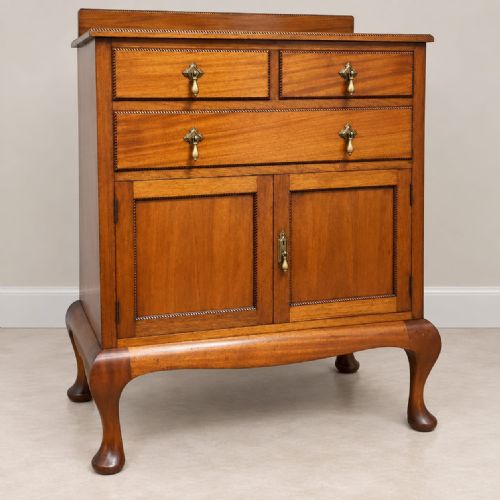
Veneering techniques played a central role in surface decoration, particularly through the application of figured flame mahogany or plum pudding mahogany veneers across large door panels. Brass hardware, including drop handles, escutcheons, and sliding tray tracks, provided functional and decorative accents.
Construction methods relied on traditional joinery such as dovetailed drawer boxes and mortise and tenon frames. Upper sections typically housed pull-out slides or trays behind heavy panelled doors, while lower sections incorporated graduated chest configurations.
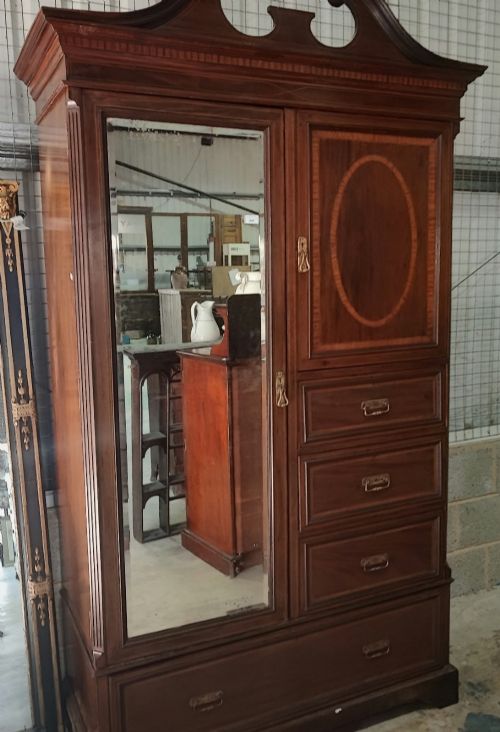
Listings feature brown mahogany linen presses and wardrobes spanning the 18th century through the Edwardian era, incorporating brass and glass elements.
What Varies in Quality
The calibre of a piece depends heavily on the selection of timber figures and the precision of the cabinet work. Superior examples display symmetrical flame mahogany veneers and intricate satinwood crossbanding that demonstrate advanced workshop competence.
Structural integrity and proportion distinguish finer examples from standard commercial output. Well-executed pieces maintain balanced architectural cornices, cleanly dovetailed internal slides, and original brass fittings that sit flush within their mounts.
maples & co·Edwards and Roberts·Johnston’s of London·Gillows·S & H Jewell·Druce & Co·Heals
The Brown Mahogany Linen Press Glossary
- Linen press
- A tall storage cabinet featuring upper sliding trays or shelves enclosed by doors, positioned above a chest of base drawers. This form evolved to store flat linens before modern hanging wardrobes became standard.
- Compactum
- A multi-functional wardrobe combining hanging space, linen slides, and multiple drawers within a single unified cabinet. These pieces maximise interior storage capacity through compartmentalised design.
- Flame mahogany
- A veneer cut from the fork of the mahogany tree where the branch meets the trunk, producing a distinctive flickering flame pattern. Cabinet makers reserved this highly decorative timber for prominent exterior surfaces.
- Compactum wardrobe
- A fitted multi-purpose wardrobe integrating diverse storage options such as linen trays, hanging rails, and small drawers.
- Satinwood inlay
- A decorative technique using contrasting light-coloured exotic timber set into recesses within the darker mahogany surface to create geometric borders or motifs.
Brown Mahogany Linen Press: Frequently Asked Questions
What is a brown mahogany linen press used for?
A brown mahogany linen press provides deep internal storage through sliding trays behind upper doors, combined with lower drawers for garments.
Historically, households utilised these large cupboards to keep folded bed linens, tablecloths, and clothing organised and protected from dust.
How do I tell a Georgian press from a Victorian one?
Georgian presses generally exhibit simpler architectural proportions, classical cornice mouldings, and restrained bracket feet or plinth bases.
Victorian iterations tend to be larger, incorporating heavier breakfront designs, glazed doors, or elaborate figural mahogany veneers reflecting changing industrial woodworking capabilities.
Can I use a linen press as a modern wardrobe?
Many interior layouts accommodate linen presses as primary bedroom wardrobes by retaining the original sliding trays for folded knitwear or removing shelves to insert hanging rails.
The deep lower drawers continue to function effectively for undergarments and accessories.
What does a compactum wardrobe include?
A compactum wardrobe integrates multiple storage formats within one cabinet structure, typically combining hanging compartments, linen slides, and chest drawers.
These versatile pieces emerged to provide comprehensive bedroom storage in a single architectural unit.