


Brown Mahogany Accent Stand
Brown mahogany accent stand describes compact occasional tables and tripods found across Georgian, Regency, and Edwardian periods.
Brown Mahogany Accent Stand
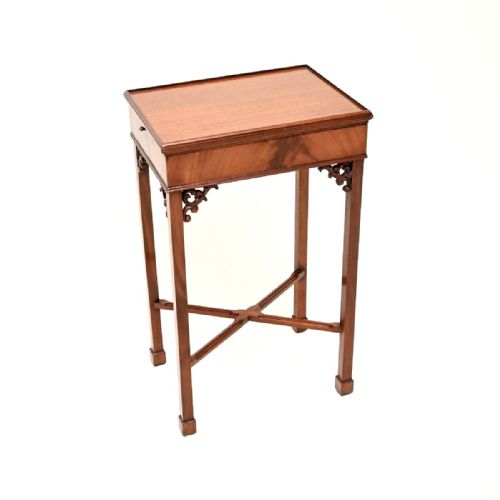
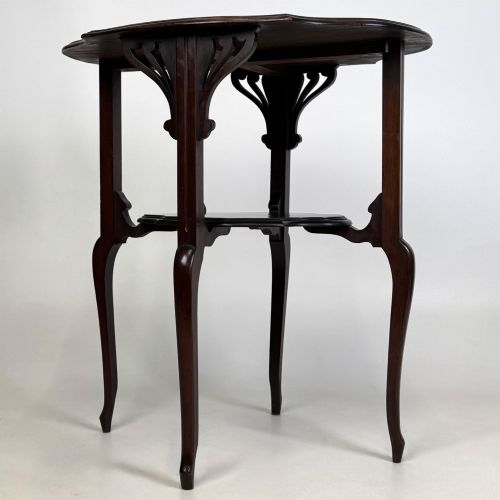
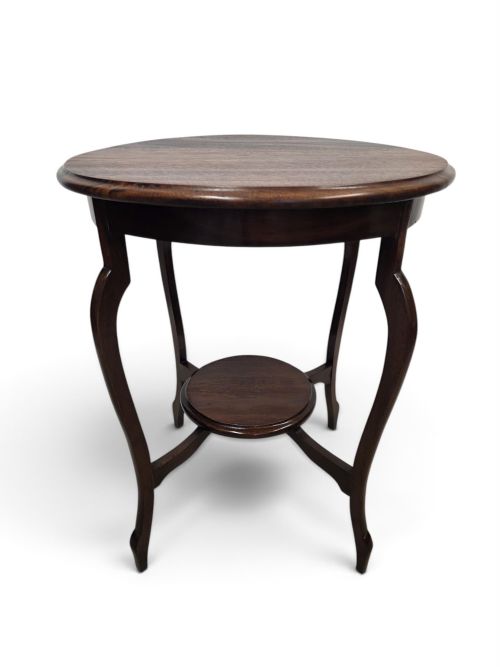
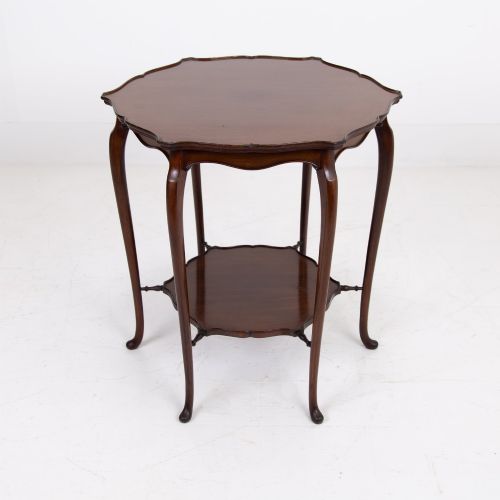
A brown mahogany accent stand covers small tables utilised for lamps, wine, or display in domestic interiors. The selection spans several centuries, touching Georgian, Regency, Victorian, and Edwardian eras.
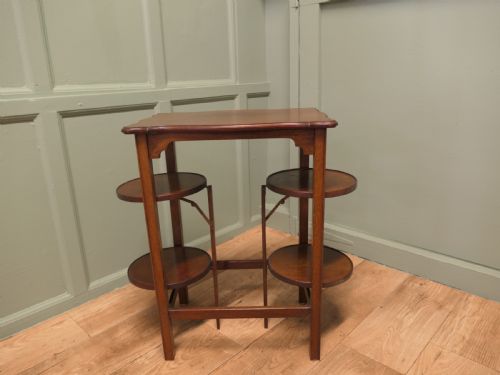
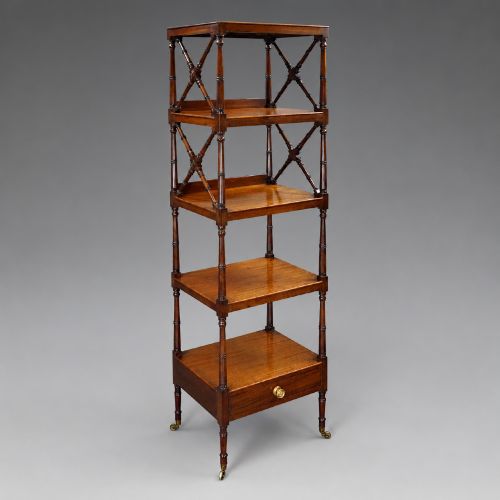
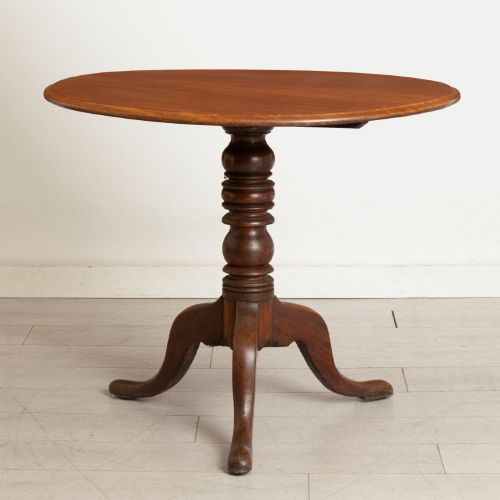
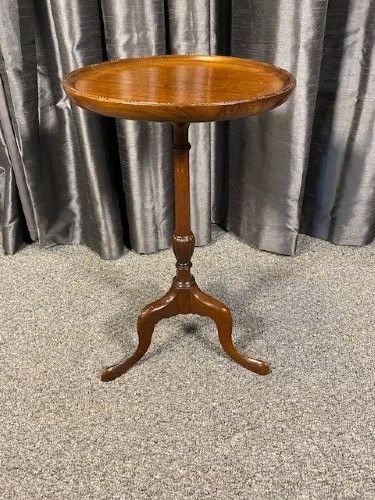
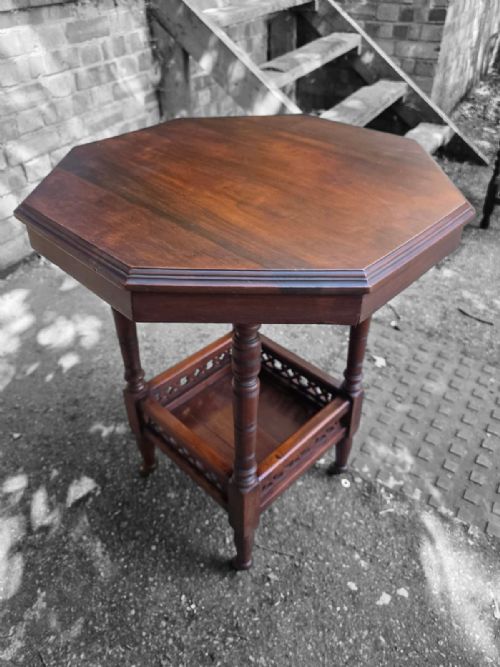
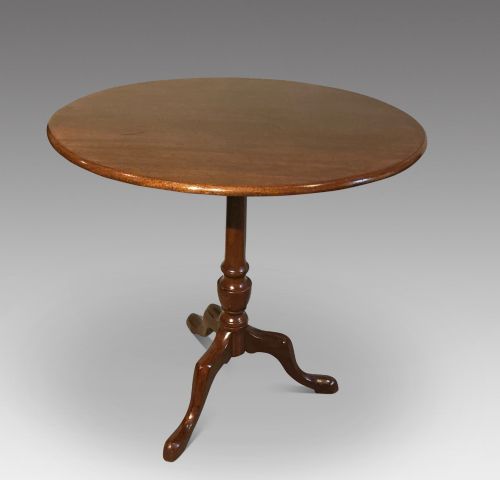
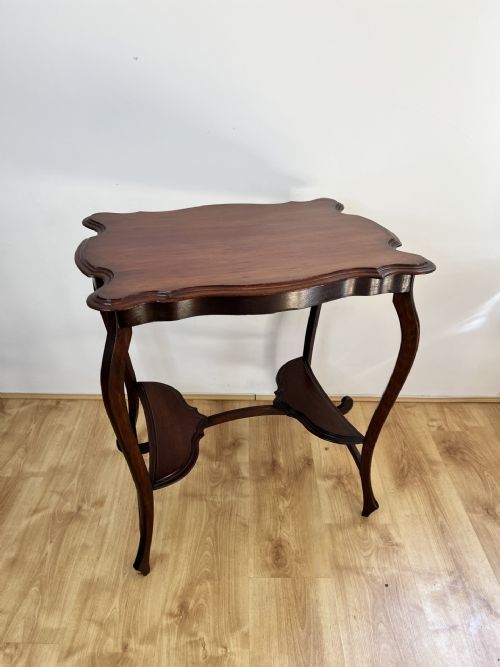
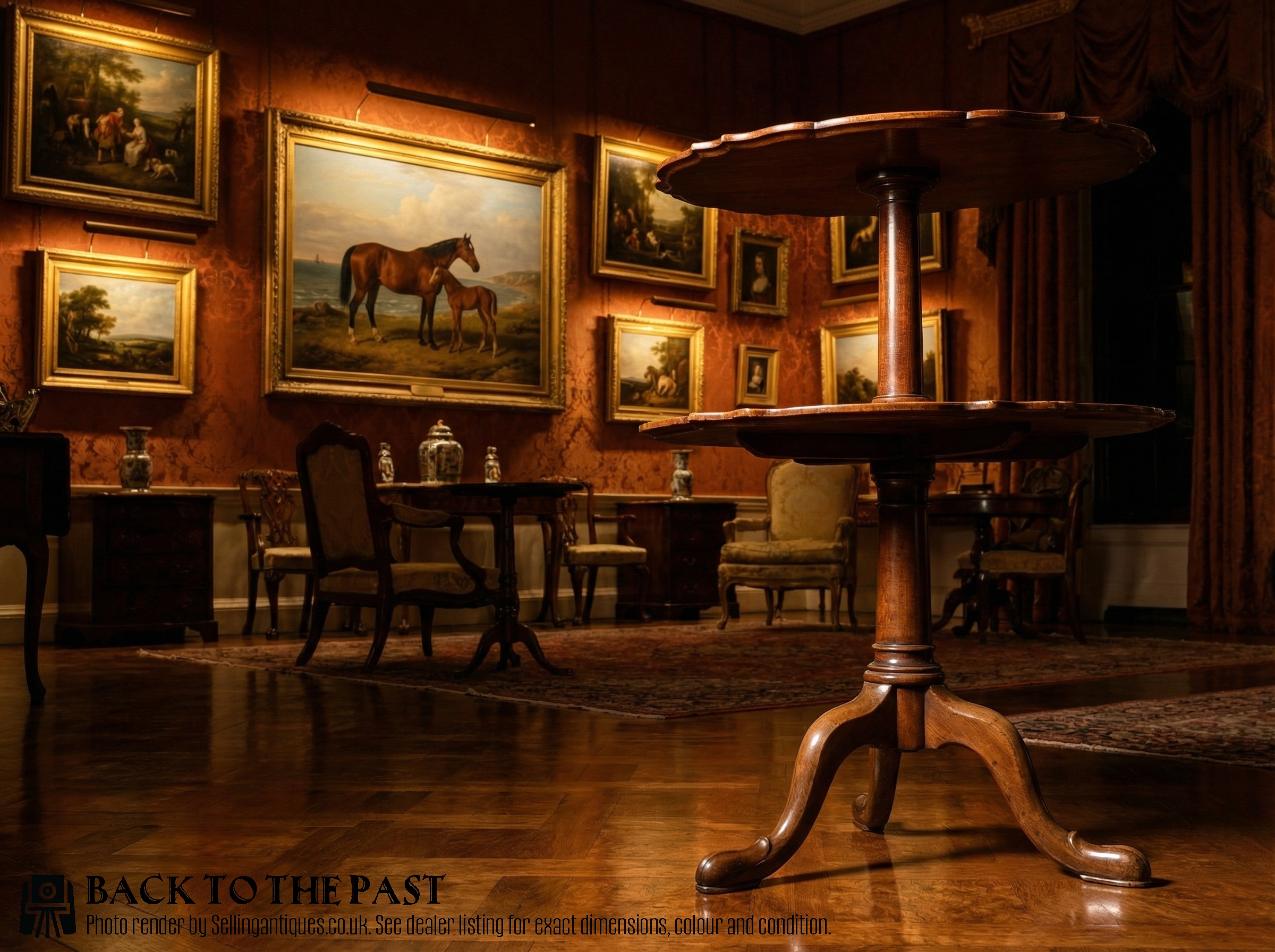
Most pieces seen on this page take the form of occasional tables, wine tables, or tripods with circular or multi-sided tops. Tiered tables and whatnots also appear to serve similar functional roles in compact spaces.
What varies in quality
The sophistication of the timber grain and the precision of the joinery set higher grades apart from simpler utilitarian pieces. Crispness in carved tripod legs and balanced proportions define superior examples from any period.
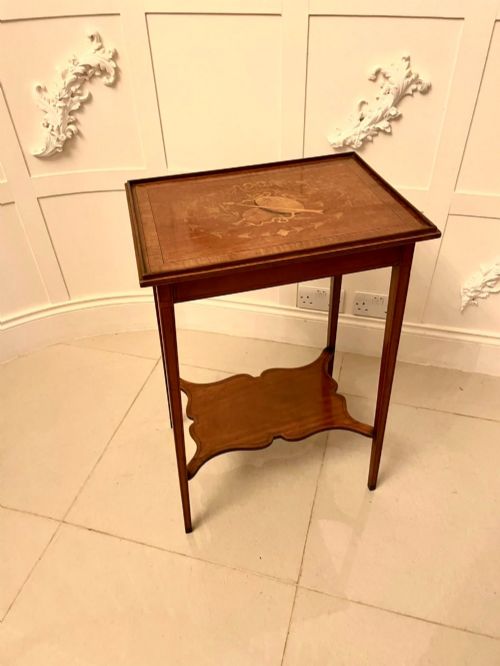
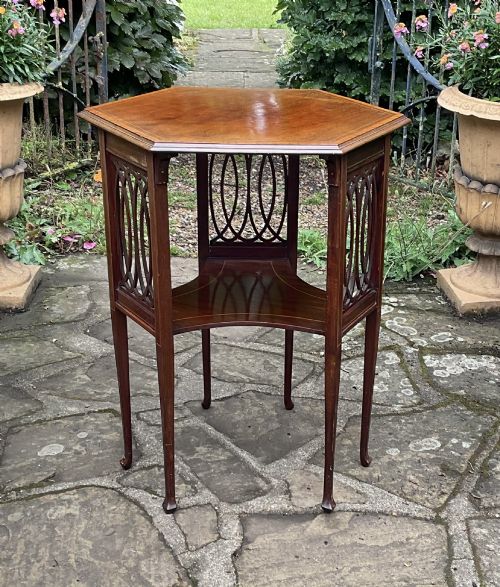
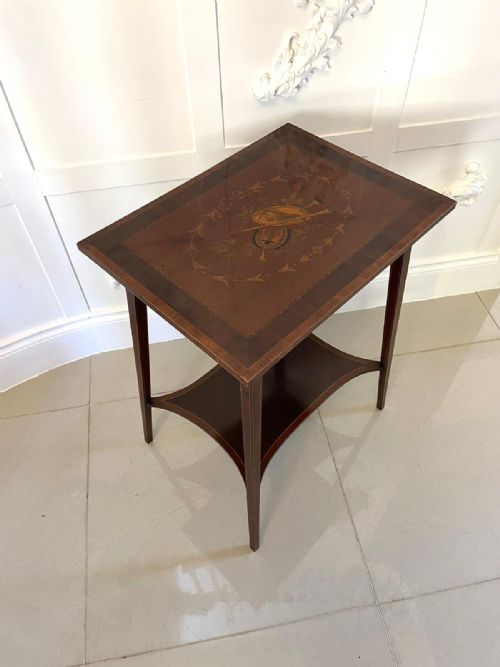
Inlaid decoration shows distinct levels of craftsmanship, where fine boxwood and satinwood banding elevates a standard occasional table into a more refined Sheraton Revival or Georgian item.
Tilt-top tables let you tuck a surface flat against the wall like a polite wooden screen when the wine runs out.
Waring & Gillow
The Brown Mahogany Accent Stand Glossary
- Tripod table
- A small table supported by a central pillar above three spreading legs. This form gained popularity during the Georgian period for portability.
- Tilt-top
- A hinged table top that rotates to a vertical position for storage against a wall. This mechanism was common on wine and occasional tables.
- Whatnot
- An open set of multi-tiered shelves used for displaying small ornaments or books. Examples typically feature slender vertical supports.
- Satinwood inlay
- Contrasting light wood inserted into mahogany surfaces to create geometric borders or decorative motifs. This technique is prominent in Sheraton Revival pieces.
- Wine table
- A small standalone table intended for holding glasses or bottles near seating. These surfaces usually feature circular tops and single pedestals.
Brown Mahogany Accent Stand: Frequently Asked Questions
What is a brown mahogany accent stand used for?
These pieces serve as functional side tables for lamps, drinks, or decorative objects within a room. Their compact size allows them to fit easily beside seating or in corners.
Historically, specific forms like wine tables and urn stands fulfilled dedicated domestic duties. Today, they continue to provide convenient surface space while adding period character to an interior.
How do I identify a Georgian accent stand?
Georgian tables typically display robust mahogany construction, traditional turned columns, and tripod bases with pad or claw feet. Timber figures tend to show deep, rich patination accumulated over centuries.
Proportions remain balanced and functional, often omitting the lighter decorative inlay seen on later Edwardian revivals. Construction relies on traditional joinery techniques appropriate to the eighteenth century.
What is the difference between Edwardian and Georgian tables?
Edwardian accent stands frequently incorporate satinwood and boxwood inlay alongside lighter framing influenced by Sheraton Revival styles. They often feature tiered shelves or multi-sided tops suited to domestic needs around nineteen hundred.
Georgian equivalents focus more on solid timber form, simple tripod supports, and tilt-top mechanisms. The materials and structural silhouettes reflect the design priorities of their respective eras.
How should I care for a mahogany accent stand?
Keep wooden surfaces away from direct sunlight and heat sources to prevent the timber from drying out or warping. Regular dusting with a soft cloth maintains the natural finish.
Apply traditional wax polish sparingly when the wood appears dry to preserve the surface sheen. Avoid placing damp items directly onto the mahogany without protective coasters.