


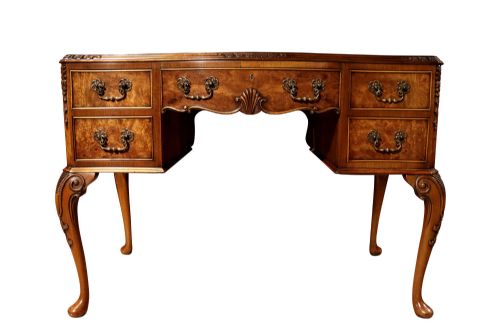
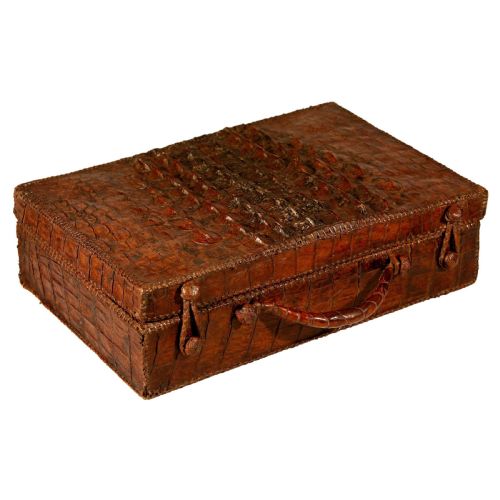

Brown Leather Vanity
Brown leather vanity pieces encompass leather-bound cases, desks, and stools spanning the Victorian, Edwardian, and early twentieth-century periods.
Brown Leather Vanity
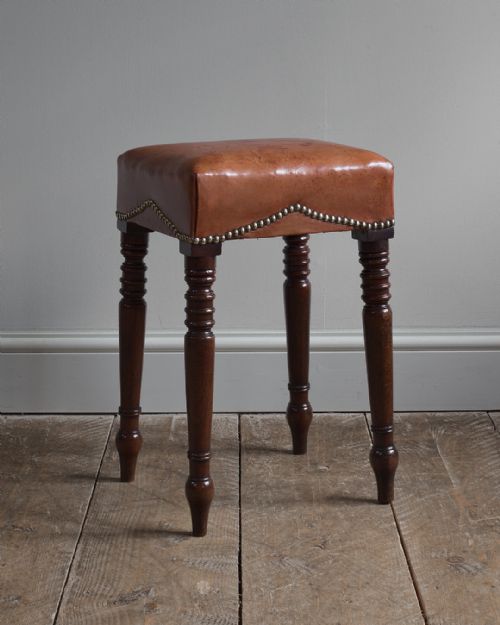
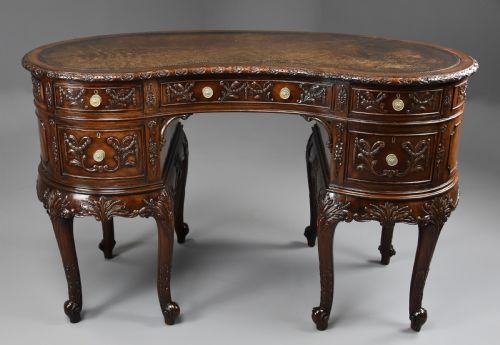
A brown leather vanity selection brings together various writing tables, dressing cases, stools, and storage items designed for personal grooming and writing. These pieces frequently incorporate leather surfaces, brass accents, and rich timber structures.
Buyers meeting this category will commonly encounter Edwardian and Victorian forms, alongside items dating from the nineteenth century up to the nineteen-thirties. Desks, fitted suitcases, and upholstered stools form the core of the available selection.
Origins stretch from Scottish workshops to broader English makers, incorporating styles that span from Queen Anne revivals to Art Deco designs. Each object serves a dual purpose of utility and refined interior placement.
Materials and Construction
Makers utilised solid timbers such as mahogany, walnut, burr walnut, and yew wood to build the structural frames of desks, tables, and stools. These woods provide the underlying durability and distinct grain patterns visible across the pieces.
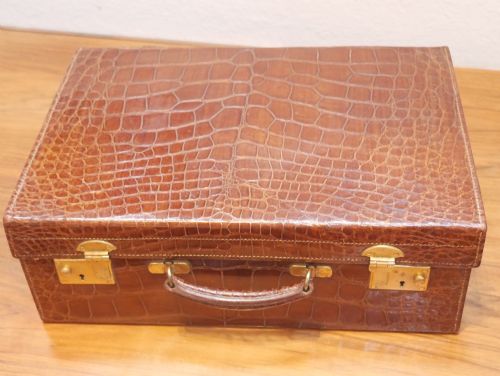
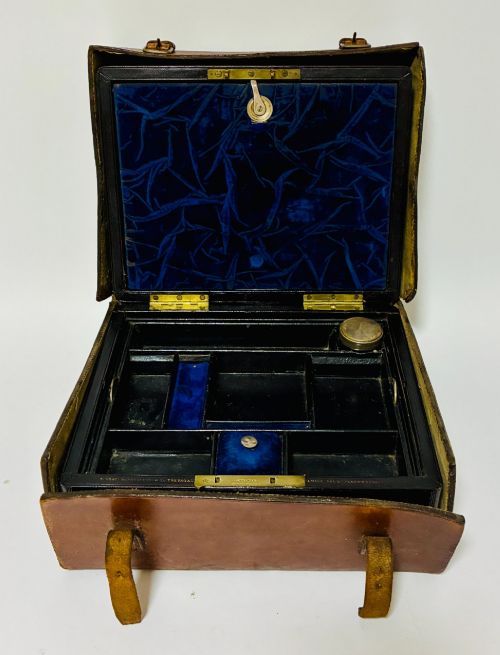
Leather forms the primary writing and top surface material, frequently accompanied by tooled borders, while brass hardware secures corners, hinges, and locks. Crocodile and alligator skins appear on specialised suitcases, boxes, and storage cases.
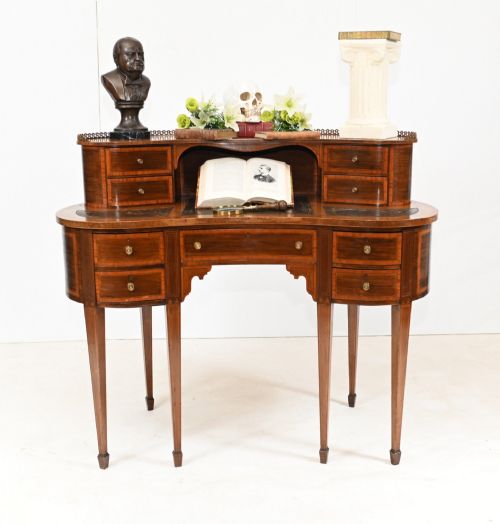
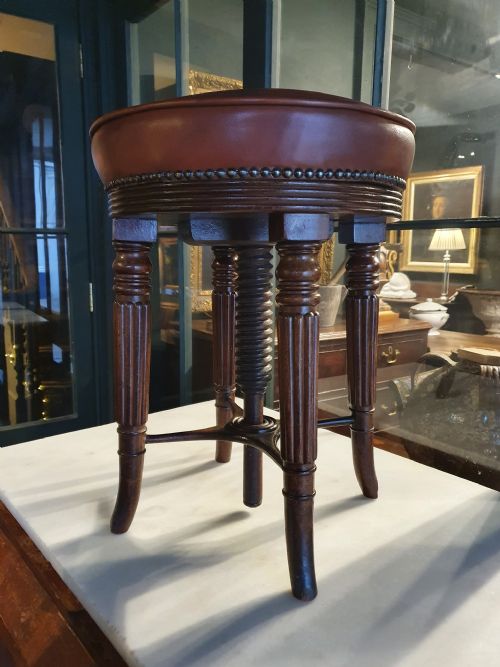
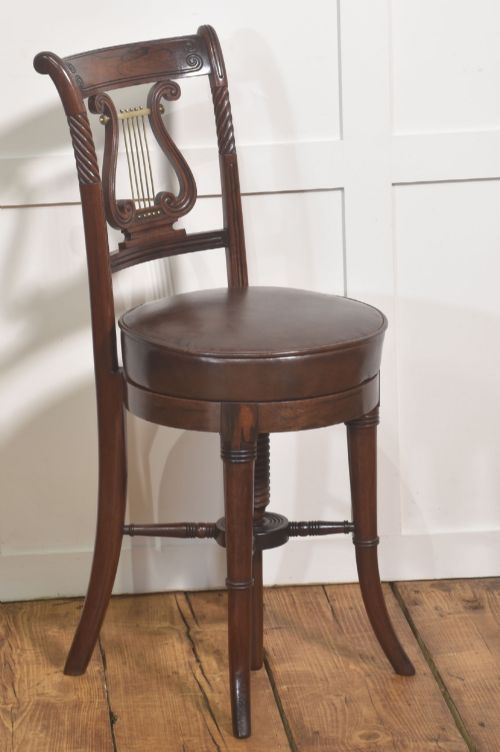
Inlay work in satinwood and detailed carving define the decorative execution on Edwardian and nineteenth-century furniture items. Upholstery techniques finish the piano stools and dressing chairs with tailored fabrics and leathers.
Brown Leather Vanity Retail Price Guide 2026
Typical asking prices for brown leather vanity among the pieces listed under this phrase on Sellingantiques today, from the lower quarter to the upper quarter. They describe what is for sale here now, not the wider market.
Several travel cases carry engraved initials, preserving the mystery of their original Victorian owners.
Assessing Quality
The refinement of timber selection and the precision of cabinetmaking distinguish finer examples from standard production. Finely carved details and specialised wood veneers such as burr walnut elevate specific desks and tables.
The integrity of fitted interiors, original leather bindings, and functional brass hardware mark the difference in portable cases and writing slopes. Original maker signatures or engraved details add documented provenance to individual items.
J C Vickery·F. West·John Pound·Collinson and Lock
The Brown Leather Vanity Glossary
- Kneehole Desk
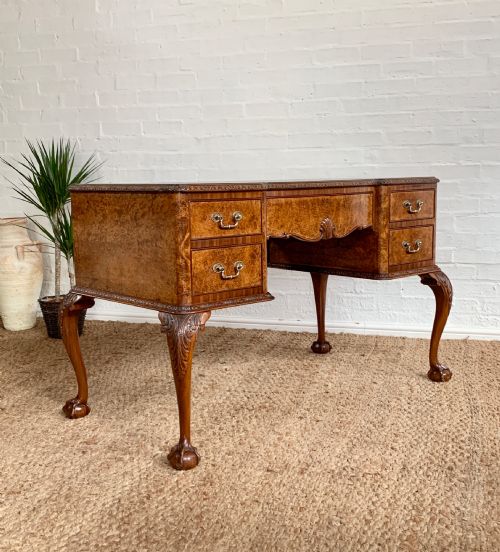
- A freestanding desk featuring a central recess for the legs flanked by pedestals of drawers. Walnut and mahogany versions often incorporate tooled leather writing surfaces.
- Writing Slope
- A portable box with a hinged sloping lid that opens to reveal a writing surface and compartments for stationery. Many examples feature leather bindings and secure locks.
- Cabriole Leg
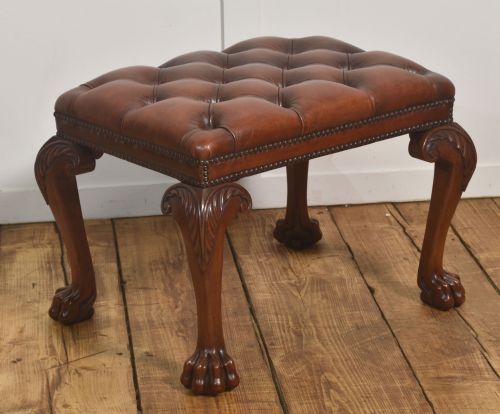
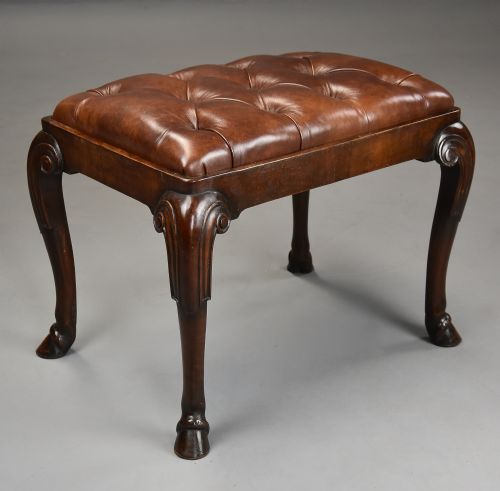
- A furniture leg that curves outward and then tapers inward, ending in a pad or foot. This stylistic feature appears frequently on Queen Anne style walnut stools.
- Fitted Interior
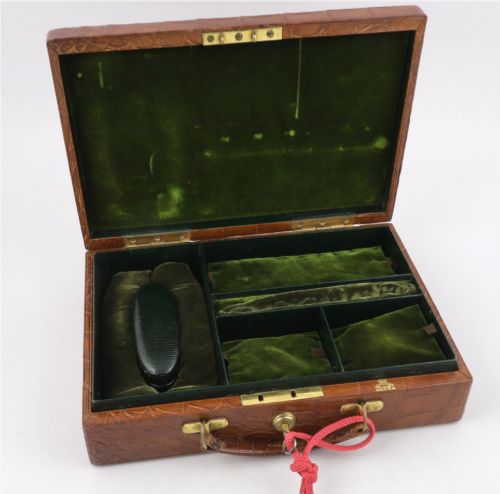
- An internal arrangement of compartments, trays, and holders designed within a case or suitcase. These spaces accommodated grooming tools, bottles, and personal items.
Brown Leather Vanity: Frequently Asked Questions
What is a brown leather vanity?
A brown leather vanity encompasses portable dressing cases, fitted suitcases, writing desks, and dressing tables incorporating leather surfaces. These pieces date predominantly from the nineteenth and early twentieth centuries.
They combine practical storage compartments and writing surfaces with traditional timber frames, brass hardware, and specialised leather coverings.
How were these pieces used originally?
Writing desks and tables served personal correspondence, administrative tasks, and grooming routines in Victorian and Edwardian households. Portable cases and fitted suitcases transported personal items and grooming tools during travel.
Stools provided dedicated seating for dressing tables and desks, while specialised boxes stored jewellery, cufflinks, and sewing implements.
How do I care for leather surfaces?
Leather surfaces require gentle dusting and protection from direct sunlight and excessive moisture to maintain their condition. Regular conditioning prevents the material from drying out over time.
Timber components benefit from routine polishing compatible with antique wood finishes to preserve their natural grain.
How can I tell periods apart?
Victorian and nineteenth-century pieces often display heavier proportions and rich mahogany or burr walnut timbers. Edwardian items frequently feature lighter inlaid mahogany construction and kidney-shaped forms.
Nineteen-thirties examples introduce Art Deco influences and distinct walnut finishes while retaining traditional craftsmanship methods.