

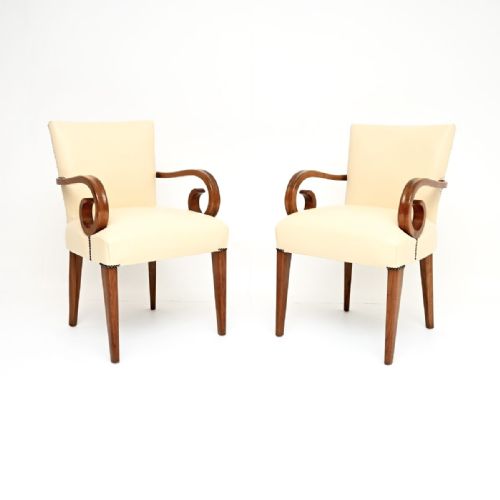
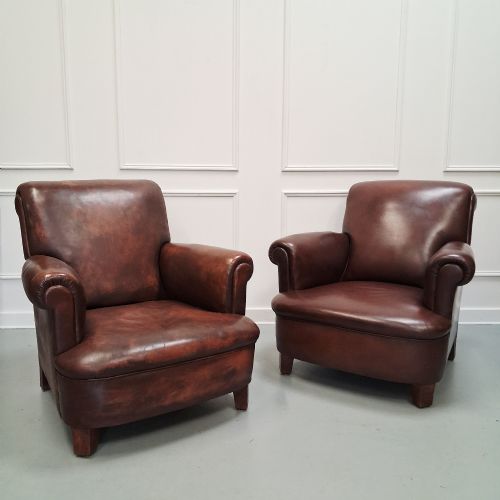
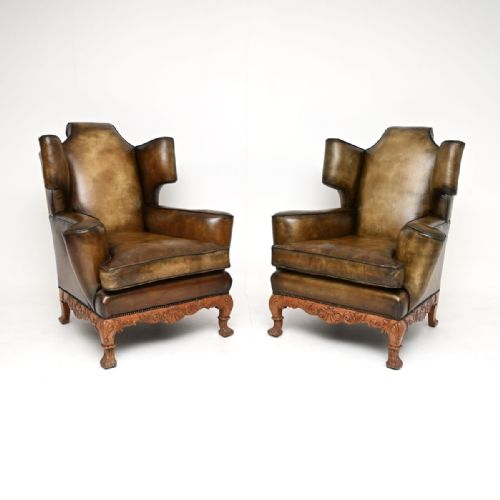
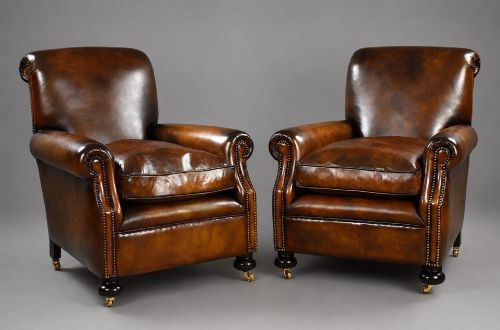



Brown Leather Lounge
Brown leather lounge pieces are substantial antique seats designed for relaxation, offering deep comfort and rich patination.
Brown Leather Lounge
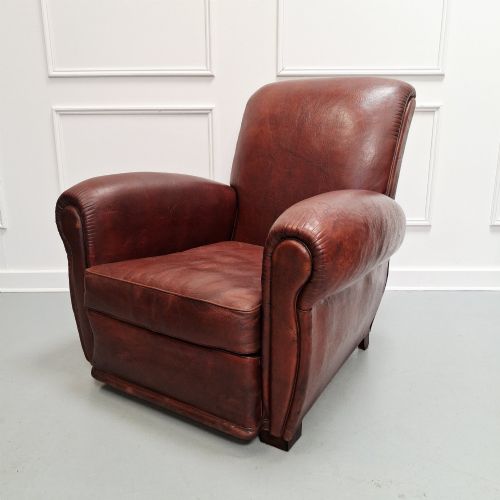
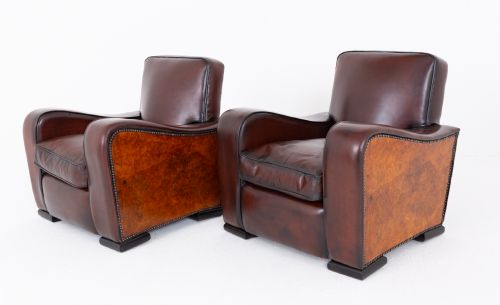
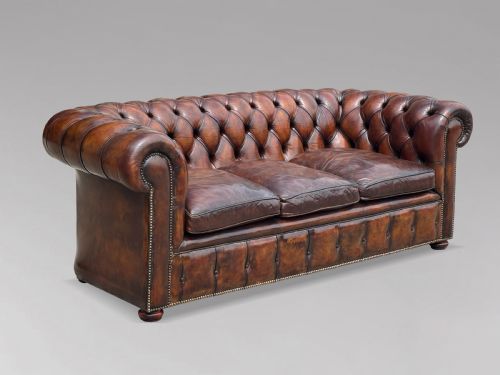
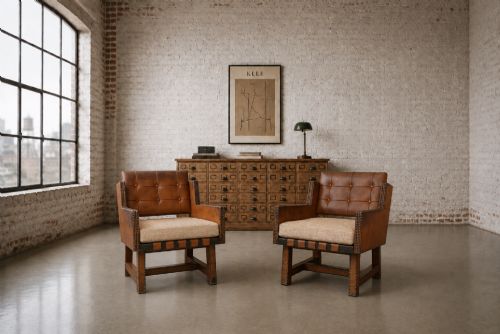
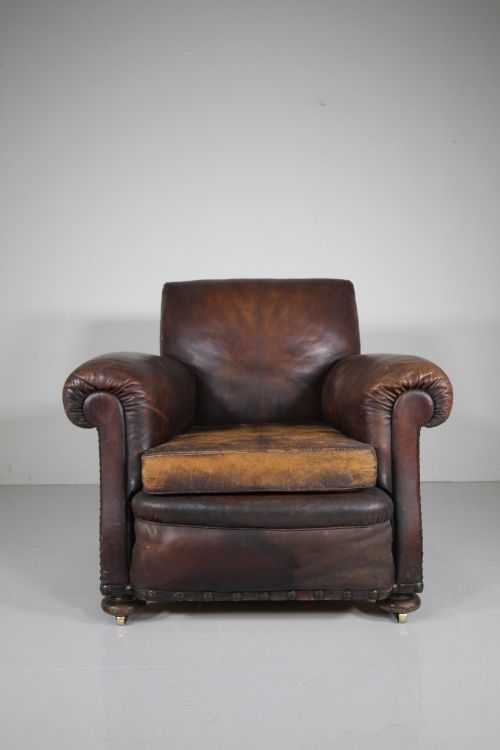
A brown leather lounge search encompasses robust seating forms originating from the nineteenth and early twentieth centuries, spanning periods such as Victorian, Edwardian, and Art Deco. Buyers encountering this category typically find armchairs, club chairs, wingbacks, and multi-seater Chesterfields designed for domestic comfort.
Materials and construction methods
Frames utilise sturdy hardwoods including mahogany, walnut, oak, teak, and satin birch, providing structural integrity for heavy seating. Artisans combined these timber foundations with brass hardware, joinery, and resilient internal padding.
Upholstery relies on traditional leather hides applied over supportive cushioning systems, often finished with button-tufting or brass nailhead detailing. Frames accommodate mechanical adjustments in specific reclining or metamorphic variants.
Brown Leather Lounge Retail Price Guide 2026
Typical asking prices for brown leather lounge among the pieces listed under this phrase on Sellingantiques today, from the lower quarter to the upper quarter. They describe what is for sale here now, not the wider market.
Current listings feature seating spanning the Victorian era through the 1930s Art Deco period, constructed in leather, mahogany, walnut, and oak.
Distinguishing factors in construction and finish
Quality separates along the integrity of the timber frame, the depth of hand-dyed patination on the leather hide, and the retention of original structural components. Examples utilising dense hardwoods and well-preserved upholstery display superior longevity.
Artisanal execution in decorative elements, such as carved mahogany details or specialised reclining mechanisms, distinguishes standard domestic seating from monumental or bespoke library pieces.
The Brown Leather Lounge Glossary
- Club chair
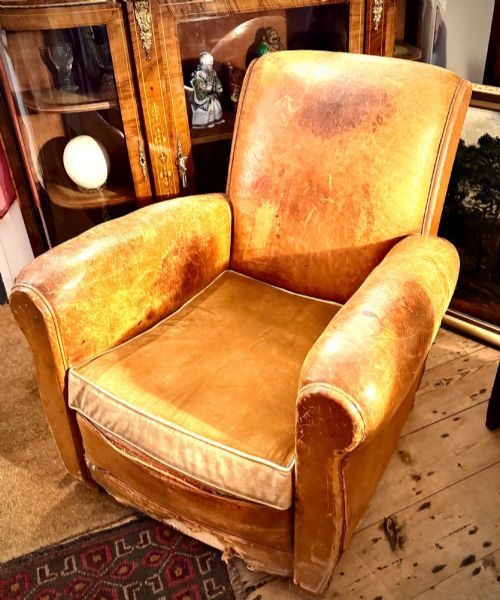
- A deep, comfortable armchair with low backs and wide arms, commonly upholstered in leather. These seats originated in French and English gentlemen's clubs.
- Chesterfield
- A large sofa characterised by deep button-tufting, rolled arms of the same height as the back, and leather upholstery. This form dates back to the eighteenth century.
- Wingback
- An armchair with high panels or 'wings' attached to the back, designed to shield the occupant from drafts. Early examples utilised oak and mahogany frames.
- Planter chair
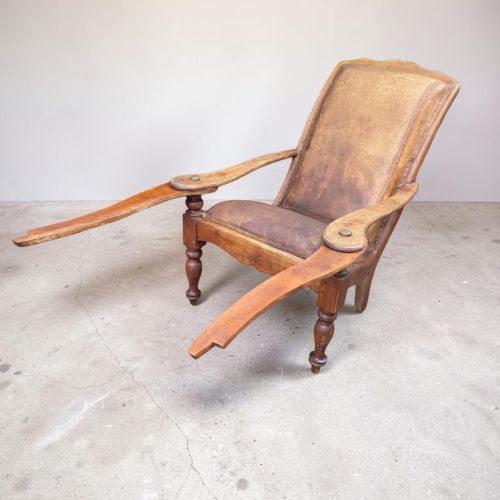
- A colonial seating form featuring extended arms designed for resting legs, typically constructed from tropical hardwoods like teak. These pieces accommodated warm climates.
- Campaign chair
- A portable, folding or adjustable armchair utilised by military officers during the nineteenth century. These items often incorporate brass hinges and collapsible frames.
- Patina
- The surface sheen and coloration developed on leather and timber through age and use. This quality reflects the history of the object.
Brown Leather Lounge: Frequently Asked Questions
How do I identify a Victorian leather lounge chair?
Victorian leather seating typically displays dense hardwood frames made from mahogany, walnut, or oak, often accompanied by deep button-tufting and turned legs. The overall construction prioritizes substantial weight and formal nineteenth-century silhouettes.
These pieces frequently feature hand-dyed brown leather hides that show natural grain variation and age-related patination accumulated over decades of use.
What defines an Art Deco club chair?
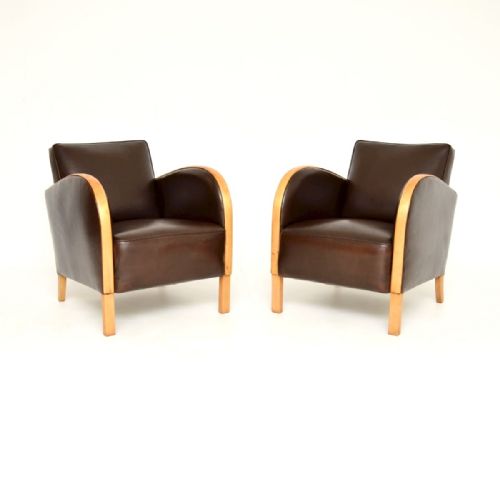
Art Deco club chairs from the 1920s and 1930s present rounded, streamlined profiles with smooth leather upholstery in caramel or cigar brown shades. Makers utilised woods like satin birch and walnut for internal frames and decorative accents.
These chairs focus on ergonomic comfort through low, deep seating arrangements that contrast with the more upright posture of earlier Victorian designs.
How were colonial planter chairs used?
Colonial planter chairs served as relaxation seating in nineteenth-century British colonial environments, featuring long extending arms designed for resting the feet. Teak and hardwood construction allowed the furniture to withstand warm climates.
Occupants utilised the adjustable or extended arm rests for reclining during long periods in domestic verandas and study rooms.
How should I care for antique leather furniture?
Antique leather requires consistent maintenance using specialised balms or waxes to keep the hide supple and prevent cracking. Keeping pieces away from direct sunlight and heat sources preserves the natural moisture of the leather.
Gentle dusting with a soft cloth prevents abrasive particles from damaging the historic surface finish and accumulated patina.