


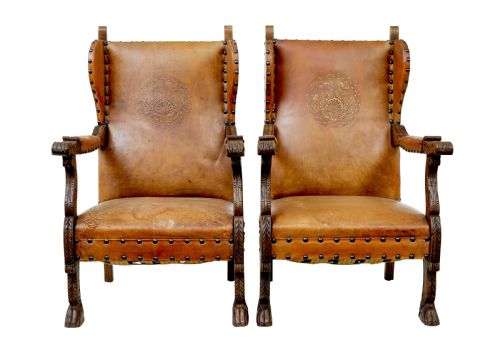
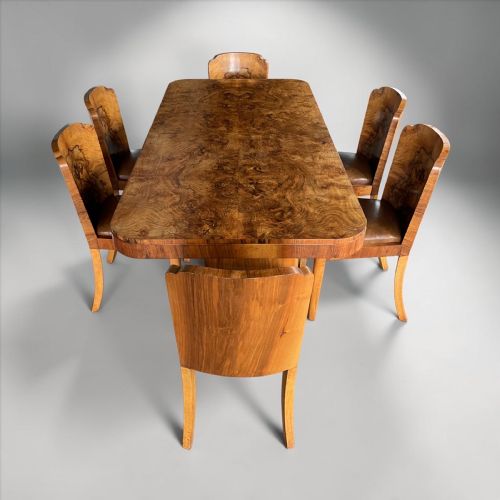
Brown Leather Chair
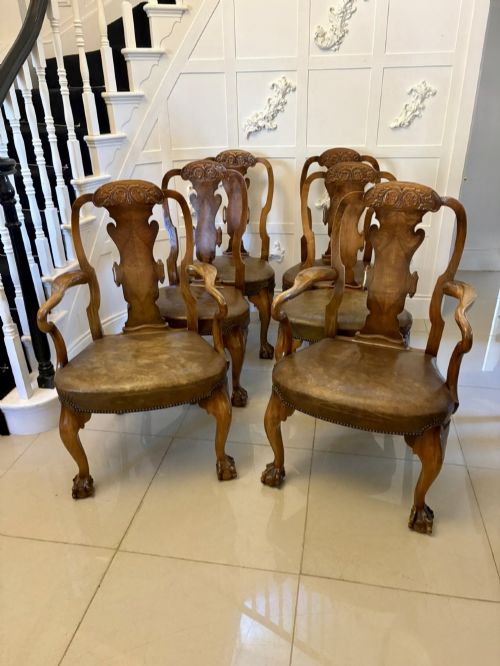
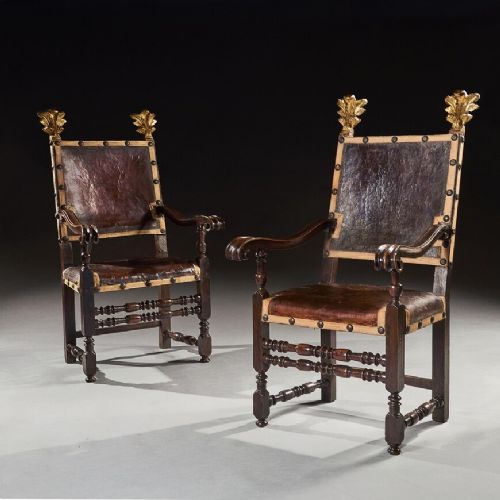
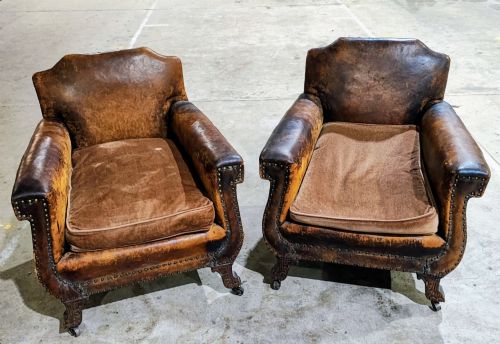
These brown leather chairs combine sturdy timber frames with durable hides, offering practical seating for studies, libraries and dining rooms.
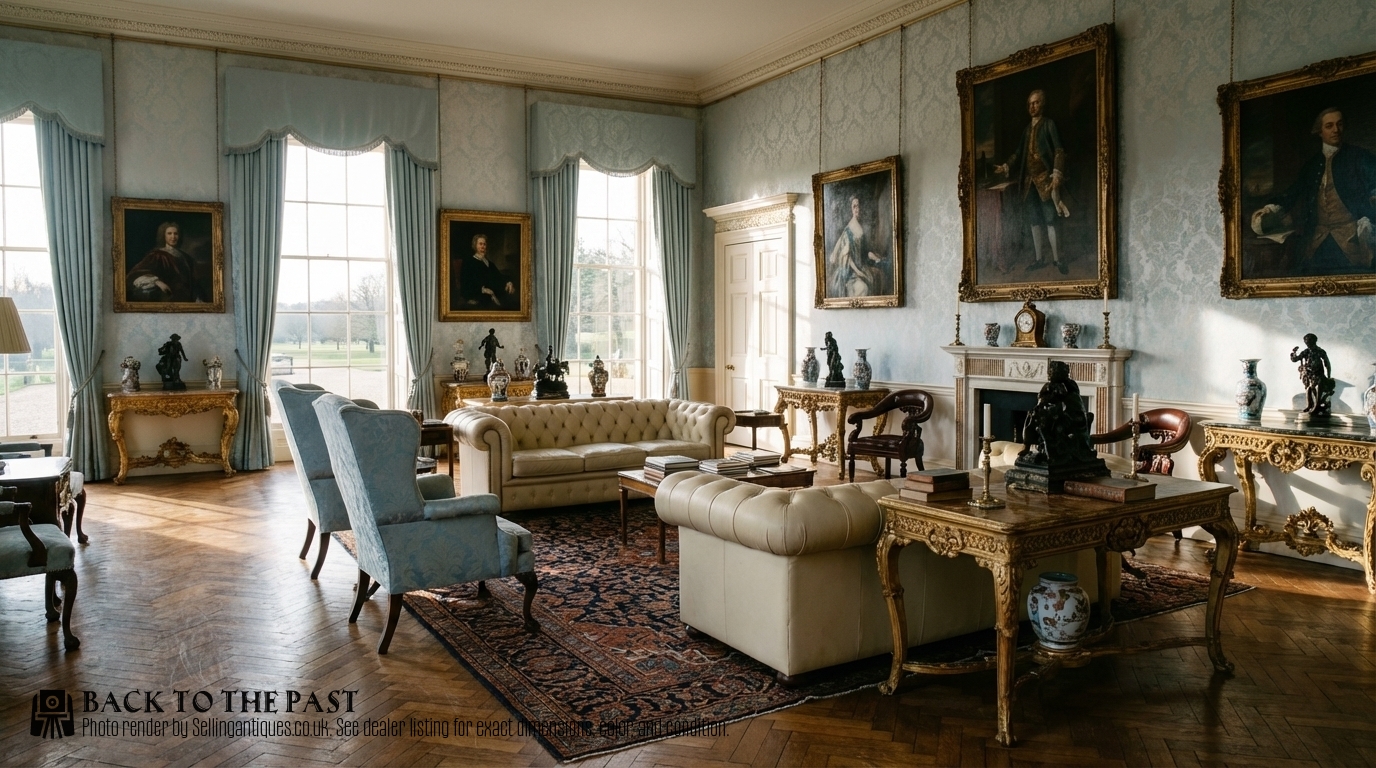
The Nature of Brown Leather Chair
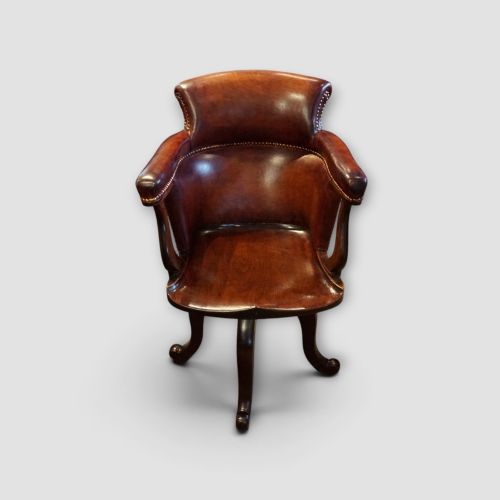
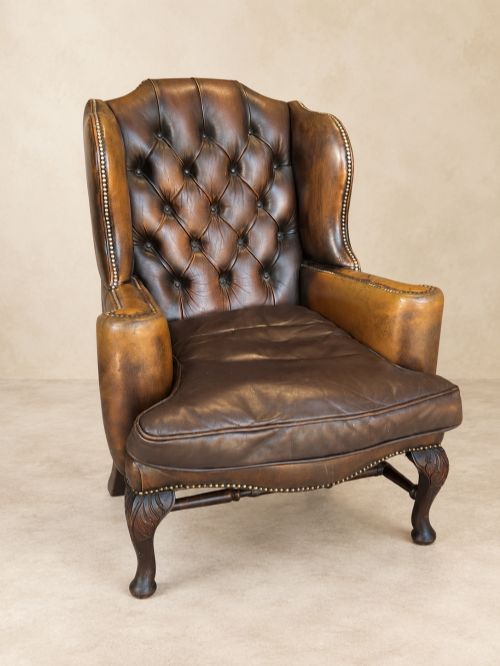
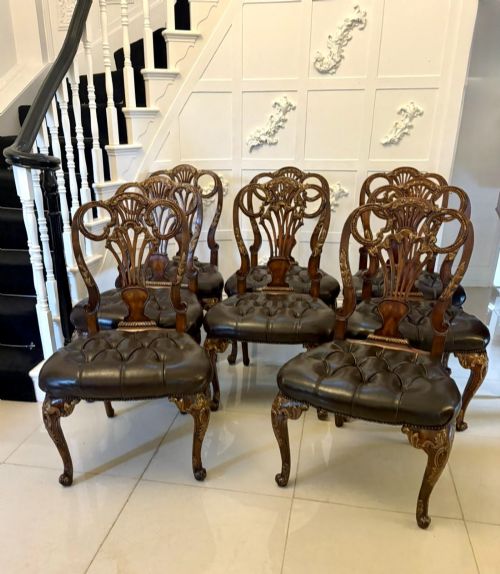
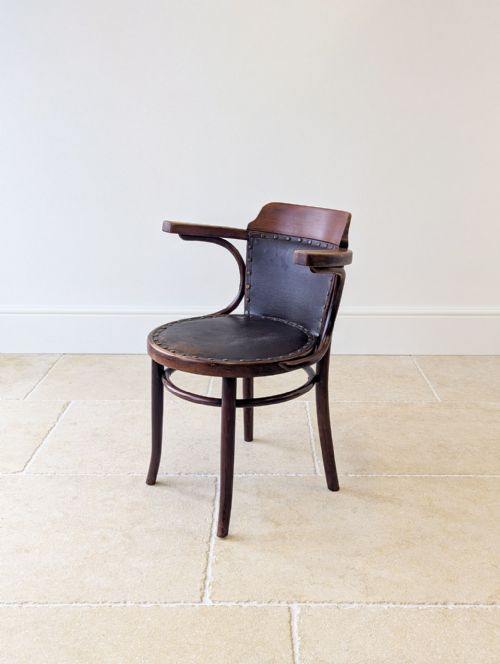
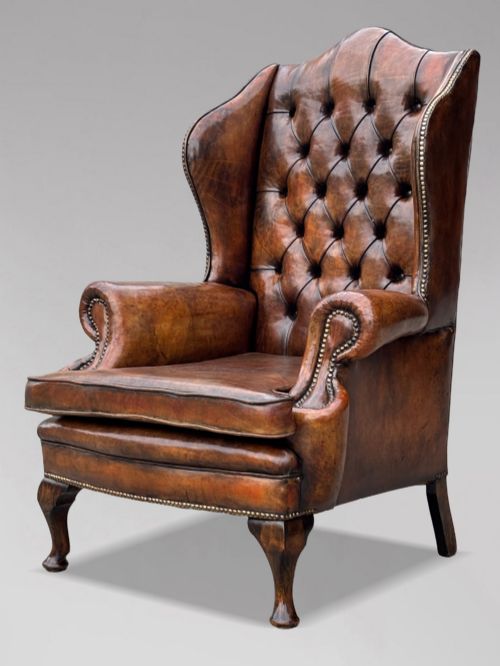
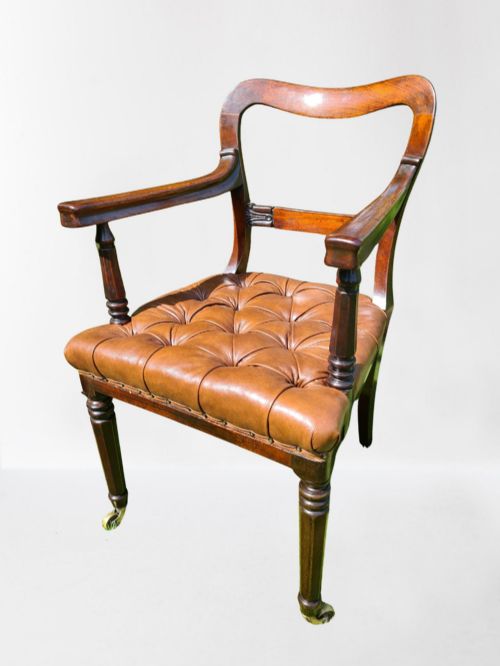
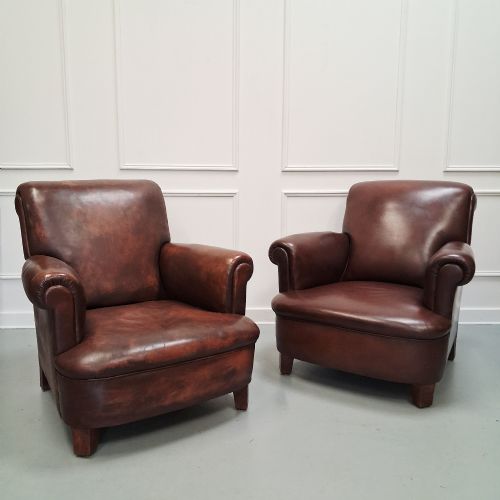
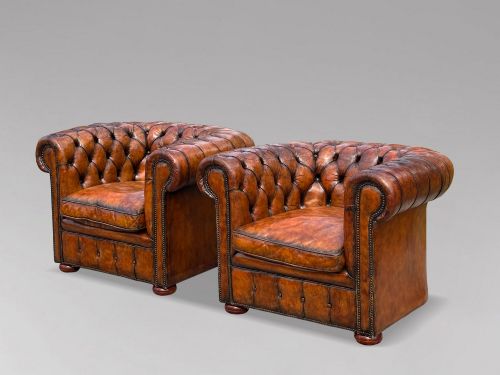
A brown leather chair encompasses various seating forms designed for multiple rooms, ranging from office desks to dining spaces and drawing rooms. The selection includes wing chairs, revolving desk chairs, club armchairs and ladderback dining chairs.
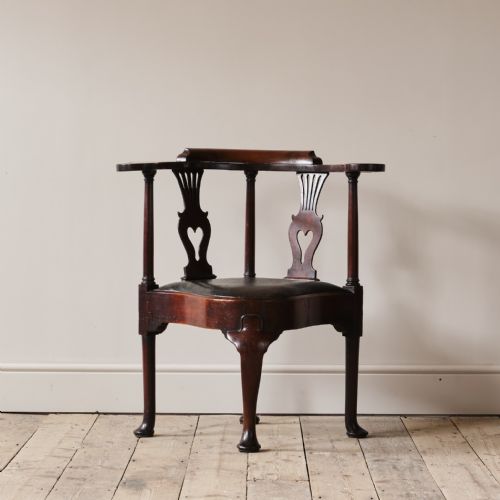
The periods represented span the nineteenth century through the early twentieth century, incorporating styles such as Chippendale, William IV, Queen Anne, Georgian and Victorian designs.
Materials and Construction
Frames rely on hardwoods such as mahogany, oak, walnut, rosewood, ash and elm, providing structural integrity and detailed woodwork for the supports and legs.
Upholstery utilises brown leather, sometimes hand dyed or deep buttoned, and incorporates brass elements for fixtures and revolving mechanisms.
Materials documented across the inventory include mahogany, oak, walnut, rosewood, ash, elm, brass and leather.
Factors of Quality
The choice of timber for the frame and the depth of the leather grain dictate the distinction between standard utility seating and finer library or parlour pieces.
The integrity of the joinery and the preservation of original upholstery materials separate standard examples from those retaining distinct period character.
The Brown Leather Chair Glossary
- Wingback
- An armchair with side panels designed to shield the sitter from drafts and retain fireplace heat. These panels extend upward from the arms to the backrest.
- Revolving chair
- A seat fitted with a central pivot mechanism allowing rotation, commonly found on office and desk chairs from the Victorian and Edwardian periods.
- Deep buttoning
- An upholstery technique where twine pulls the leather tight into the padding, securing the filling and creating a pattern of indentations.
- Ladderback
- A chair back featuring horizontal wooden slats resembling the rungs of a ladder, seen in traditional country dining chairs.
- Cross frame
- A furniture base constructed from intersecting diagonal stretchers or legs, providing stability and support for occasional seating.
Frequently Asked Questions
What periods do these chairs come from?
The available pieces originate primarily across the nineteenth and early twentieth centuries, spanning periods from William IV and Victorian to Edwardian and later styles.
Craftsmanship reflects the prevailing aesthetic of each decade, utilising timbers and upholstery methods typical of those specific eras.
How do I identify a desk chair?
Desk chairs often feature revolving mechanisms, swivel bases, or compact proportions suited for library and office use.
They frequently combine oak or mahogany frames with brass fittings and functional armrests designed for working environments.
What woods were used for the frames?
Cabinetmakers utilised various hardwoods including mahogany, oak, walnut, rosewood, ash and elm depending on the period and the style.
These timbers provided the necessary strength for armchairs, dining seats and office furniture.
Are these chairs suitable for daily use?
Many of these pieces were originally constructed for heavy functional use in studies, offices and dining rooms.
Solid wood frames and durable leather upholstery make them practical candidates for contemporary living spaces.