


Brown Horse Print
A brown horse print captures equine spirit through traditional imagery, offering character and sporting history for your walls.
Brown Horse Print
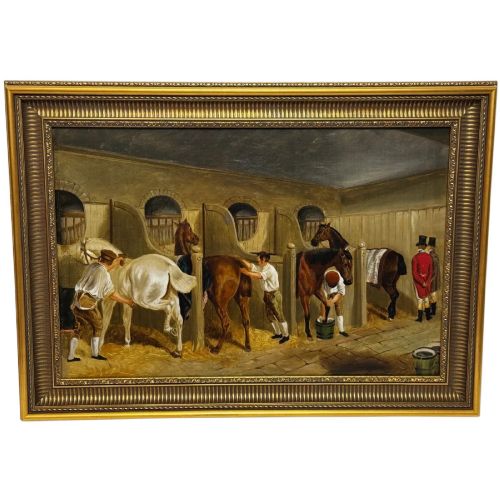
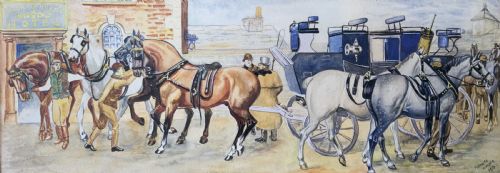
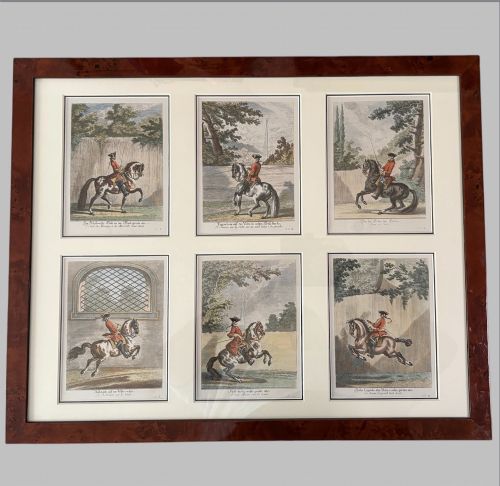
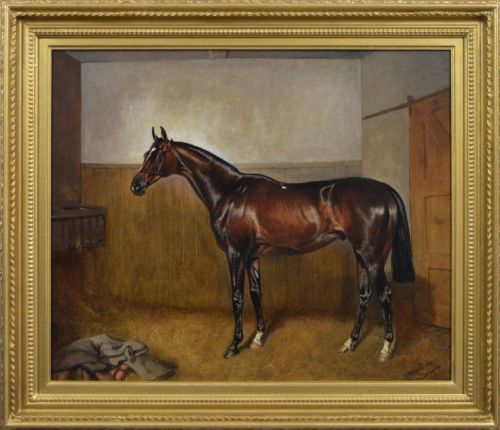
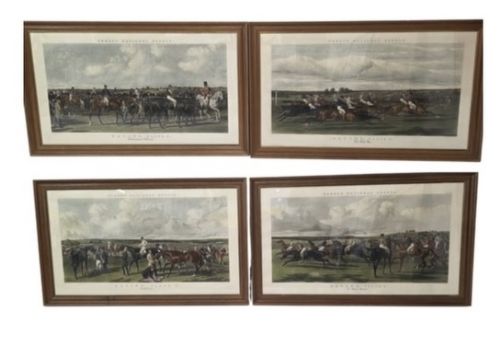
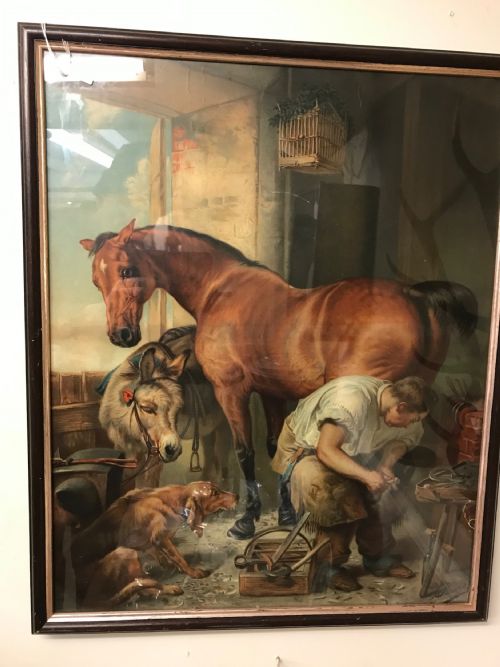
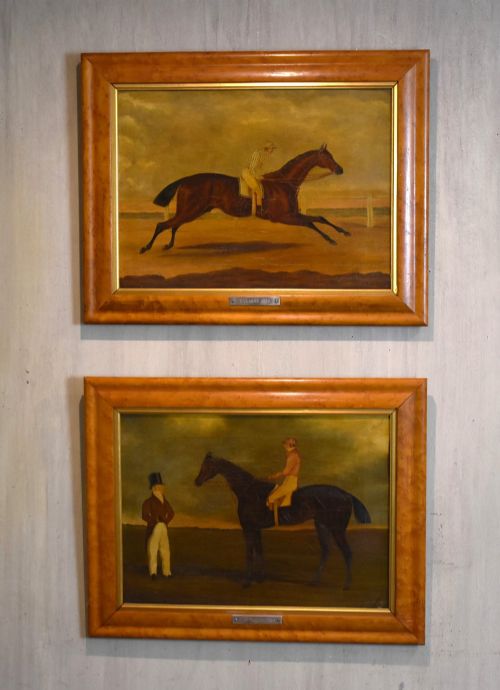
A brown horse print brings classic equestrian subjects into domestic spaces, drawing on a rich tradition of sporting art. When you search for a brown horse print, you encounter everything from hand-coloured copper engravings to vintage prints and original watercolours. These works span the Georgian, Victorian, and mid-twentieth-century periods, capturing horses in racing, hunting, and portrait settings.
The selection on this page relies heavily on framed prints, oil paintings, and watercolours set within period timber frames. You will find works after notable artists alongside original pieces depicting named racehorses and hunting scenes. This variety allows collectors to select pieces ranging from intimate framed artwork to large nineteenth-century English racing prints.
Materials and methods
Makers utilised traditional mediums such as oil paint, watercolour, and ink upon paper, canvas, and glass surfaces. Copper engravings and lithographs provided early methods for reproducing equine imagery for a wider audience.
Framing forms an integral part of these pieces, with oak frames and gilt wood frequently housing the artwork. Hand-colouring often enhanced printed engravings, adding depth to the visual record of sporting subjects.
Several prints preserve the specific names of celebrated nineteenth-century racehorses, ensuring legendary animals peer from the walls.
Evaluating the range
Quality rests in the precision of the draughtsmanship and the vitality of the equine representation. Works by documented sporting artists or named engravers naturally command greater attention from serious collectors.
The integrity of the materials, including the preservation of the paper or canvas and the originality of the period frame, determines the overall standard of the piece.
John Alfred Wheeler·John Frederick Herring Snr·John Rattenbury Skeaping·Alfred Wheeler·Victor Adam
The Brown Horse Print Glossary
- Aquatint
- A printmaking technique that produces tonal areas resembling watercolour washes. It was frequently utilised for reproducing sporting scenes in the nineteenth century.
- Lithograph
- A planographic printing process using a flat stone or metal plate. This method allowed for the creation of detailed runs of nineteenth-century animal and sporting plates.
- Gilt wood
- Timber treated with gold leaf or gold-coloured pigment to create a metallic finish. It is commonly found on nineteenth-century picture frames.
- Engraving
- A printmaking method where an artist cuts lines into a metal plate to hold ink. Copper was the standard medium for fine eighteenth-century sporting prints.
Brown Horse Print: Frequently Asked Questions
How do I date a horse print?
Dating relies upon examining the framing materials, the paper type, and any inscribed publication dates or signatures. Stylistic clues within the clothing and tack of the figures also point to specific eras like the Victorian period.
Printers and artists often signed their work or included publication details in the margin. Comparing these marks with documented periods helps narrow down the year of production.
What is sporting art?
Sporting art encompasses paintings, prints, and drawings dedicated to rural pursuits such as horse racing, fox hunting, and equine portraits. This genre flourished in Britain throughout the eighteenth and nineteenth centuries.
Artists aimed to capture the anatomy and movement of the horse accurately. These works served as records of celebrated animals and memorable racing events.
Are these pieces original or reproductions?
The selection includes both original oil paintings and watercolours alongside period prints and engravings. Each listing specifies the medium used to create the artwork.
Vintage prints are often period copies produced shortly after the original paintings. Original works involve the direct hand of the artist.
How should I frame historic art?
Historic artwork benefits from conservation-grade framing materials that protect the paper and canvas from environmental damage. Retaining period frames, such as oak or gilt wood, preserves the historical context of the piece.
Glazing with UV-filtering glass helps prevent the fading of inks and watercolours over time. Professional framing ensures the piece remains secure without damaging the original edges.