





Vintage Racehorse Picture
A vintage racehorse picture brings the thunder of the track and the majesty of the thoroughbred straight into your room.
Vintage Racehorse Picture
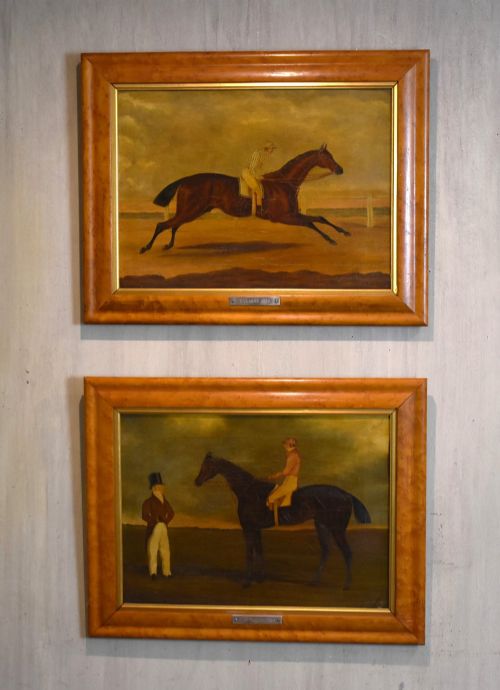
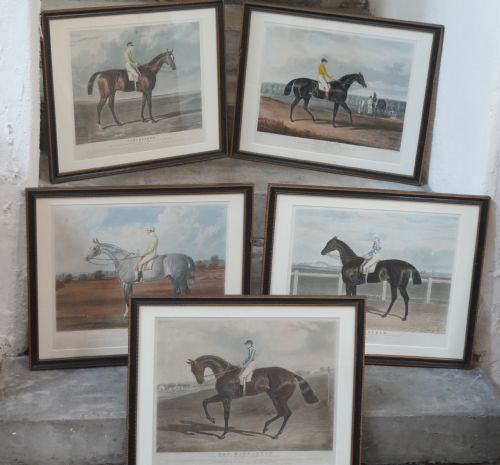
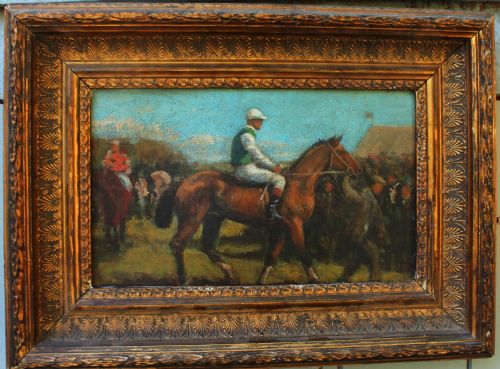
A vintage racehorse picture captures the intensity of the turf through oil paintings, framed prints, and detailed engravings spanning from the Georgian era to the mid-twentieth century.
You will encounter everything from sweeping paddock studies and dramatic finish-line scenes to individual portraits of legendary thoroughbreds with their jockeys.
The selection ranges from early nineteenth-century aquatints to mid-century pastels, offering a direct window into the historic world of British horse racing.
Materials and techniques
Artists and makers utilised oil on canvas, ink on paper, and pastel on coloured paper, often mounting these works behind glass within traditional wooden or gilt frames.
Printmakers employed traditional engraving and aquatint techniques to reproduce famous paintings and capture the likenesses of celebrated racehorses.
Vintage Racehorse Picture Retail Price Guide 2026
Typical asking prices for vintage racehorse picture among the pieces listed under this phrase on Sellingantiques today, from the lower quarter to the upper quarter. They describe what is for sale here now, not the wider market.
Even the horses had fan clubs, with Victorian racegoers collecting framed portraits of champions like Creeping Molly just like modern sports cards.
What separates the best from the rest
Quality rests upon the artist's ability to render the anatomy and musculature of the thoroughbred with anatomical conviction and energetic brushwork.
The distinction between a standard print and a superior piece lies in the crispness of the impression, the depth of the palette, and the historical significance of the specific horse or jockey depicted.
John Frederick Herring Snr·Alfred Munnings·John Rattenbury Skeaping·Abraham Cooper·Alfred Wheeler·John Atkinson·Isaac Cullin
The Vintage Racehorse Picture Glossary
- Aquatint
- A printmaking technique that produces tonal effects resembling watercolour washes. It allows the maker to achieve subtle gradations of light and shade in sporting scenes.
- Engraving
- A method of cutting a design into a hard plate using a sharp tool. The resulting lines hold ink to create sharp, highly detailed prints.
- Eglomise
- A process of applying gold or silver leaf to the reverse side of glass. This technique creates a mirrored, decorative border often seen on vintage reproductions.
- Pastel
- A dry medium made of powdered pigment bound into sticks. It permits artists to build up rich, textured layers of colour on paper.
Vintage Racehorse Picture: Frequently Asked Questions
How do I date a horse racing print?
Examine the paper type, the framing materials, and any visible signatures or publication dates inscribed on the margin. Early works often use hand-laid paper and copperplate engravings.
Compare the style of the typography and the clothing of the jockeys with established periods like the Georgian era or Victorian sporting art.
Are these works original paintings or prints?
The selection includes both original oil paintings and pastels alongside historical prints, aquatints, and photographic reproductions. Each listing specifies the exact medium used by the artist or maker.
Original oils display visible brushwork and canvas texture, whereas prints reveal ink patterns under magnification.
How should I hang and light these pictures?
Keep vintage paper and canvas works away from direct sunlight to prevent the ink and oil paint from fading over time. Position picture lights above wooden or gilt frames to illuminate the dark tones of the paddock scenes.
Ensure the wall fixings are sturdy enough to support heavier framed oil paintings and glazed multi-print sets.
What subjects are most common in these pieces?
Portraits of famous racehorses with their jockeys up dominate the selection, commemorating legendary winners at historic courses like Newmarket and Kempton Park. You will also find broader field scenes capturing the drama of the final furlong.
Many pieces celebrate specific historical thoroughbreds owned by prominent patrons, including royalty.