
Brown Horse Canvas
A brown horse canvas brings home the robust spirit of equine art, capturing thoroughbreds, hunters, and stable scenes in oil paint.
Brown Horse Canvas
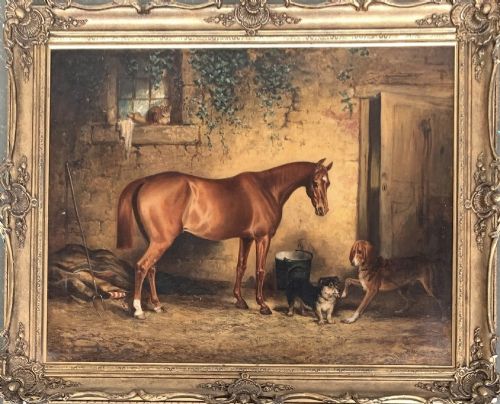
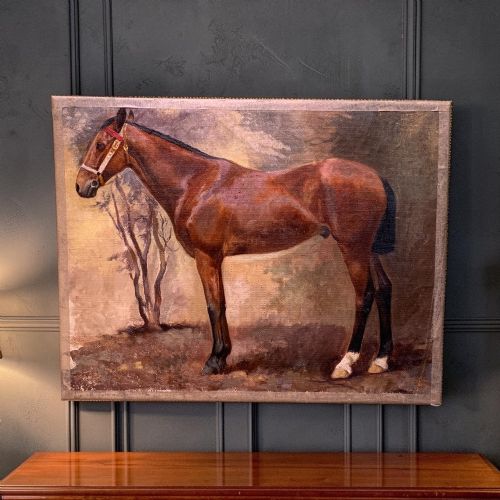
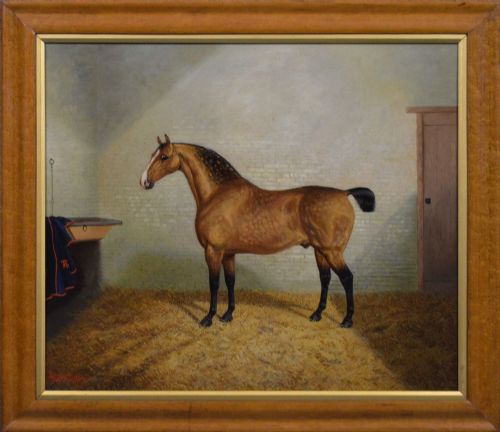
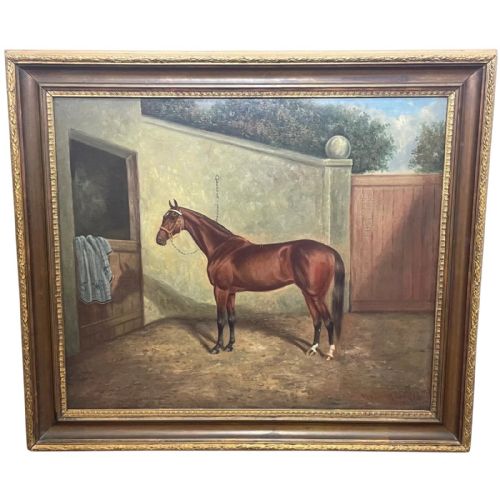
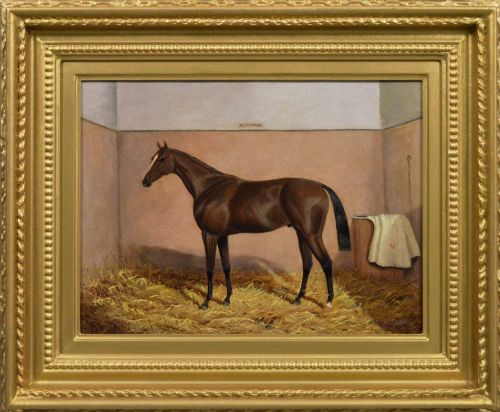
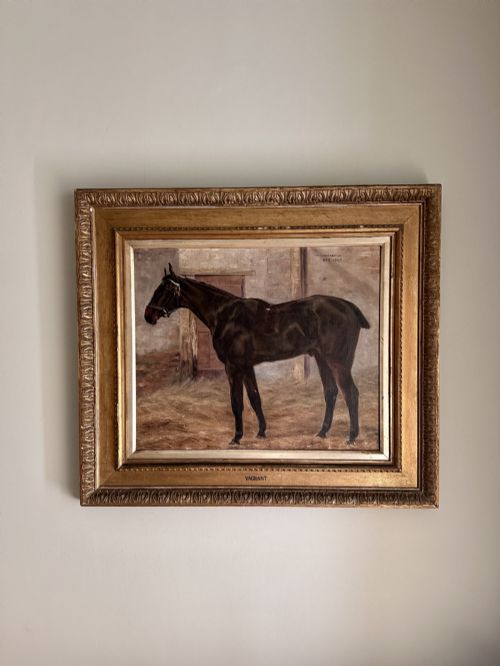
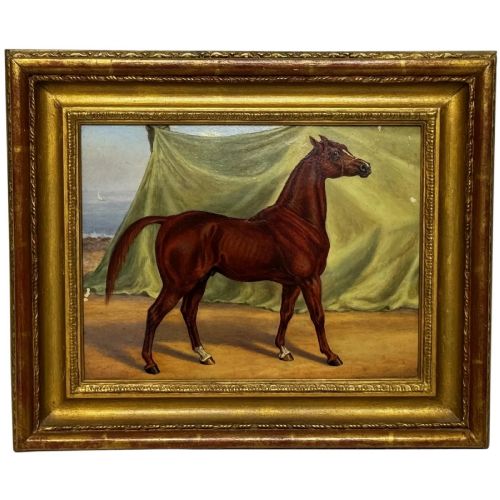
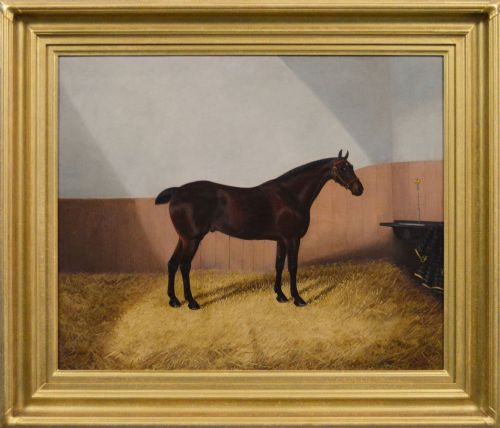
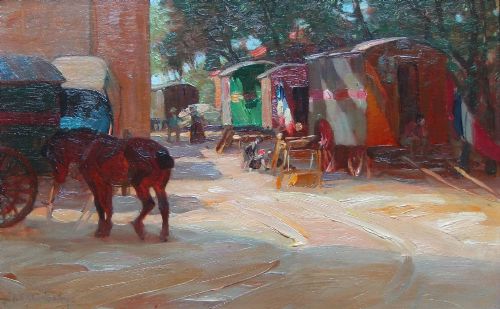
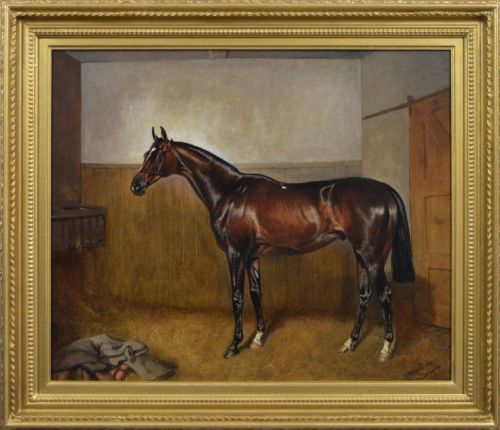
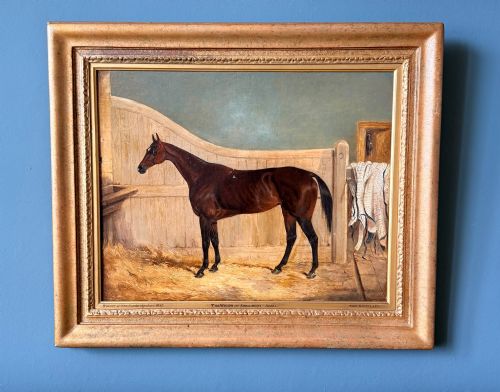
A brown horse canvas represents a significant tradition of equine portraiture and sporting art. These works portray named racehorses, hunters, and stable companions rendered with close attention to animal anatomy.
Most pieces date from the nineteenth and early twentieth centuries, reflecting the high value placed on horses during the Victorian and Edwardian periods. Painters recorded specific animals, often noting their pedigrees, stable yards, or famous racing victories.
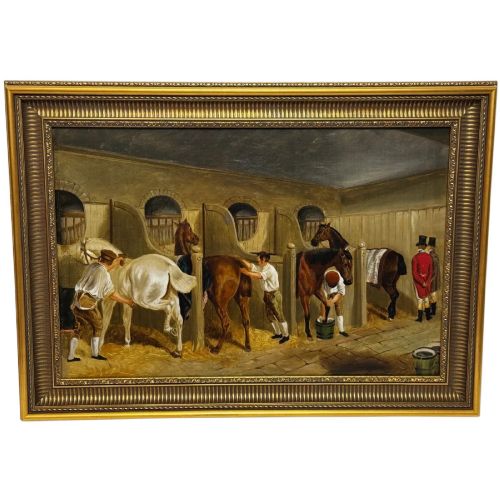
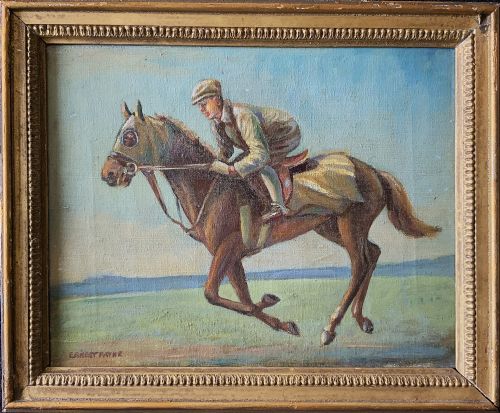
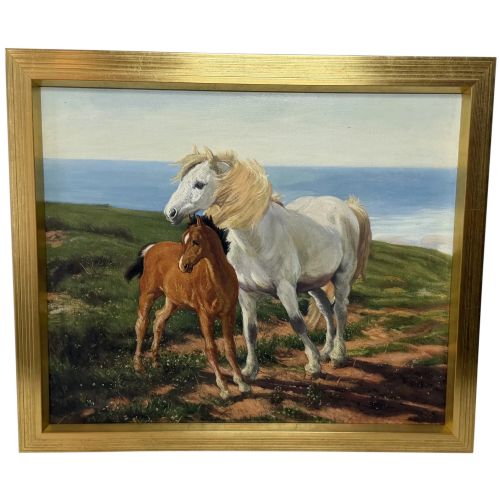
The subjects range from solitary portraits of prize-winning stallions to working horses in country landscapes or racing scenes with jockeys. These paintings serve as historical records of equestrian breeding and rural life.
Materials and technique
Artists painted these works using oil paint applied to woven canvas stretched over wooden frames. This combination allowed for rich colour blending and layered textures, essential for depicting the sheen of a horse coat and the varied tones of stable interiors.
Many works retain their original giltwood frames, which complement the dark earth tones and warm browns prevalent in nineteenth-century equestrian art. The application of oil paint provided durability, helping these artworks survive across generations of collectors.
Listings feature works spanning the nineteenth and twentieth centuries, executed in oil paint on canvas and wood.
Evaluating quality and execution
Quality rests primarily on the artist ability to render correct anatomical proportions and capture the individual character of the animal. Finer works display meticulous brushwork in the rendering of musculature, expression, and coat texture.
The significance of the subject also influences the standing of a piece, with named racehorses, documented winners, and works by recorded sporting artists holding particular distinction. Provenance and historical association with notable stables or estates add further weight to a painting.
Henry Barraud·Albert Clark·Fred Fitzpatrick·John Alfred Wheeler·John Ferneley Senior·John Frederick Herring·Samuel Spode
The Brown Horse Canvas Glossary
- Oil on canvas
- A painting technique where oil paint is applied to a woven fabric support stretched across a wooden frame. This method became standard for fine art portraiture due to its longevity.
- Giltwood
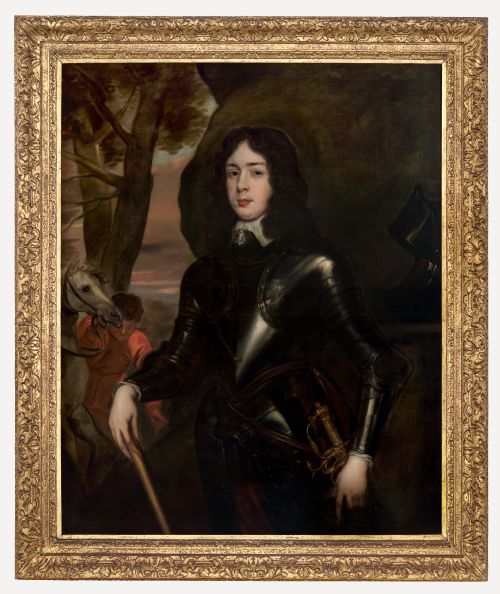
- Wood that has been coated with a thin layer of gold leaf or gold paint. Frames finished in this manner were widely used during the Victorian period to showcase formal portraits.
- Sporting art
- A genre of painting dedicated to depicting rural sports, horse racing, hounds, and prized animals. These works often record specific events or champion animals from the eighteenth century onward.
- Equine portrait
- A painting created to record the likeness and conformation of a specific horse. Such works were commissioned by owners and breeders to celebrate racing victories or favourite hunters.
Brown Horse Canvas: Frequently Asked Questions
How do I care for an oil painting on canvas?
Keep the canvas away from direct sunlight and damp conditions to prevent paint cracking or mould growth on the fabric.
Dust the surface gently with a soft, dry brush and avoid using water or chemical cleaners on the paint layer.
Were these horse paintings always framed?
Most nineteenth-century works received a substantial wooden frame, often finished in gilt, which protected the edges of the canvas and added formal presence.
Original frames provide important clues to the period and status of the artwork, though many have been replaced or restored over time.
How can I tell the age of the canvas?
Examine the back of the stretcher frame and the weave of the fabric for signs of age, such as oxidisation or traditional handmade tacks.
Stamps or inscriptions from nineteenth-century colourmen on the canvas or wooden frame often help narrow down the date of creation.
Where were these equine portraits displayed?
Owners typically hung these works in country houses, estate libraries, or estate offices to showcase their prize-winning horses and racing triumphs.
Today, they suit traditional studies, living rooms, or hallways, pairing well with rustic wooden furniture and period interiors.