






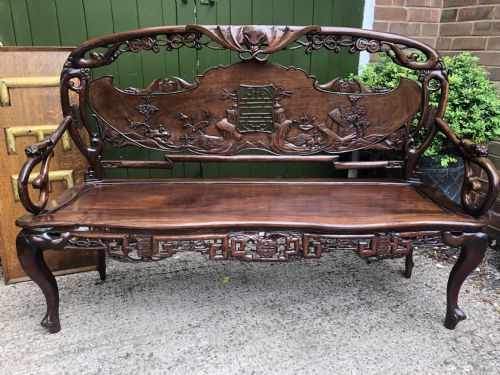
Brown Hardwood Bench
A brown hardwood bench brings tactile grain and historic character into a room, offering a solid seat or surface shaped by traditions across the globe.
Brown Hardwood Bench
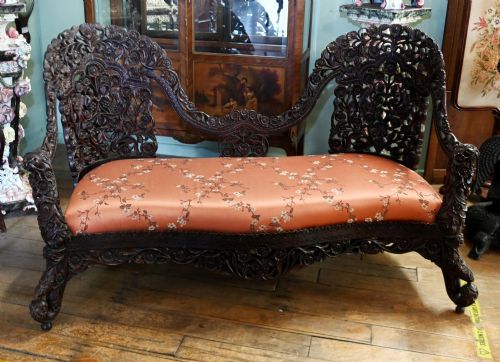
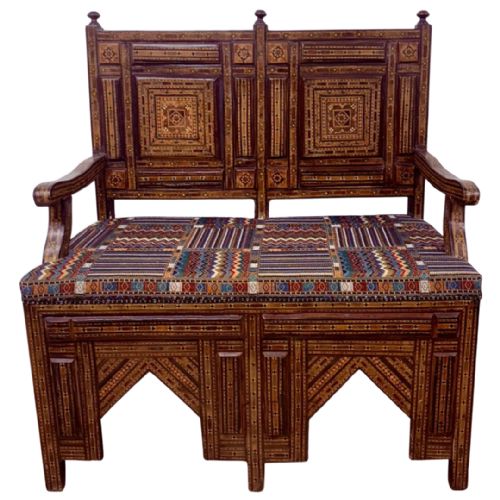
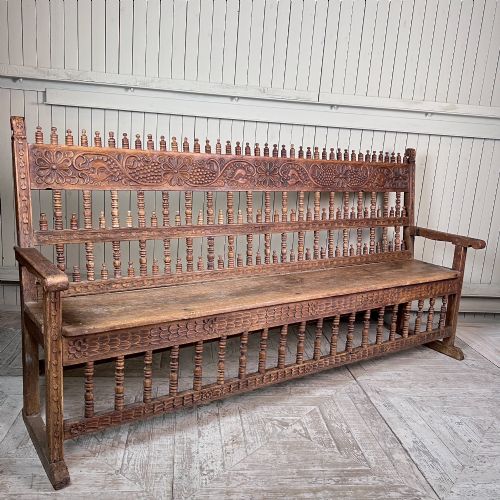
When you search for a brown hardwood bench, you encounter a surprisingly diverse array of forms spanning multiple centuries and continents. The selection encompasses low opium benches, narrow Hungarian pig benches, stately Spanish colonial seats, and intricate Syrian inlaid designs.
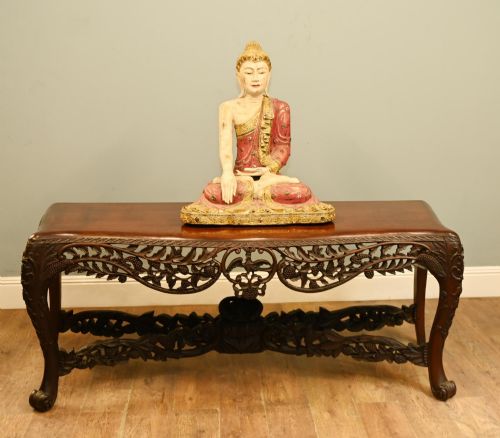
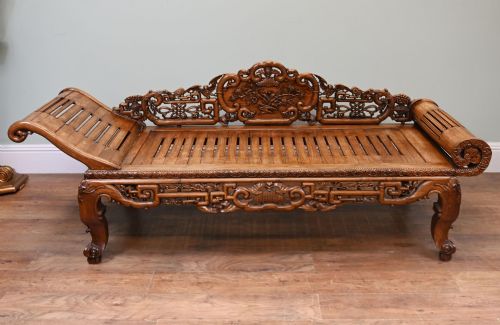
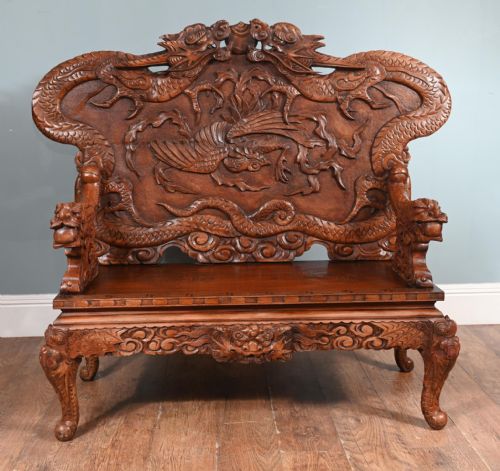
Chinese Qing Dynasty examples dominate the offerings, appearing as carved altar seats, window benches, and plank-top trestles. Alongside these Asian forms, European vernacular pieces and African ceremonial beds demonstrate how different cultures utilise dense timber for seating and resting.
Materials and construction methods
Craftsmen built these pieces using dense timbers such as oak, elm, cherry, and rosewood, often pairing them with secondary woods or highlighting the natural grain through polishing. Surface decoration relied on meticulous hand carving, cinnabar lacquer, and occasionally bone inlay or textile upholstery.
Joinery techniques varied by region, ranging from traditional Chinese mortise and tenon frames designed without metal nails to the robust peg construction found in European rustic farmhouse and Hungarian utility furniture.
Brown Hardwood Bench Retail Price Guide 2026
Typical asking prices for brown hardwood bench among the pieces listed under this phrase on Sellingantiques today, from the lower quarter to the upper quarter. They describe what is for sale here now, not the wider market.
Several pieces double as ceremonial beds and coffee tables, proving that historical sleeping arrangements make exceptionally stylish places to rest a teacup.
Distinguishing quality across the range
Quality rests in the crispness of the hand carving, the integrity of the timber joints, and the survival of original surface finishes like lacquer or polish. Pieces that retain their structural firmness without excessive timber replacement demonstrate superior longevity.
The sophistication of the design execution separates standard utility items from high-status objects, such as intricate Syrian geometric inlays or deeply articulated Qing Dynasty dragon motifs compared to plain plank construction.
The Brown Hardwood Bench Glossary
- Hardwood
- Timber derived from broad-leaved trees, prized for its density and durability. It forms the primary structural foundation for all pieces in this category.
- Opium bench
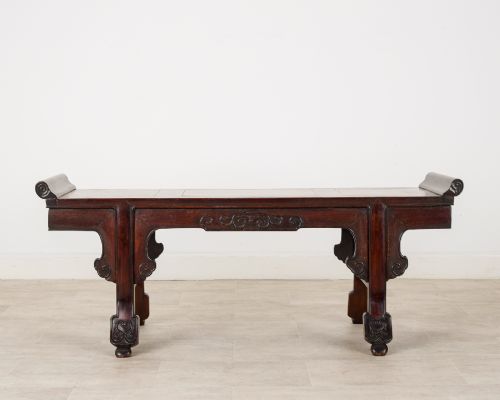
- A low-profile piece traditionally used in Chinese interiors for resting or smoking. These often feature elaborate carved aprons and scroll ends.
- Pig bench
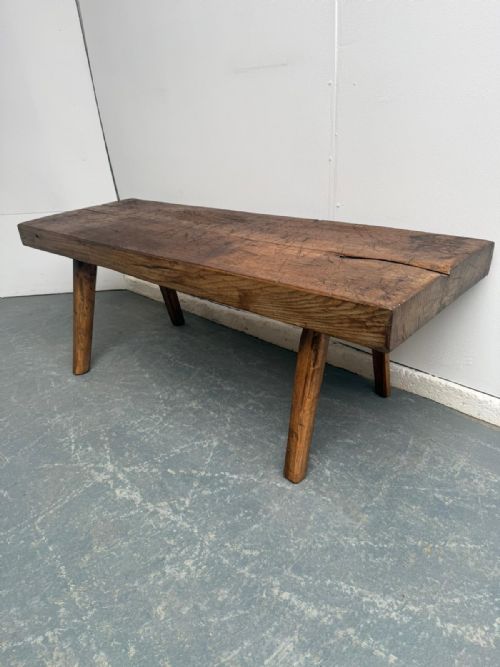
- A narrow, utilitarian European vernacular form, particularly associated with Hungary. These robust items utilise thick oak and hardwood planks.
- Cinnabar lacquer
- A decorative surface treatment applied in multiple layers using the red resin of the lacquer tree. It allows for deep, intricate carving once hardened.
- Kang table
- A low platform or bench originating in China designed for sitting or placing on a heated brick bed. They frequently appear in scroll-end and rectangular formats.
Brown Hardwood Bench: Frequently Asked Questions
How do I use a brown hardwood bench at home?
These pieces function flexibly as low coffee tables, window seats, or traditional hallway seating depending on their original height and form. Lower opium and Kang tables adapt well to modern living spaces as coffee tables.
Larger hall benches and settles provide functional seating in entryways, while ceremonial beds serve as statement display surfaces or daybeds.
Are these benches comfortable for daily sitting?
Comfort depends heavily on the specific regional design and whether the piece originally included cushions or upholstery. Many historical benches feature rigid wooden plank or carved seats intended for upright posture.
Upholstered Syrian and Moorish variants offer softer seating, while unpadded wooden versions work best paired with loose textiles or scatter cushions.
How do I identify Chinese Qing Dynasty benches?
Chinese Qing Dynasty examples typically display characteristic joinery, dense hardwood construction, and specific motifs like dragons or scroll ends. They often manifest as low opium beds, altar seats, or narrow hall benches.
Examining the depth of the hand carving and the ageing of the timber helps confirm the nineteenth-century origins of these pieces.
What is a Hungarian pig bench?
A Hungarian pig bench is a narrow, long vernacular form constructed from oak and hardwood. Originally built for agricultural utility, these benches feature thick plank tops and sturdy legs.
Today, their slim proportions make them popular as coffee tables in contemporary interiors.