
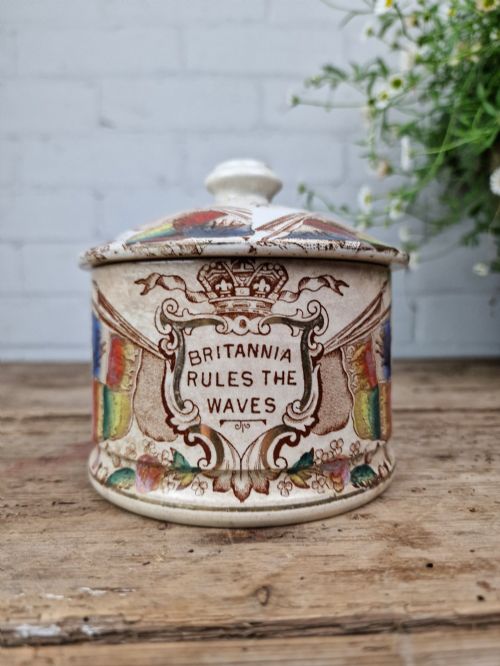


Brown Glazed Pot
A brown glazed pot brings utilitarian warmth to a room, offering tactile earthen surfaces that age with quiet character.
Brown Glazed Pot
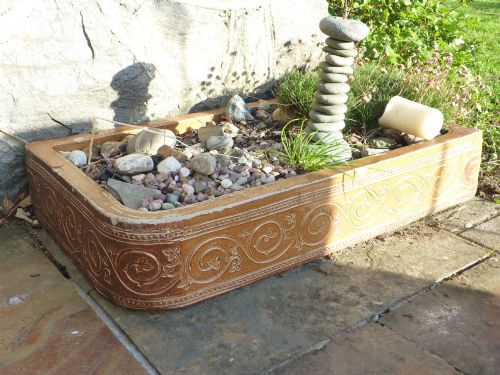
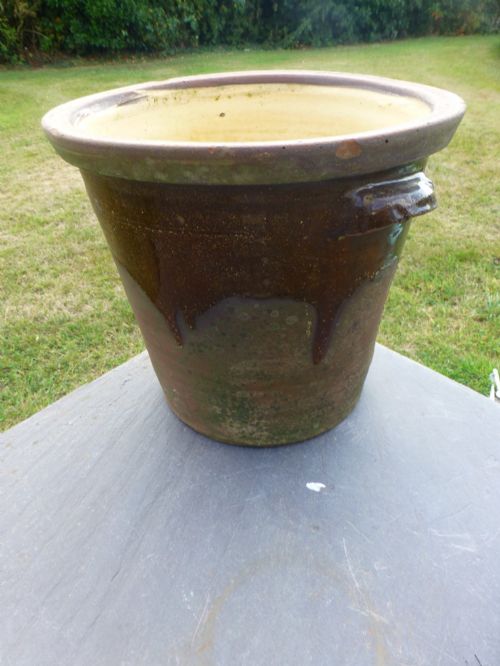
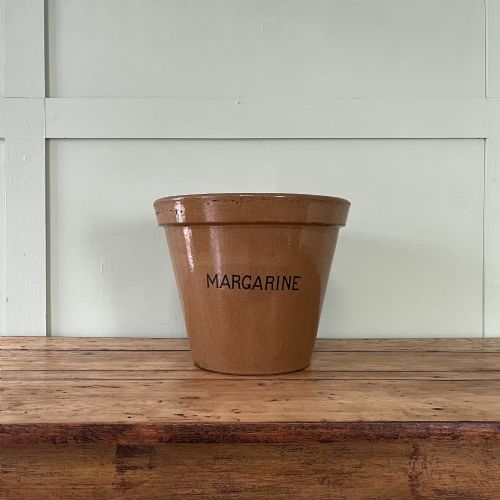
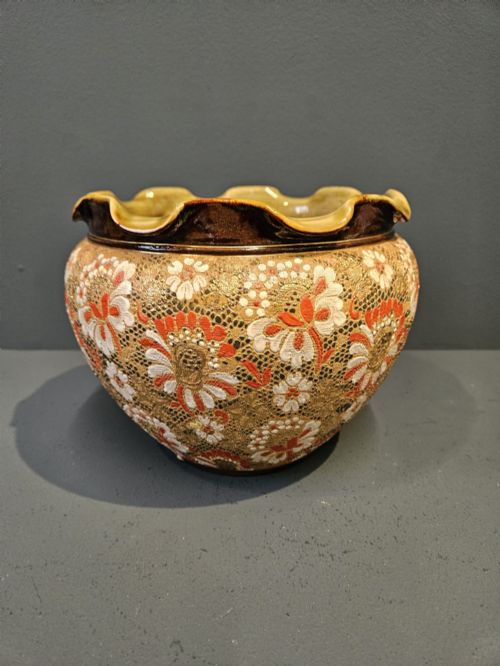
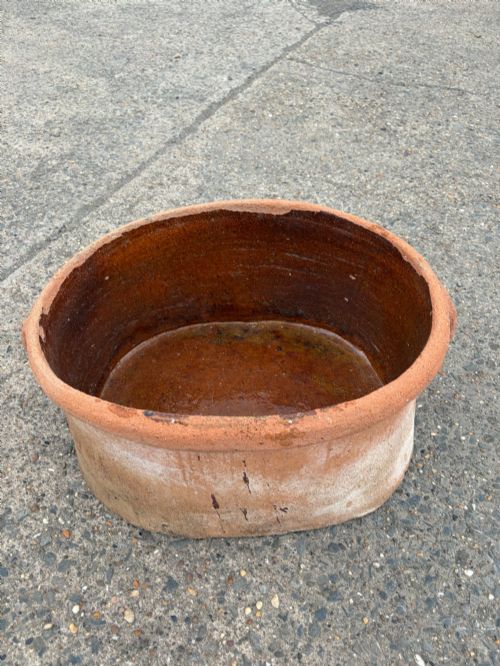
When you search for a brown glazed pot, you encounter practical vessels designed for daily use, pantry storage and garden cultivation across the nineteenth and early twentieth centuries. These utilitarian objects range from dairy salting crocks and margarine bowls to garden planters, jardinieres and teapots.
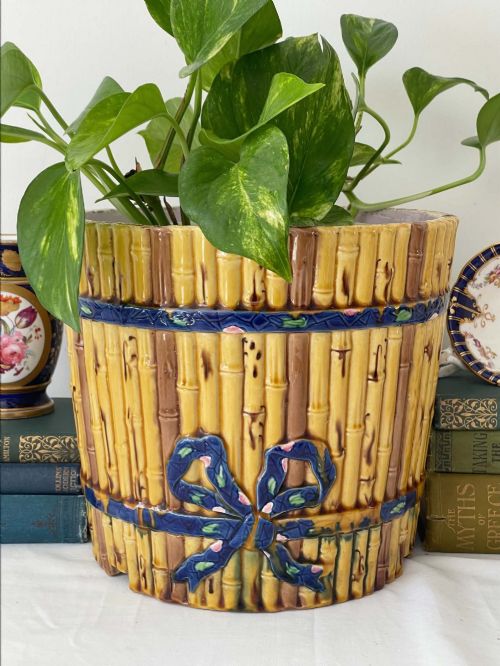
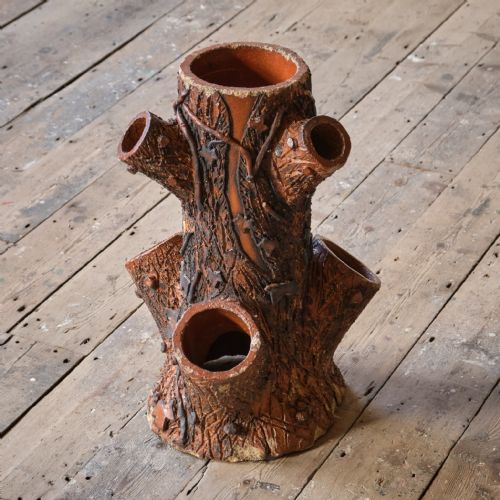
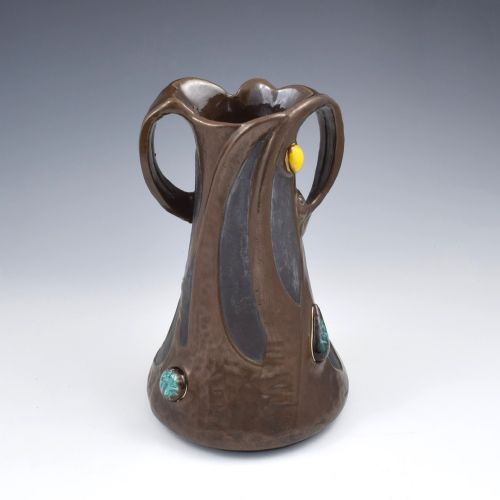
The selections span Victorian, Edwardian and Art Nouveau periods, taking forms such as faux bois strawberry planters, salt-glazed troughs and large cooking dishes. You also discover specialised wares like bargeware teapots and apothecary jars originating from British and French workshops.
Materials and construction
Makers shaped these utilitarian objects from earthenware, terracotta and heavy stoneware, applying rich surface treatments that provided both decoration and impermeability. Salt glazing imparted a distinctive textured skin to stoneware bodies, while other pieces received lustrous lead-based or majolica finishes.
Potters utilised techniques ranging from simple throwing on the wheel to mould-pressing for complex decorative forms such as faux bois naturalism or bamboo motifs. Metal oxides were frequently incorporated into the glazes to achieve the deep brown coloration seen across the wares.
Turtle soup jars remind us that nineteenth-century dining habits involved ingredients far more exotic than a simple afternoon tea.
Assessing quality and execution
Quality reveals itself in the depth of the glaze and the crispness of the modelled detail, particularly on pieces featuring naturalistic foliage or figurative elements. A well-thrown body maintains balanced proportions and stable walls without excessive distortion from the kiln.
The distinction between standard utility vessels and superior studio or factory output lies in the intentionality of the surface finish and the control of the firing process. Marked pieces from established potteries often display greater precision in handling compared to anonymous vernacular items.
Minton Majolica·Doulton Lambeth·Bretby Pottery·Doulton Burslem·Joseph Holdcroft·Linthorpe Pottery
The Brown Glazed Pot Glossary
- Stoneware
- A dense, impermeable ceramic fired at high temperatures until the clay vitrified. It resists moisture naturally and often received a salt glaze.
- Earthenware
- Porous pottery fired at lower temperatures which requires an applied glaze to hold liquids. It forms the body of many traditional kitchen crocks and teapots.
- Faux bois
- An artistic style imitating wood grain, frequently moulded into terracotta garden planters and strawberry pots during the Victorian era.
- Jardiniere
- An ornamental ceramic pot or stand designed to hold a live plant or floral arrangement indoors.
- Salt glaze
- A glassy, slightly textured finish achieved by throwing common salt into the kiln during high-temperature firing.
Brown Glazed Pot: Frequently Asked Questions
How were brown glazed pots used originally?
These vessels served demanding practical roles in nineteenth-century domestic life, from fermenting foods and salting dairy to brewing tea and storing dry goods. Kitchens and larders relied on their durability and chemical resistance for daily provisions.
Over time, many sturdy forms transitioned from purely functional pantry items to decorative jardinieres and garden planters displayed in Victorian and Edwardian homes.
Are these pots safe for modern plants?
Most historic stoneware and terracotta planters accommodate modern house plants perfectly, provided you check for adequate drainage holes. Unglazed interiors allow breathable root conditions, while glazed surfaces retain soil moisture effectively.
Protect delicate indoor surfaces with saucers, as historical earthenware can sometimes allow slow moisture transmission through the clay body.
How do I clean an antique ceramic pot?
Gentle washing with warm water and a soft brush removes accumulated dust and surface grime without harming the historic glaze. Avoid harsh chemical detergents that might penetrate micro-fissures in aged earthenware.
Allow porous terracotta and earthenware to dry completely after washing to prevent trapping moisture within the historic clay matrix.
How can I tell Victorian pieces apart?
Victorian pieces frequently display distinct regional characteristics, ranging from North Devon terracotta to industrial salt-glazed stoneware from major potteries. Stylistic clues include naturalistic leaf moulding, faux bois textures and rich brown slip applications.
Maker marks, registration numbers and impressed stamps provide definitive dating evidence when present on the base of the vessel.