


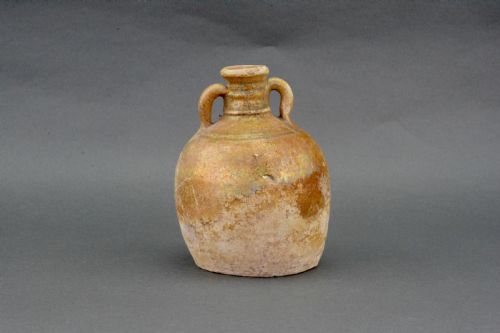


Brown Glazed Jar
A brown glazed jar is a utilitarian vessel valued for its deep, lustrous finish and robust historical character.
Brown Glazed Jar
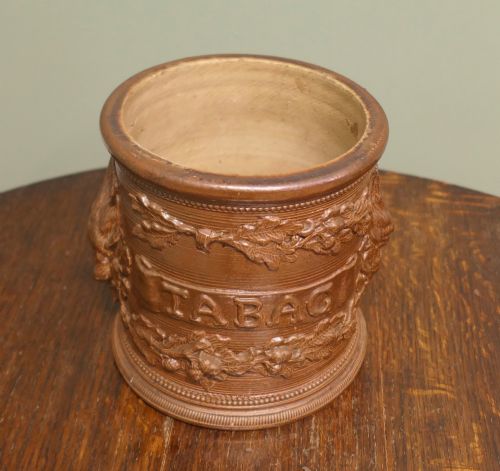
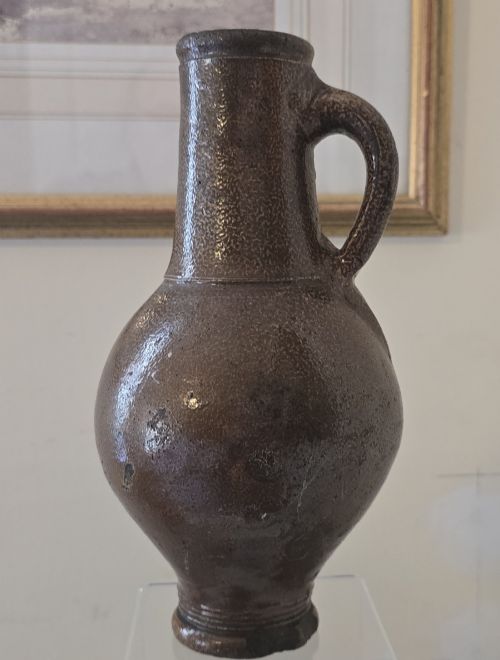
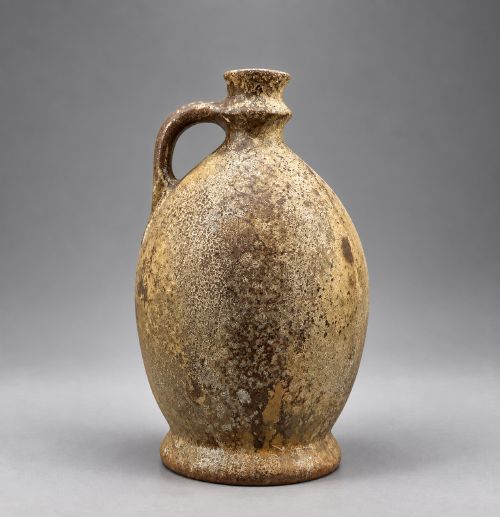
When searching for a brown glazed jar, buyers encounter sturdy functional containers and utilitarian vessels spanning multiple centuries. These domestic objects include storage jars, vinegar barrels, flagons, and flagons produced for daily pantry or trade use.
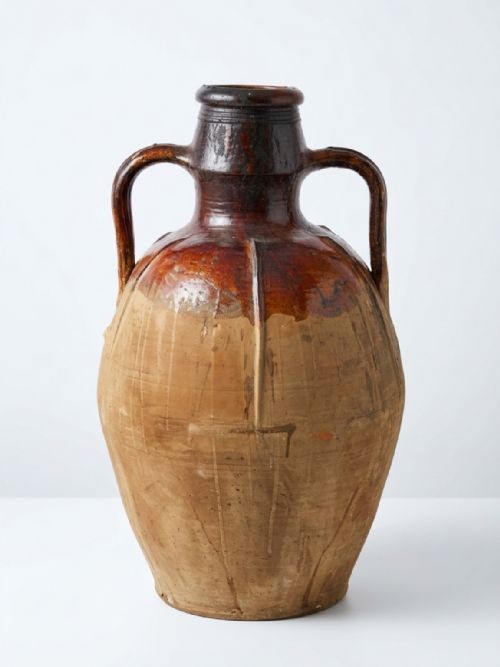
The versions most commonly met on this page range from Victorian salt-glazed stoneware bottles to rustic 19th-century terracotta wine jars and earthenware vessels. They reflect practical British and continental European domestic utility rather than delicate parlour display.
Originating across regional potteries and rural workshops, these pieces often bear the marks of daily provisions, from tavern turtle soup containers to apothecary jars. Each brown glazed jar carries a distinct footprint of historical kitchen and cellar management.
How they were made
Potters shaped these vessels from heavy local clays, utilising durable stoneware, earthenware, and terracotta bodies designed to withstand constant usage. The robust construction ensured liquids and dry goods remained secure within the thick walls.
Surfaces received rich salt glazes or liquid earthenware coatings, which fused during high-temperature firing to create impermeable, glossy finishes. This chemical interaction produced the characteristic rich brown colouration seen across the surviving pieces.
Brown Glazed Jar Retail Price Guide 2026
Typical asking prices for brown glazed jar among the pieces listed under this phrase on Sellingantiques today, from the lower quarter to the upper quarter. They describe what is for sale here now, not the wider market.
Turtle soup once travelled in style inside sturdy tavern jars.
What varies in quality
The upper tier of these vessels displays superior throwing symmetry, even glaze distribution, and crisp historical markings left by the potter. Subtle variations in surface texture and depth of the brown tone distinguish finer examples from standard utilitarian ware.
Proportion and structural integrity separate exceptional specimens from routine pantry items. Pieces retaining original surface patination and unblemished rims command greater appreciation among collectors of historic ceramics.
John Dwight Fulham Pottery·C & A Painter·Doulton
The Brown Glazed Jar Glossary
- Stoneware
- A dense, vitreous ceramic fired at high temperatures until non-porous. It provides the heavy, durable body typical of many historic storage vessels.
- Salt glaze
- A glassy, pitted texture created by throwing common salt into the kiln during high-temperature firing. This traditional technique produces a distinctive orange-peel finish on stoneware bodies.
- Terracotta
- A porous, unglazed or glazed red earthenware fired at moderate temperatures. It appears frequently in Mediterranean and continental wine storage vessels.
- Flagon
- A large vessel with a handle and narrow neck used for holding liquids. These utilitarian pieces often served in domestic and tavern settings.
- Apothecary jar
- A specialised container designed for storing medical ingredients and dry drugs. They reflect the institutional and medicinal storage traditions of past centuries.
Brown Glazed Jar: Frequently Asked Questions
What were brown glazed jars used for?
These vessels primarily served practical storage functions in domestic kitchens, taverns, and apothecary shops. They held liquids such as vinegar, wine, and turtle soup, or dry provisions requiring protection from moisture.
Over time, their robust ceramic construction made them reliable containers for everyday pantry management before modern packaging replaced them.
How do I date a brown glazed jar?
Dating relies on examining the clay body, the consistency of the salt or earthenware glaze, and any applied maker stamps or inscriptions. Stoneware techniques and potting styles shifted perceptibly between the seventeenth and nineteenth centuries.
Comparing the rim profile, base formation, and historical context helps narrow the production era alongside documented pottery characteristics.
Are these jars waterproof?
Stoneware and salt-glazed examples are generally vitrified and hold liquids securely without weeping moisture through the walls. Earthenware and terracotta versions may remain slightly porous unless thoroughly glazed on the interior.
Testing with water should be approached with caution on older pieces that feature historic hairline fractures or dry clay bodies.
How should I display a historic jar?
Placing these pieces on sturdy wooden surfaces or low shelves highlights their heavy proportions and tactile brown glazes. They complement rustic interiors, country kitchens, and traditional dining spaces effectively.
Keeping them away from direct heat sources prevents thermal stress on the historic clay and glaze layers.