

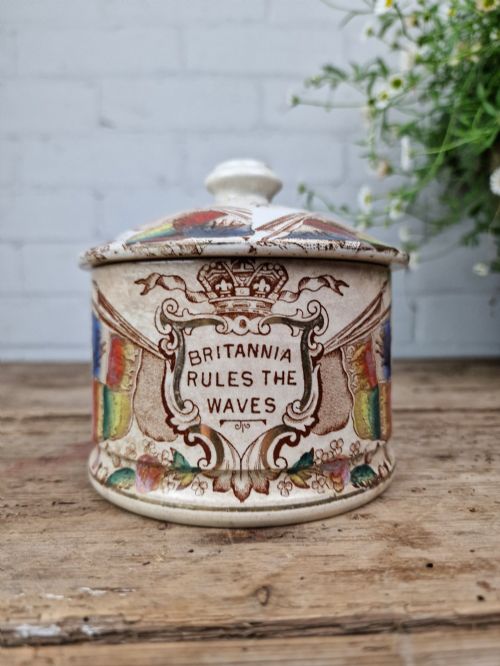


Brown Glazed Earthenware Pot
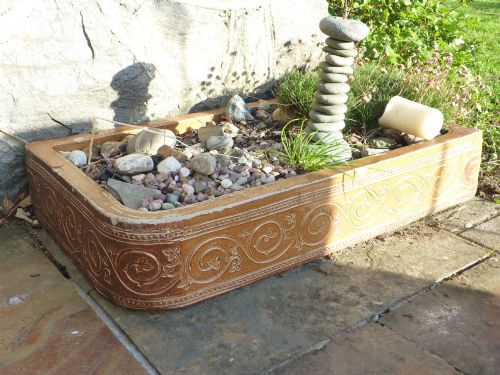
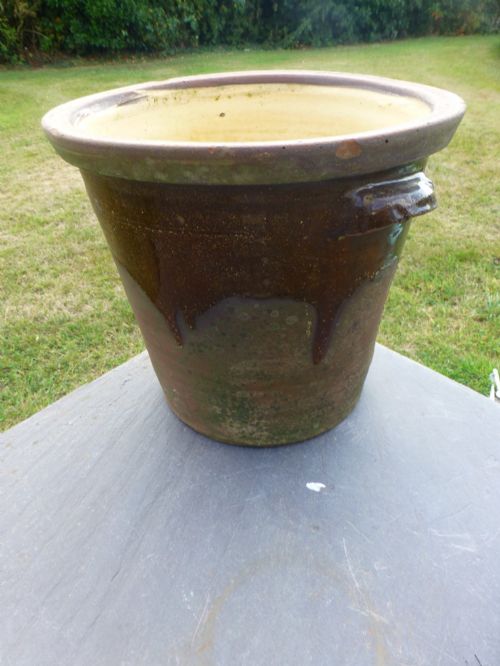
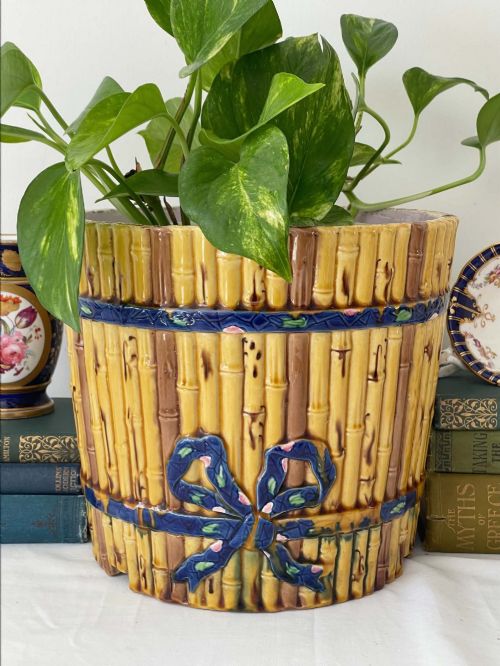
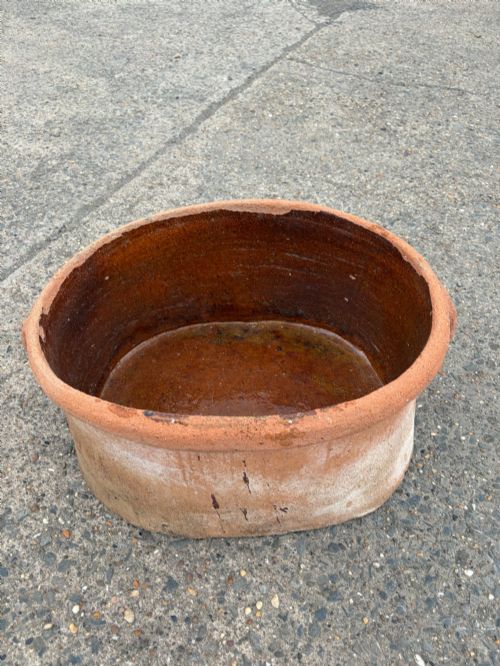
These brown glazed earthenware pot examples range from rustic vernacular kitchenalia to decorative majolica planters.
Brown Glazed Earthenware Pot
A brown glazed earthenware pot serves practical domestic functions or provides decorative display within Victorian and Edwardian interiors. Buyers find functional kitchenalia alongside ornamental jardinieres and garden planters.
The pieces on this page span the nineteenth and early twentieth centuries, encompassing Victorian folk art and rustic vernacular styles. Forms include teapots, salting crocks, cooking dishes, and window planter troughs.
How they were made
Potters shape earthenware, terracotta, and stoneware bodies on the wheel or press them into moulds. Clay preparation determines the density and weight of the finished vessel.
Glazes applied to the surface create impervious protective layers and rich brown colouration. Salt glazing and lead-based glazes provide the characteristic lustrous sheen seen across these wares.
Brown Glazed Earthenware Pot Retail Price Guide 2026
Typical asking prices for brown glazed earthenware pot among the pieces listed under this phrase on Sellingantiques today, from the lower quarter to the upper quarter. They describe what is for sale here now, not the wider market.
One bargeware teapot carries enough applied clay flowers to start a botanical garden on your mantelpiece.
What varies in quality
Modelling precision separates standard utility vessels from artistic studio pottery and factory productions. Sharp relief decoration and balanced proportions indicate higher workshop standards.
Glaze application depth and evenness alter the visual impact of the brown surface. Consistent firing temperatures prevent surface blemishes and structural warping.
Guichard Carriés·Minton·Doulton Burslem·Doulton Lambeth·Joseph Holdcroft·Linthorpe Pottery
The Brown Glazed Earthenware Pot Glossary
- Earthenware
- Porous pottery fired at lower temperatures, requiring a glaze to hold liquids. This body forms the base of many utilitarian kitchen vessels.
- Majolica
- Coloured lead glazes applied over an opaque tin-rich or direct clay body, popular for Victorian decorative wares. It produces vibrant relief patterns.
- Jardiniere
- An ornamental ceramic pot designed to hold a live potted plant. These containers sit on interior tables or floor stands.
- Kitchenalia
- Utilitarian objects originally used in food preparation and domestic storage. Collectors prize these items for their honest function and age.
- Terracotta
- Unglazed or clear-glazed fired clay of a brownish-red hue. It appears frequently in garden planters and agricultural crocks.
Brown Glazed Earthenware Pot: Frequently Asked Questions
How do I clean an old pot?
Wash the ceramic gently with warm water and a soft cloth to protect the historic glaze. Avoid harsh scrubbing brushes that might scratch the earthenware surface.
Dry the vessel thoroughly after cleaning to prevent moisture absorption through any unglazed areas on the base.
Can I use these planters outdoors?
Most earthenware and terracotta pots absorb water and remain vulnerable to frost cracking during freezing winter weather. Protect nineteenth-century pieces by moving them indoors when temperatures drop.
Unglazed terracotta requires particular care during cold snaps to avoid surface flaking and structural splitting.
What is bargeware pottery?
Bargeware refers to traditional folk pottery decorated with applied clay sprigs and modelled flowers, historically made for canal boat families. These large teapots feature distinctive decorative motifs.
They represent a specific strand of nineteenth-century vernacular craft produced in canal-adjacent potteries.
How do I date a brown pot?
Examine the base for factory stamps, impressed registration marks, or handwritten dates left by the potter. The presence of crazing in the glaze also offers clues to age.
Compare the potting technique and decorative style with known nineteenth-century production standards to narrow the manufacturing decade.