






Victorian Terracotta Vessel
These robust victorian terracotta vessel pieces offer practical utility and enduring garden charm, bringing authentic nineteenth-century craftsmanship directly to your patio or interior.
Victorian Terracotta Vessel
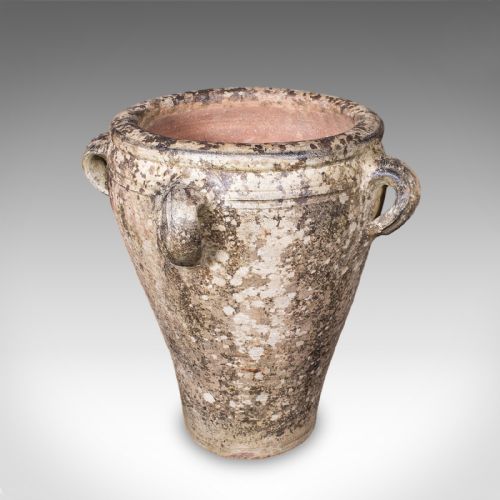
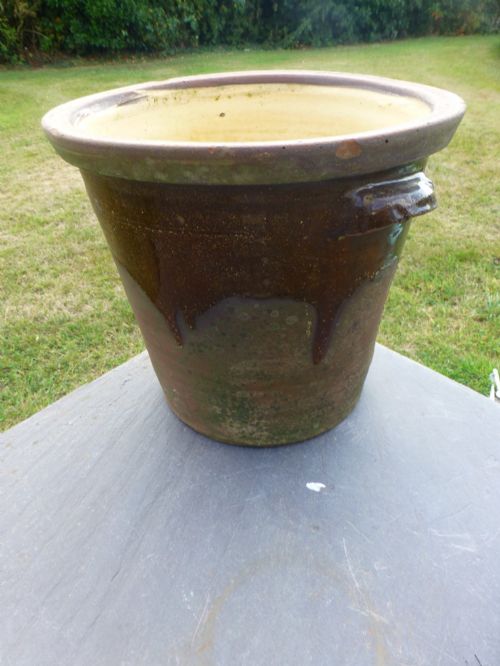
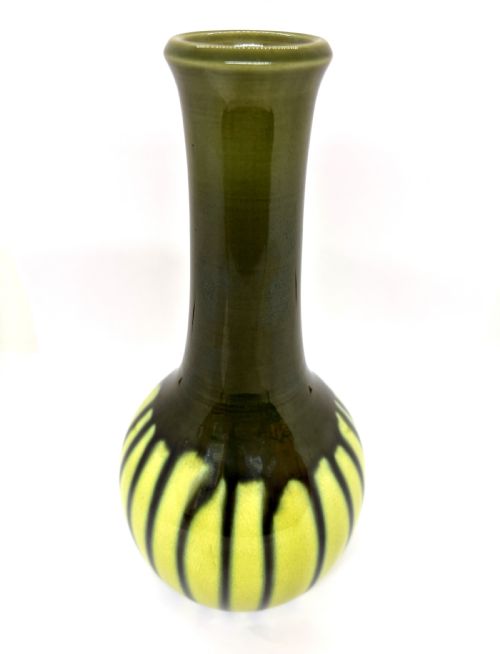
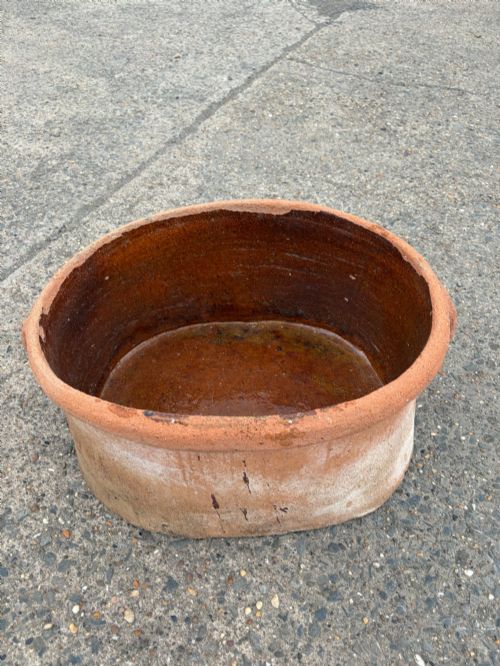
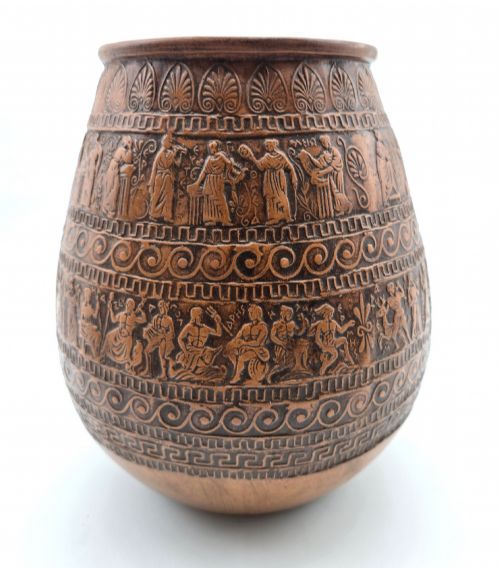
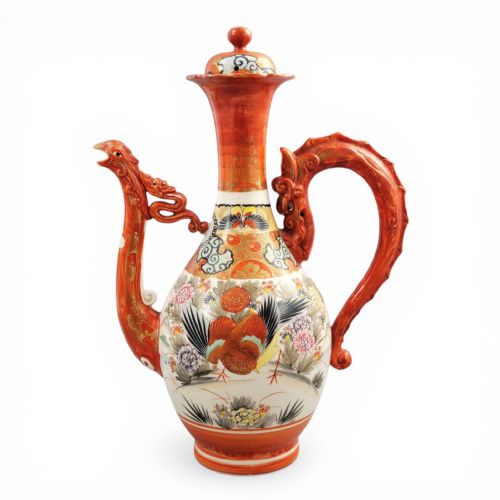
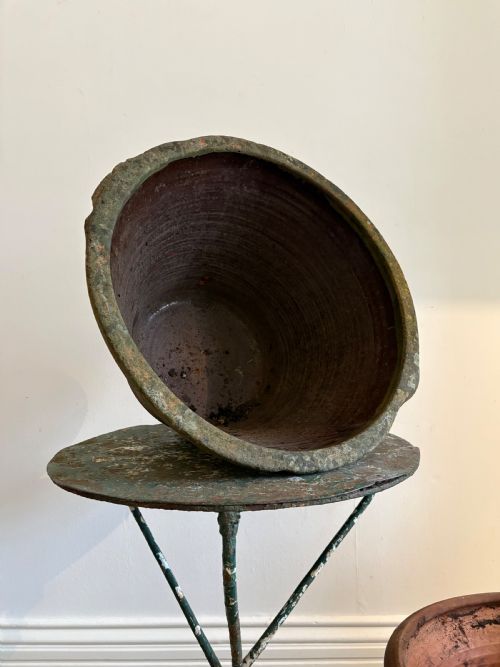
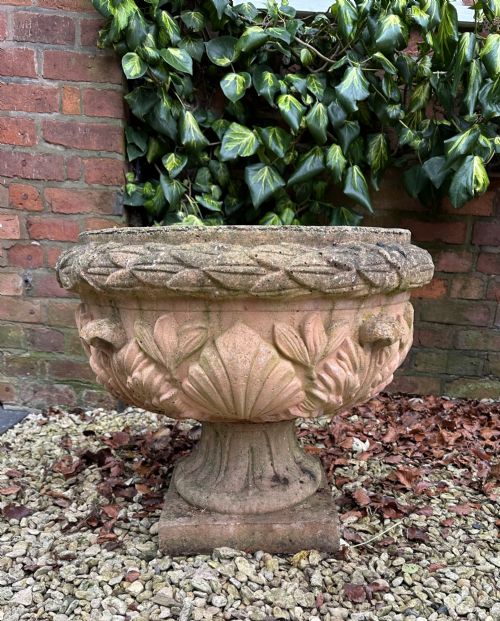
When you search for a victorian terracotta vessel, you encounter a robust range of utilitarian and ornamental earthenwares designed for gardens, dairies, and grand interiors alike. The selection leans heavily towards practical forms such as large dairy bowls, salting crocks, and substantial garden planters alongside classical decorative urns.
Most pieces date from the nineteenth century, reflecting both utilitarian agricultural use and the Victorian taste for classical revival and rustic vernacular styles. You will frequently find massive dairy bowls with glazed interiors, garden planter bases suited for orangeries, and amphora-shaped vessels from regional potteries.
The objects bridge the gap between rustic country utility and decorative display. Whether utilised for planting on a patio or displayed as a classical focal point, these earthenware forms carry the weight of authentic nineteenth-century domestic and garden history.
Assessing quality and character
Quality in a victorian terracotta vessel rests upon the crispness of the form, the integrity of the clay body, and the intended purpose of the object. Substantial scale and well-proportioned classical lines distinguish exhibition-grade garden ornaments and Grand Tour pieces from everyday utilitarian dairy equipment.
The presence and condition of interior glaze, the uniformity of the terracotta firing, and the survival of surface character through decades of use separate standard utility items from finer decorative survivals. Maker attribution, where present, adds historical weight to the vessel's construction.
Victorian Terracotta Vessel Retail Price Guide 2026
Typical asking prices for victorian terracotta vessel among the pieces listed under this phrase on Sellingantiques today, from the lower quarter to the upper quarter. They describe what is for sale here now, not the wider market.
Object forms span practical dairy bowls and salting crocks to decorative ewers, amphoras, and large orangery planter bases.
Burmantoft's Pottery·Royal Dux
The Victorian Terracotta Vessel Glossary
- Terracotta
- A porous, fired red earthenware clay used extensively for pots, planters, and decorative vessels. It weathers distinctively over time when exposed to the elements.
- Dairy Bowl
- A wide, shallow utilitarian earthenware vessel traditionally used in nineteenth-century dairies for setting milk and separating cream. These often feature a glazed interior surface for hygiene.
- Amphora
- A classical two-handled vessel with a narrow neck, originating in ancient Greece and revived during the nineteenth century for decorative garden and interior display.
- Salting Crock
- A heavy earthenware container utilised in domestic food preservation and curing. These vessels possess thick walls designed to withstand constant kitchen or dairy use.
- Grand Tour
- A nineteenth-century cultural tradition where travellers collected classical antiquities and reproduction artefacts, such as terracotta vases, from continental Europe.
Victorian Terracotta Vessel: Frequently Asked Questions
How were these terracotta vessels originally used?
Many of these pieces served practical agricultural and domestic functions, such as setting milk in dairies or preserving foodstuffs in heavy salting crocks. Others were created specifically as large garden planters and ornamental urns for nineteenth-century orangeries and patios.
Over time, utility items migrated from working dairies to decorative garden settings. Their thick earthenware walls and functional forms made them ideal for withstanding outdoor environments while supporting heavy plantings.
Are these terracotta vessels frost resistant?
Nineteenth-century terracotta varies in porosity and firing temperature, which directly affects how well individual pieces handle freezing winter conditions. Dense earthenware and glazed vessels generally resist moisture penetration better than highly porous unglazed clay.
It is sensible to protect older unglazed garden vessels during severe winter frosts to prevent cracking. Placing pot feet underneath planters ensures proper drainage and reduces the risk of water retention.
How do I clean an antique terracotta planter?
Gentle brushing with a soft bristle brush and warm water removes loose dirt and organic buildup without damaging the historic clay surface. Avoid harsh chemical cleaners or pressure washers, which strip away the natural patina and erode the softer earthenware.
Allowing the vessel to air dry naturally preserves the historical weathering. A gentle approach ensures the surface character accumulated over a century remains intact.
How can I tell a nineteenth-century piece from a modern replica?
Authentic nineteenth-century pieces display natural surface wear, uneven kiln marks, and mineral deposits consistent with decades of use in gardens or dairies. The weight, thickness, and composition of the clay reflect historical manufacturing techniques rather than modern slip-casting.
Examining the interior glaze and base reveals the hand of the potter or regional workshop. Genuine age shows in the subtle irregularities of the form and the depth of the patina.