
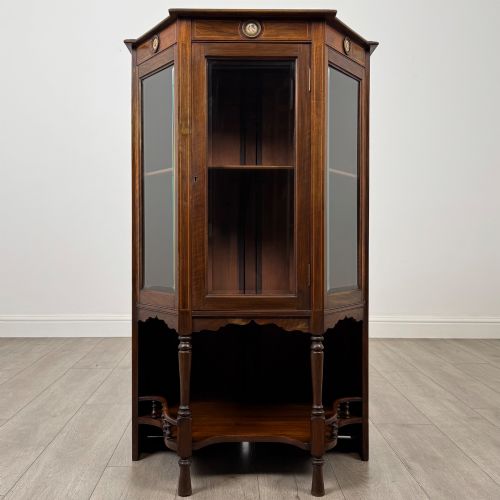
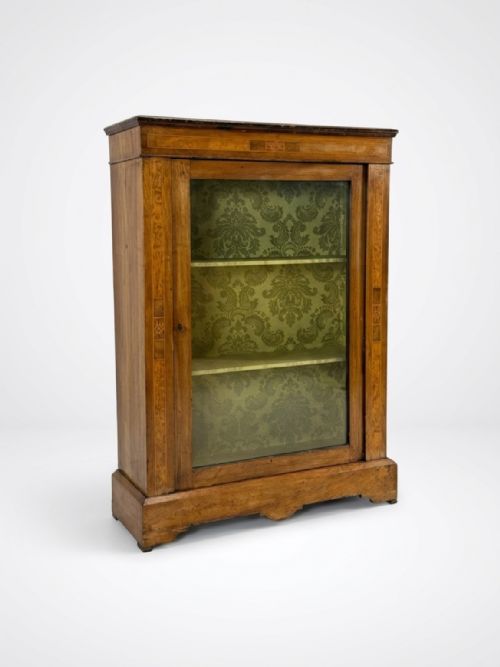
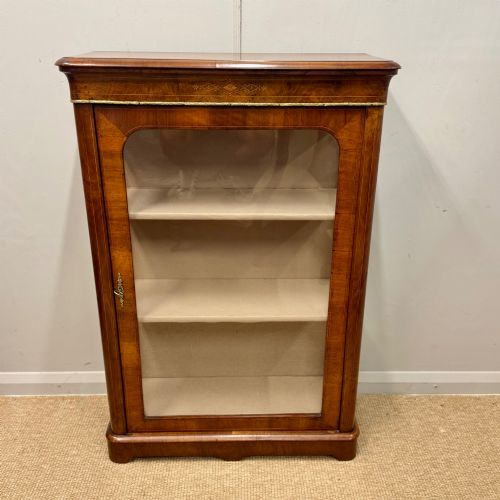
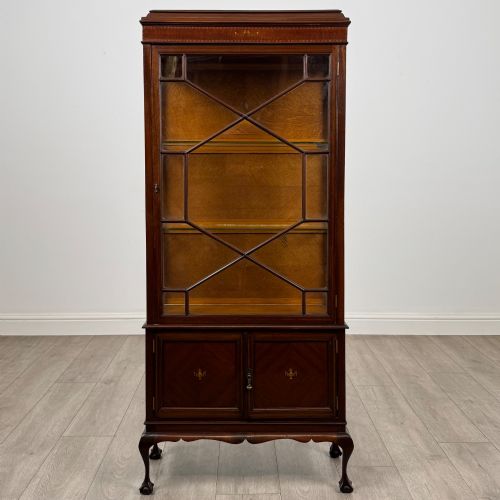
Brown Glass Display Case
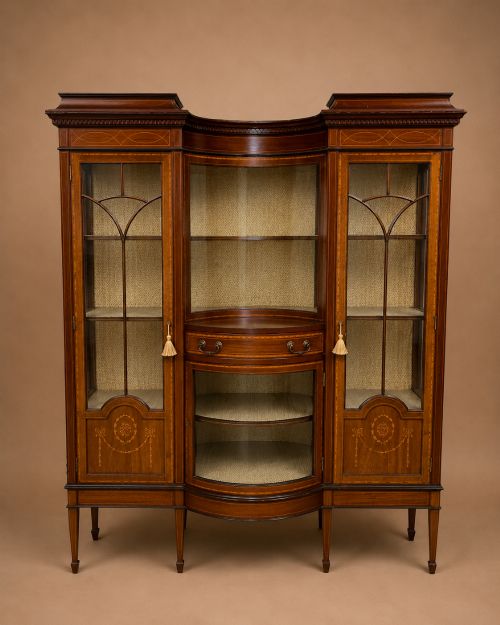
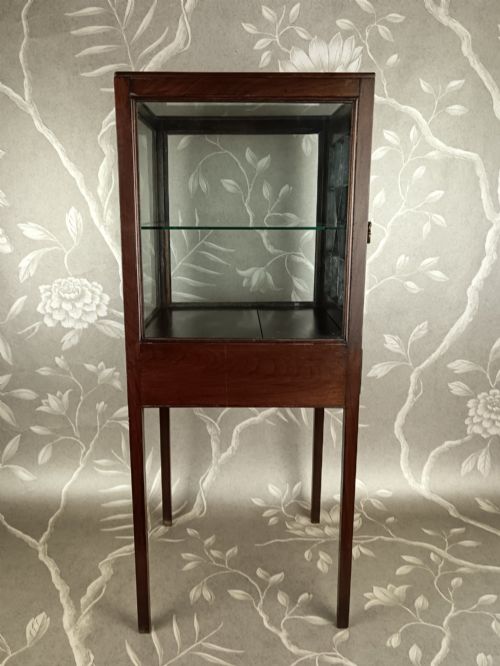
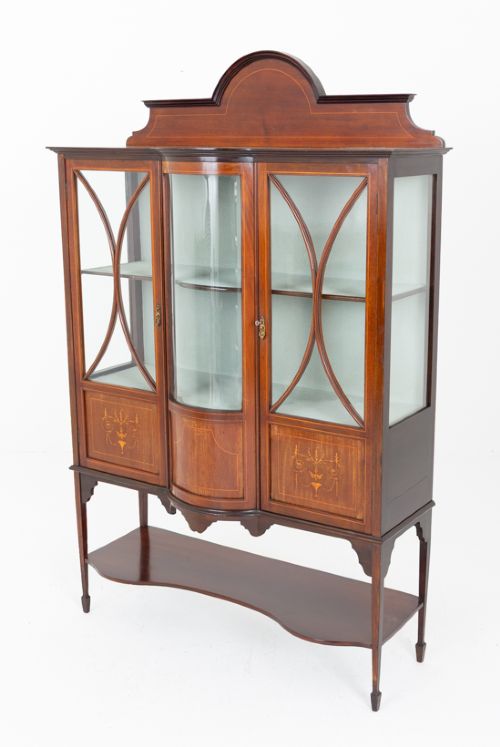
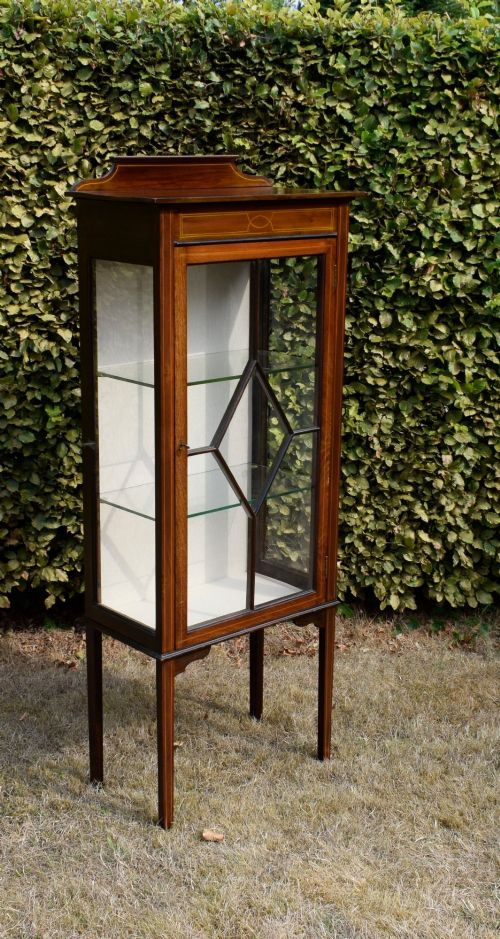
A brown glass display case brings together timber and transparency, housing everything from porcelain to taxidermy behind protective panes.
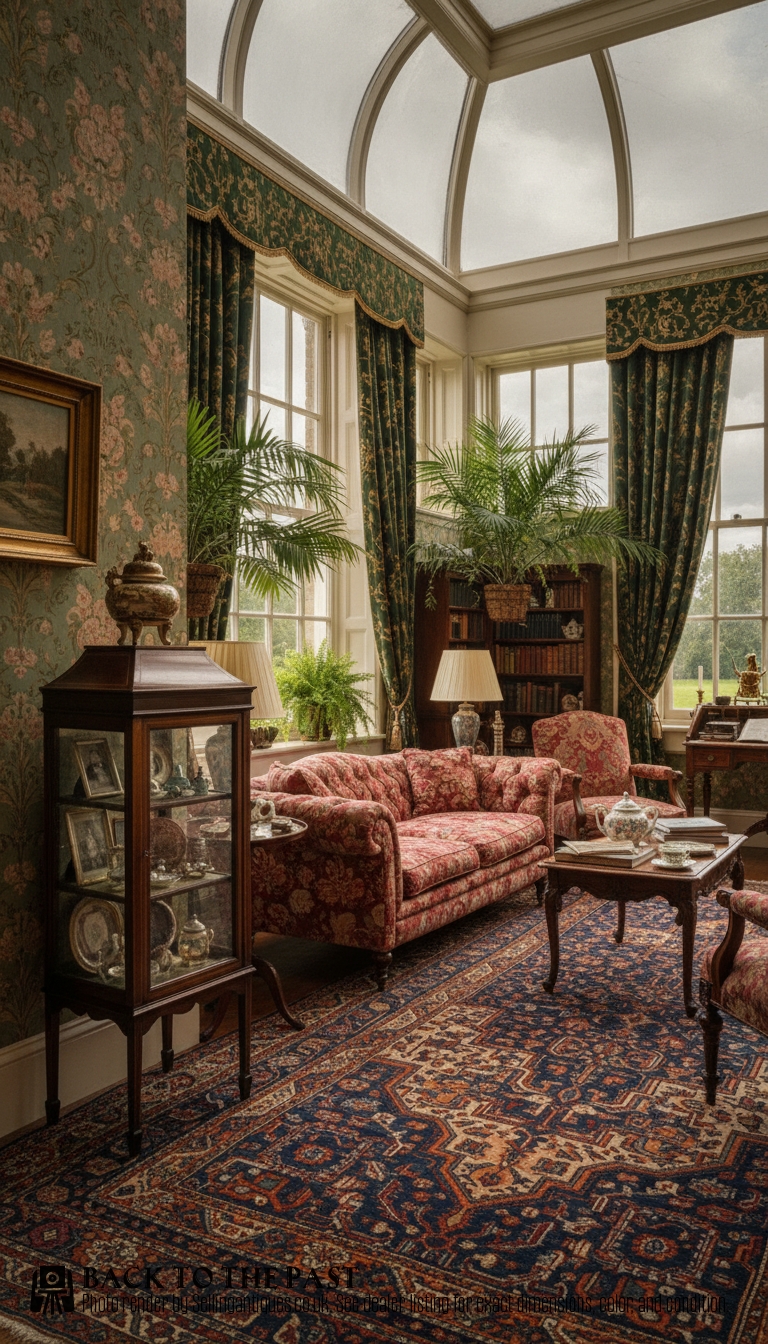
Brown Glass Display Case
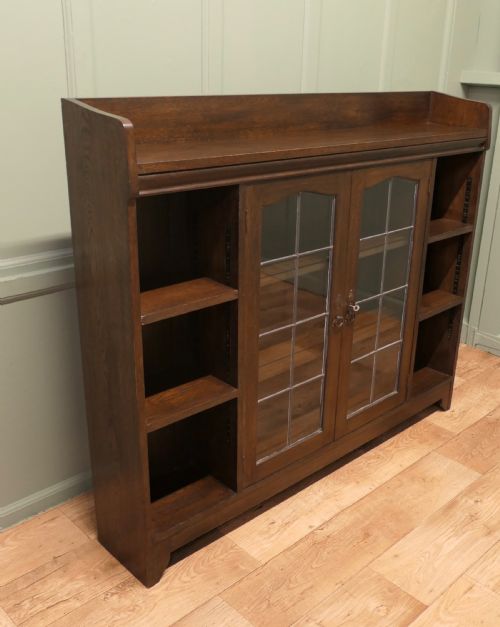
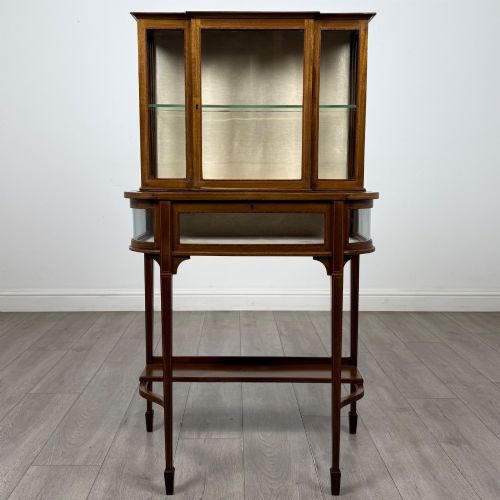
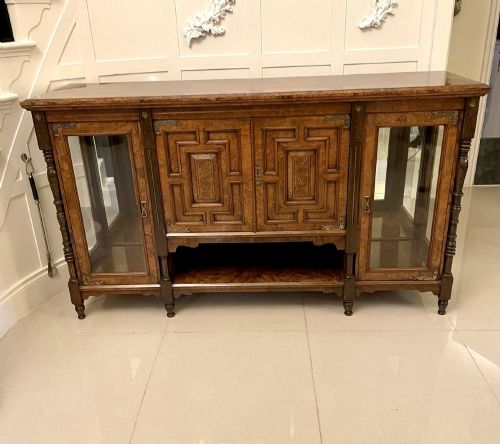
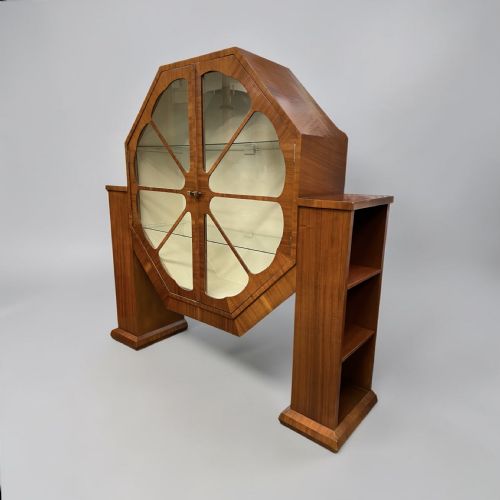
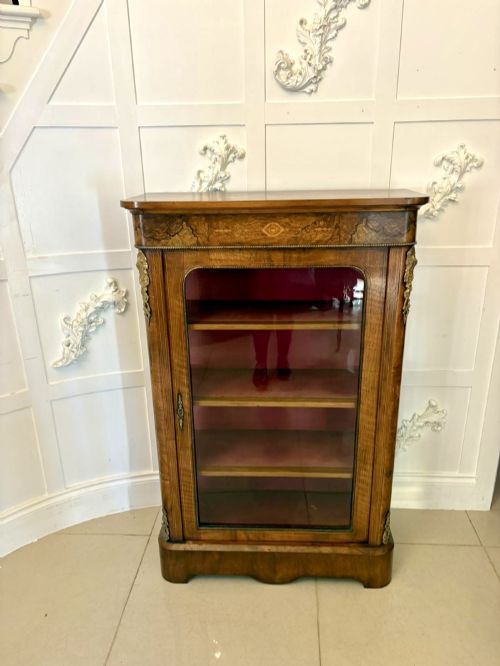
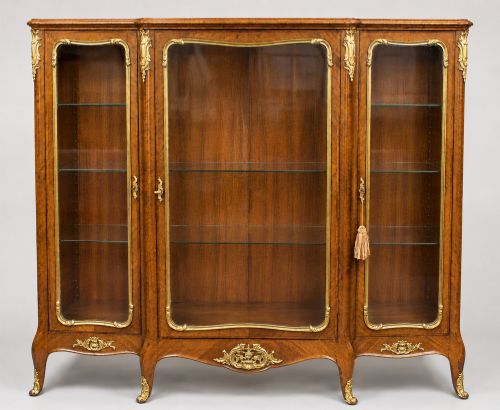
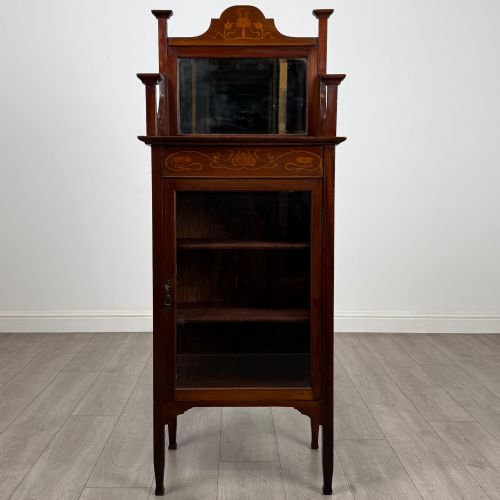
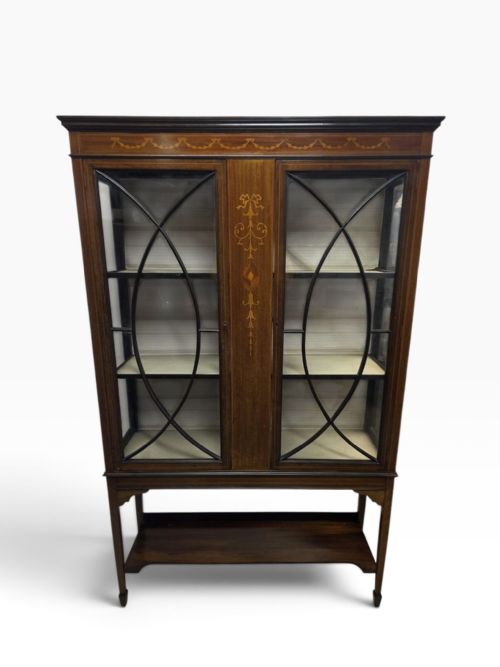
A brown glass display case search leads you through centuries of cabinet making, encompassing formal vitrines, pier cabinets, and bookcases designed to exhibit prized possessions. The pieces you meet most often on this page date from the Victorian and Edwardian eras, alongside select examples from the Art Deco period and the nineteenth century.
Makers fashioned these structures in diverse forms, including serpentine display cabinets, compact bijouterie tables, and tall credenzas with glass doors. Oak, mahogany, and walnut dominate the selection, frequently paired with inlaid details or gilt metal mounts that reflect the prevailing style of each decade.
Materials and Construction
Craftsmen built the structural frames using hardwoods such as mahogany, oak, walnut, and kingwood, occasionally applying burr walnut or satinwood veneers for decorative contrast. Glazing formed the essential viewing panels, held within wooden rebates or secured alongside brass and ormolu mounts.
Joinery techniques combined traditional framing with fine inlay work, marquetry, and hand-polished finishes. Ormolu decorations and gilt metal mounts embellished many French and English vitrines, while specialist taxidermy cases required sealed wooden boxes with glazed fronts to protect naturalistic dioramas.
Listings feature woods including mahogany, oak, walnut, burr walnut, kingwood, and satinwood alongside brass, ormolu, and glass.
Assessing Quality
Quality rests upon the selection of timbers, the crispness of any inlaid marquetry, and the precision of the joinery in the door frames and cornices. Finer cabinets employ substantial hardwoods and feature well-figured veneers like burr walnut or kingwood rather than plain secondary woods.
Rowland Ward Ltd·T. E. Gunn·François Linke
The Brown Glass Display Case Glossary
- Vitrine
- A glass-fronted cabinet designed specifically for displaying fine porcelain, curiosities, or decorative objects. These pieces often feature glazed sides to maximise light penetration.
- Pier Cabinet
- A low, upright cabinet intended to fit into the wall space between windows. Victorian examples in walnut frequently incorporate inlaid details and glass doors.
- Bijouterie Table
- A glazed display table with a glass top and upper section, created to hold small valuables, jewellery, and delicate ornaments. They rest on slender legs and often date from the Edwardian period.
- Ormolu
- Gilt bronze ornamentation applied to furniture, popular in French-influenced cabinet making during the nineteenth century. It adds metallic contrast to wood surfaces like kingwood.
- Marquetry
- The art of applying pieces of veneer to a structure to form decorative patterns and pictures. Dutch and English makers utilised this technique on cabinet doors.
Brown Glass Display Case: Frequently Asked Questions
What periods do these cases cover?
The pieces span from the eighteenth century through the Victorian and Edwardian eras, extending into 1930s interwar designs.
Victorian and Edwardian examples appear most frequently, showing styles from early revival work to Art Deco forms.
How were these cabinets originally used?
Owners utilised them in reception rooms and drawing rooms to exhibit ceramics, books, and collections of natural history.
Taxidermy examples served to preserve and display birds and animals in naturalistic settings behind protective glass.
How do I identify an Edwardian display case?
Edwardian pieces often feature lighter woods like mahogany with delicate inlaid stringing, satinwood banding, and painted serpentine fronts.
They tend to show cleaner lines influenced by Sheraton revivals compared to heavier Victorian walnut furniture.
What is the difference between a vitrine and a pier cabinet?
A vitrine is typically a glazed display cabinet with glass on multiple sides to let light reach the objects within.
A pier cabinet is designed specifically to stand against a narrow wall space between architectural openings, usually featuring a single glazed door.