

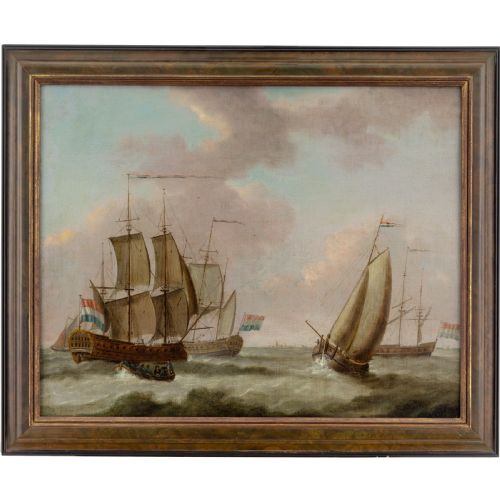
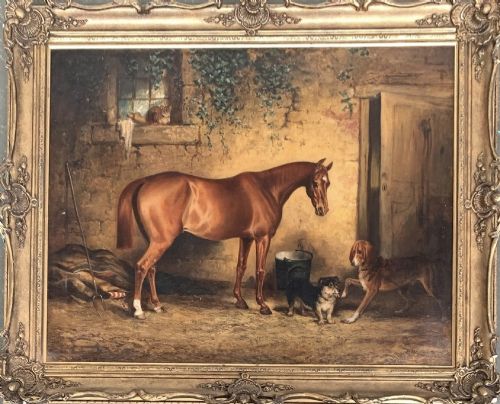

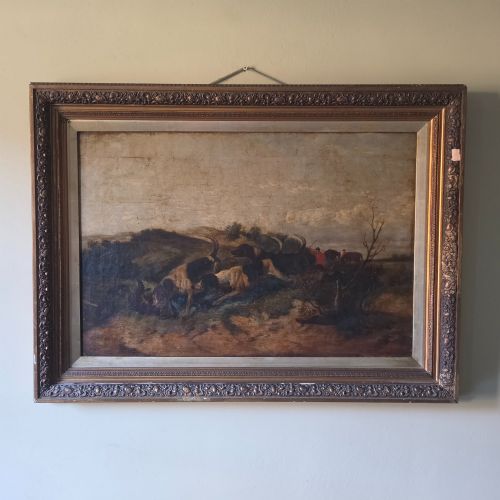
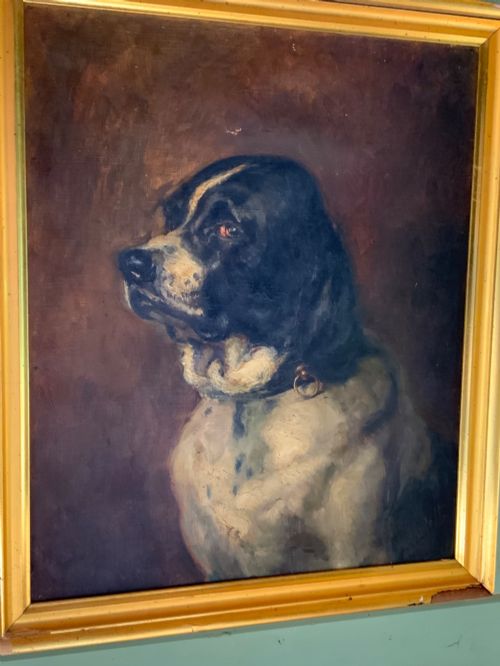


Brown Gilt Frame Painting
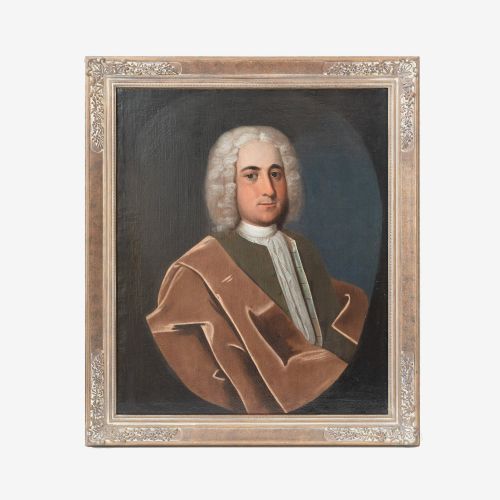
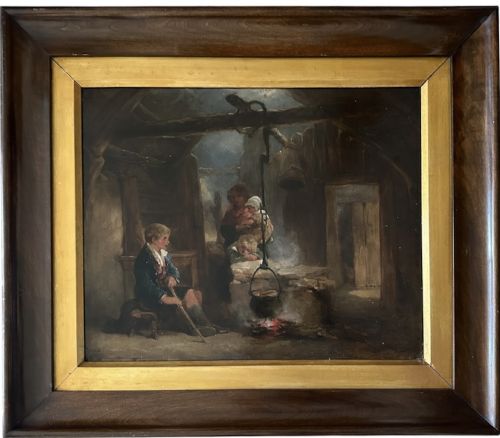
A brown gilt frame painting brings the rich warmth of polished wood and gold leaf directly into a room, framing historical portraits and landscapes.
Brown Gilt Frame Painting
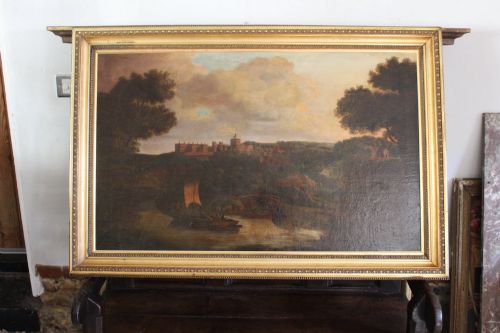
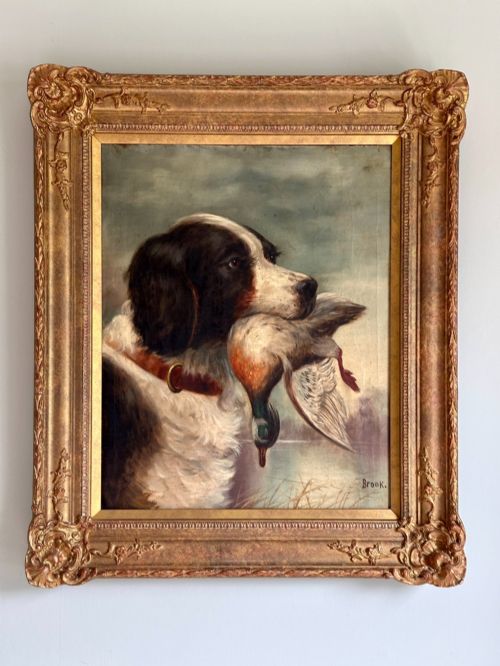
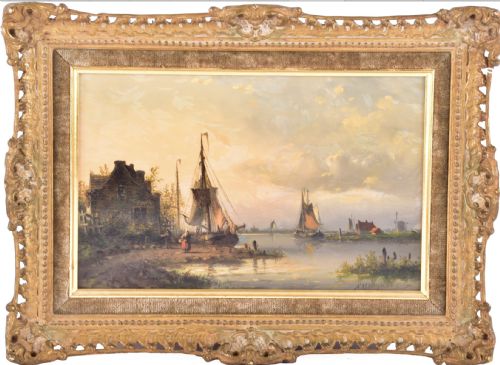
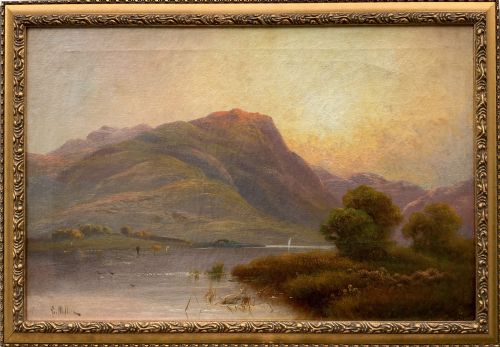
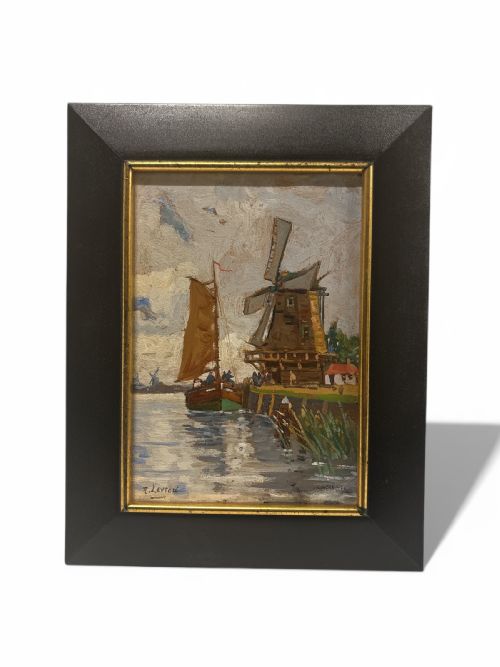
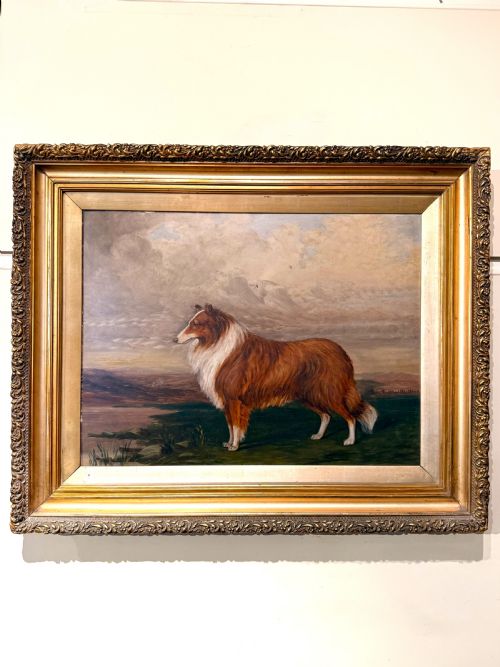
When you search for a brown gilt frame painting, you encounter centuries of canvas and board works housed in wooden surrounds finished with gold leaf or metallic paint. These pieces span from seventeenth-century portraits to twentieth-century sporting scenes, capturing human likenesses, marine views, and pastoral landscapes.
The most common examples on this page date from the nineteenth century, reflecting Victorian and Edwardian tastes for oil on canvas. Portraits of gentlemen, equine studies, and dramatic coastal views dominate the selection, usually set within deep wooden mouldings touched with gilding.
Makers range from identified British and continental artists to anonymous regional schools working within established traditions. The framing often matches the era of the artwork, combining dark timber tones with gilded highlights to draw the eye toward the painted surface.
How they were made
The physical objects rely on woven canvas or wooden boards prepared with gesso grounds to receive oil paint or occasionally watercolour. Artists applied pigments using brushes and palette knives, building up layers of tone and texture that define the subjects.
The associated frames are constructed from dense timbers such as pine or hardwood, shaped with carved mouldings or applied compo ornamentation. Guilders then applied thin sheets of gold leaf or metallic gilt over a prepared bole layer to create the characteristic warm metallic sheen.
The selection includes works spanning from the seventeenth century through to the Edwardian era, rendered primarily in oil paint on canvas or wood boards.
What varies in quality
Quality rests upon the handling of anatomy, light, and perspective within the painted composition, distinguishing accomplished studio output from more formulaic workshop production. The depth of the oil pigments and the subtlety of the tonal transitions reveal the painter's underlying skill.
The integrity of the wooden frame and the preservation of its original gilt surface significantly influence the overall character. Frames that retain their original gilding without heavy modern overpainting provide a more authentic historical harmony with the artwork inside.
William Beattie-Brown·Felix Stone Moscheles·Jeremiah Davison·John Scougall·Albert Clark·Howard Helmick·Henry Barraud
The Brown Gilt Frame Painting Glossary
- Giltwood
- Wood that has been coated with thin sheets of gold leaf. This technique creates a durable metallic finish that catches ambient room light.
- Oil on Canvas
- Pigments bound in a drying oil medium applied to a stretched woven fabric support. This combination allows for rich blending and deep colour saturation.
- Regency
- A style period dating from the early nineteenth century known for refined classical restraint in both art and decorative framing. Pieces from this era often feature elegant, slender proportions.
- Dutch School
- A collective term for seventeenth-century painters from the Netherlands renowned for realistic portraiture, genre scenes, and landscapes. Their work heavily influenced later European compositions.
Brown Gilt Frame Painting: Frequently Asked Questions
How do I date my painting?
Examine the construction of the canvas stretcher, the type of nails or fixings used, and the style of the wooden frame. Canvas types and preparation grounds shifted noticeably across the seventeenth, eighteenth, and nineteenth centuries.
Compare the clothing, hair styling, and subject matter with known historical portraits from similar periods. Signatures or inscriptions on the reverse often point toward specific artists or framing workshops.
How should I hang a heavy framed artwork?
Secure your fixings directly into wall studs or utilise heavy-duty wall anchors rated for the combined weight of the canvas and timber frame. Heavy frames exert considerable downward pull on standard picture wire.
Position the centre of the canvas at standard eye level to achieve optimal viewing balance within the room. Ensure the wall bracket supports both sides of the hanging cord evenly.
Can I clean the gilt frame safely?
Dust the carved wooden mouldings gently using a soft, dry artist brush or a clean microfiber cloth. Avoid applying water or chemical solvents directly onto the gilded surfaces.
Moisture can lift fragile gold leaf or discolour the underlying bole preparation. Consult a professional conservator if the gilding shows flaking or heavy accumulation of grime.
What lighting suits oil paintings best?
Position the piece away from direct, harsh sunlight to prevent the oil pigments and canvas fibres from degrading over time. Diffused ambient light or dedicated picture lights work effectively.
Use low-heat LED bulbs in picture fixtures to avoid drying out the aged wooden frame or the painted surface. Proper illumination highlights the subtle brushwork and the texture of the gilt border.