





Brown Framed Tapestry
These brown framed tapestry pieces bring centuries of needlework and textile art into a room, offering tactile warmth and historic narrative.
Brown Framed Tapestry
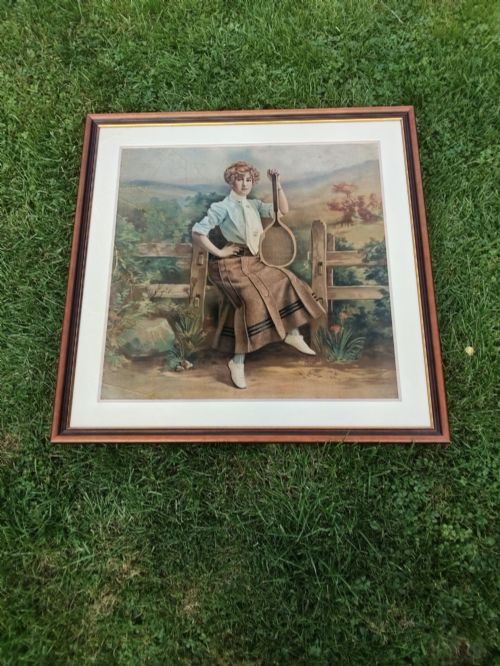
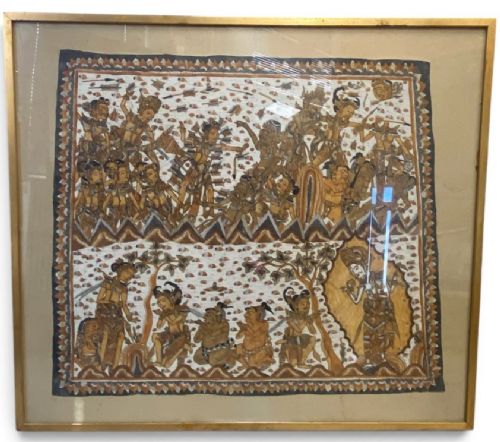
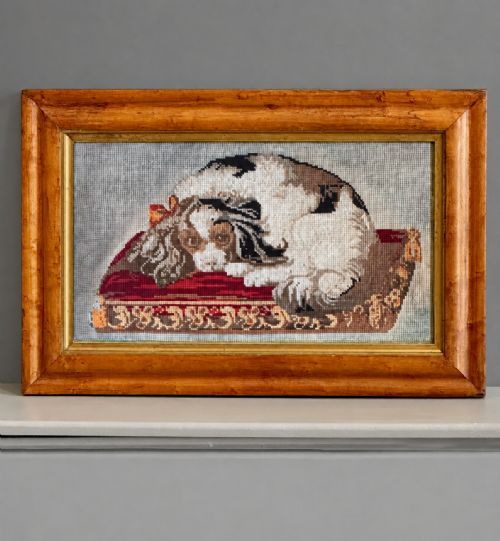
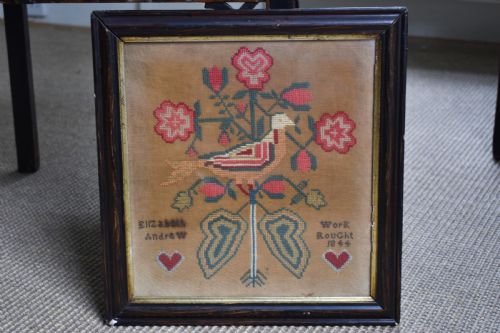
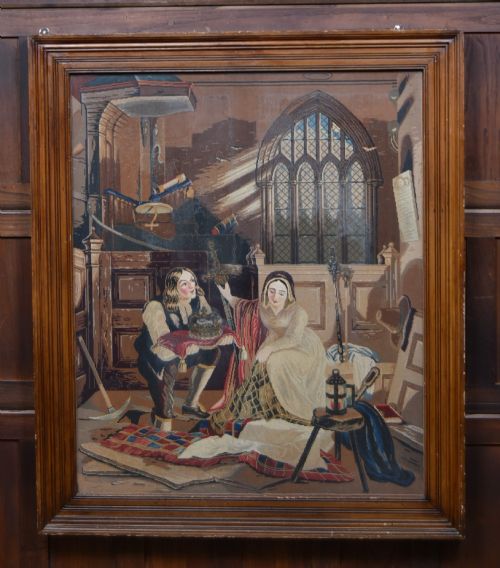
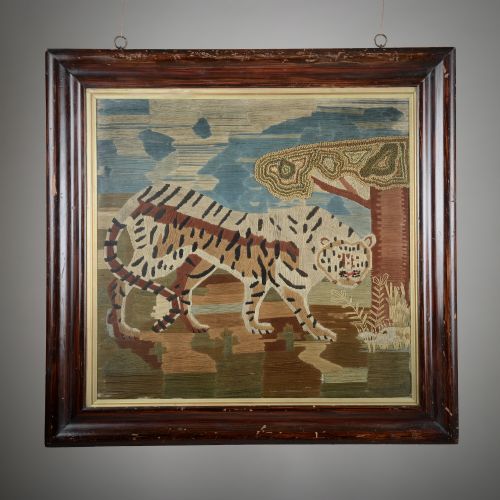
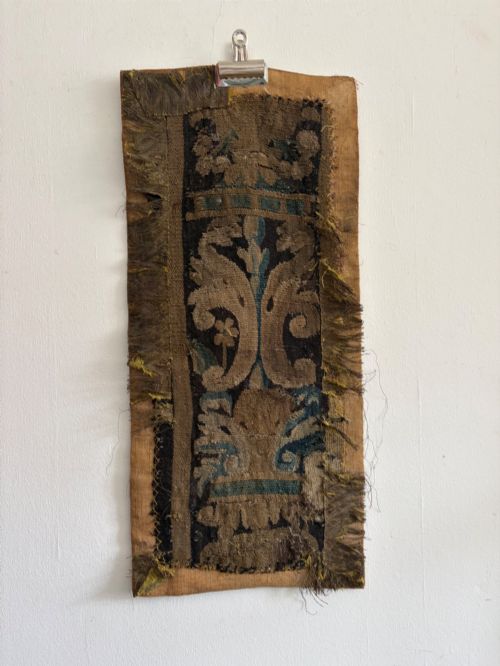
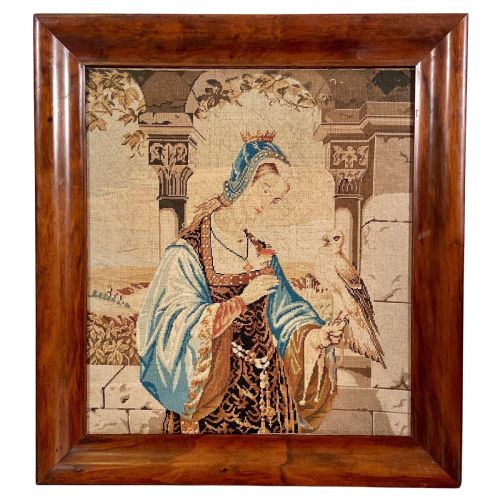
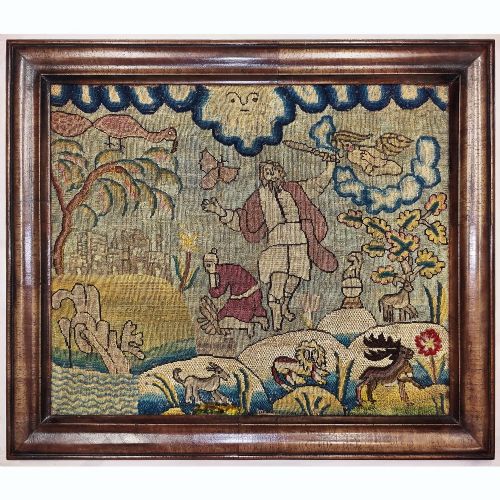
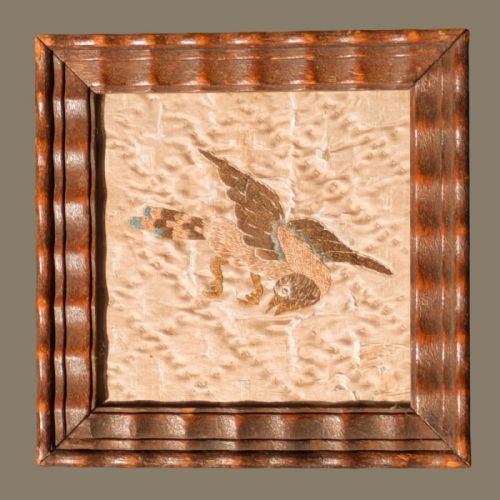
A brown framed tapestry brings together historical needlework, wool work, samplers, and textile fragments secured within wooden frames of mahogany, walnut, rosewood, or burr maple. When searching for brown framed tapestry, a buyer encounters everything from seventeenth-century verdure fragments and eighteenth-century cushion covers to nineteenth-century Berlin work, Victorian wool pictures, and Edwardian framed needlework. These works span domestic samplers, classical portraits, animal studies like King Charles spaniels and tigers, and architectural wall hangings.
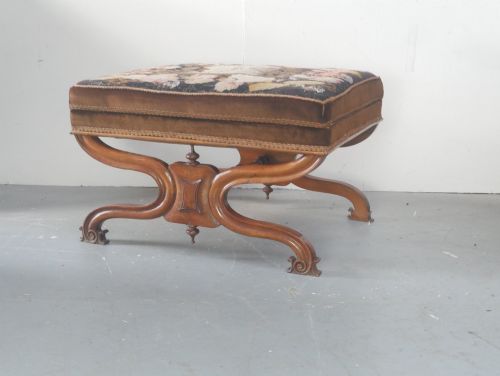
The assortment on this page draws heavily from nineteenth-century and Victorian pieces, alongside earlier seventeenth and eighteenth-century examples mounted for display. Frames range from simple mahogany and walnut mouldings to elaborate burr maple or rosewood surrounds, often glazed to protect the textiles beneath. Alongside traditional wall art and framed textiles, the selection extends to upholstered stools, armchairs, and firescreens where the textile forms an integral part of the seating or furnishing.
Materials and construction
The textile elements rely upon natural fibres such as wool, silk, linen, canvas, and cotton, worked in techniques ranging from coarse gros point and fine petit point to delicate embroidery and needlework. Artisans stitched wool and silk yarns onto linen or canvas backings, creating dense pictorial surfaces or intricate geometric samplers that record dates, makers, and schools.
The surrounding woodwork utilises traditional cabinet timbers including mahogany, walnut, rosewood, and maple, shaped into architectural mouldings, frames, and structural supports for stools and chairs. Glazing protects delicate needlework and silk threads from atmospheric dust and handling, while linen backings provide structural stability for fragile or fragmented historical textile pieces.
Listings feature textiles spanning from the seventeenth century through to the Edwardian era, incorporating wool, silk, mahogany, and walnut.
Assessing quality and execution
Quality rests upon the fineness of the needlework and the fidelity of the pictorial composition, where tight petit point execution and subtle colour shading separate masterworks from simpler domestic samplers. The ambition of the design - whether an intricate portrait, a detailed animal study, or a structured verdure landscape - dictates the skill required of the maker.
The integrity and originality of the mounting frame matter immensely, with burr maple, rosewood, and figured mahogany surrounds adding substantial distinction to the textile they enclose. Preservation of the original fibres, minimal restoration to the wool and silk, and the retention of historic glazing or backing materials preserve the historical authenticity of the piece.
The Brown Framed Tapestry Glossary
- Berlin work
- A popular mid-nineteenth-century style of needlework using brightly coloured wools stitched onto canvas by following a printed and squared grid pattern.
- Petit point
- A very fine needlework technique executed on single-thread canvas using tent stitch, allowing for high detail and smooth tonal gradations in portraits and pictorial scenes.
- Verdure tapestry
- A type of woven or needleworked textile depicting a stylized forest, foliage, or landscape, frequently produced in northern Europe during the seventeenth and eighteenth centuries.
- Sampler
- A piece of needlework produced by a beginner or schoolgirl to demonstrate mastery of various stitches, alphabets, and motifs, often bearing a signature and date.
- Toile de Jouy
- A traditional cotton or linen textile featuring printed pastoral or historical vignettes, usually in a single monochrome colour on an off-white background.
Brown Framed Tapestry: Frequently Asked Questions
How should I hang a framed textile?
Keep framed textiles and needlework out of direct sunlight to prevent the natural wool, silk, and linen fibres from fading or becoming brittle over time.
Ensure the hanging wall remains free from dampness, and use secure picture hooks suited to the weight of the timber frame.
What is the difference between gros point and petit point?
Gros point utilises a coarser canvas and thicker yarn, producing a sturdier texture that works well for large areas and durable furnishings like stools.
Petit point employs a much finer mesh and delicate stitches, allowing artisans to achieve intricate facial expressions and detailed pictorial shading.
How do I date an antique sampler?
Many samplers include embroidered names, ages, locations, and exact calendar dates worked directly into the canvas by the original maker.
When inscriptions are absent, stylistic clues such as alphabet fonts, border motifs, framing materials, and the type of linen backing help narrow the period.
Can I use an antique needlework stool?
Footstools and window stools featuring original tapestry or needlework upholstery can handle gentle daily use if approached with care.
For pieces with fragile silk threads or heavily worn nineteenth-century wool work, placing them primarily as decorative interior accents protects the delicate textile.