


Brown Framed Portrait
A brown framed portrait centres the gaze upon historical sitters, animals and classical subjects held within timber boundaries.
Brown Framed Portrait
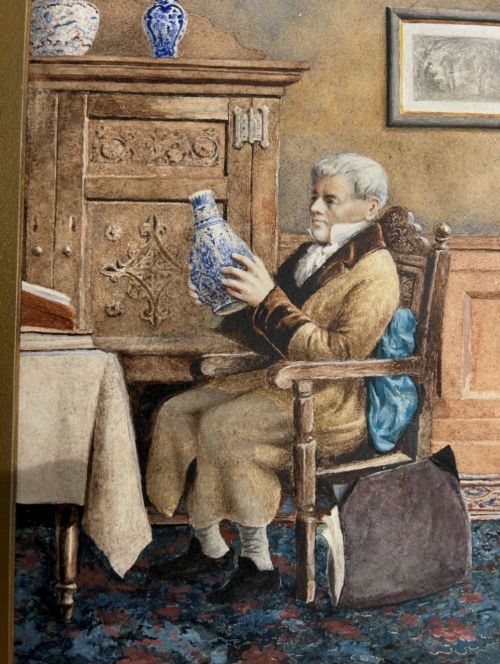
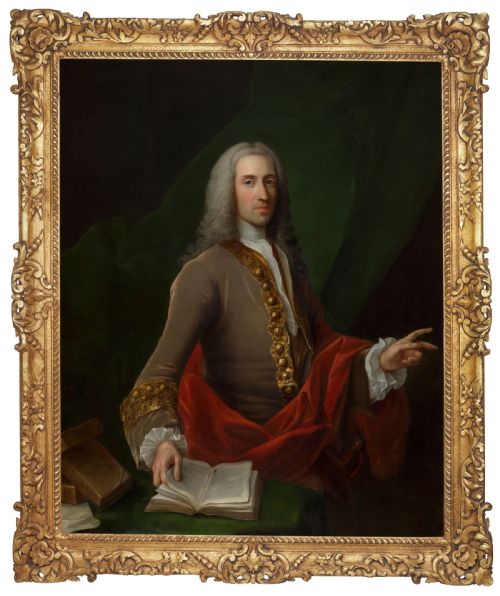
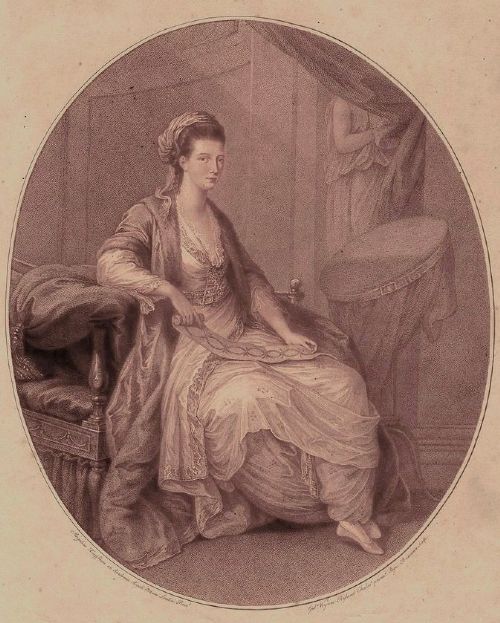
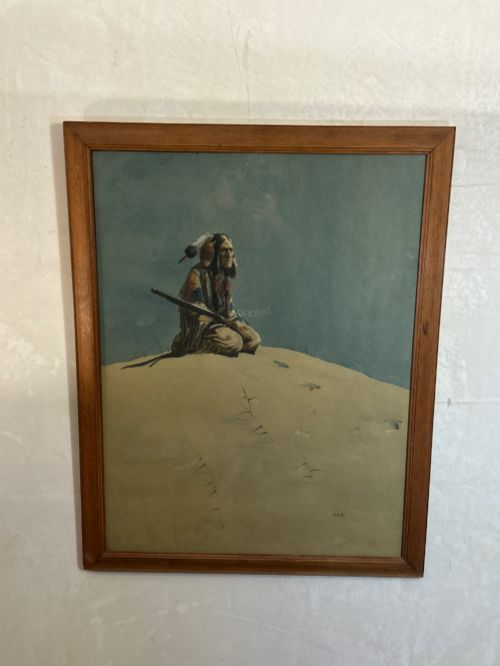
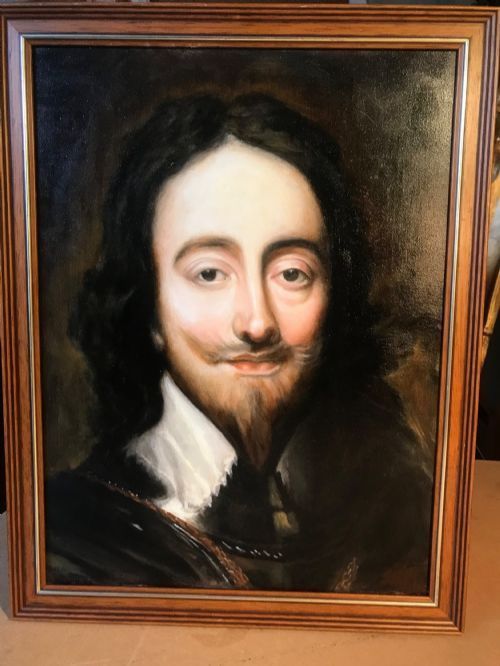
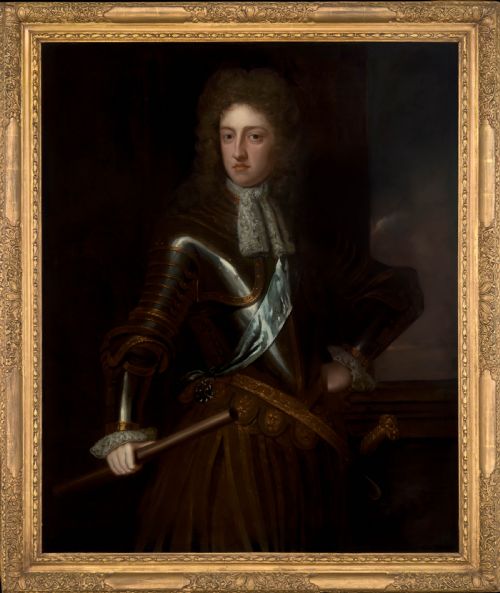
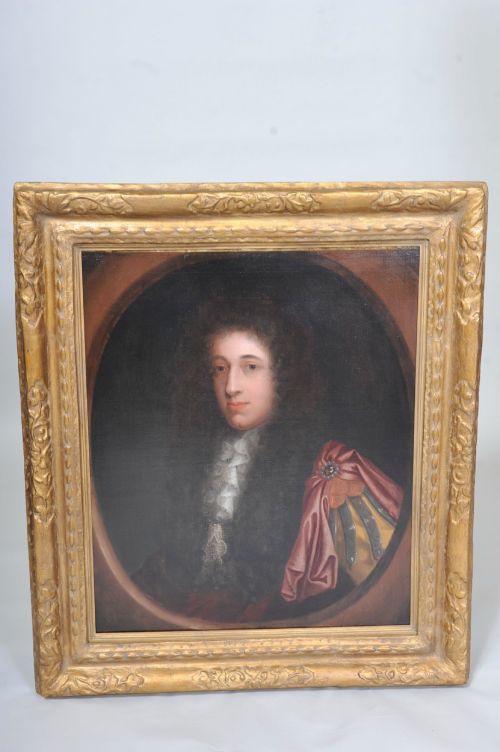
A brown framed portrait encompasses oil paintings, watercolours, pastels and engravings depicting notable individuals, animals and literary subjects. These works span from the seventeenth century through the Victorian era and into the early twentieth century, reflecting shifting tastes in portraiture and representation. Buyers searching for a brown framed portrait will encounter diverse mediums, with oil on canvas and paper works predominating across various European schools.
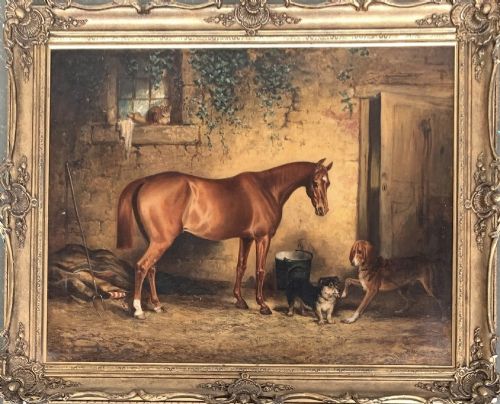
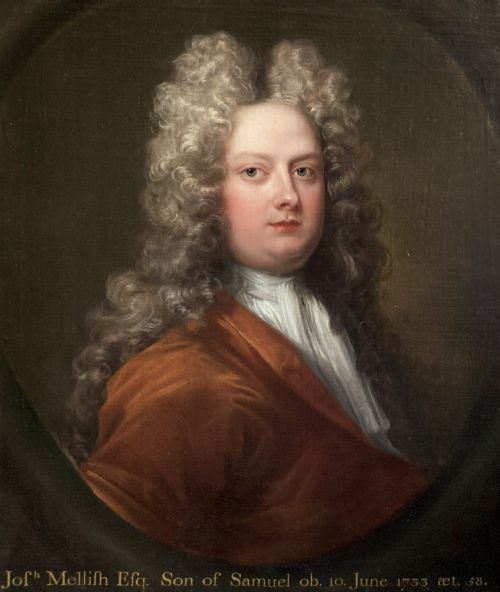
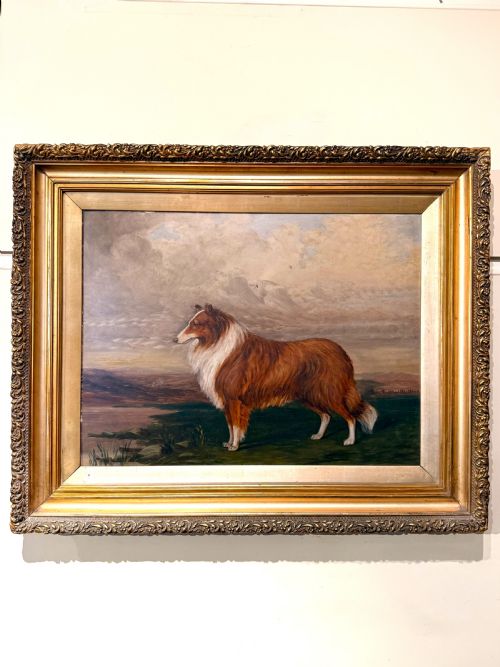
The assortment relies heavily on seventeenth, eighteenth and nineteenth-century examples, alongside Edwardian and later pieces. Subjects range from aristocratic gentlemen and ladies to sporting animals, pigeons and theatrical figures. Wood framing, often in darker tones or burr maple, provides the defining perimeter that unites these historical artworks.
How they were made
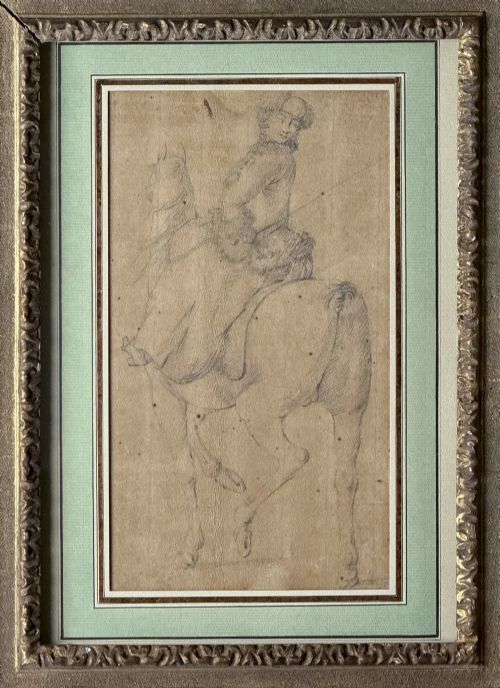
Artists painted primarily in oil upon canvas or wood panel, while others utilised watercolour, gouache and pastel on paper or buff paper. Engravings and needlework also feature, demonstrating varied domestic and professional craft techniques of past centuries. Gold leaf accents sometimes highlight the inner borders of the enclosing woodwork.
Framing typically involves timber construction, utilising woods such as burr maple to complement the tonal palette of the artwork within. Protective glass covers works on paper and pastels, whilst oil paintings on canvas remain exposed to air, supported by traditional wooden stretchers.
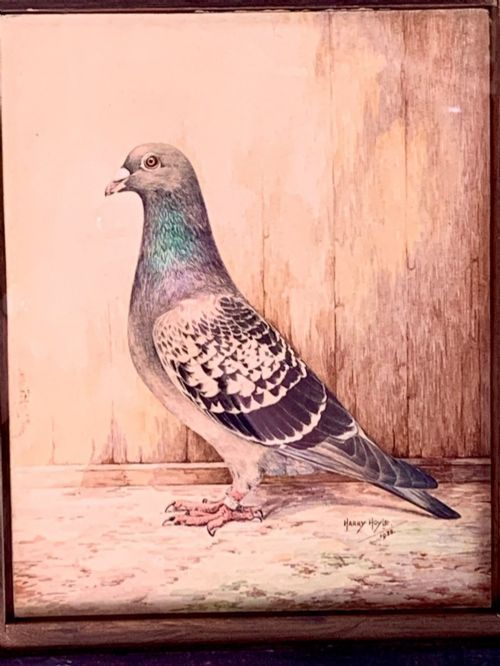
Several portraits immortalise prize-winning racing pigeons and prized shorthorn bulls rather than human nobility.
What varies in quality
The strength of the draughtsmanship and the psychological depth of the sitter distinguish accomplished portraiture from routine workshop production. Hand-mixed oil pigments and sensitive handling of light across fabrics and skin indicate superior execution by trained artists.
The integrity of the original frame relative to the artwork influences the overall coherence of the piece. Timber mouldings that retain their original surfaces and joinery complement the historical standing of the painting they enclose.
Charles Jervas·Sir Peter Lely·Sir Godfrey Kneller·John Scougall·Edouard Pingret
The Brown Framed Portrait Glossary
- Oil on canvas
- Pigments bound in a drying oil, usually linseed, applied to a stretched woven fabric support. This technique allowed artists to achieve rich tonal gradations and durability over centuries.
- Pastel
- A dry medium composed of powdered pigment and a binder, rubbed directly onto paper. Works executed in this material require glass protection due to the friable nature of the pigment.
- Burr maple
- Wood featuring distorted knot growths that create intricate, swirling patterns when sliced. It was frequently utilised for decorative veneer framing during the nineteenth century.
- School
- A group of artists working in a similar style, region or period, often under the influence of a master. Attribution to a specific school indicates stylistic kinship rather than direct authorship.
Brown Framed Portrait: Frequently Asked Questions
What periods do these portraits date from?
The selection spans multiple centuries, with significant representation from the seventeenth, eighteenth and nineteenth centuries. Later pieces extend into the Edwardian era and the early twentieth century.
Earlier works often depict aristocracy or classical themes, while later examples frequently include sporting subjects, animals and caricatures.
How should I care for an antique oil painting?
Keep the artwork away from direct sunlight and fluctuating humidity levels to protect both the canvas and the wooden frame. Gentle dusting with a soft, dry brush is generally sufficient for maintenance.
Avoid using water or chemical cleaners on the painted surface or the timber moulding.
Are all the frames original to the artwork?
Frames vary in provenance, with some remaining together with their artwork since creation and others paired at a later date. Descriptions often note specific framing materials, such as burr maple, which help indicate the period of the enclosure.
Matching a frame to the era of the portrait was a common practice among collectors and dealers.
What subjects are most common in these listings?
Human portraits dominate, featuring gentlemen, ladies, judges and historical figures rendered in oil, watercolour or pastel. Animal subjects, particularly horses, dogs and racing pigeons, also appear frequently.
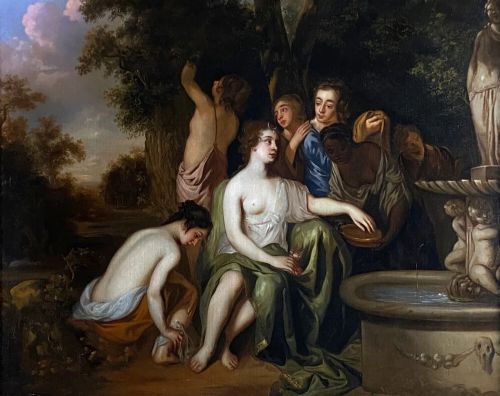
Allegorical scenes and theatrical characters provide further variety within the available artworks.