

Brown Framed Maritime Art
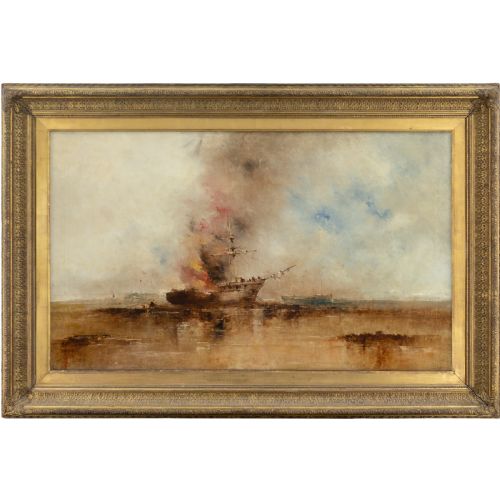
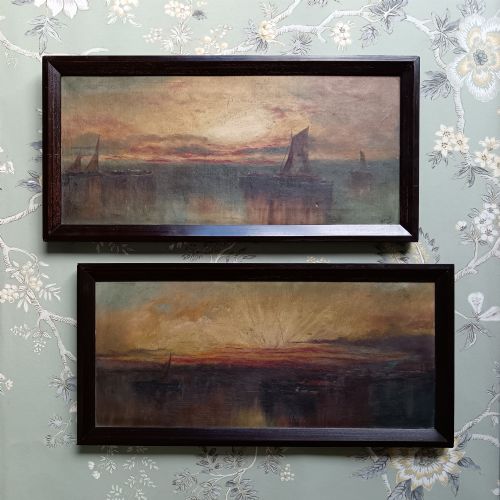
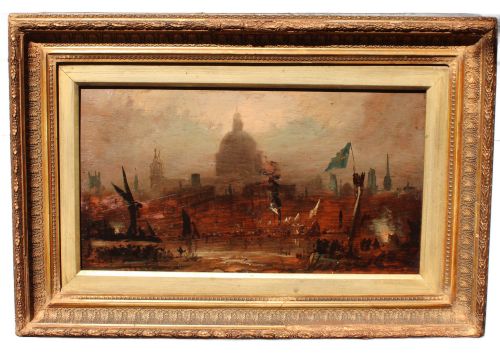
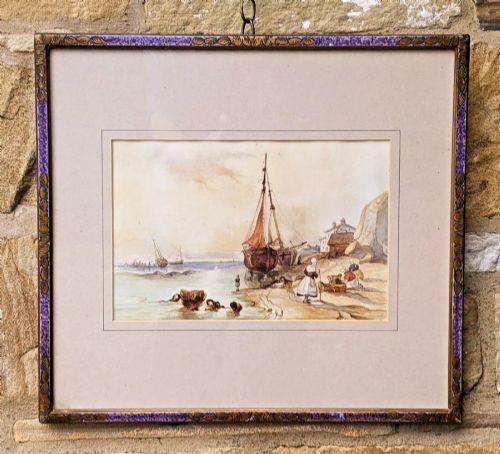
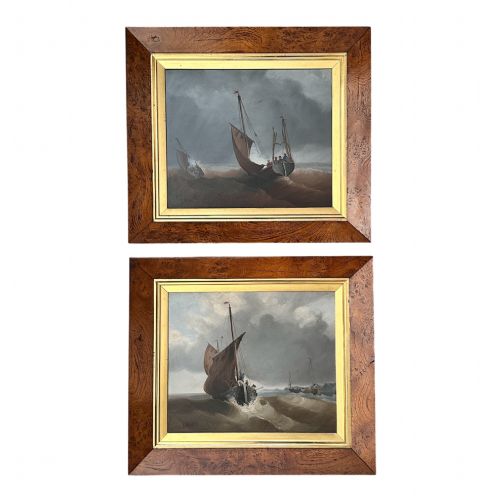
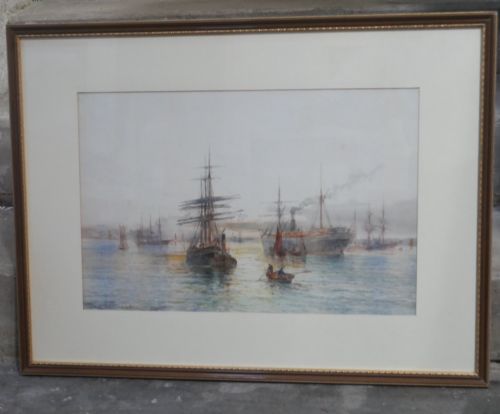
Brown framed maritime art brings historical coastal scenes, tall ships and stormy harbours directly into a room within traditional timber mouldings.
Brown Framed Maritime Art
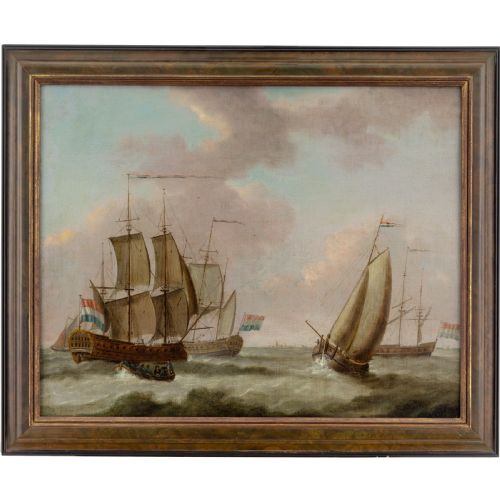
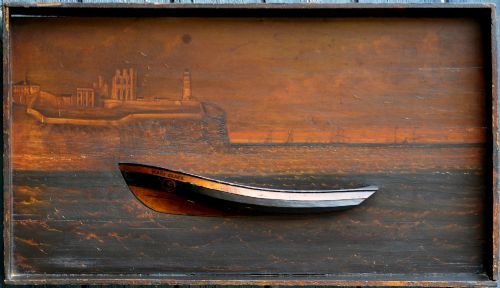
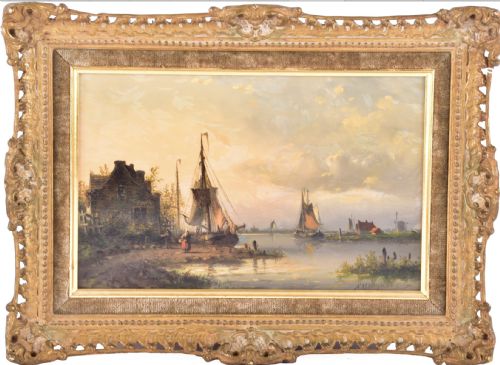
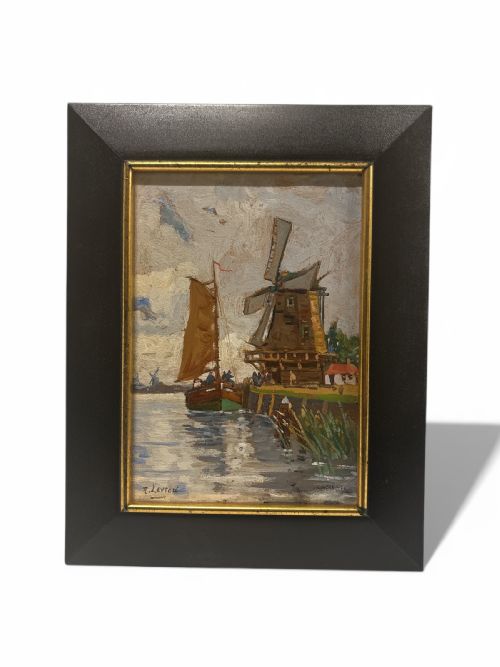
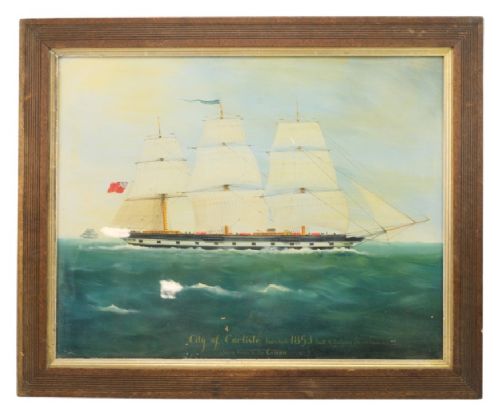
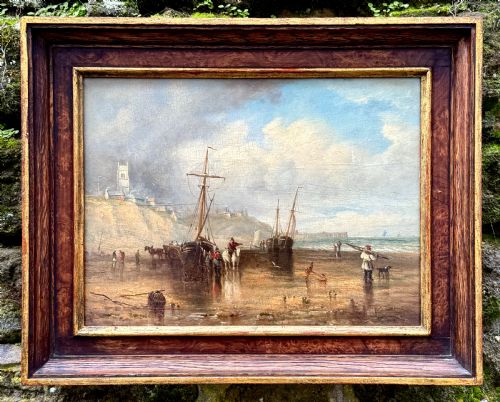
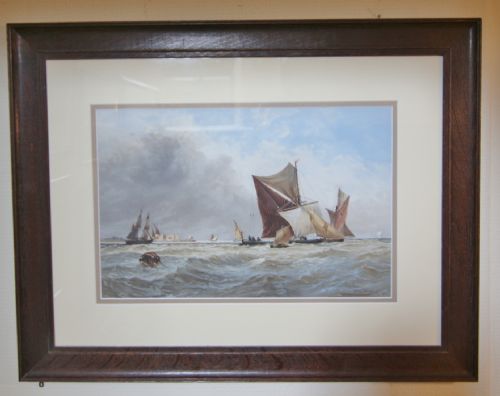
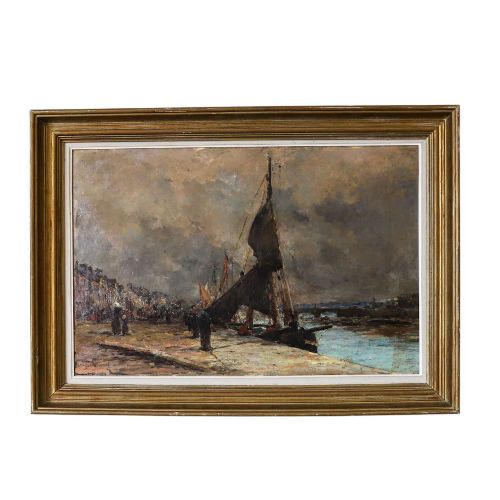
When searching for brown framed maritime art, collectors encounter a diverse selection of historical paintings and watercolours dedicated to the sea, rivers and shipping. These works capture coastal landscapes, naval engagements, bustling harbours and working vessels under sail or steam across past centuries.
The objects on this page predominantly take the form of framed oil paintings and watercolours enclosed in timber surrounds. Pieces span from the early nineteenth century through the Edwardian era, reflecting both British and continental coastal subjects.
How they were made
Artists employed oil paint on canvas or board, alongside watercolour and gouache on paper, to record maritime scenes with varying degrees of atmospheric detail. These works were then mounted within wooden frames, occasionally complemented by gilt accents.
The physical construction relies on traditional stretched canvas techniques or heavy watercolour paper secured beneath protective glass, housed inside sturdy wooden mouldings typical of their respective periods.
A sailor's sentimental tribute to his ship and shipmates is preserved in a French navy ironclad battleship gouache.
What varies in quality
Quality rests upon the artist's ability to render water, light and atmospheric conditions convincingly, separating routine decorative watercolours from accomplished academic marine painting. The precision of rigging, hull construction and coastal topography also distinguishes superior works.
The integration between the artwork and its wooden frame plays a role, with period-appropriate timber mouldings enhancing the overall integrity of the piece compared to later, mismatched replacements.
James Orrock·Thomas Bush Hardy·John Moore of Ipswich·Bernard Benedict Hemy·George Stanfield Walters·Gustave De Bréanski
The Brown Framed Maritime Art Glossary
- Seascape
- A painting or other work of art that depicts the sea, coastal views or marine vessels. These subjects formed a major focus for nineteenth-century landscape and maritime painters.
- Gouache
- An opaque watercolour paint consisting of natural pigment, water, and a binding agent such as gum arabic. It dries to a heavy, matte finish often used for detailed maritime illustrations.
- Diorama
- A three-dimensional scene depicting historical ships or coastal settings, frequently incorporating carved and painted elements. They provide a tangible relief model behind glass.
- Barque
- A sailing vessel with three or more masts, having the fore- and main-masts square-rigged and the mizzen-mast fore-and-aft rigged. This configuration appears frequently in nineteenth-century shipping art.
Brown Framed Maritime Art: Frequently Asked Questions
What subjects do these maritime paintings show?
The artworks depict a wide variety of coastal and nautical subjects, including fishing boats off the British coast, naval battles with warships, and commercial steamships in rough waters.
Scenes also record specific locations such as North Shields Harbour, Whitby, and the River Medway, capturing working vessels and historical ships in active ports.
How do I date a framed maritime painting?
Dating relies on stylistic clues within the artwork, such as the transition from sailing luggers to ironclad battleships and steamships, alongside the construction of the wooden frame.
Written signatures, artist active dates, and costume details on any figures present in the coastal scenes also help narrow down the period of creation.
Are these works painted on canvas or paper?
The listings include both oil paintings executed on canvas or board and watercolours or gouache works created on paper.
Works on paper are typically mounted under glass within their wooden frames, whereas oil paintings on canvas are exposed directly to the room.
Where were these maritime scenes usually painted?
Many paintings record British coastal ports and rivers like the Thames, the Tyne, and the waters around Devon and Cornwall.
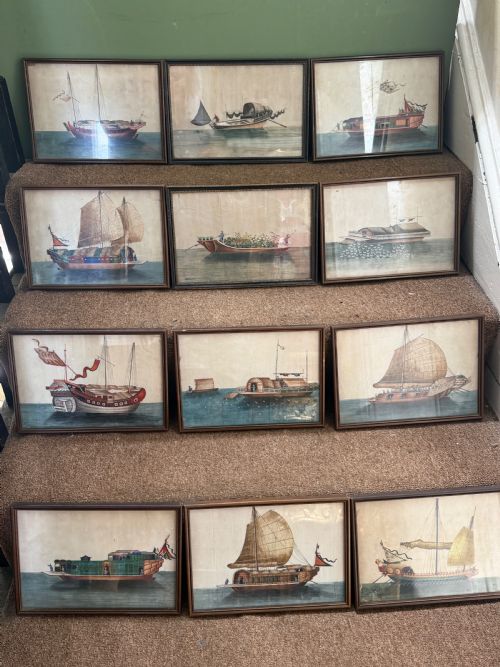
Others capture continental scenes, including Dutch river landscapes, French naval vessels, and Chinese export paintings depicting junks.