




Brown Framed Horse Pictures
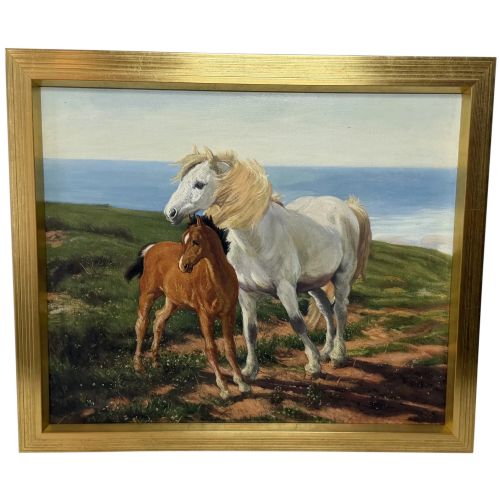
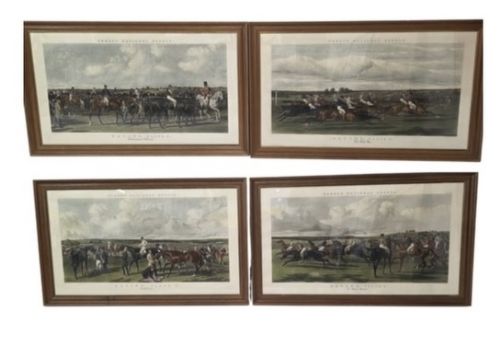
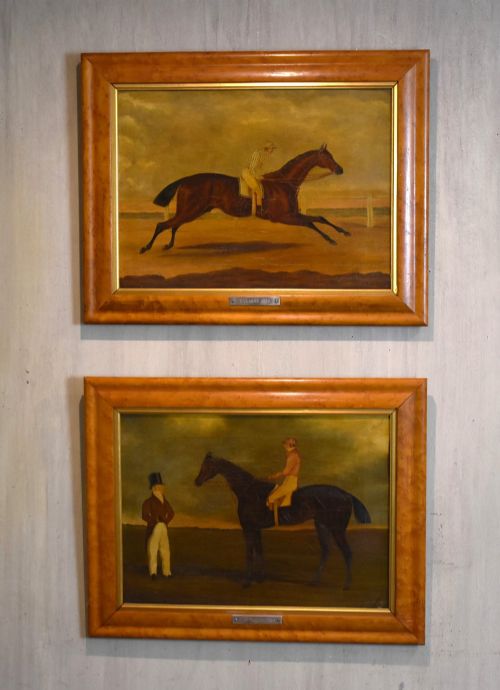
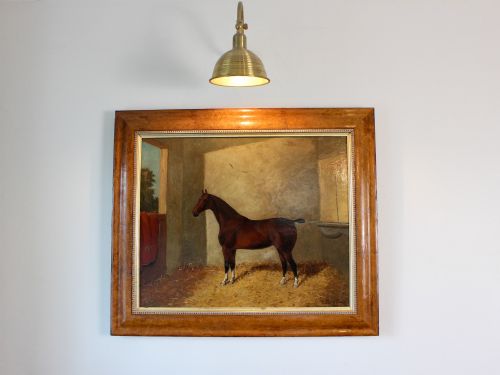
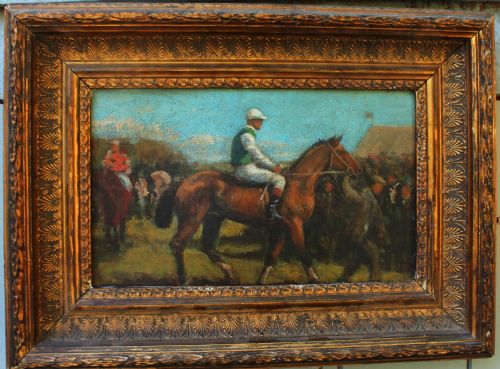
These brown framed horse pictures capture centuries of equine art, bringing spirited sporting portraits and racing studies into your home.
Brown Framed Horse Pictures
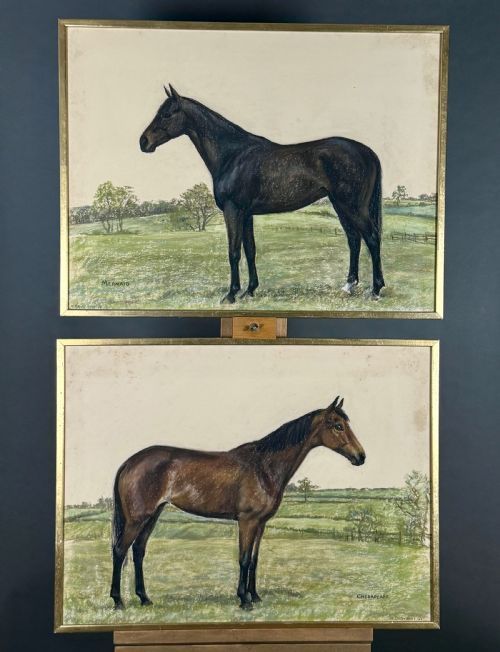
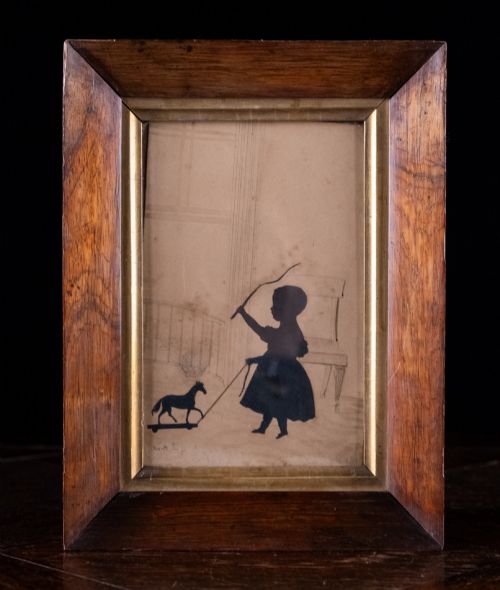
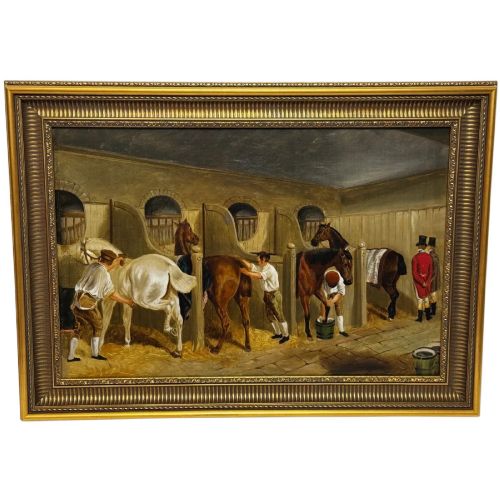
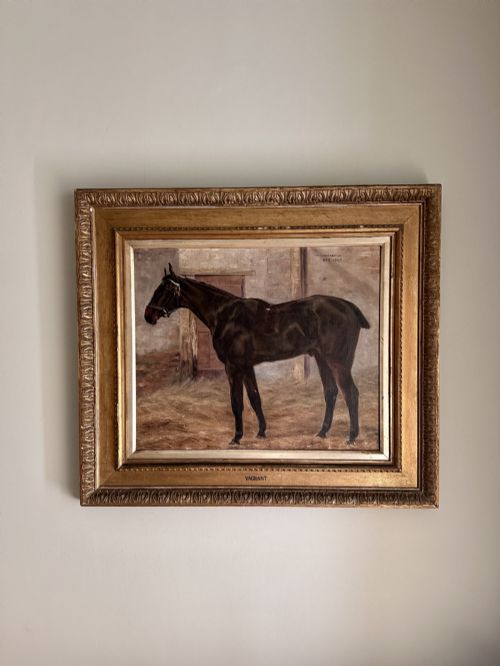
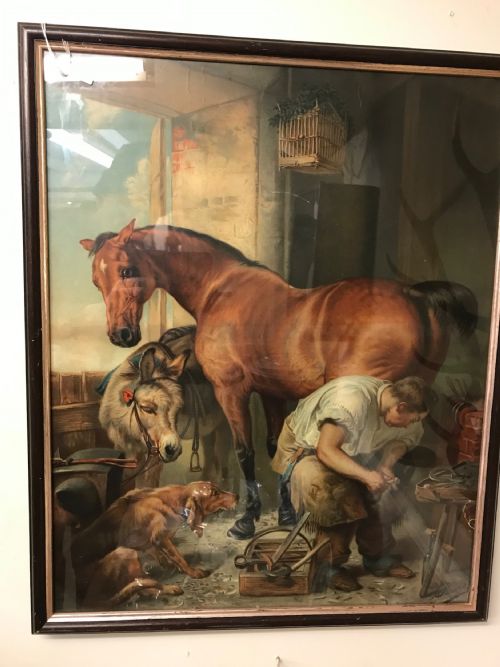
When searching for brown framed horse pictures, you encounter a varied selection of equestrian art spanning multiple centuries and artistic traditions. These works range from detailed Victorian oil paintings and Edwardian chalk drawings to mid-century pastels and vintage prints.
The subjects depicted include thoroughbred racehorses, hunters in landscape settings, working heavy horses, and lively racing scenes. Many pieces are enclosed in traditional wood, gilt wood, or walnut frames that complement the rich tones of the artwork within.
How they were made
The collection relies heavily on traditional fine art mediums, predominantly oil on canvas or panel, watercolour, gouache, and pastel on paper. Artists utilised these materials to capture the musculature, coat sheen, and energetic movement of the animals.
Framing forms an integral part of the presentation, utilising timber mouldings, gilt wood, and occasionally walnut or paper surrounds to protect and display the works. Print techniques such as aquatint and lithography also appear alongside hand-drawn studies.
Several horses caught mid-stride share wall space with a mischievous foal caught stealing fruit from a basket.
What varies in quality
Quality in these equestrian works rests upon the artist's anatomical precision and ability to convey the distinct character and spirit of the horse. The handling of light across the coat and the integration of the animal within its landscape background separate accomplished academic studies from standard decorative pieces.
The execution of the surrounding frame also influences the overall standard, with period wooden and gilt mouldings adding depth and historical context to the artwork.
Augustin Edouart·Fred Fitzpatrick·Edwin Henry Landseer·John Frederick Herring Snr·Herman S Melville·John Ferneley Senior·Alfred Munnings·John Rattenbury Skeaping·Cecil Charles Windsor Aldin·Edward Lloyd of Ellesmere·Alfred Wheeler·Charles Bilger Spalding
The Brown Framed Horse Pictures Glossary
- Aquatint
- An intaglio printmaking technique that produces tones resembling watercolours by etching copper plates through porous resins. This method allowed printmakers to replicate the soft washes found in original sporting art.
- Gouache
- An opaque water-based paint composed of pigment, water, and a binding agent such as gum arabic. It provides rich, solid colour blocks that artists applied to highlight movement in racing scenes.
- Equestrian
- Pertaining to horses, horse riding, or horse racing. In art, this term defines subjects focused entirely on the animal or its handler.
- Pastel
- A dry art medium consisting of powdered pigment and a binder, shaped into sticks. It offers vibrant, velvety textures frequently utilised for intimate animal portraits.
Brown Framed Horse Pictures: Frequently Asked Questions
How do I date an old horse painting?
Dating relies on examining the costume of any jockeys or handlers depicted, the style of the framing, and the specific painting medium used. Canvas stamps and paper watermarks also offer reliable clues to the decade of creation.
Signatures, gallery labels on the reverse, and recorded exhibition histories help narrow the timeline further. Comparing the anatomical style to known works from specific Victorian or Edwardian periods confirms the era.
Where should I hang equestrian art?
These works suit traditional reception rooms, studies, or hallways where timber furniture and neutral wall colours complement the rich brown frames. Placing them away from direct sunlight protects vulnerable watercolours and pastels.
Matching the scale of the frame to the wall space ensures the artwork commands the room without overwhelming it. Grouping smaller prints together creates a cohesive gallery wall.
What is a sporting print?
A sporting print is a mass-produced or limited-edition reproduction of an original painting depicting racing, hunting, or equestrian events. Popularised in the nineteenth and early twentieth centuries, these allowed enthusiasts to collect works by major artists.
Many bear signatures or publishing details in the margin that indicate their historical origin. They served as affordable alternatives to original oils for middle-class collectors.
How do I care for framed paper art?
Paper works require protection from moisture, damp environments, and ultraviolet light to prevent fading of pastels and watercolours. Keeping them behind glass with adequate spacing prevents the paper from sticking to the glazing.
Dusting the wooden frames regularly with a soft, dry cloth preserves the finish. Environmental stability avoids warping the wooden backing boards over time.