




Dark Wood Equestrian Artwork
Dark wood equestrian artwork frames horses, hounds and riders in timber, bringing historic sporting life directly onto your wall.
Dark Wood Equestrian Artwork
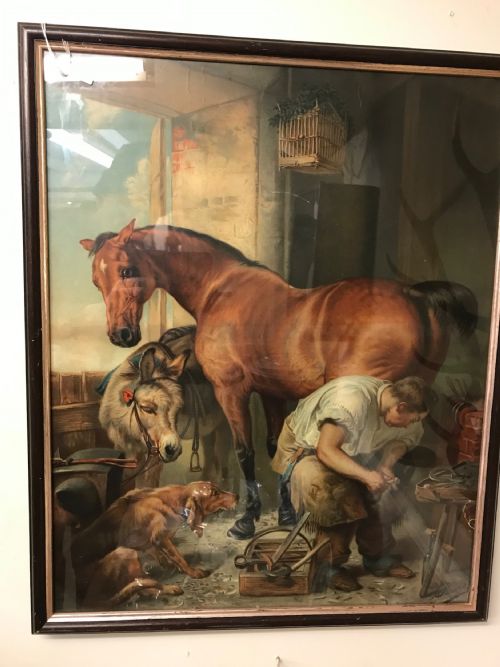
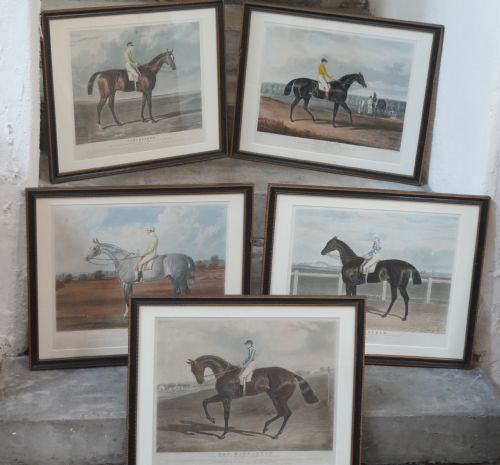
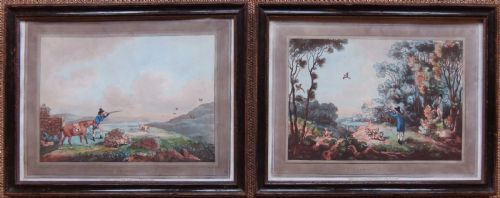
Dark wood equestrian artwork brings together framed paintings, watercolours, engravings and photographs centred on horses, hounds and rural sport. Pieces range across the Victorian, Edwardian and Georgian eras, spanning the nineteenth and early twentieth centuries.
The selection here includes original oil paintings on canvas, delicate watercolours, gouache, coloured prints and early photographs. Subjects stretch from champion greyhounds and Hackney horses to racing scenes and hunting expeditions.
Framing relies predominantly on traditional timber moulding which frames the paper or canvas securely. These works reflect British sporting art traditions through the output of named artists and anonymous makers alike.
Materials and methods
Makers utilised wood for structural frames alongside paper and canvas as the primary surfaces for paint, ink and photographic emulsion. Canvas carries oil paints while paper holds delicate watercolours, gouache and printed engravings.
Materials recorded across current listings include paper, canvas, glass, gold leaf and solid wood.
Judging quality
Quality rests upon the skill of the original hand, distinguishing accomplished brushwork or precise engraving from simpler production. Original watercolours and oil paintings demonstrate individual draughtsmanship superior to standard mass-produced prints.
Materials and framing contribute significantly to the overall presence of the piece. Substantial timber frames and well-preserved paper or canvas surfaces elevate the visual impact of the artwork.
Edwin Henry Landseer·W.A. Clark·H. Alken·Sam. Howitt
The Dark Wood Equestrian Artwork Glossary
- Engraving
- A printmaking method where lines are cut into a metal plate to hold ink. This technique produces crisp, detailed images often seen in historic sporting sets.
- Gouache
- An opaque water-based paint that provides solid colour and sharp highlights. It appears alongside watercolour in nineteenth century equestrian works.
- Hackney
- A distinct breed of carriage and riding horse frequently depicted in Victorian and Edwardian paintings. Artists valued them for their notable trotting action and conformation.
- Hand
- A standard unit used to measure the height of horses, equal to four inches. The term frequently appears in descriptions of champion animals.
- Watercolour
- Paint made from pigments suspended in a water-based solution applied to paper. It creates transparent washes well suited to atmospheric outdoor scenes.
Dark Wood Equestrian Artwork: Frequently Asked Questions
How do I date dark wood equestrian artwork?
Dating relies on stylistic clues within the subject matter, the costume of riders, and the materials used in the paper or canvas. Reference to specific periods like the Victorian or Edwardian eras helps establish an approximate timeframe.
Frame construction and backing materials also offer chronological indicators. Older pieces frequently employ hand-beaten nails or early timber joints that differ from later manufacturing methods.
Where should I hang equestrian art?
These pieces suit traditional spaces such as studies, hallways, or living rooms with timber furniture. Placing them away from direct sunlight protects vulnerable watercolours and paper from fading.
Ensure the wall fixings match the weight of the timber frame. Hanging artwork at eye level allows viewers to appreciate the fine details of the horses and riders.
Are these works original?
The selection includes a mix of unique original paintings and watercolours alongside period prints and engravings. Each listing specifies the exact medium used by the artist or publisher.
Original works bear the distinct brushstrokes of the maker, whereas prints display ink patterns characteristic of reproduction techniques. Checking the medium in the description clarifies the nature of the piece.
How do I care for framed equestrian pieces?
Maintain stable indoor temperatures and low humidity to protect both the timber frames and the paper or canvas within. Dust wood mouldings gently with a dry cloth without applying harsh chemical polishes.
Keep glass surfaces clean using a microfiber cloth slightly dampened with water. Avoid spraying liquid directly onto the frame or artwork to prevent moisture seeping underneath.