
Brown Extension Dining Table
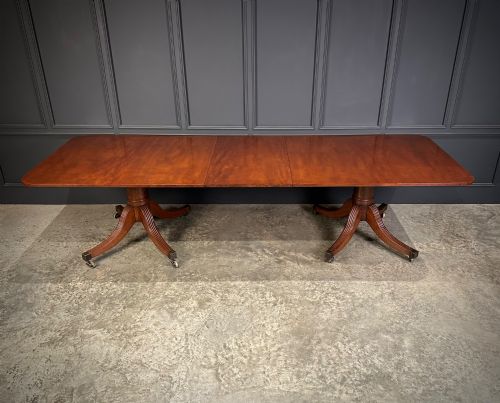
A brown extension dining table provides flexible seating in warm timber tones, bringing period craftsmanship straight into the modern dining room.
Brown Extension Dining Table
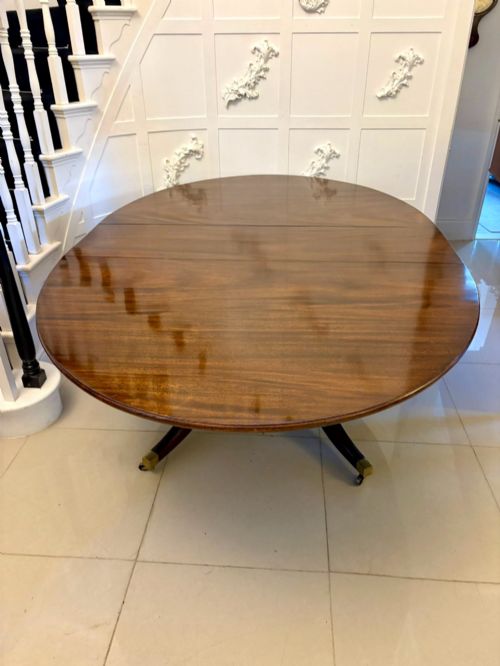
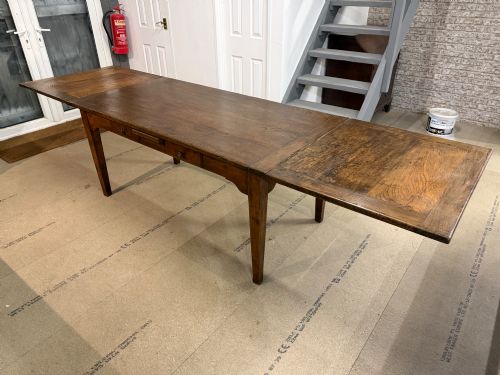
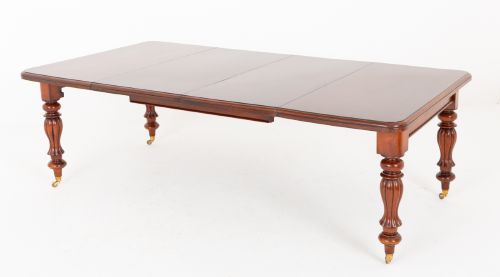
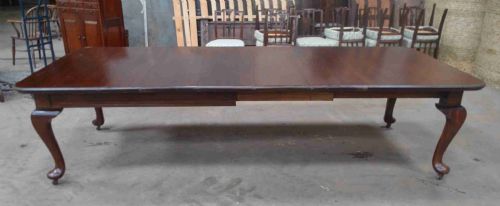
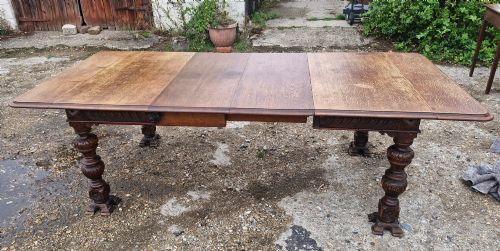
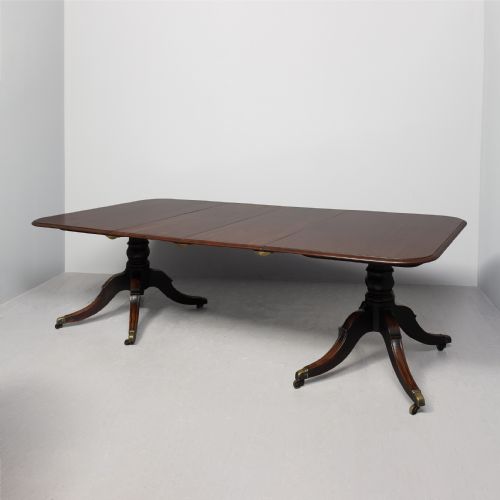
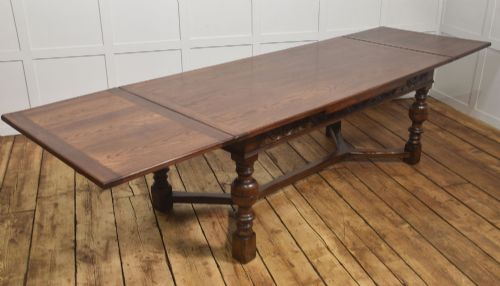
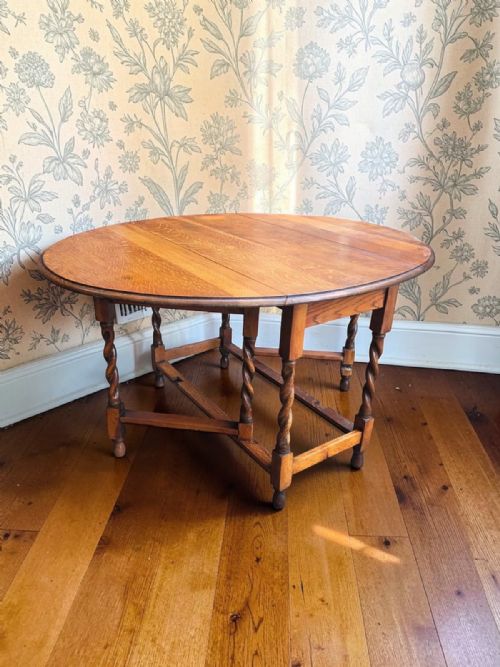
A brown extension dining table spans centuries of design, taking form as wind-out pillar tables, draw-leaf refectories, and gateleg versions. When exploring a brown extension dining table, buyers encounter pieces from the seventeenth century through to the Edwardian era.
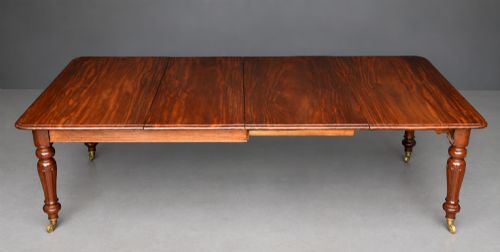
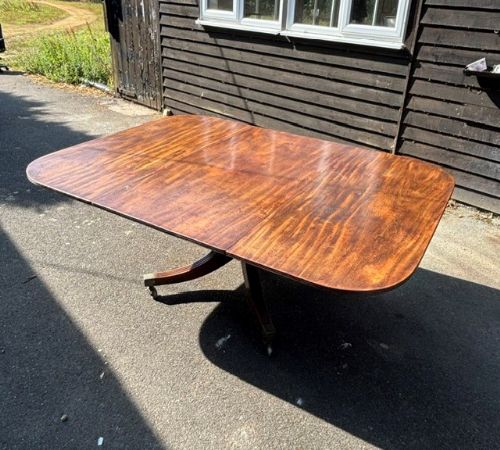
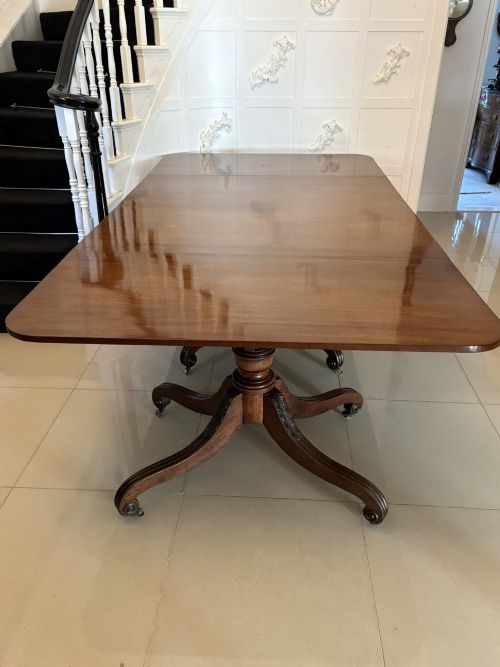
Mahogany and oak dominate the selection, appearing alongside walnut, cherry, and wood inlay. These surfaces span rich dark tones and figured grains, often accompanied by brass fittings or ceramic castors.
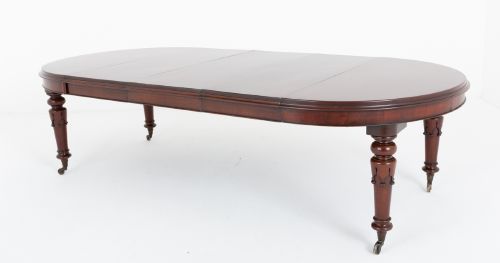
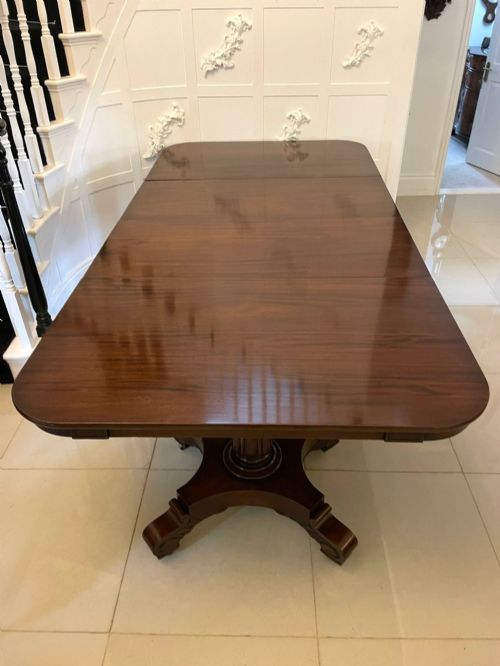
Styles range from austere Jacobean and rustic farmhouse forms to grand Regency and Victorian pedestal designs. Many pieces accommodate extra leaves to expand seating capacity for guests.
Materials and construction
Cabinet makers utilised solid timbers and figured veneers, selecting mahogany, oak, and walnut for their durability and grain pattern. Surfaces frequently incorporate brass winding mechanisms, hinges, and castors to facilitate the extension process.
Construction methods varied by period, from seventeenth-century draw-leaf and gateleg joints to nineteenth-century pillar supports and mechanical wind-out systems. Master workshops employed precision joinery to ensure stability whether tables stood closed or fully extended with multiple leaves.
Listings feature woods such as mahogany, oak, walnut, and cherry, spanning the seventeenth century through to the Edwardian era.
Assessing quality and finish
The standard of a table rests on the selection of timber, particularly figured mahogany or quarter-sawn oak, and the precision of its mechanical extension system. Superior examples maintain alignment and smooth operation across multiple extra leaves.
Hand-carved detailing, balanced proportions, and original brass hardware distinguish finer pieces from standard production. The integrity of the timber joints and the consistency of the polish across added leaves indicate skilled workshop origin.
Thomas Butler of London
The Brown Extension Dining Table Glossary
- Draw leaf
- A table design featuring underleaves that slide out from beneath the main top to extend the surface area. This mechanism appeared across seventeenth-century oak pieces and later revival styles.
- Wind out
- A mechanical system operated by a crank handle that separates the table halves to insert extra leaves. This innovation became common in nineteenth-century dining tables.
- Pedestal
- A central column support, often single, double, or triple, carrying the table top. Pillar configurations allow greater legroom around the perimeter.
- Gateleg
- A table with hinged flaps supported by swing-out legs that pivot like a gate. This form suits compact spaces while offering drop-leaf expansion.
- Parquetry
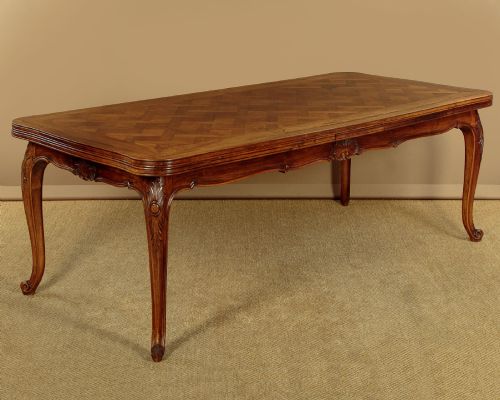
- Geometric wood inlay work forming decorative patterns on the table surface. Craftsmen utilised contrasting timbers to create visual depth.
Brown Extension Dining Table: Frequently Asked Questions
How do wind out tables operate?
Wind out tables use an internal metal screw mechanism operated by a detachable handle. Turning the crank draws the table halves apart to create a gap for insertion leaves.
Once the leaves drop into place, the mechanism winds back to secure the boards tightly together, maintaining a stable surface.
What is a draw leaf table?
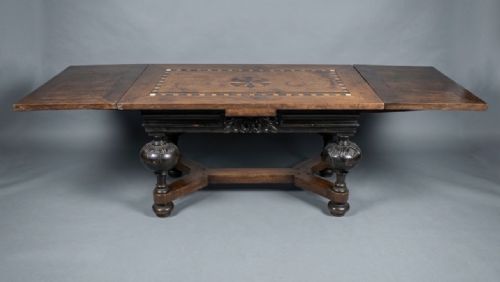
A draw leaf table conceals two extension panels beneath the main surface. To expand the table, the central top lifts slightly while the end leaves pull outwards.
As the leaves reach full extension, the main top drops back down into a locked, level position.
How do I care for antique wood?
Maintain antique timber surfaces by dusting with a soft, dry cloth and avoiding direct sunlight. Consistent indoor temperatures prevent the wood from drying out or splitting.
Apply natural beeswax periodically to nourish the polish and protect the grain without building up synthetic residues.
How do I identify table periods?
Period identification relies on timber selection, structural joints, and decorative styling. Oak dominates seventeenth-century draw-leaf forms, while mahogany and walnut characterise eighteenth and nineteenth-century pedestal designs.
Hardware details, such as brass castors and winding mechanisms, further narrow down the decade of manufacture.