


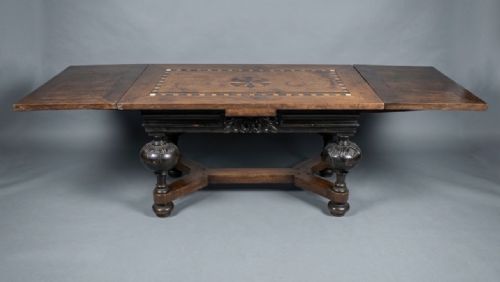
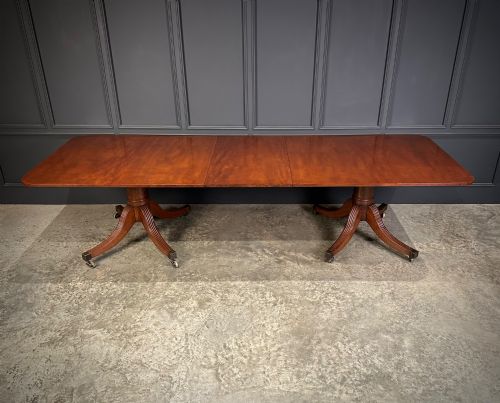
Brown Extending Table
A brown extending table brings timber warmth and practical scale to a dining room, adapting easily from daily meals to large gatherings.
Brown Extending Table
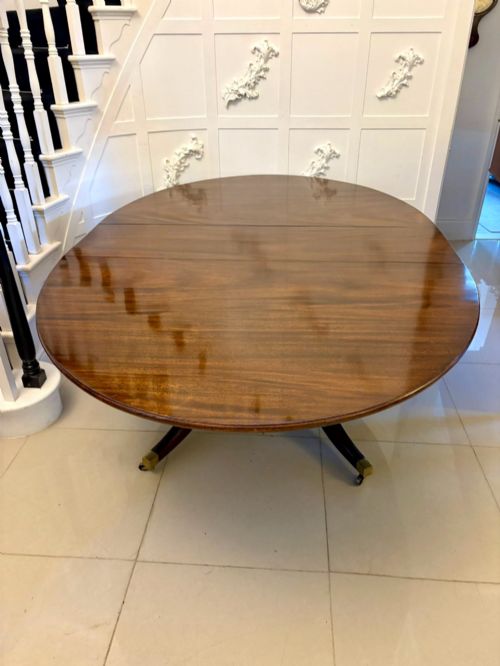
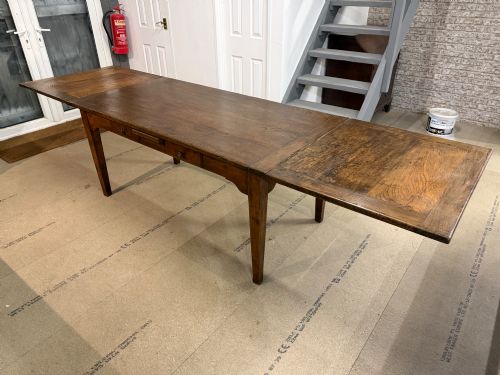
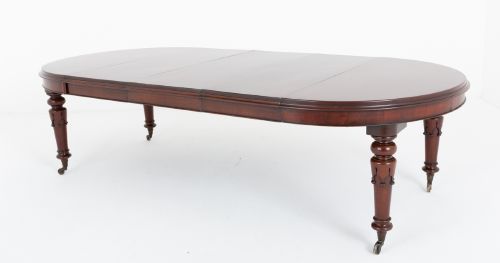
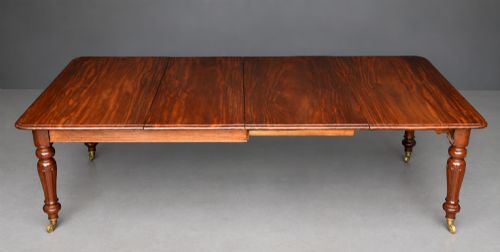
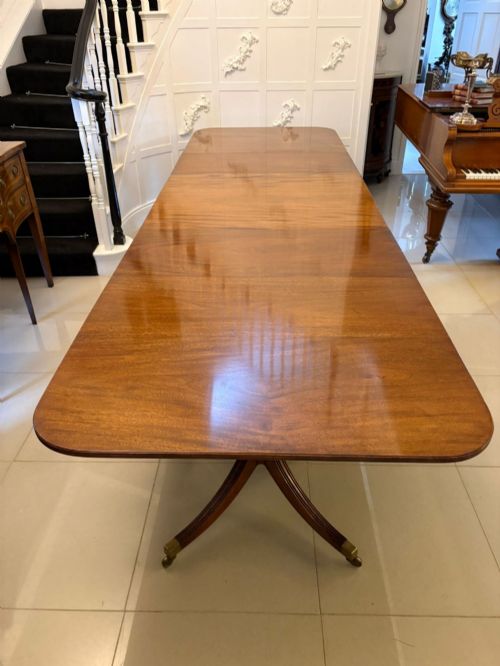
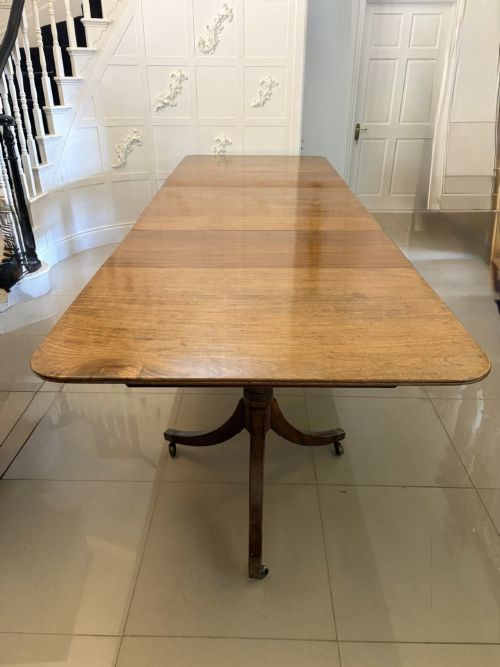
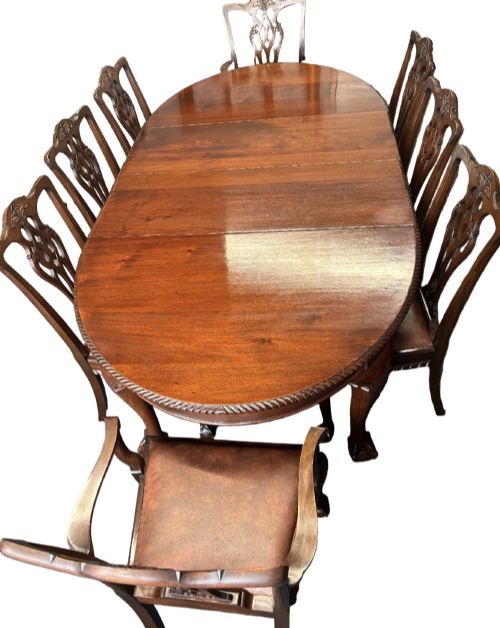
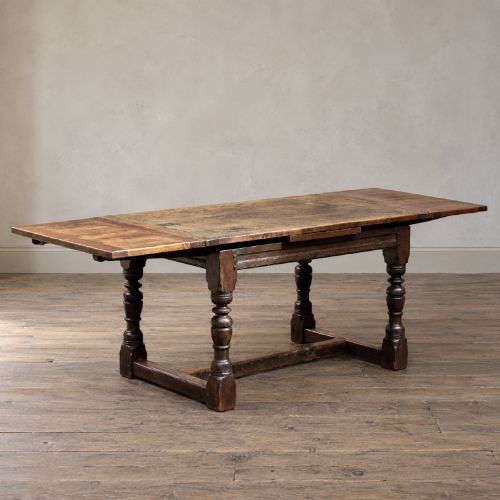
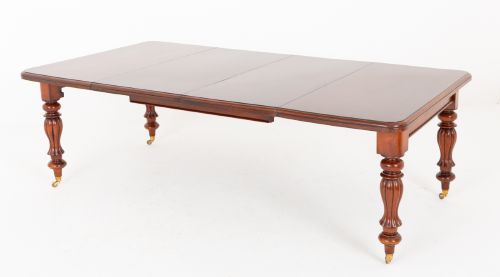
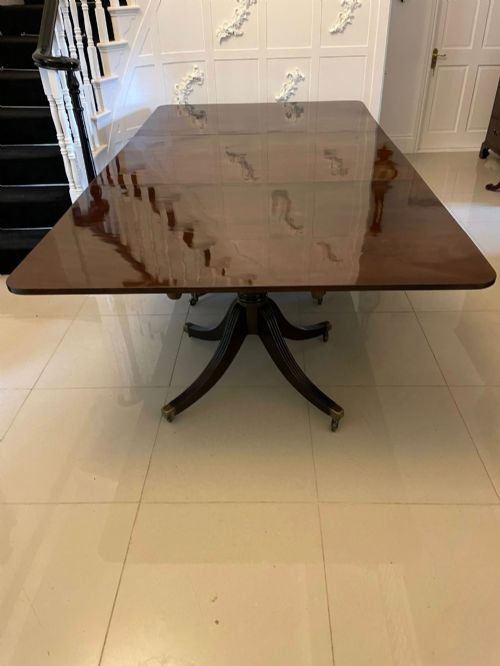
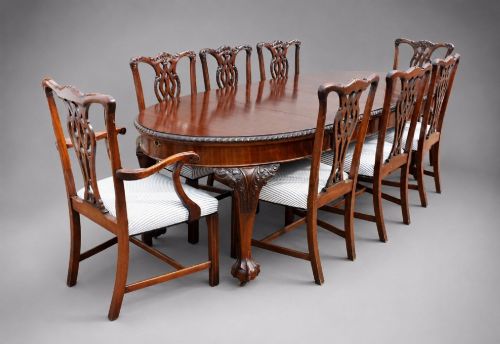
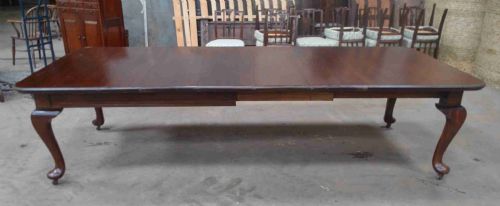
The most common iterations on this page are mahogany pedestal designs and oak draw-leaf examples, spanning periods from the Georgian era through to the early twentieth century. Many incorporate additional leaves that insert into the centre to alter the overall capacity.
The aesthetic vocabulary encompasses formal Regency and William IV stylings alongside rustic farmhouse interpretations and Edwardian production. Each period brings distinct proportions and leg formations to the fundamental function of expansion.
Materials and construction
Cabinet makers relied heavily upon figured mahogany and solid oak, often selecting fruitwood, walnut or rosewood for specific regional or stylistic preferences. Brass mechanisms and fittings frequently assist the internal extension runners and castor mounts.
Timber selection governed the visual impact, utilising book-matched veneers on table tops alongside sturdy solid frames for supporting pillars and legs. Joinery methods such as draw-leaf tracks and pillar assemblies allowed heavy timber tops to glide apart smoothly without sagging.
Brown Extending Table Retail Price Guide 2026
Typical asking prices for brown extending table among the pieces listed under this phrase on Sellingantiques today, from the lower quarter to the upper quarter. They describe what is for sale here now, not the wider market.
Listings feature timbers including mahogany, oak, walnut, rosewood, fruitwood and brass hardware across multiple centuries.
Indicators of distinction
Excellence in these tables rests upon the fidelity of the timber figure and the robust integration of the extension mechanism. Superior examples feature continuous grain matching across inserted leaves and heavy brass castors that bear weight evenly.
Hand-carved pedestal bases, reeded legs and finely fitted leaves distinguish high-tier commissions from utility pieces. The structural integrity of the internal runners determines how effortlessly a heavy top operates after decades of use.
Thomas Butler of London·Wylie and Lochead Glasgow
The Brown Extending Table Glossary
- Draw-leaf
- A table construction where two hidden leaves slide out from beneath the main top to extend the surface area.
- Pillar and pedestal
- A structural format where the top rests on one or more central wooden columns rather than four corner legs.
- Reeded leg
- A column decorated with parallel convex mouldings carved directly into the timber.
- Figured mahogany
- Timber exhibiting a decorative grain pattern, such as flame or fiddleback, chosen for high-status furniture.
- D-end
- A table end shaped like a capital letter D, often found in multi-pillar sets that split apart.
Brown Extending Table: Frequently Asked Questions
How do extension mechanisms work?
Many older pieces use sliding timber runners that pull apart from the centre to receive loose leaves. Other formats utilise draw-leaf systems where panels hide beneath the main surface and pull outward.
Fittings often incorporate brass tracks and clips to secure the sections tightly together when fully opened.
How many people can sit at these tables?
Seating capacity varies considerably depending on the number of inserted leaves and the original scale of the frame. Smaller domestic versions accommodate six diners easily.
Grand multi-pillar formats extend to seat sixteen or eighteen guests comfortably for formal dining occasions.
How do I care for timber surfaces?
Polished wood benefits from regular dusting with a soft cloth and occasional applications of traditional beeswax to nourish the grain. Direct sunlight and excessive heat sources should be avoided to prevent timber splitting.
Using protective mats beneath hot dishes preserves the historic polish from marking.
How do I identify the period?
Stylistic clues such as reeded legs, brass paw castors, and pedestal configurations point towards Regency or Victorian origins. Cabinet making techniques and timber choices also indicate whether a piece belongs to the eighteenth or early twentieth century.
Secondary woods and internal runner construction help confirm the date of manufacture.