

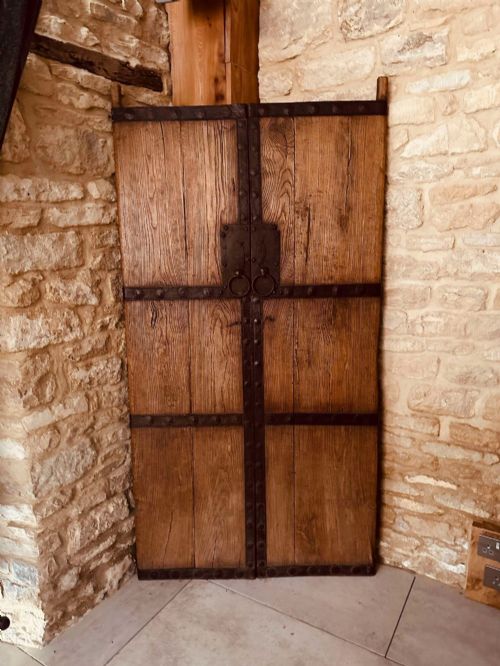
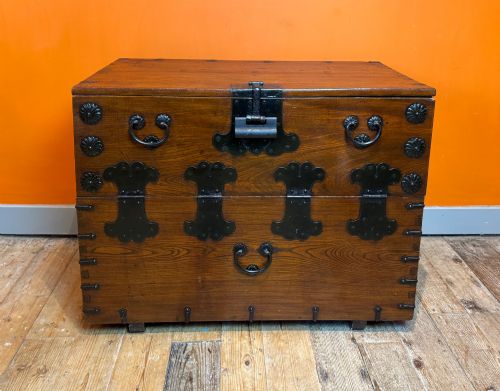
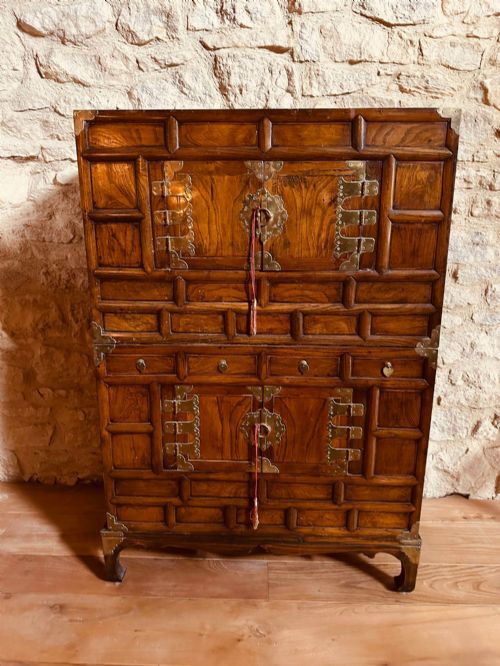
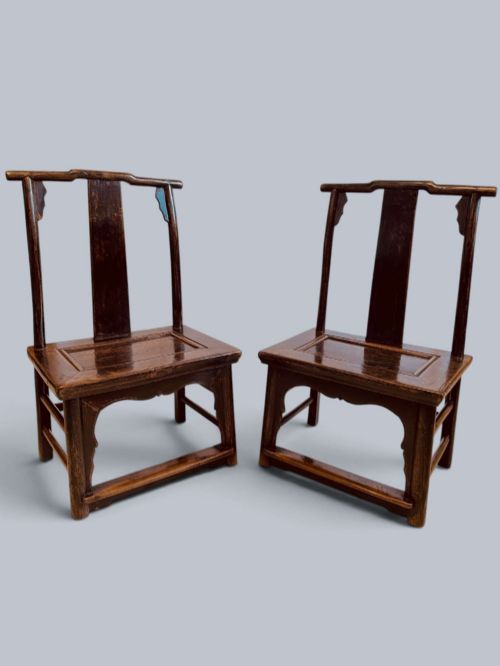
Brown Elm Furniture
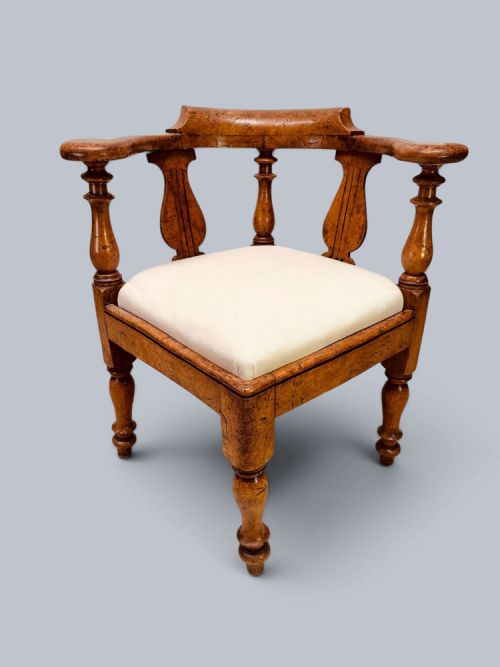
Brown elm furniture brings tactile warmth and robust vernacular character to a room through dense, interlocking timber grains.
Brown Elm Furniture
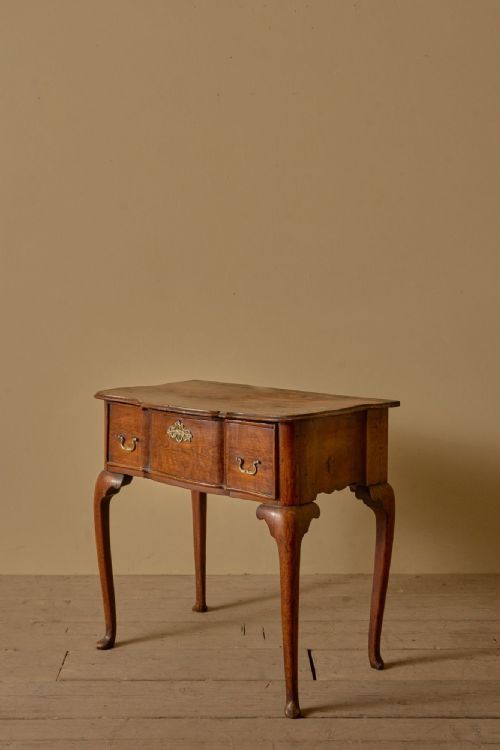
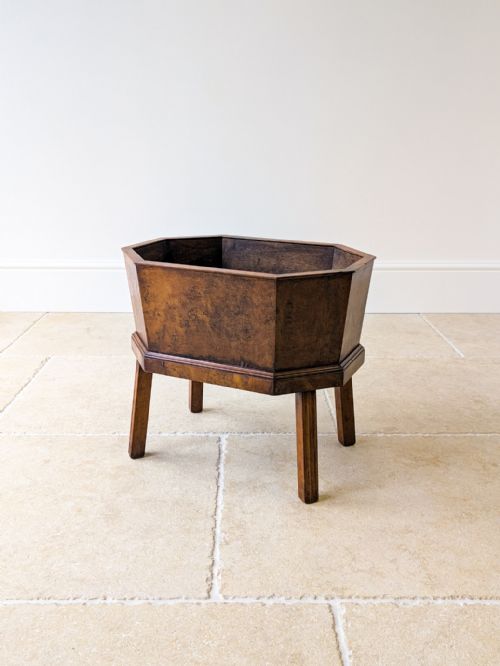
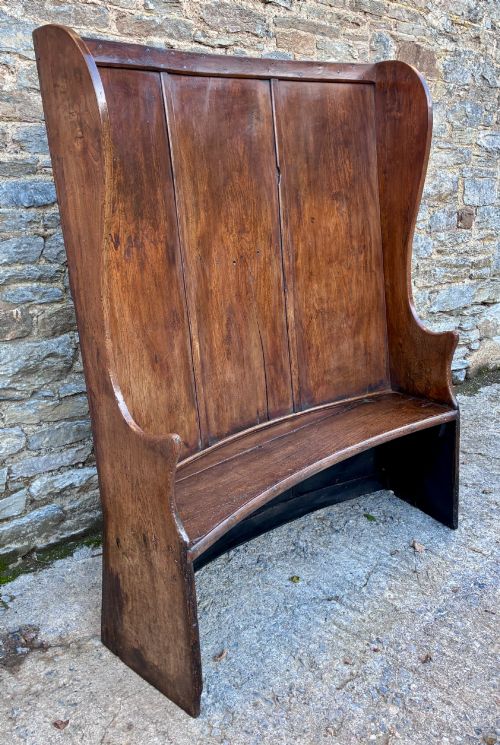
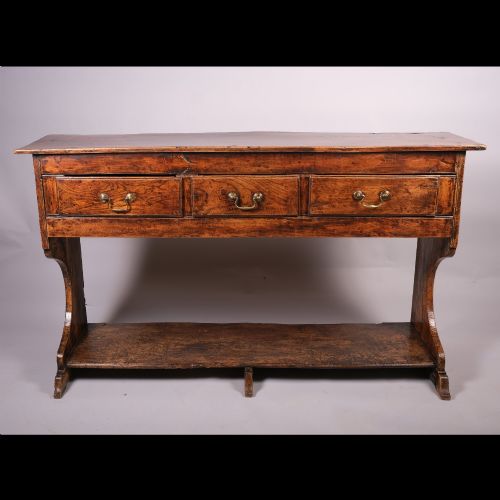
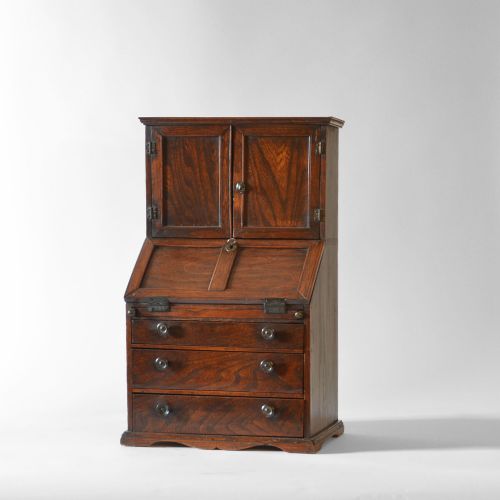
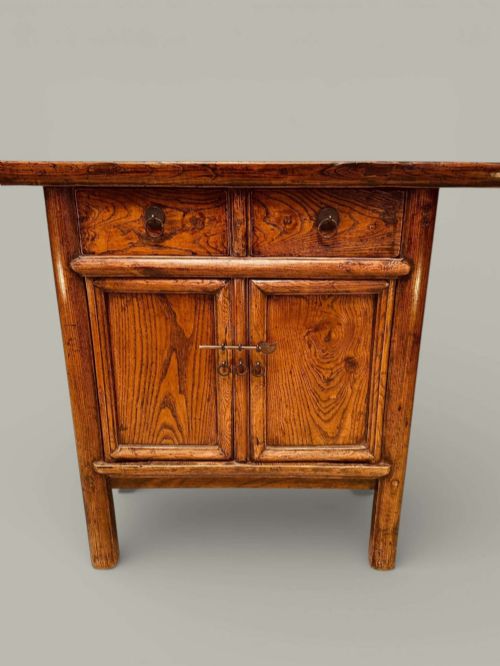
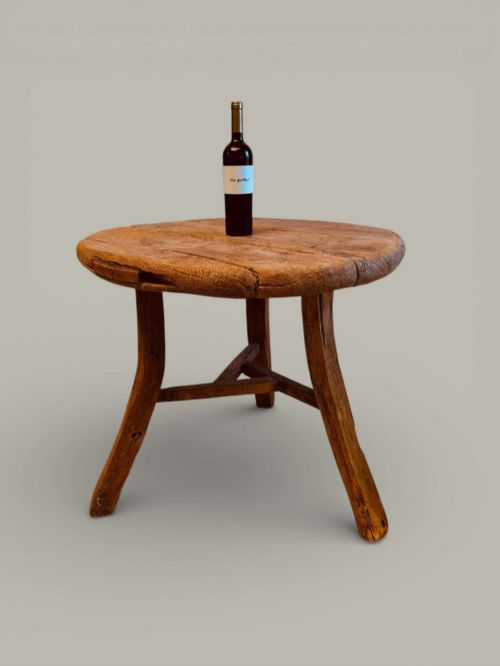
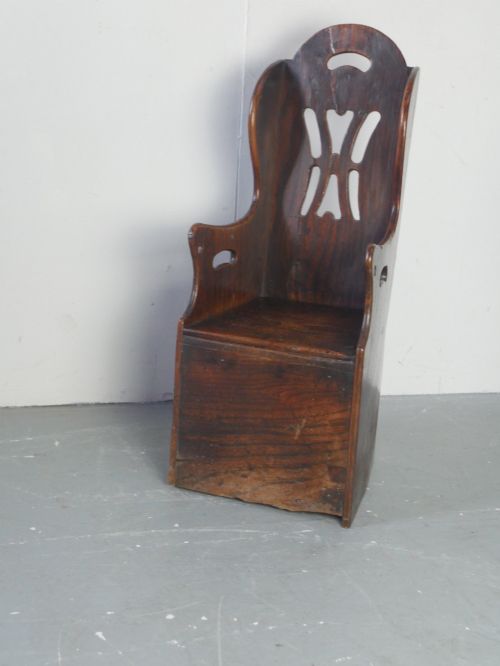
Brown elm furniture encompasses seating, tables, and storage pieces created from solid native timber across the seventeenth, eighteenth, and nineteenth centuries. These items predominantly hail from rural workshops, capturing an English country aesthetic defined by practical forms and unpretentious utility.
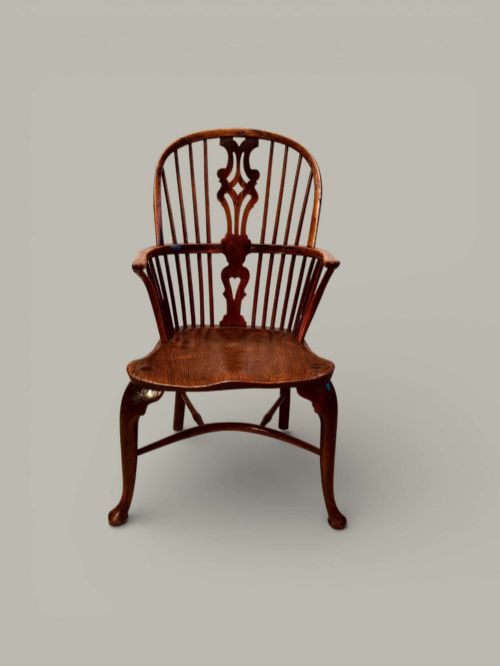
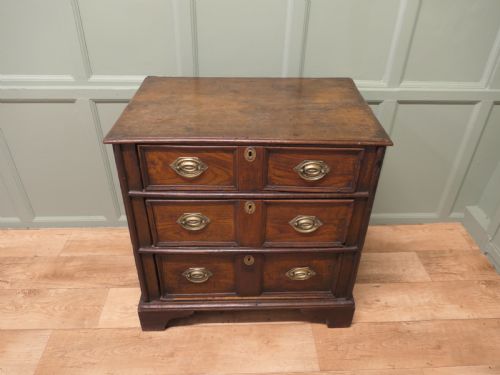
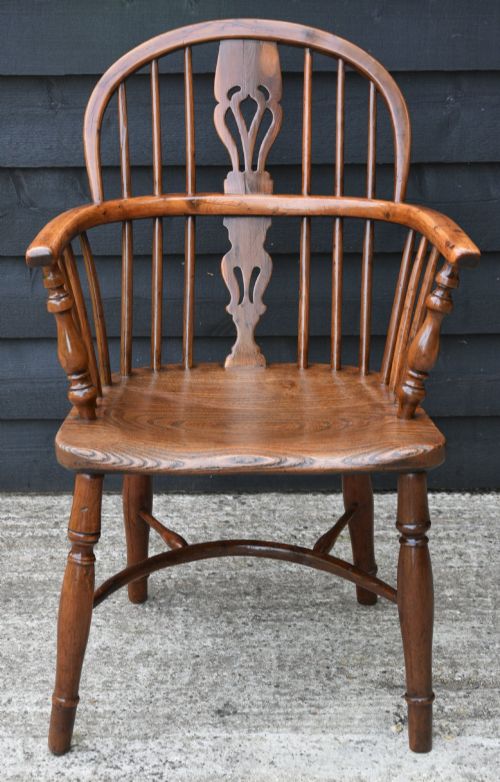
The most frequent encounters on this page involve seating, notably Windsor armchairs and kitchen chairs, alongside occasional chests of drawers, side tables, and dining tables. Makers utilised the tough, twisting properties of elm to build robust domestic items designed for heavy daily use.
How brown elm furniture was made
Craftsmen built these pieces by combining solid elm with supporting secondary woods such as ash, beech, and oak, frequently integrating rush for seating pads. Elm boards were selected for their interlocking grain, which resisted splitting under pressure despite the shrinkage that occurred as the timber dried.
Joinery methods relied heavily on traditional pegged mortise and tenon joints, turned spindles, and steam-bent components to shape Windsor chair hoops and bows. Surfaces were often finished simply, allowing the natural figuring and deep tone of the wood to show through years of handling.
Brown Elm Furniture Retail Price Guide 2026
Typical asking prices for brown elm furniture among the pieces listed under this phrase on Sellingantiques today, from the lower quarter to the upper quarter. They describe what is for sale here now, not the wider market.
Listings feature eighteenth and nineteenth-century periods alongside materials including elm, burr elm, rush, and brass.
What varies in quality
Quality rests in the integrity of the timber selection and the retention of original surface patination developed through generations of domestic use. Pieces featuring highly figured burr elm veneers or well-chosen boards demonstrate a greater visual depth than plain utility items.
Structural honesty and minimal timber replacement dictate the standing of a piece, as elm's tendency to warp demands expert initial construction. Retaining original components like crinoline stretchers or early rush seats preserves the authentic character demanded by collectors.
Liberty and Co·Whytock and Reid
The Brown Elm Furniture Glossary
- Windsor armchair
- A wooden seating form featuring a solid saddle-shaped seat into which the legs and back spindles are wedged directly. These chairs typically employ a bentwood bow and central splat for back support.
- Burr elm
- A growth deformity in the tree that produces intricate, swirling grain patterns highly prized by cabinetmakers for decorative surfaces. It is frequently seen on eighteenth-century commodes and desks.
- Crinoline stretcher
- An arched underframe connecting the legs of a chair to provide rigidity and structural support. They are commonly found on eighteenth-century country armchairs.
- Comb back
- A chair back style where the vertical spindles rise through a low horizontal crest rail, resembling the teeth of a comb. This form appeared frequently on eighteenth-century seating.
- Vernacular
- An architectural and furniture-making style produced by local craftsmen for everyday use, following traditional regional patterns rather than high-fashion metropolitan designs.
Brown Elm Furniture: Frequently Asked Questions
What periods do these pieces date from?
The selection spans from the late seventeenth century through the Victorian era and into the early twentieth century, incorporating Georgian and Arts and Crafts examples.
Most items originate from eighteenth and nineteenth-century rural workshops, reflecting traditional country construction methods.
How do I care for brown elm furniture?
Maintain the timber by keeping it away from direct heat sources and sudden humidity changes that cause wood movement.
Apply traditional beeswax occasionally to nourish the grain and protect the aged surface patination without sealing the wood.
Why is elm used for chairs?
Elm possesses a notoriously interlocking grain structure that resists splitting when nailed or subjected to heavy stress.
This toughness made it the preferred timber for chair seats where legs and spindles required a secure, stable anchor.
Are these pieces made entirely of elm?
Many items combine elm with other native timbers, utilising ash or beech for turned spindles and oak for framing elements.
Seating pieces often paired an elm seat board with bent ash stems to achieve the necessary flexibility and strength.