




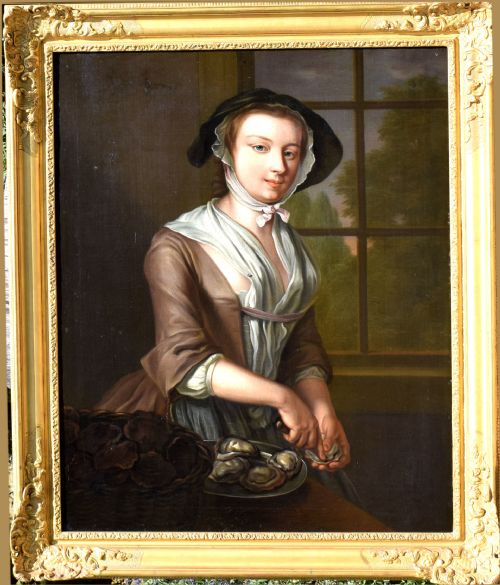


Brown Dress Oil Portrait
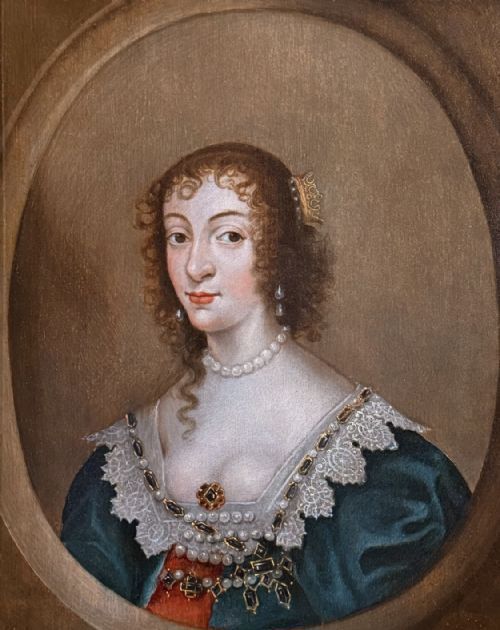
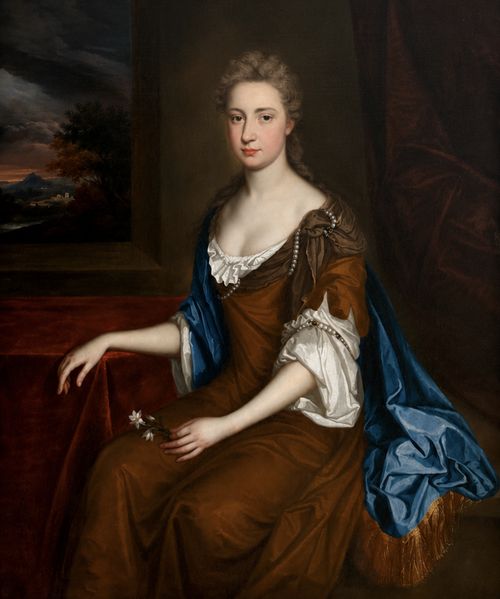
A brown dress oil portrait captures character and costume through layered pigment on canvas or panel, offering a direct window into past centuries.
Brown Dress Oil Portrait
A brown dress oil portrait brings together historic subjects and muted textiles, rendered by artists working across the seventeenth, eighteenth, and nineteenth centuries.
Buyers exploring this grouping encounter works executed in oil on canvas or wood panel, framed in materials such as oak and gilded wood.
The selection ranges from anonymous nineteenth-century studies of young girls to specific eighteenth-century depictions of ladies and gentlemen seated by tables or spinets.
Materials and technique
These works rely upon oil paint applied to prepared surfaces of woven canvas or solid wood panel.
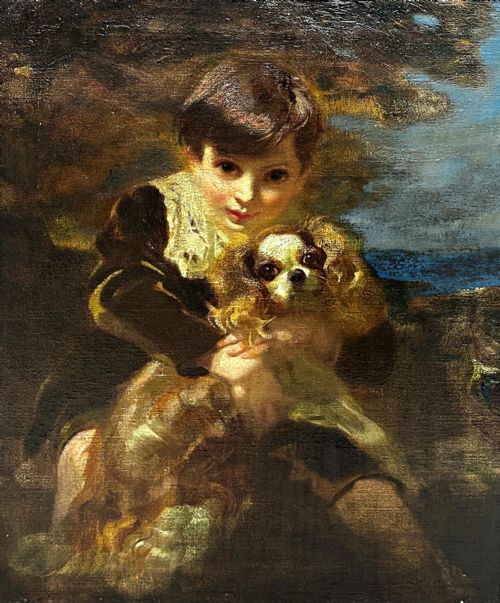
Some sitters brought their spaniels along to sit for hours.
Assessing quality
Quality rests in the handling of the subject's expression and the convincing rendering of fabric folds within the brown dress.
The relationship between the artist's brushwork and the structural integrity of the canvas or wood panel determines the standing of the piece.
Frank Owen Salisbury·Sonia Mervyn·Kershaw Schofield·John Irvine·Francis Alleyne·Philip Mercier·Eden Upton Eddis·George Clint·John Raphael Smith
The Brown Dress Oil Portrait Glossary
- Oil paint
- A slow-drying medium composed of pigments suspended in a drying oil, typically linseed. This allows artists to blend tones smoothly and achieve rich depth in costume details.
- Wood panel
- A rigid support used by painters before canvas became dominant, often providing a stable ground for early works. Oak is frequently encountered in these historic pieces.
- Canvas
- A heavy woven fabric stretched across a wooden frame to serve as a painting surface. It accommodates varied brushstrokes from fine portraiture to looser realist styles.
- Gilded wood
- Wood ornamented with a thin layer of gold leaf or gold-coloured pigment. It provides traditional framing that complements the warm tones of older oil paintings.
Brown Dress Oil Portrait: Frequently Asked Questions
How do I date a portrait?
Dating relies on costume details, hairstyle, and the construction of the canvas or wood panel. Comparative examination of the artist's recorded working period often narrows the decade.
Secondary clues include the framing style and any inscriptions or labels attached to the reverse of the panel or stretcher.
What is the difference between canvas and panel?
Canvas provides a flexible, textured woven support that became standard in later centuries. Wood panel offers a rigid foundation frequently utilised in earlier periods.
Both surfaces require specific environmental conditions to prevent warping or cracking of the paint layer.
How should I hang an oil portrait?
Hang paintings away from direct sunlight and sources of extreme heat to protect the oil pigments and the underlying canvas or wood. Stable indoor humidity prevents the wooden panels and frames from splitting.
Ensure the wall fixings match the weight of the framed piece securely.
Why are some sitters shown in costume?
Many sitters chose to be depicted in theatrical dress, historic attire like Van Dyck dress, or military uniforms to project specific identities. These choices reflect personal taste, social status, or theatrical roles.
Such attire helps historians date the portrait alongside the artistic style.