
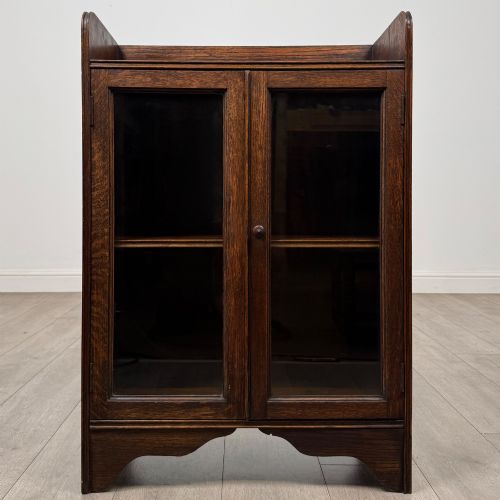
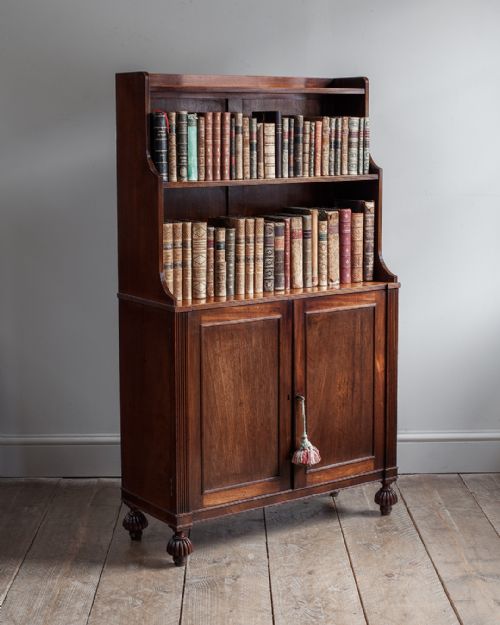
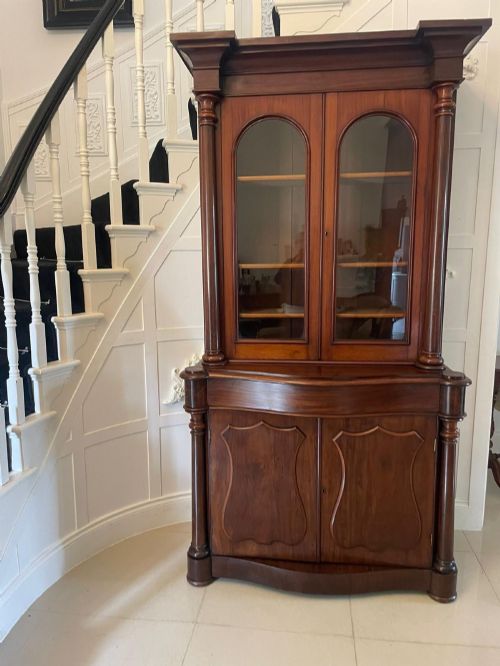
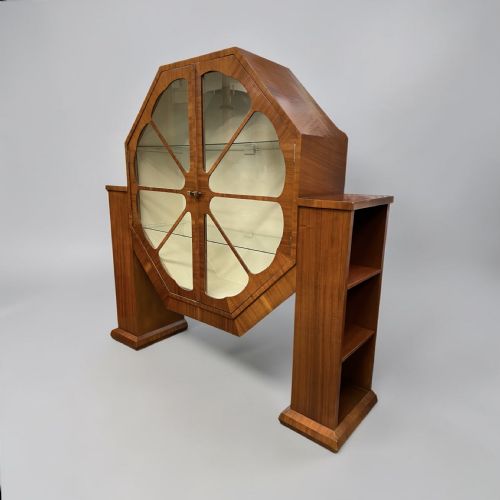
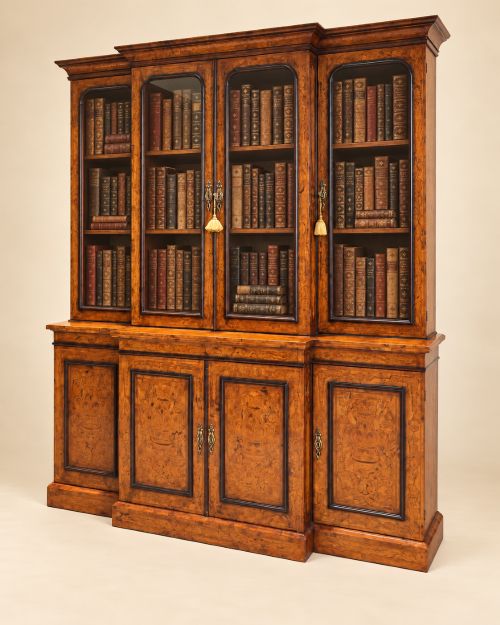
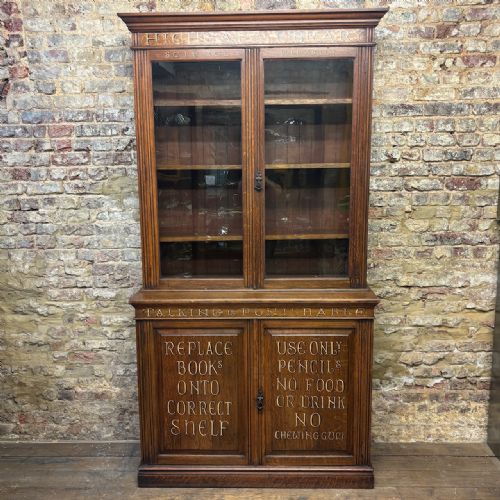
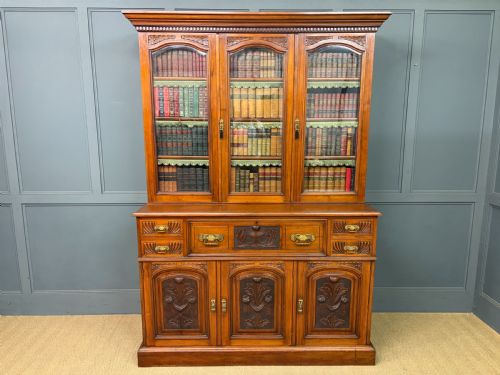

Brown Display Cupboard
A brown display cupboard brings together timber and glass to hold porcelain and books.
Brown Display Cupboard
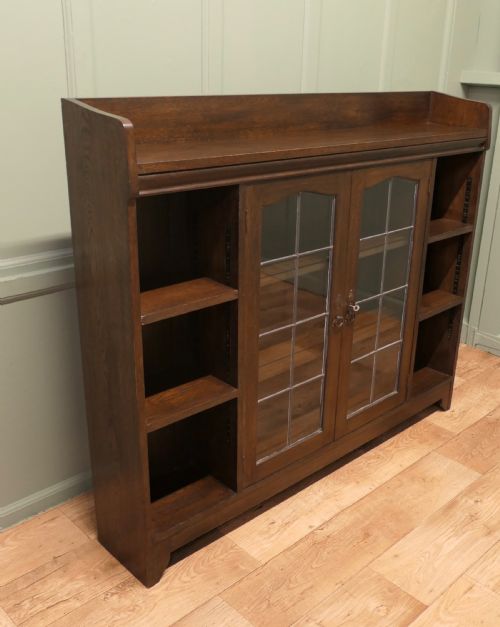
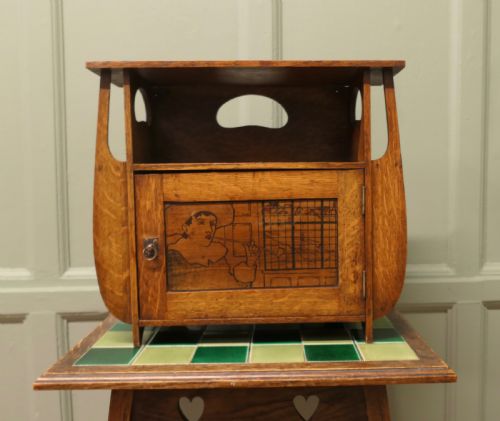
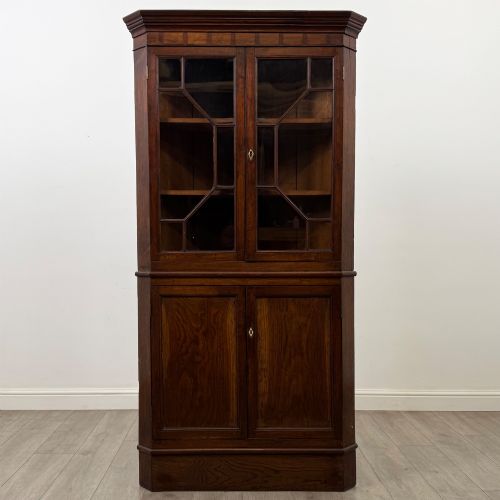
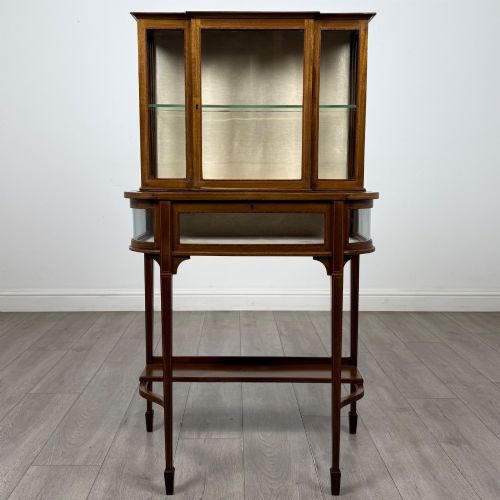
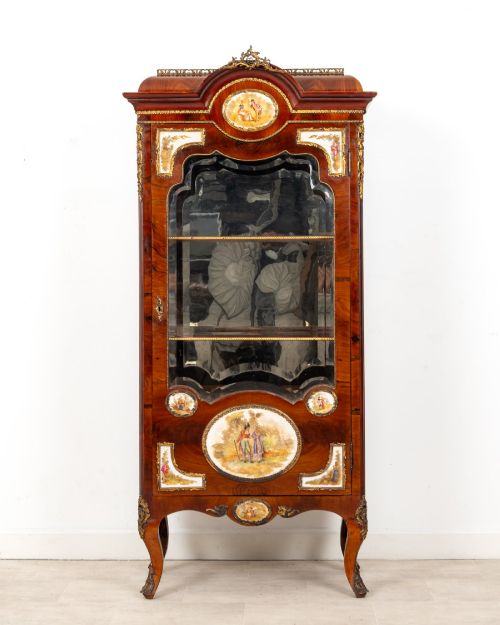
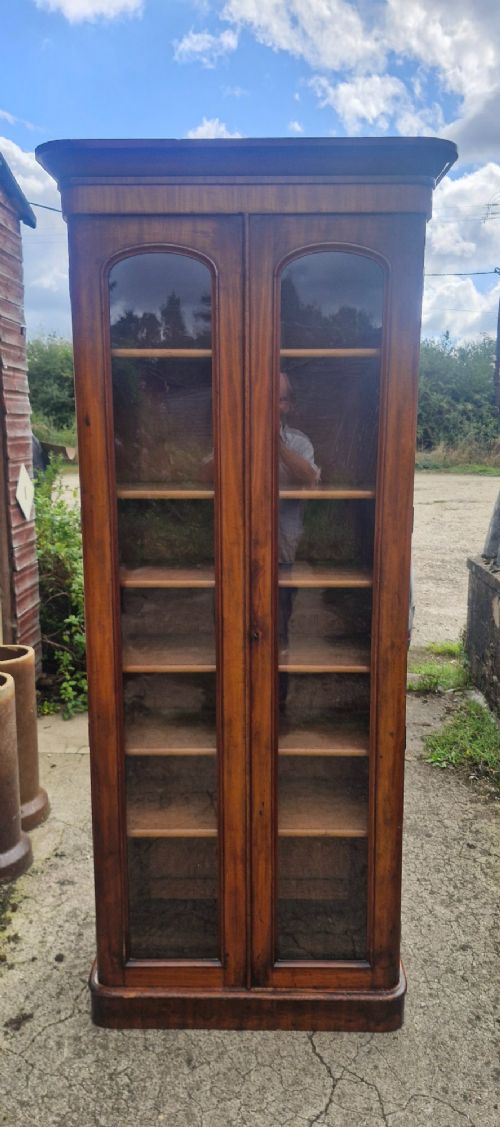
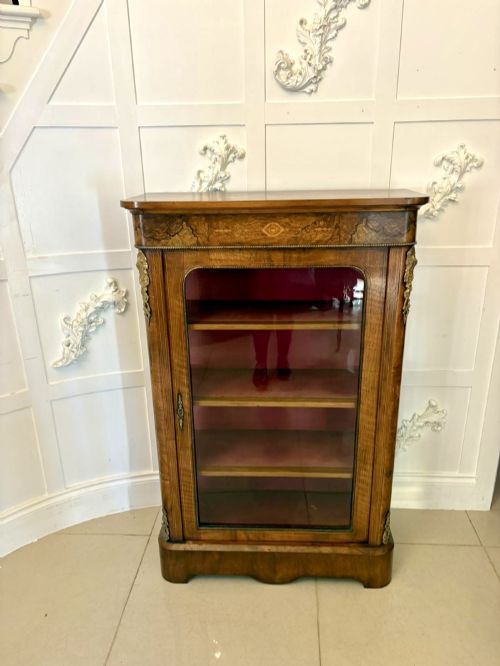
A brown display cupboard takes many forms, from tall library bookcases and breakfront cabinets to corner cupboards, pier cabinets, and cabinets on stand. These pieces serve primarily to exhibit and protect contents behind glazed doors.
The brown display cupboard appears frequently in mahogany, oak, and walnut timbers, spanning periods from the eighteenth century through the Victorian and Edwardian eras into the nineteen-thirties.
How they were made
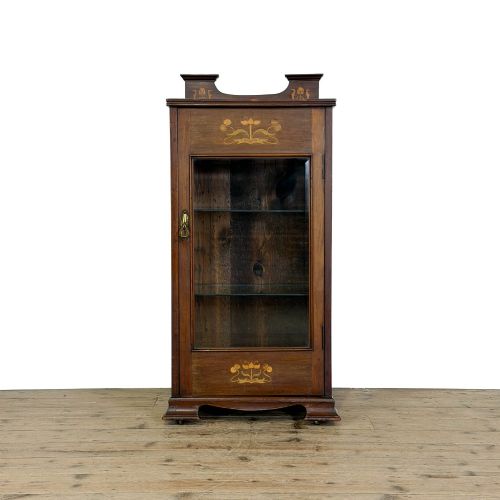
Cabinet makers utilised solid and veneered timbers such as mahogany, oak, walnut, and satinwood, often embellishing surfaces with marquetry, floral inlay, and brass hardware.
Glazing techniques range from simple rectangular panes to intricate astragal bars, while structural details include adjustable shelves, carved mouldings, and linenfold panelling.
Some oak hunting cabinets carry decades of hearth smoke in their carved panels.
What varies in quality
Selection of timber grain and the precision of inlaid decoration set finer examples apart from simpler utility pieces, particularly in burr walnut and figured mahogany.
The crispness of carved wooden details, the integration of original glass panes, and the structural balance of glazed doors demonstrate the standard of workshop execution.
Gillows
The Brown Display Cupboard Glossary
- Astragal glazed
- Glazing bars dividing glass panes in a cabinet door. These wooden strips form geometric patterns across the front.
- Marquetry
- Decorative veneer work forming pictures or patterns using various woods. Craftsmen assemble pieces of tinted wood and shell into the surface.
- Pier cabinet
- A low cabinet designed for placement against a wall space between windows. Such pieces often feature glazed doors and walnut or mahogany construction.
- Linenfold
- Wood carving imitating folded parchment or linen. This motif appears frequently on panels of oak cabinets and cupboards.
Brown Display Cupboard: Frequently Asked Questions
How do I clean the glass?
Use a soft cloth with a mild vinegar solution applied to the cloth rather than directly onto the wood.
Keep moisture away from historical timber surfaces and aged wooden framing around the panes.
Are the shelves adjustable?
Many library bookcases and display cabinets incorporate adjustable shelving supported by wooden racks or brass pegs.
Simpler corner cupboards and older period pieces often feature fixed wooden shelves set into the carcase.
Where should I place a cabinet?
Position display cabinets away from direct sunlight and strong heat sources to protect timber veneers and polish.
Ensure floors are level so glazed doors hang correctly and latch smoothly within their frames.
How do I identify the period?
Examine the timber selection, construction methods, hardware, and decorative styles such as Georgian glazing or Edwardian inlay.
Details like hand-cut joints and original backboards offer clear indicators of age and origin.