





Brown Decorative Volumes
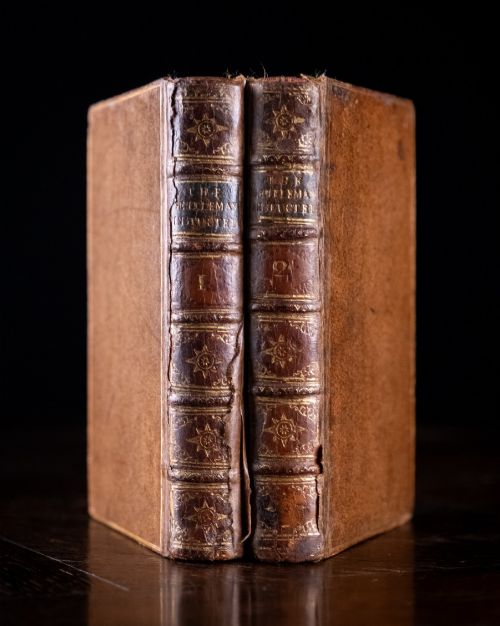
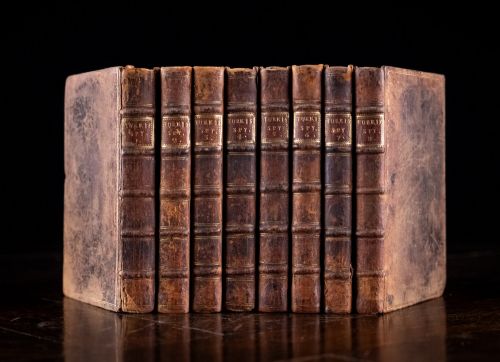
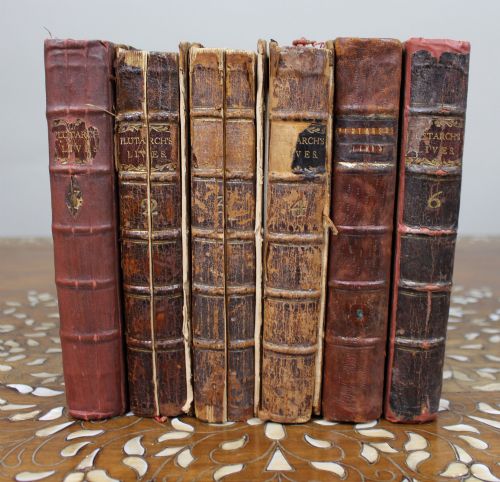
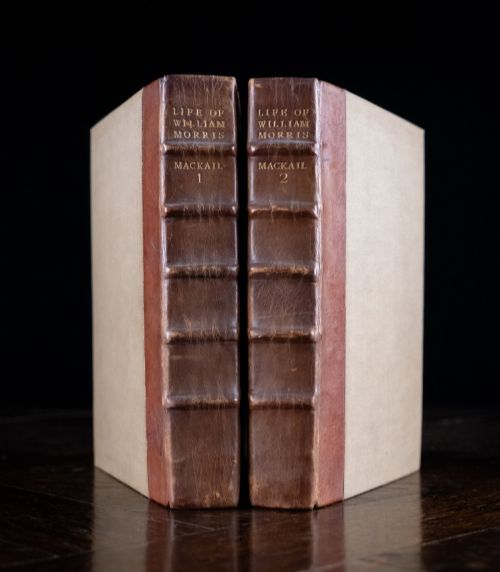
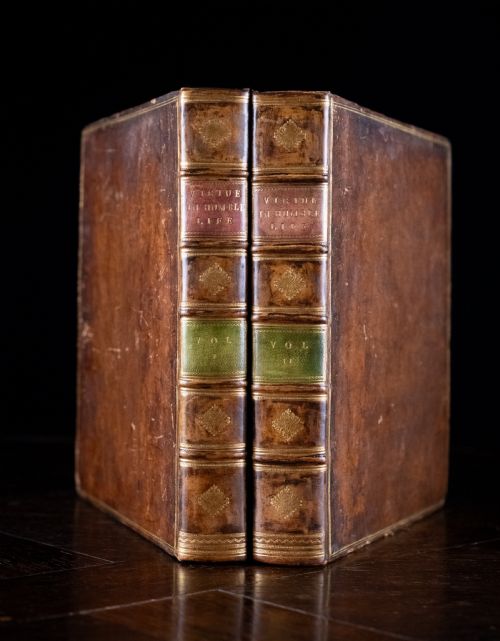
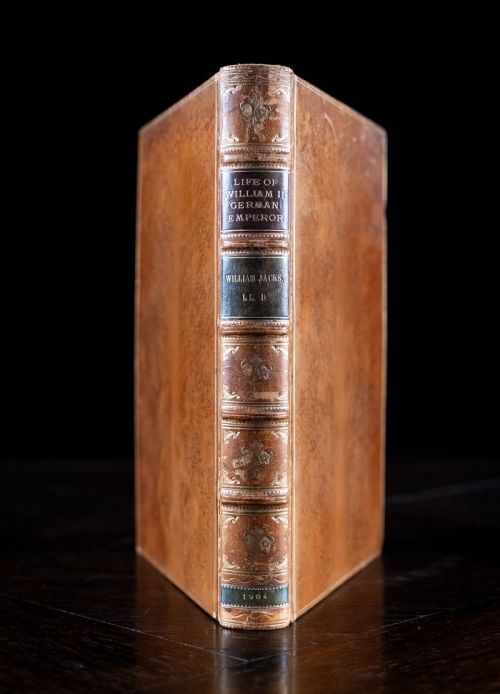
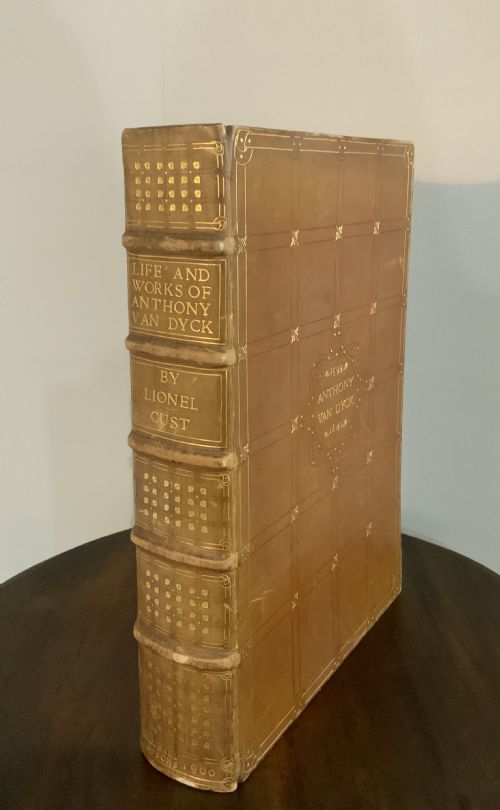
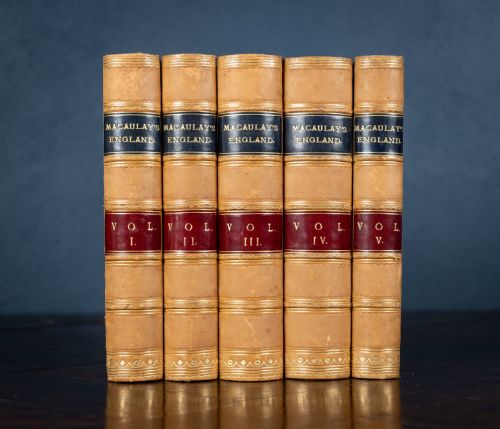
Brown decorative volumes bring warmth and substance to a room, offering tactile historical character through leather bindings and paper pages.
Brown Decorative Volumes
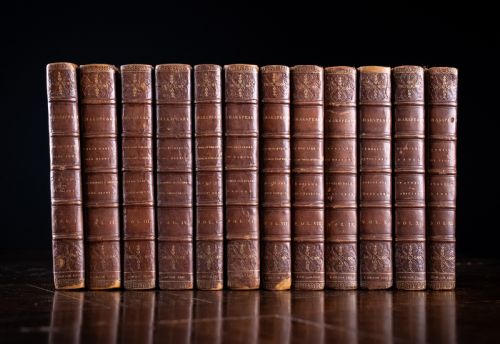
Brown decorative volumes encompass antique books, multi-volume sets, and antiquarian editions selected primarily for their rich earthy tones, leather bindings, and shelf presence. Buyers searching for brown decorative volumes typically encounter works spanning from the eighteenth century through the Edwardian era and early twentieth century. These pieces appear as single volumes, long runs, and complete sets covering history, literature, biography, and poetry.
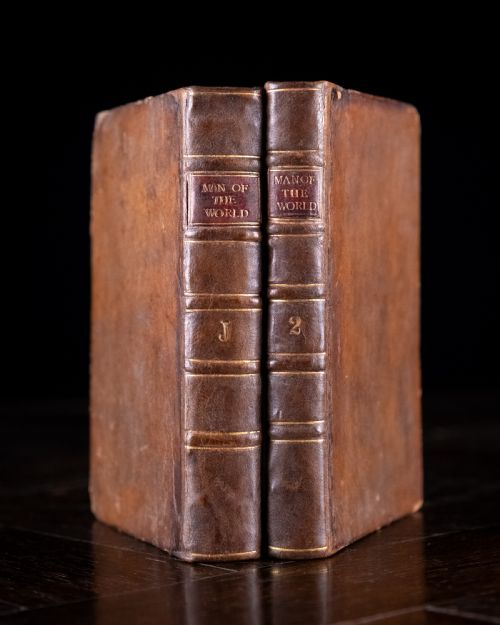
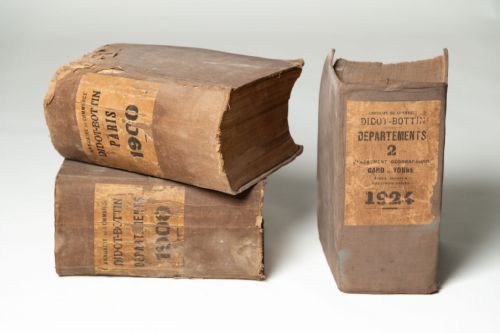
The selections available here range from eighteenth-century volumes published in London to Victorian and Edwardian sets bound in calfskin, cloth, and cardboard. Common forms include multi-volume histories, collected plays, and furnishing books chosen to dress a library or study. French texts and English county references sit alongside classic novels and biographical works.
What varies in quality
The standard of a volume rests upon the integrity of its binding, the crispness of the gilt tooling, and the uniformity of the set. Volumes that retain their original full leather covers with minimal abrasion stand apart from those with dry, flaking surfaces or heavily deteriorated hinges.
Completeness dictates value within multi-volume sets, where matching bindings across every book create a cohesive visual impact on a shelf. The clarity of the typography, the weight of the paper stock, and the presence of contemporary illustrations or plates further distinguish finer editions from standard reading copies.
Listings feature bindings from the eighteenth century to the mid-twentieth century, utilising calfskin, cloth, and gold leaf.
J. & R. Tonson·Jean Dassier·J. Wheble
The Brown Decorative Volumes Glossary
- Antiquarian books
- Volumes of considerable age, typically over a century old, collected for their historical interest, scarcity, or physical characteristics. These books often feature handmade paper and period typography.
- Calfskin leather
- A supple, smooth leather derived from the hide of a calf, frequently used for high-end bookbindings during the eighteenth and nineteenth centuries. It takes gilt tooling exceptionally well.
- Gilt tooled
- Decoration applied to book covers and spines using gold leaf pressed into the leather with heated metal tools. This technique creates metallic designs and lettering that catch the light.
- First edition
- The earliest printed appearance of a work, produced from the initial setting of type. Collectors prize these for their textual purity and association with the author's initial release.
- Raised bands
- Horizontal ridges across a book spine formed by the cords or strings to which the internal sections are sewn. They serve as both a structural anchor and a decorative feature of traditional binding.
Brown Decorative Volumes: Frequently Asked Questions
How do I care for leather bindings?
Keep antique leather books away from direct sunlight and extreme humidity fluctuations to prevent the material from drying out and cracking. Maintain adequate air circulation around your shelves.
Handle the volumes gently by supporting the spine rather than pulling them down by the headcap. Dust them regularly with a dry, soft cloth.
Are these books complete sets?
Many listings comprise multi-volume sets, such as twelve-volume Shakespeare editions or six-volume historical works, kept together as originally published. Check individual descriptions to confirm whether all stated volumes are present.
Some collections represent long runs of periodicals or uniform bindings assembled later for decorative shelving. These groupings offer a consistent aesthetic for interior display.
What periods do these books cover?
The inventory spans the eighteenth, nineteenth, and early twentieth centuries, encompassing Georgian, Regency, Victorian, and Edwardian eras. Publications range from the seventeen-fifties through the nineteen-fifties.
Earlier items often display hand-pressed paper and calfskin bindings, while later Victorian and Edwardian examples utilise cloth and gilt-tooled leather. Each era brings distinct typography and binding styles.
Can I read these antique books?
Most of these volumes remain legible and retain their original text blocks, allowing you to read the historical contents inside. Paper quality from these periods is often durable and well-preserved.
Fragile bindings or scarce first editions require careful handling during reading to protect the spine and sewing. Many buyers balance decorative display with gentle reading use.