


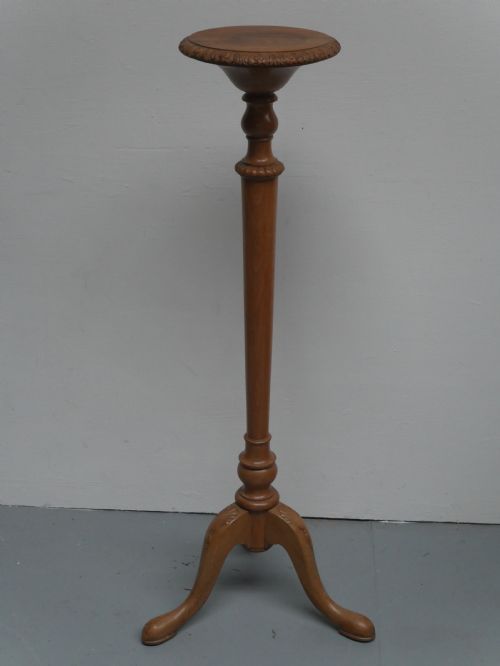


Brown Carved Torchere
These brown carved torcheres bring sculptural height and rich timber tones to any interior.
Brown Carved Torchere
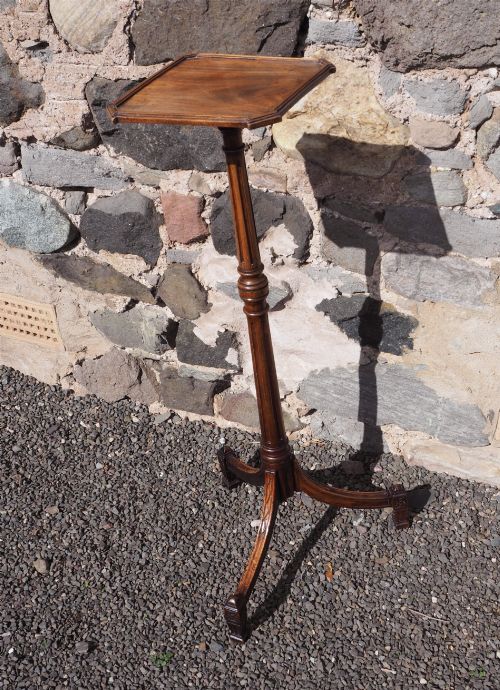
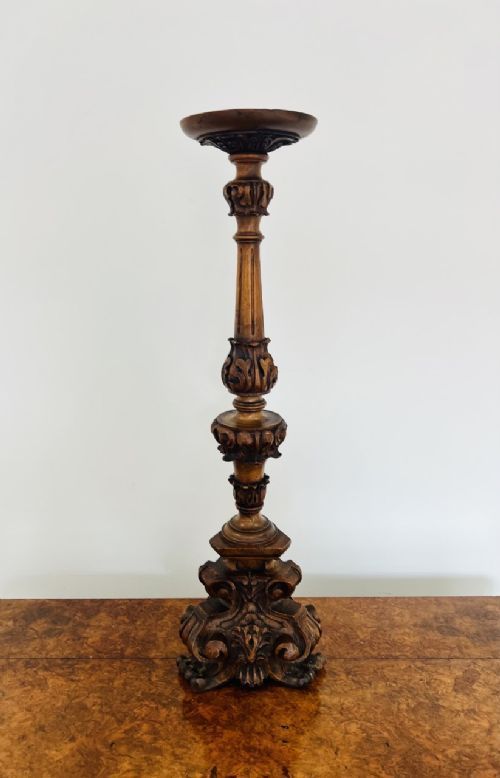
A brown carved torchere serves primarily as an elevated stand for a lamp, bust, urn, or plant, combining practical support with decorative presence. These pieces range from Georgian mahogany pillars to Victorian walnut stands and carved oak caryatid supports.
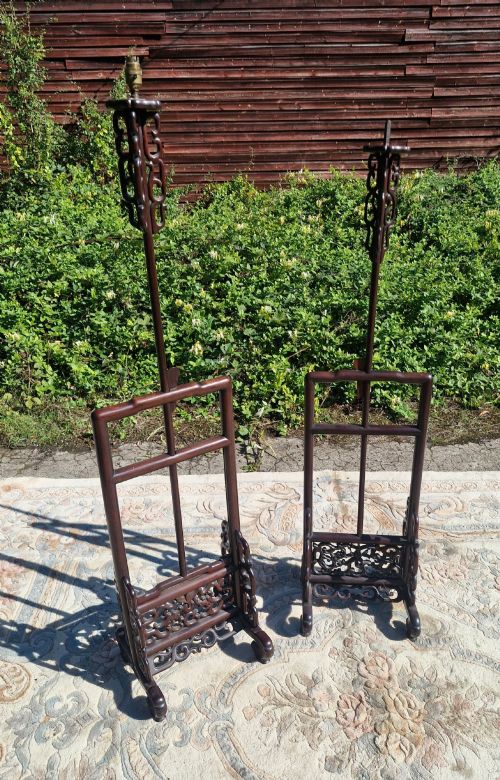
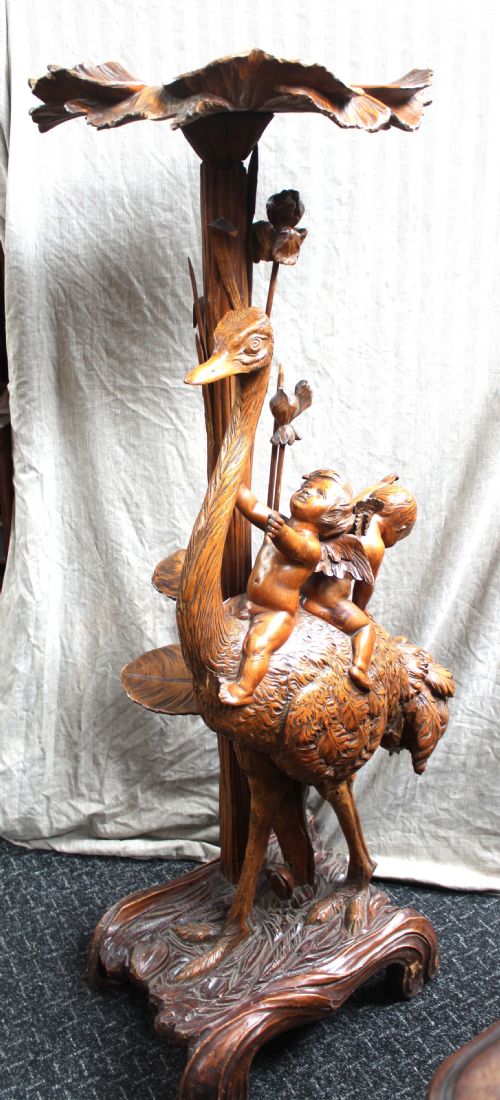
The selections available span multiple eras, including 18th century Dutch pieces, 19th century Italian designs, and Chinese dragon stands. Forms vary from simple tripod bases and spiral pillars to figurative carved figures and marble top pedestals.
How they were made
Timbers such as walnut, mahogany, oak, and hardwood form the structural core of these stands, chosen for their grain and strength. Craftsmen shaped these woods using intricate carving techniques to produce columns, figures, and spiral pillars.
Many examples incorporate secondary materials like marble tops, glass elements, and brass details to enhance the visual texture and utility of the stand. Joinery methods of the period ensure stability across tall tripod and pedestal forms.
Current listings feature timber varieties spanning walnut, mahogany, oak, and hardwood, alongside stone elements like marble.
What varies in quality
The depth, sharpness, and biological accuracy of the carved ornamentation distinguish standard production from superior craftsmanship. Figures, foliage, and structural fluting executed with crisp definition demonstrate greater skill in the workshop.
The choice of timber grain and the integrity of the original polish or finish determine the visual weight of the piece. Well-proportioned turning and balanced weight distribution on tripod and pedestal bases ensure both durability and elegance.
The Brown Carved Torchere Glossary
- Torchere
- A tall ornamental stand originally designed to hold a torch or candle, now commonly used for lamps or plants. These pieces emphasise vertical line and decorative carving.
- Caryatid
- A sculpted female figure serving as an architectural support taking the place of a column or pillar. This classical form appears frequently in nineteenth century pedestals.
- Jardiniere
- A decorative pot or stand intended for holding plants or flowers. In furniture terms, it often denotes a specialised table or pedestal top designed to accommodate damp containers.
- Tripod
- A three-legged base providing stable support for slender furniture forms. This configuration prevents rocking on uneven floor surfaces.
Brown Carved Torchere: Frequently Asked Questions
What is a torchere used for?
A torchere functions as a display surface for lamps, decorative vases, sculptures, or plants. Its primary purpose is to elevate objects to eye level within a room.
Historically designed for illumination, these pieces now serve decorative roles in corners, halls, or beside seating areas.
How do I style a torchere at home?
Place a torchere in an empty corner or flanking a doorway to introduce vertical interest and warm timber tones. Ensure the item placed on top complements the scale and weight of the stand.
Keep surrounding furniture balanced so the tall silhouette of the pedestal remains a deliberate focal point rather than an obstruction.
How do I identify a Victorian torchere?
Victorian examples often feature dark walnut or oak timbers with heavy carving, spiral pillars, or figural elements. Stylistic revivals such as Renaissance, Baroque, or Medieval influences predominate in this era.
Construction details, timber patination, and the specific repertory of nineteenth century ornamentation help confirm the period.
Are these stands stable enough for lamps?
Most torcheres and plant stands utilise weighted tripod bases or sturdy pedestal feet designed to support lamps securely. The distribution of weight prevents tipping under normal household conditions.
Heavier marble-topped variants offer additional stability, though positioning away from heavy traffic areas remains advisable for taller pieces.