



Putti Wood Carving
Putti wood carving brings the playful energy of celestial figures into domestic spaces through centuries of sculptural tradition.
Putti Wood Carving
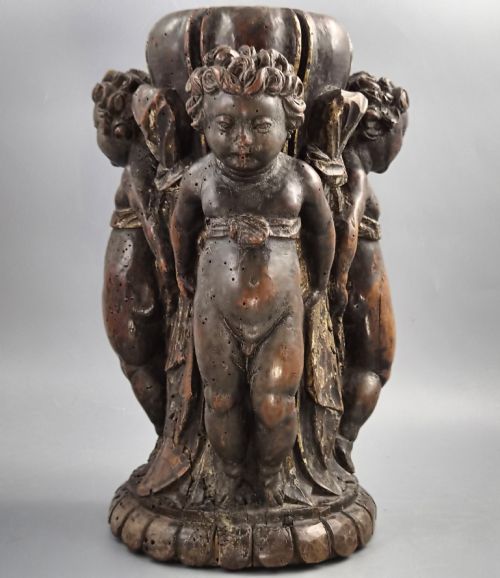
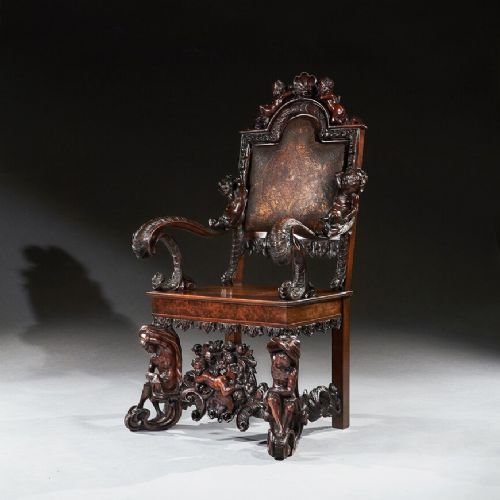
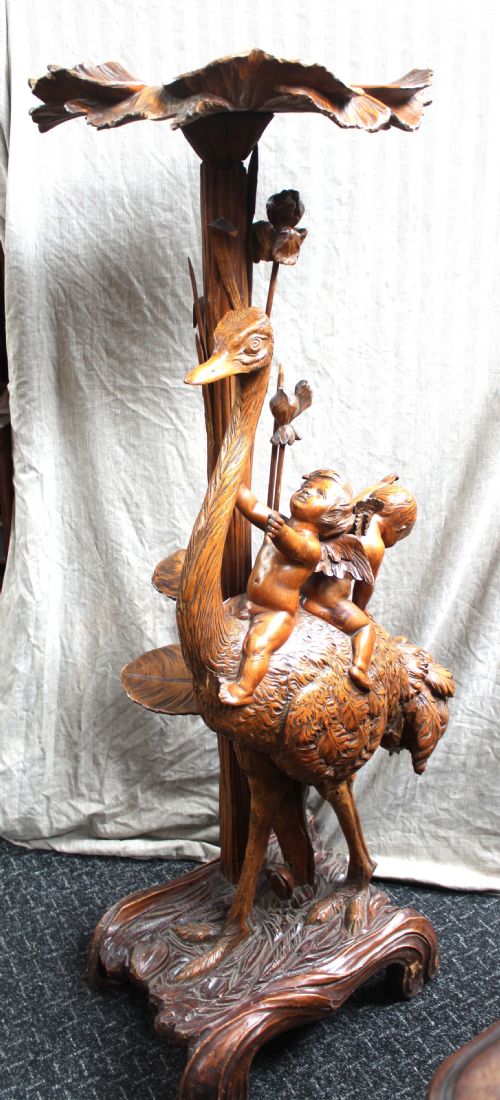
A putti wood carving depicts winged celestial infants derived from classical mythology, appearing frequently in European decorative arts. Buyers encounter these figures integrated into architectural elements, mirrors, furniture bases, and standalone statues across various periods. Italian and French workshops dominate the available selection, ranging from domestic items to monumental church fittings.
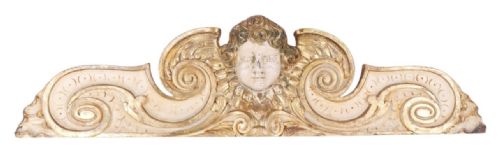
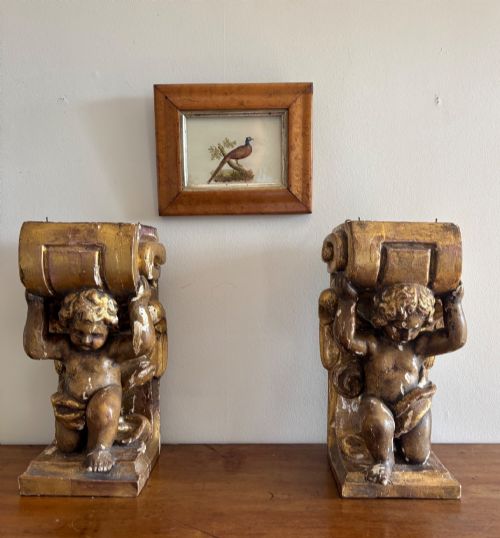
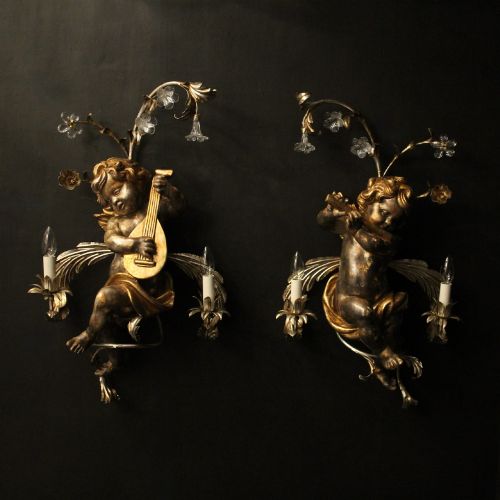
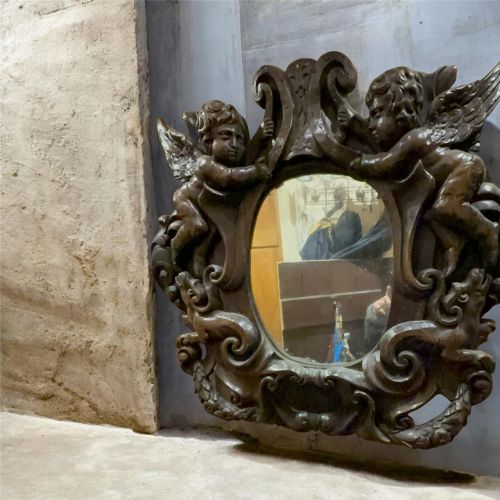
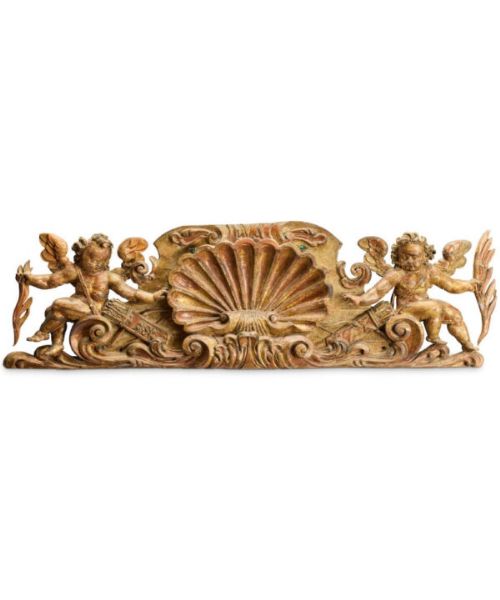
The forms extend from full-figure sculptures and table lamp bases to wall brackets, architectural pediments, and elaborate mirror frames. Seventeenth-century examples tend to use robust walnut or oak, whilst later nineteenth-century pieces often adopt lighter lime wood or gesso-coated surfaces. These items reflect stylistic revivals spanning Baroque, Renaissance, and Gothic movements rather than single eras.
Interior placement determines the chosen form, with wall sconces and brackets offering functional display whilst panels and mirrors provide decorative focal points. The survival of these carvings depends heavily on their original context, as many ecclesiastical elements transitioned into secular drawing rooms over time. Each piece demonstrates how carvers adapted classical motifs to suit changing domestic interior tastes.
Materials and construction methods
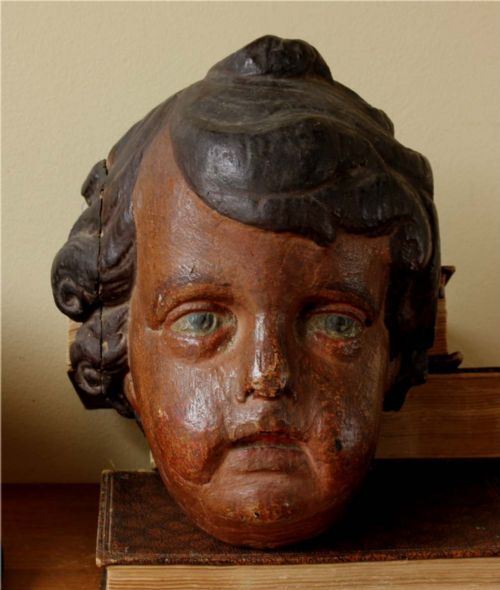
Carvers utilised European hardwoods such as walnut, oak, lime wood, and limewood to achieve intricate facial expressions and flowing drapery. Selection of timber dictated the depth of relief possible, with denser woods supporting structural architectural elements whilst softer varieties suited detailed facial work.
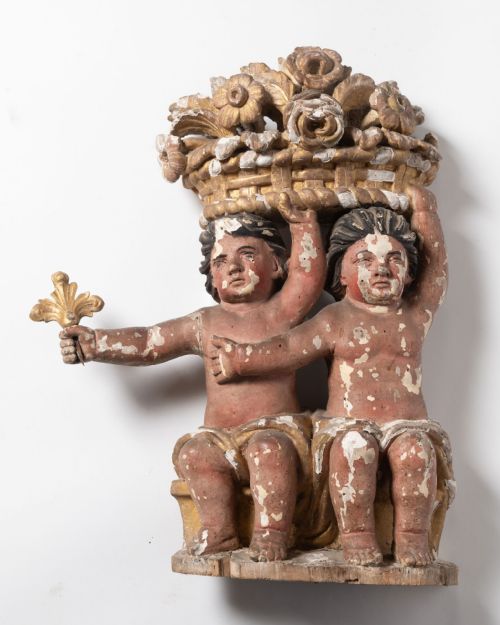
Surface treatments frequently involved gold leaf, gesso, polychrome paint, or silver gilt applied over the carved timber base to catch ambient candlelight. Guilds and regional workshops balanced raw wood finishes with elaborate gilding depending on whether the object originated from a domestic interior or a sacred altar.
Listings span periods from the seventeenth century through the twentieth century, featuring materials such as carved wood, gesso, gold leaf, and oak.
Judging the craftsmanship
The integrity of the underlying wood and the preservation of original gesso or gold leaf layers determine the longevity and historical value of the piece. Later revivals often display mechanical tooling marks, contrasting with the fluid hand-carved contours found in earlier Baroque and Renaissance production.
Andrea Brustolon·Grinling Gibbons
The Putti Wood Carving Glossary
- Putto
- A chubby male infant figure frequently found in classical art and decorative sculpture. Singular form of putti.
- Giltwood
- Timber that has been coated with gold leaf or gold paint for decorative effect. This finish appears extensively on mirrors and wall brackets.
- Polychrome
- Decorated in several colours. This surface treatment is common on wooden religious figures and architectural panels.
- Torchiere
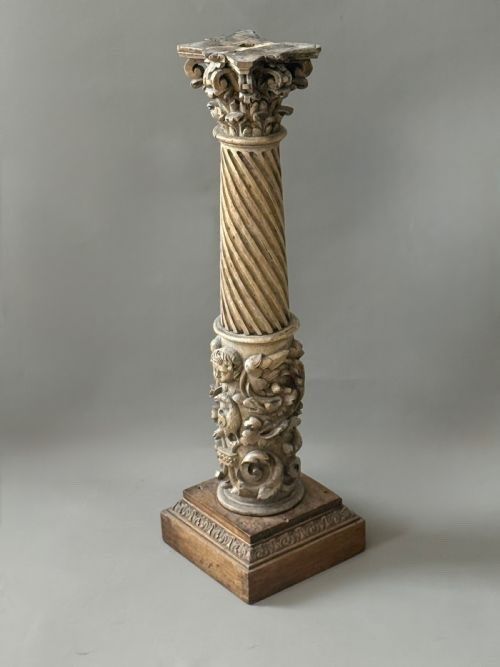
- A tall stand or lamp standard designed to hold a light source. These often incorporate carved figures into the structural support.
- Pediment
- A triangular or ornamental gable above a door, window, or architectural feature. Carved wooden examples often incorporate cherubs or scrollwork.
Putti Wood Carving: Frequently Asked Questions
How were antique putti carvings used?
Historical interiors utilised these carvings as mirror frames, wall brackets, torchiere bases, and architectural pediments over doors. They added movement and decorative richness to formal reception rooms and chapels.
Many pieces originated as furniture mounts or altar decorations before being separated from their original context over the centuries. Today they function primarily as wall art or sculptural focal points in period rooms.
How do I date a wooden putti carving?
Dating relies upon analysing the wood species, tool marks left by the carver, and the stylistic characteristics of the period. Seventeenth-century examples typically show heavier oak or walnut construction with deep, hand-chiselled relief.
Later nineteenth-century revival pieces often incorporate machine-finished elements, lighter lime wood, or standardised gesso applications. Comparing the patina of the bare wood helps confirm age.
How should I care for an antique wood carving?
Maintain stable humidity and temperature levels to prevent the timber from drying out, cracking, or warping over time. Avoid placing carved wooden objects near direct heat sources or in strong sunlight.
Dust the surface gently with a dry, soft brush rather than using chemical polishes or wet cloths. Giltwood and polychrome surfaces require particular care to preserve delicate gold leaf layers.