


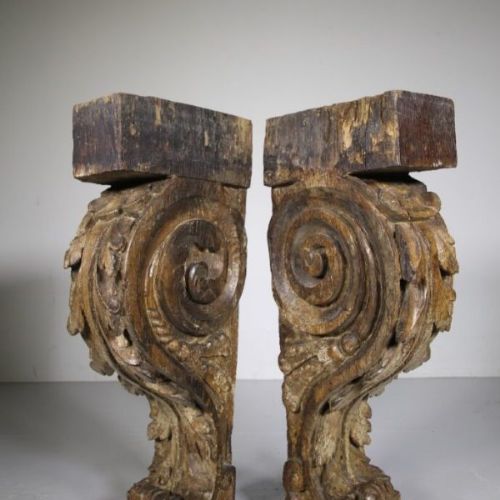


Brown Carved Corbels
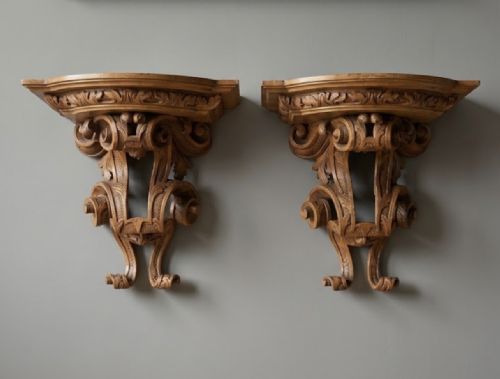
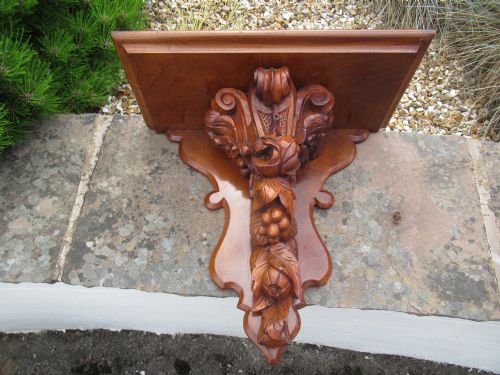
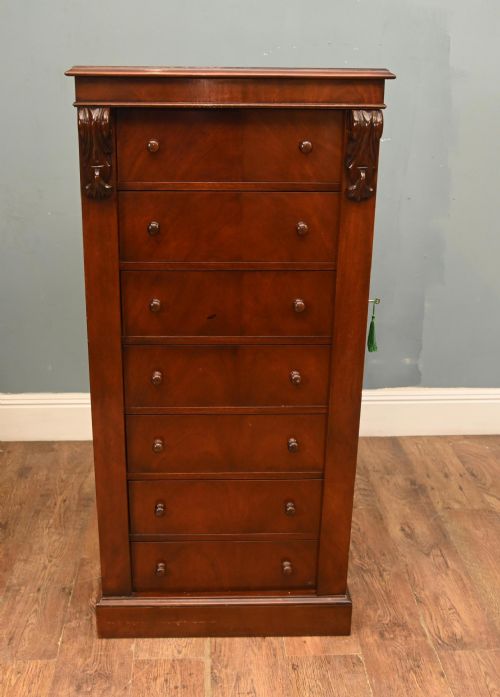
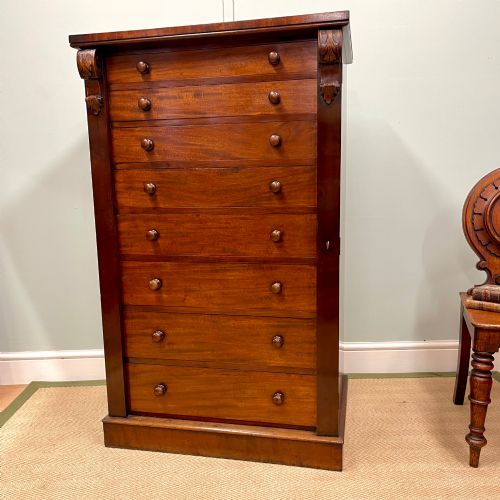
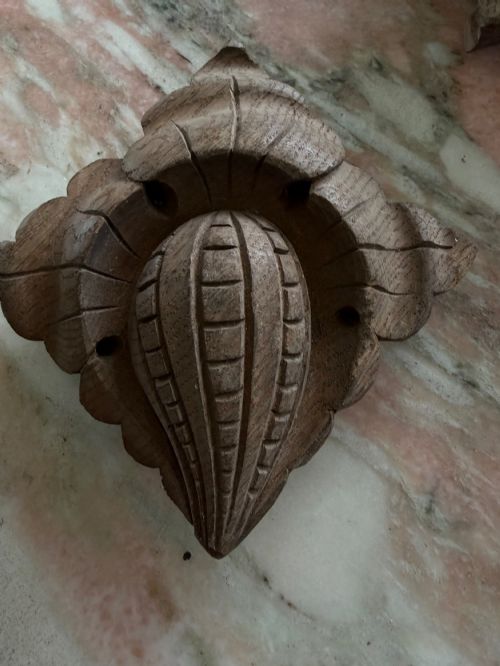
Brown carved corbels are substantial architectural supports offering robust timber construction and intricate ornamental detail for period interiors.
Brown Carved Corbels
Brown carved corbels encompass sturdy architectural elements and decorative wall brackets designed to project from a vertical surface and bear weight or ornament a space. These pieces emerge from periods spanning the seventeenth century through the Victorian era, reflecting architectural traditions across English, Continental, and Chinese origins.
Buyers seeking brown carved corbels encounter architectural salvage and wood carvings fashioned from rich timbers such as oak, walnut, mahogany, and pine. The selection ranges from seventeenth-century oak building brackets and figurative carvings to Victorian walnut wall displays and Georgian oak pairs.
Many items serving similar decorative and structural functions appear alongside traditional corbels under this search phrase, including wall brackets, ceiling boss panels, and architectural carvings. These forms frequently display distinct regional styles, including Baroque Revival, Black Forest, and seventeenth-century Continental workmanship.
What varies in quality
The standard of carving execution dictates the primary tier of quality within these architectural pieces, distinguishing master-carved figurative works from standard production items. Crisp depth in the relief work and anatomical precision in figures or cherubs indicate superior workshop production.
The selection of timber grain and the condition of the original wood surface influence the long-term desirability of each piece. Intact structural returns and well-preserved historical patination separate exceptional architectural salvage from heavily restored examples.
Listings span centuries of woodwork, ranging from seventeenth-century oak figures to nineteenth-century walnut Black Forest carvings.
Luigi Frullini
The Brown Carved Corbels Glossary
- Corbel
- A structural piece of stone, wood, or metal projecting from a wall to carry a weight. In woodworking, these elements often double as ornate wall brackets.
- Architectural salvage
- Building elements rescued from structures slated for demolition. These pieces retain historical joinery and period finishes.
- Black Forest
- A style of nineteenth-century wood carving originating from the Swiss-German border region. It typically depicts naturalistic animals and foliage in rich walnut.
- Caryatid
- A sculpted female figure serving as an architectural support taking the place of a column or a pillar. These forms appear in seventeenth-century wood carvings.
- Rosewood veneer
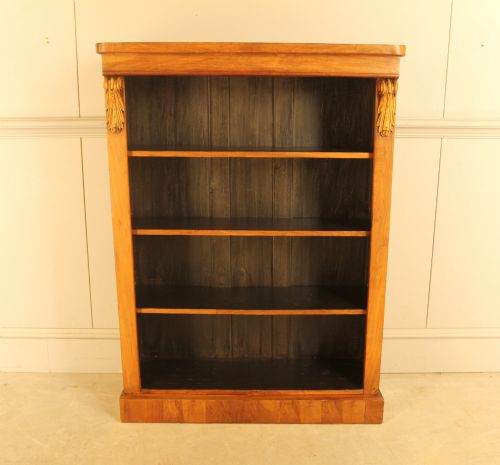
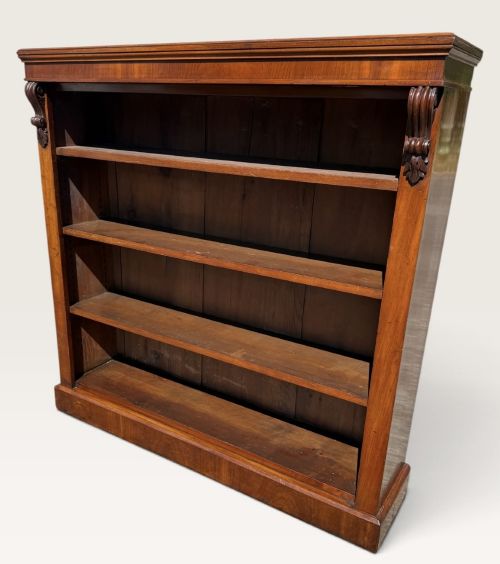
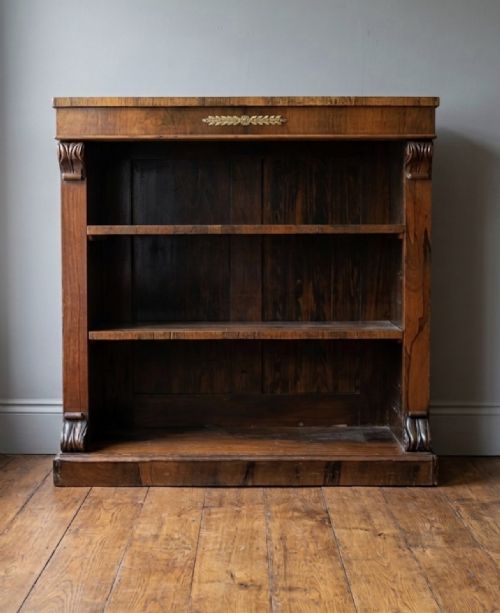
- A thin decorative layer of dense, figured rosewood applied to a secondary timber base. This finish is common on nineteenth-century bookcases and furniture.
Brown Carved Corbels: Frequently Asked Questions
How were antique corbels originally used in buildings?
Architectural corbels functioned primarily as heavy structural brackets supporting ceiling beams, mantelpieces, or upper wall projections.
Over time, many decorative examples transitioned into interior wall brackets for displaying objects or serving as standalone architectural ornaments.
What woods should I expect to find?
The listings show a predominance of dense hardwoods including oak, walnut, and mahogany, alongside pine and rosewood veneer.
Earlier seventeenth-century pieces rely heavily on solid oak, while later Victorian items frequently utilise walnut and mahogany.
How do I tell seventeenth-century pieces from Victorian revivals?
Seventeenth-century items exhibit tool marks, heavy oak oxidation, and construction methods consistent with early hand-tool joinery.
Victorian revival pieces often display softer walnut timbers, different patination depths, and stylistic revivals of Baroque forms.
Can these wall brackets support heavy items today?
Solid wood corbels and wall brackets possess substantial weight-bearing capacity due to their original architectural function.
Wall mounting security depends entirely on proper professional installation into suitable masonry or studwork rather than the strength of the timber alone.