



Brown Canvas Artwork
Brown canvas artwork brings deep tonal richness and centuries of portraiture and modernism into a room.
What brown canvas artwork is
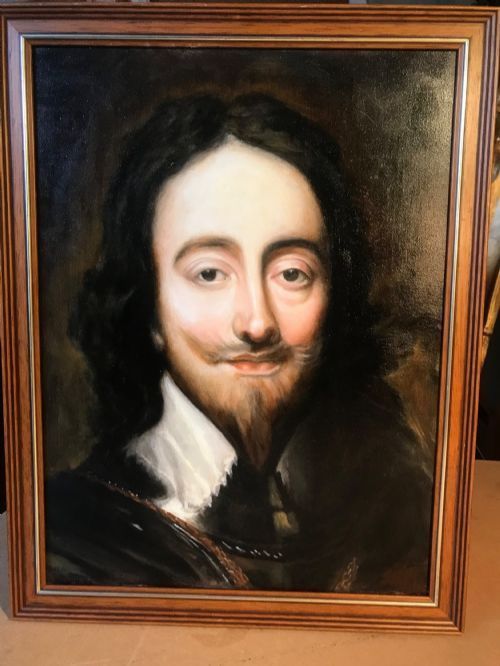
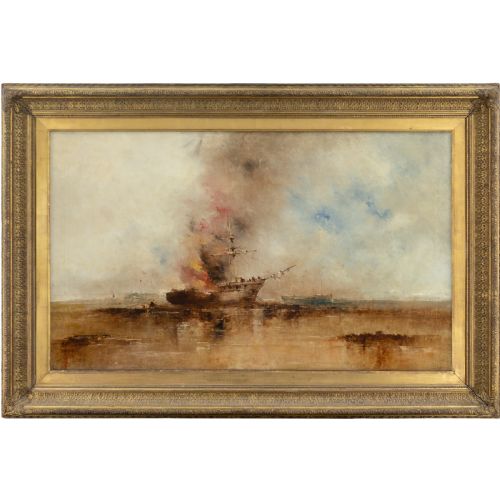
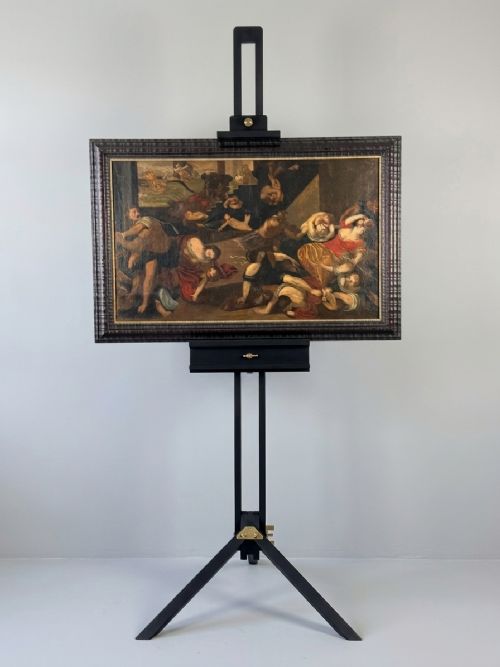
When you search for brown canvas artwork, you are looking at paintings executed on canvas that feature deep, warm, or muted brown palettes. These works range from early portraits to later modern interiors.
The pieces you are most likely to meet on this page span the seventeenth century, the Regency era, the nineteenth century, and the nineteen-forties. They include Dutch Golden Age and Baroque portraiture alongside twentieth-century cubist abstraction.
The subjects depicted vary from nocturnal portraits and gentlemen to children at play and modernist interiors. Each piece carries the distinct visual weight of oil paint applied to canvas.
How they were made
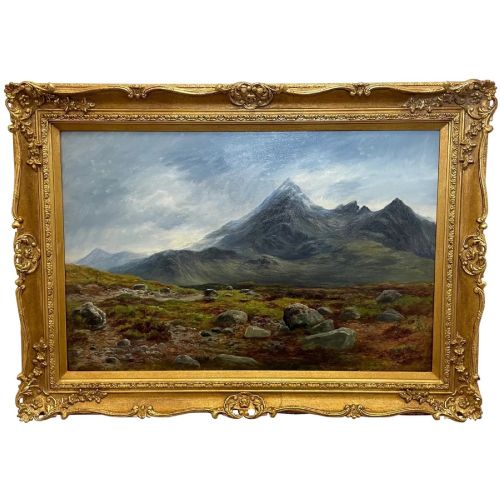
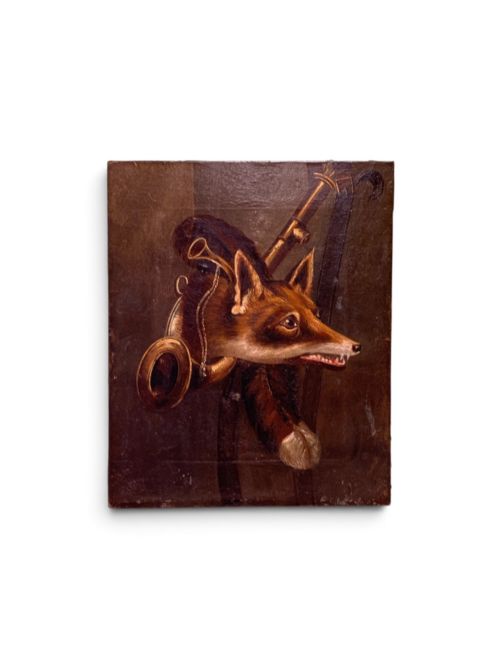
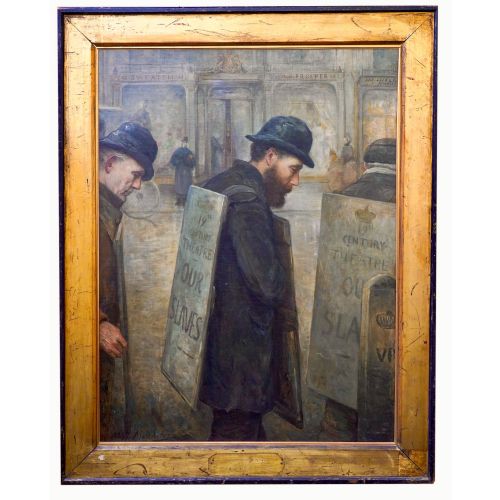
These works are created using oil paint on canvas, a primary medium that allows for deep layering and rich tonal depth. The physical support is stretched canvas, often housed within frames made of wood, gilt, ebonised wood, giltwood, and gesso.
The structural framing utilises traditional materials such as gesso applied to wood substrates, finished with gilt or ebonised surfaces. This combination provides both protection and aesthetic complement to the oil paintings within.
Retail Price Guide 2026
Typical UK retail prices for brown canvas artwork, calculated from the Sellingantiques database of over a million retail prices indexed since 2003. This retail price guide relies exclusively on Sellingantiques data; no external sources or auction records are used, so the figures do not describe the wider market.
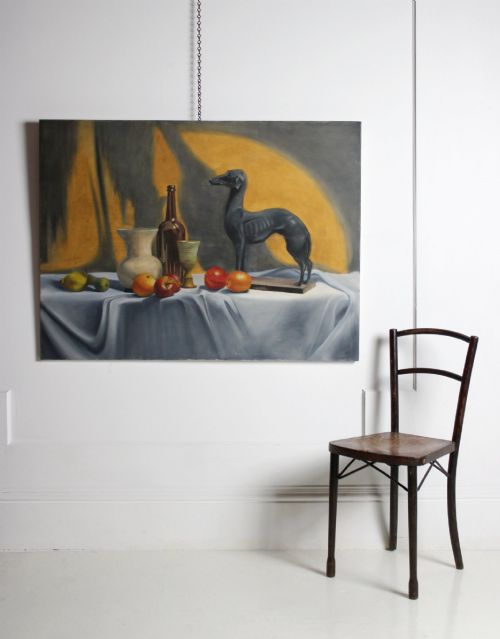
A solitary bowl of soup makes a surprise appearance as a large cubist interior.
What varies in quality
Quality in these works resides in the handling of the oil medium and the depth of the tonal range across the canvas. Finer examples demonstrate sophisticated control over light and shadow, particularly in nocturnal or shadowed compositions.
The execution of the frame also marks the standard of the piece, with genuine period gesso, giltwood, and ebonised wood mouldings offering a more integrated and historically appropriate enclosure for the canvas.
Godfried Schalcken·Henry Tanworth Wells
The Brown Canvas Artwork Glossary
- Oil on Canvas
- A traditional painting medium where pigments are suspended in a drying oil, applied to a stretched woven fabric support. This combination allows for rich blending and enduring visual depth.
- Gesso
- A plaster-like mixture used as a base coat on wooden frames before applying gilding or paint. It provides a smooth surface for decorative finishing.
- Ebonised Wood
- Timber that has been treated to resemble ebony, a technique often utilised on period frames to create a deep black contrast. It became popular for framing formal portraits.
- Cubist Abstracted
- An artistic style breaking subjects down into geometric shapes and multiple viewpoints, seen in mid-twentieth-century interior paintings. It reinterprets traditional forms through a modern lens.
Frequently Asked Questions
What periods do these paintings cover?
The selections span multiple eras, including the seventeenth century, the Regency period, the nineteenth century, and the nineteen-forties.
These diverse dates encompass various artistic movements such as the Dutch Golden Age, Baroque style, Victorian traditions, and Modernism.
What framing materials are used?
Frames associated with these works utilise traditional materials such as wood, gilt, ebonised wood, giltwood, and gesso.
These varied surrounds complement the oil on canvas mediums and reflect the specific decorative tastes of their respective periods.
How should I live with oil on canvas?
Oil paintings on canvas benefit from stable indoor environments away from direct sunlight and excessive humidity fluctuations.
Displaying them in rooms with moderate climates helps preserve both the canvas support and the traditional wooden or gilt frames.
What subject matter appears most often?
Portraiture forms a significant part of the selection, featuring gentlemen, children at play, and nocturnal studies.
In addition to human subjects, the works also include abstracted modernist interior scenes.