


Brown Bronze Bird Ornament
These brown bronze bird ornament pieces capture avian subjects in metal, offering collectors fine sculptural detail and enduring appeal.
Brown Bronze Bird Ornament
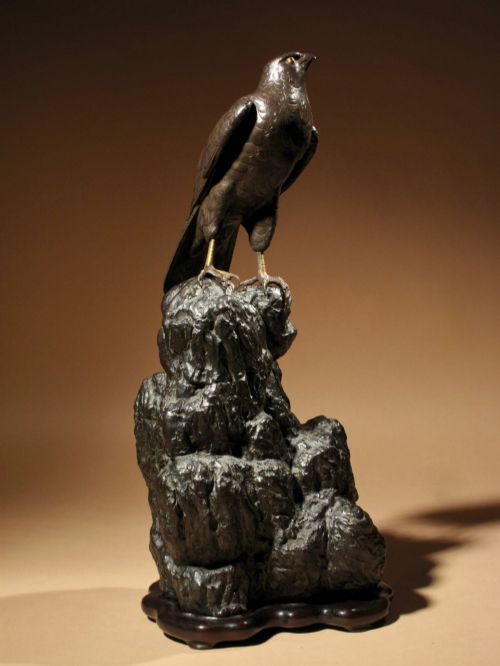
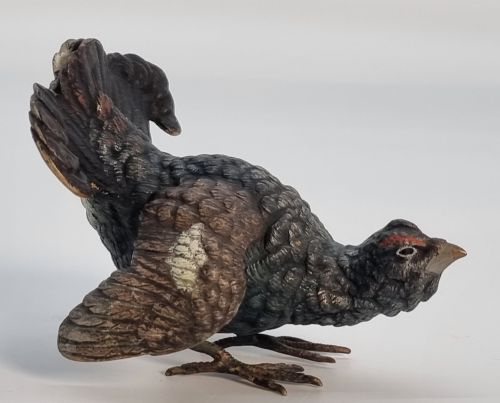
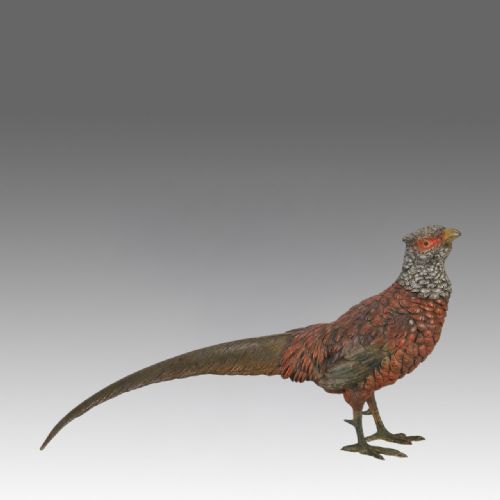
When you search for a brown bronze bird ornament, you encounter sculptural works spanning the nineteenth and early twentieth centuries. These figures depict various birds, including hawks, pheasants, grouse, capercaillie, eagles, sparrows, and birds in compositions with human figures. Forms range from freestanding animalier studies to decorative vases incorporating avian motifs.
Pieces originate from distinct European and Japanese traditions, notably Austrian cold-painted workshops, French animalier schools, and Meiji period metalwork. The most frequent examples include European cold-painted bronze bird figures and French animalier bronze sculptures. Vases with bronze and cloisonné elements also appear within this category.
How they were made
These objects rely primarily on cast bronze, often enhanced with patination or applied cold paint to render realistic plumage and coloration. Artisans utilised traditional casting techniques, sometimes finishing surfaces with enamel work, copper accents, brass details, and wooden mounts.
Foundries and individual sculptors employed detailed chasing and chiselling on the cast metal before applying surface finishes. Cold-painted pieces received careful hand-applied pigments over the bronze substrate, while others relied on chemical patination to achieve deep brown tones.
Listings feature bronze bird ornaments spanning the nineteenth century and the early twentieth century, incorporating materials like enamel, wood, and cold paint.
What varies in quality
The standard of a piece rests on the crispness of the metal casting and the sensitivity of the sculptural modelling. Superior examples display fine anatomical precision in the bird's feathers and posture, reflecting the hand of a skilled sculptor or established foundry.
Preservation of surface finishes, such as original cold paint or patination, distinguishes better specimens from those with heavy wear or later repainting. The fidelity of the cast and the clarity of maker markings or signatures further influence the standing of an item.
Franz Bergman·Antoine Louis Barye·Barbedienne·P J Mêne·Maurice Bouval·Auguste Moreau·Ferdinand Pautrot
The Brown Bronze Bird Ornament Glossary
- Animalier
- A nineteenth-century artistic movement focusing on the realistic portrayal of animals. Sculptors in this tradition captured creatures in dynamic or naturalistic poses.
- Cold-painted bronze
- A technique where bronze sculptures are painted with oil-based paints after casting, rather than being fired in a kiln. This method allows for vivid coloration on small metal figures.
- Patinated bronze
- Metal treated with chemical solutions to produce a specific surface colour, most commonly brown or dark tones. This finish protects the metal and defines sculptural contours.
- Meiji Period
- A period in Japanese history spanning from eighteen sixty-eight to nineteen twelve, noted for exceptional metalwork and decorative arts exported to the West.
- Cloisonné
- An enamelling technique where thin metal wires are soldered to a metal base to create compartments filled with enamel paste. These decorated surfaces often complement bronze elements on vases.
Brown Bronze Bird Ornament: Frequently Asked Questions
What is a cold painted bronze bird?
A cold painted bronze is a metal sculpture finished with paint applied without kiln firing. Makers used this technique extensively in Austrian workshops to give realistic colour to bird models.
These pieces require careful handling to preserve the delicate paint surface. Dusting with a soft, dry brush keeps the finish intact.
How do I identify an animalier bronze?
Animalier bronzes focus specifically on accurate representations of animals in natural poses. These works date primarily from the nineteenth century and often bear the signature of the sculptor on the base.
Examining the musculature and feather detail helps distinguish these artistic studies from standard decorative castings. Many carry foundry marks alongside the artist's name.
Where should I display these bird sculptures?
These sculptures suit tabletops, mantelpieces, and enclosed display cabinets where viewers can inspect the fine detail. Keeping them away from direct sunlight protects surface patinas and cold-painted finishes.
Pairing smaller bronze birds with books or natural objects highlights their nineteenth-century aesthetic. Stable shelves prevent accidental tipping.
How do I date a bronze bird ornament?
Dating relies on stylistic clues, foundry stamps, artist signatures, and the type of finish applied to the metal. Pieces from the nineteenth century often reflect French animalier traditions, while early twentieth-century examples frequently stem from Austrian cold-painted production.
Comparing the casting quality and mounting materials provides additional context for the period of creation. Maker marks serve as the most reliable indicator of exact origin.