



Brown Bronze Art Figure
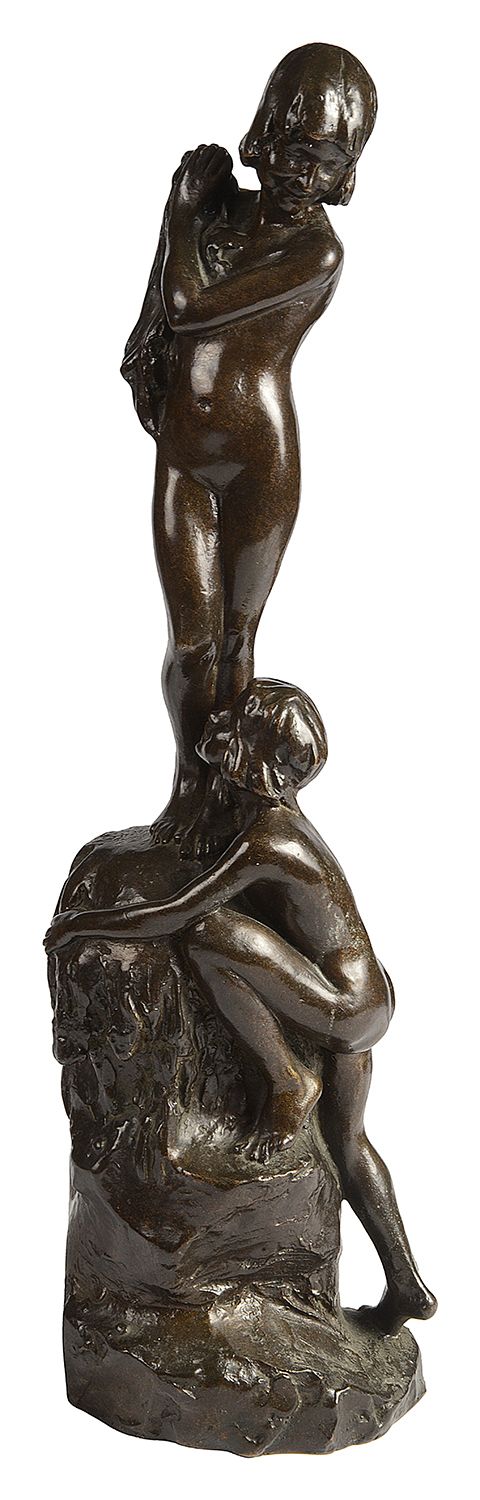
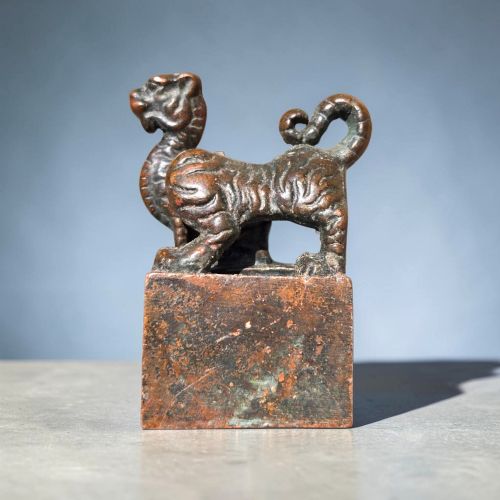
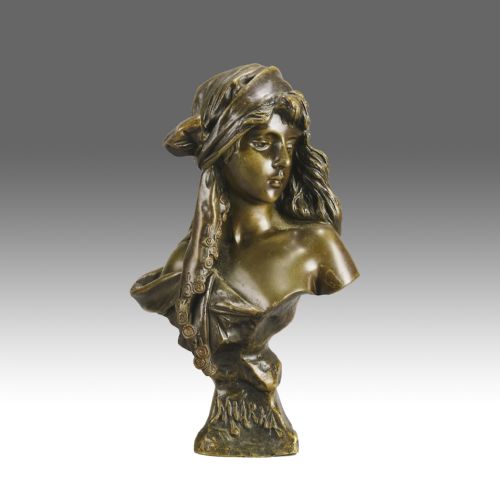
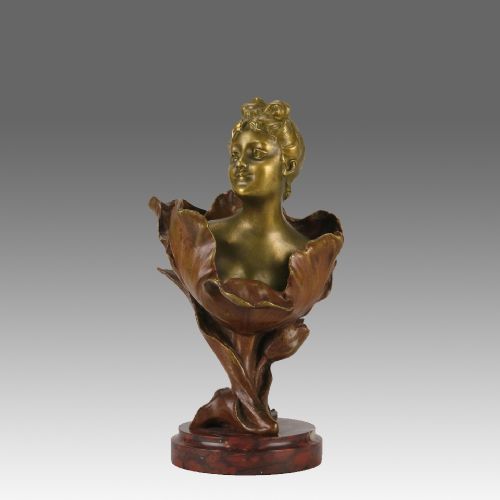
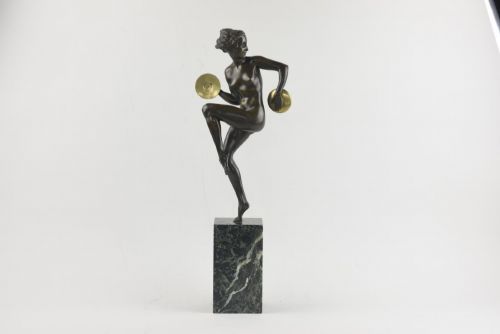
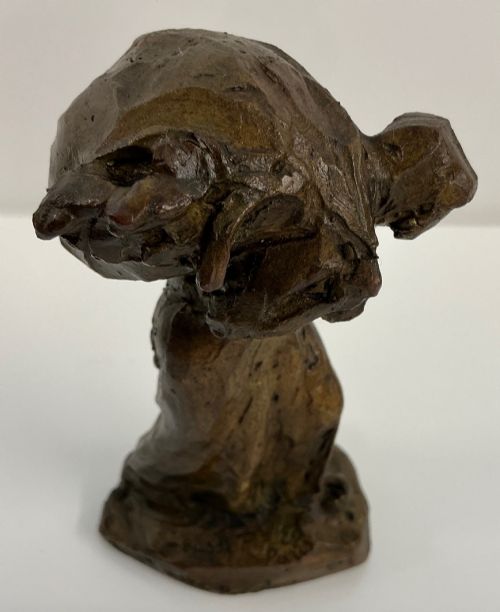
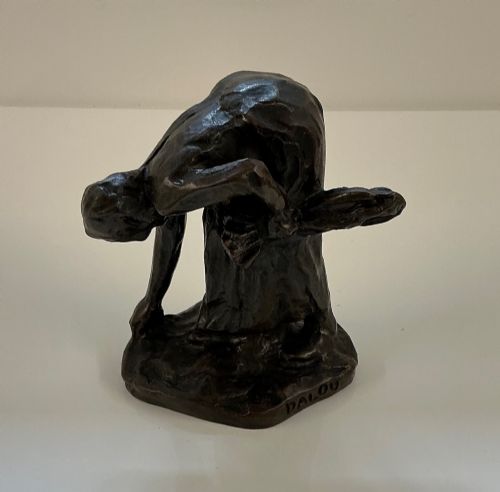
A brown bronze art figure brings the human form, animals, and mythological subjects into a room through cast metal.
Brown Bronze Art Figure
A brown bronze art figure encompasses sculptures, busts, and statuettes cast from metal and finished with varied patination. When exploring this selection, buyers encounter works spanning the nineteenth century through the Art Nouveau and Art Deco periods.
The subjects range from dancers, children, and mythological figures to animals and literary characters. Many pieces integrate functional elements such as lamps, bookends, and desk tidies alongside standalone statuary.
Originating predominantly from European foundries, these sculptures utilise materials including bronze, patinated bronze, gilt bronze, and occasional complementary mounts of marble or onyx.
Materials and Construction
Foundries produced these sculptures primarily in bronze, copper alloy, and occasionally bronzed plaster, shaping them through traditional casting methods. Metal surfaces received chemical treatments to achieve rich brown patinas, while others were cold painted or gilt.
Many figures incorporate solid bases of marble, onyx, or stone to anchor the metalwork. Sculptors modelled the initial forms in clay or plaster before creating the metal casts.
Listings feature works spanning the sixteenth century to the 1930s, uniting classical realism, Art Nouveau, and Art Deco movements.
Assessing Quality and Execution
Execution lies in the crispness of the chasing and the subtlety of the brown patina. Finer castings preserve delicate facial expressions, hair texture, and drapery folds without softening the underlying metalwork.
The integration of secondary materials such as marble or onyx bases affects the overall presence of the piece. Quality rests upon the fidelity of the cast to the sculptor's original model and the depth of the metal finish.
Emmanuel Villanis·Carl Kauba·Pierre le Faguays·Jules Dalou·Maurice Guiraud Riviere·Auguste Moreau
The Brown Bronze Art Figure Glossary
- Patinated Bronze
- Bronze treated with chemical solutions to produce a specific surface colour, most commonly shades of rich brown. This treatment protects the metal and defines the visual character of the sculpture.
- Art Nouveau
- A decorative style prominent around 1900, characterised by flowing organic lines and natural motifs. Sculptures from this period often depict female figures with long hair and floral elements.
- Art Deco
- A design movement of the 1920s and 1930s favouring geometric shapes, stylised human forms, and dynamic movement. Figures from this era frequently represent dancers, athletes, and sleek animals.
- Spelter
- A zinc alloy used as a less costly alternative to bronze, frequently painted or bronzed to simulate metal. It appears in several figures and decorative objects from the early twentieth century.
- Cold Painted
- A technique where paint is applied to cold metal without subsequent firing. This finish requires careful handling to prevent flaking over time.
Brown Bronze Art Figure: Frequently Asked Questions
How do I clean a bronze figure?
Dust the surface gently with a soft, dry brush to remove particles. Avoid harsh chemical cleaners or polishes that can strip the patination.
Apply a very thin coat of microcrystalline wax if the metal requires protection, buffing it lightly with a clean cloth.
What is the difference between bronze and spelter?
Bronze is a durable copper alloy that takes a deep patina and holds sharp cast details. Spelter is a softer zinc alloy that feels lighter and requires surface paint or plating to resemble bronze.
Examination of the underside or worn areas often reveals the underlying metal colour.
How can I date a bronze sculpture?
Dating relies on stylistic clues, foundry marks, artist signatures, and the characteristics of the casting process. Art Nouveau and Art Deco pieces carry distinct aesthetic markers from their respective decades.
Base materials like green marble or specific types of onyx can also help establish the era of production.
Where should I place a bronze figure?
Position the sculpture away from direct sunlight and high moisture areas to preserve the patina and any stone bases. Sturdy tabletops, desks, or mantelpieces provide stable support for heavier pieces.
Ensure the surrounding space allows the form and silhouette of the figure to be viewed clearly from multiple angles.