






Brown Botanical Artwork
Brown botanical artwork brings floral and plant studies into interiors through watercolours, oils and engravings spanning multiple centuries.
Brown Botanical Artwork
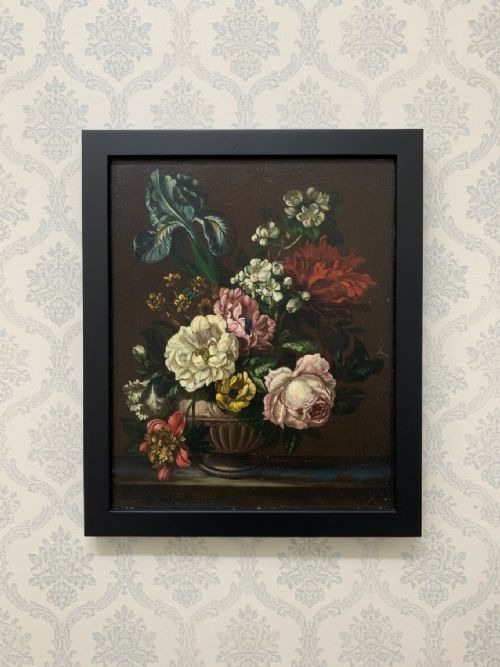
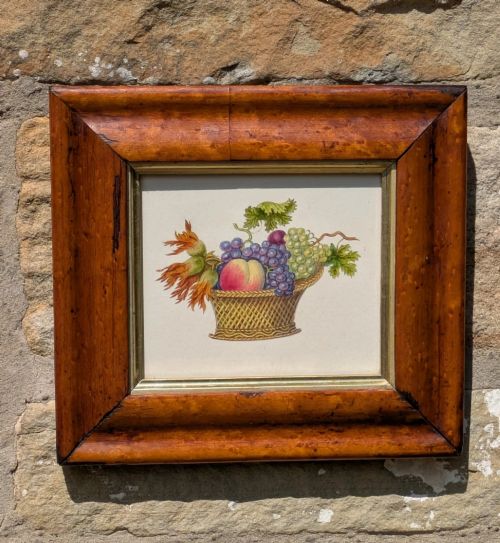
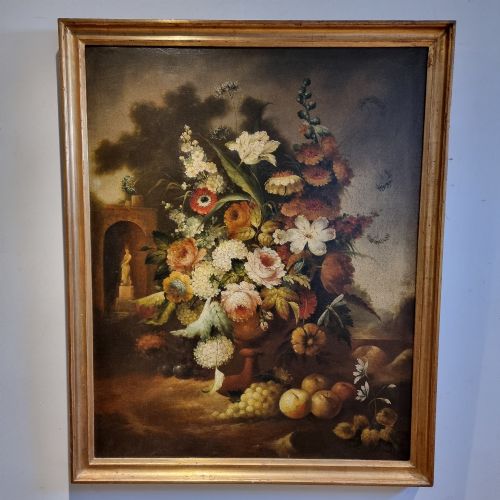
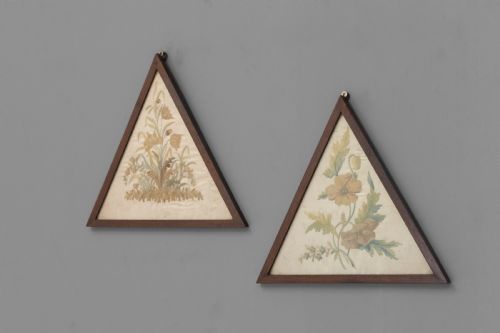
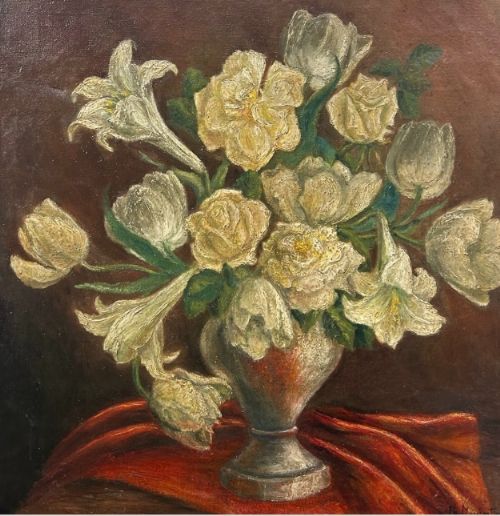
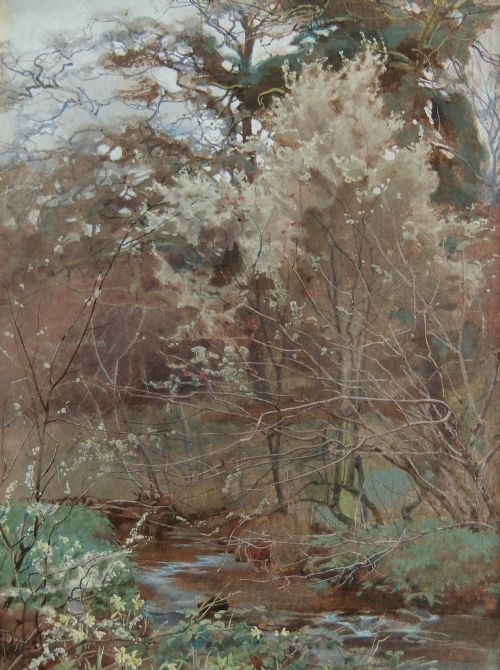
When you search for brown botanical artwork, you encounter wall art spanning from the Regency era through to mid-century modern pieces. The selection includes original watercolours, oil paintings on canvas or panel, framed prints, and detailed engravings focusing on flowers, plants, and natural studies.
You meet nineteenth-century watercolours depicting wallflowers and pelargoniums alongside twentieth-century oil paintings of spring flowers and chestnut leaves. These works range from intimate framed miniatures to large still-life compositions and ornithological studies.
The aesthetic bridges traditional English country house charm and Dutch golden age inspiration. Pieces frequently feature earthy tones, terracotta pots, and natural specimens rendered with careful observation.
What varies in quality
The standard of execution in brown botanical artwork depends on the directness of observation and the handling of the chosen medium. Finer watercolours demonstrate precise botanical accuracy, whereas accomplished oil paintings show confident brushwork and tonal harmony.
The integrity of the original support and framing materials also influences the piece. Works that retain their period frames and stable paper or canvas surfaces preserve the intended visual impact more successfully.
Listings feature works spanning from the Regency era through to 1960, utilising paper, oil paint, watercolour, canvas, wood, glass, and ink.
James Tower·Lester Sutcliffe·Terence Loudon·Robin MacKertich·Marian Chase·Alfred W Parsons·Jabez Bligh·Owen Bowen·Cuthbert Edmund Swan
The Brown Botanical Artwork Glossary
- Watercolour
- A paint consisting of pigment suspended in a water-soluble binder, traditionally applied to paper. It allows for translucent washes and fine illustrative detail.
- Impasto
- A technique where paint is laid on an area of the surface in very thick layers, usually thick enough that the brush or painting-knife strokes are visible.
- Still life
- A work of art depicting mostly inanimate subject matter, typically commonplace objects which may be either natural or man-made.
- Engraving
- A printmaking process where an artist carves an image into a metal plate to hold ink, producing sharp linear details on paper.
- Panel
- A flat piece of wood used as a rigid support for painting in oil or tempera, common in earlier periods before canvas became dominant.
Brown Botanical Artwork: Frequently Asked Questions
How should I hang brown botanical artwork?
Pair these pieces with traditional wooden furniture or neutral walls to complement their earthy palettes and natural subject matter. Grouping smaller framed watercolours or engravings together creates a cohesive gallery display.
Ensure works on paper and watercolour are placed away from direct sunlight to prevent the pigments from fading over time. Using appropriate glass and backing materials protects the original medium.
What periods do these artworks cover?
The selection spans from the Regency period and nineteenth-century works through to mid-century modern pieces from the 1950s and 1960s. You will find Victorian botanical studies alongside twentieth-century interpretations.
Earlier pieces often reflect English country house aesthetics or Dutch golden age traditions, while later items embrace modernist tendencies like cubist abstraction.
Are these paintings original works?
The category includes both original hand-painted works in oil and watercolour and period printed matter such as nineteenth-century engravings. Signed pieces by listed artists provide documented provenance.
Descriptions specify whether a piece is an original oil on canvas, a wartime watercolour, or a framed print, allowing you to identify the exact medium.
What subjects are included in these pieces?
Common subjects include spring flowers in vases, wallflowers, pelargoniums, chestnut leaves, and potted plants. Some works extend into ornithological studies of birds and broader natural history.
Compositions range from simple floral arrangements in jugs to detailed botanical studies with insects and plants.