

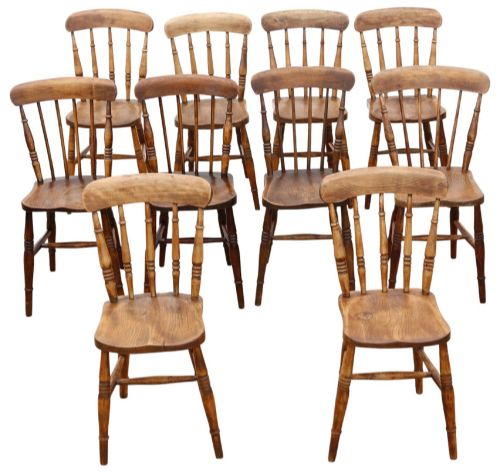
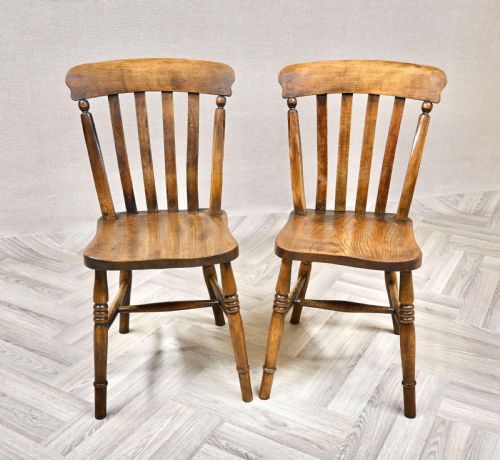
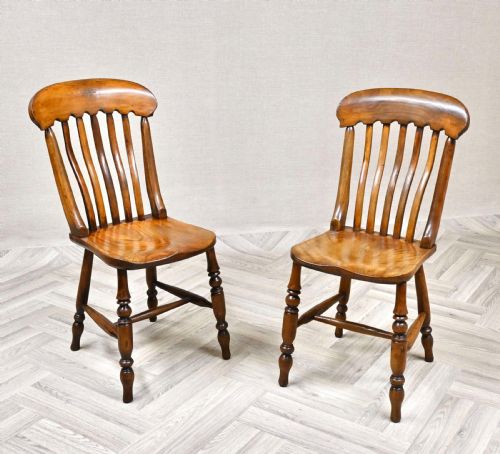
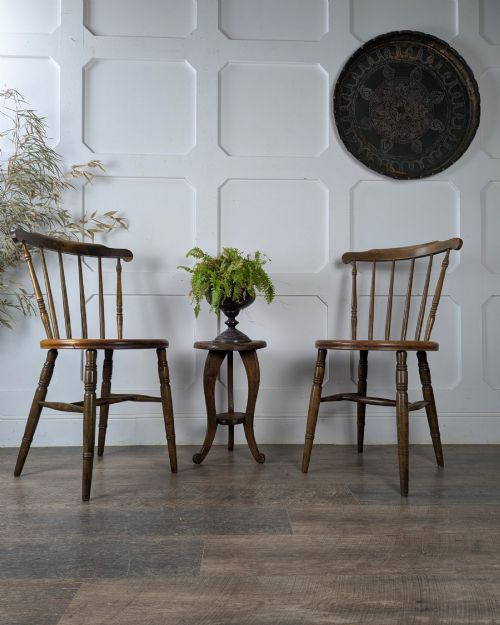
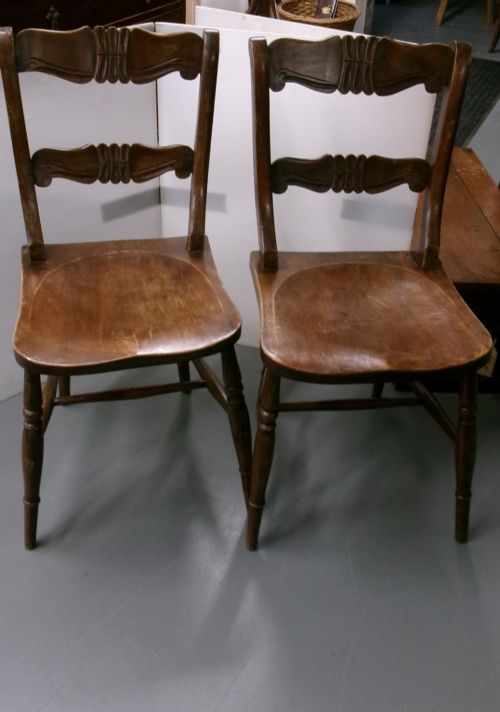


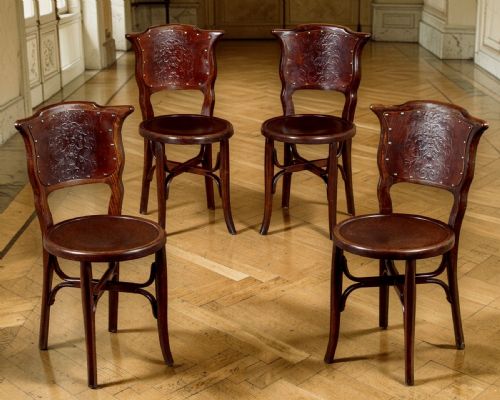


Brown Beech Side Chair
A brown beech side chair brings understated domestic utility and warmth to a room, spanning kitchen seating, country dining sets and bentwood café forms.
Brown Beech Side Chair
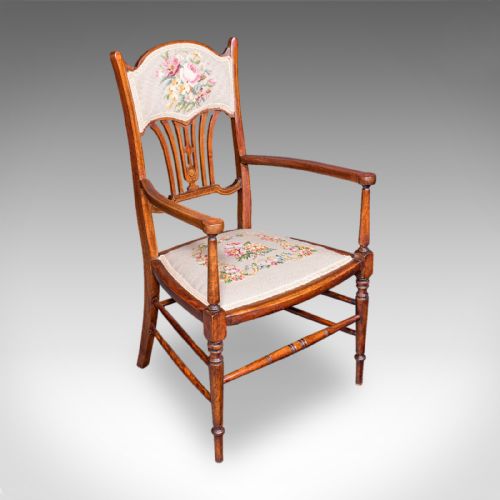
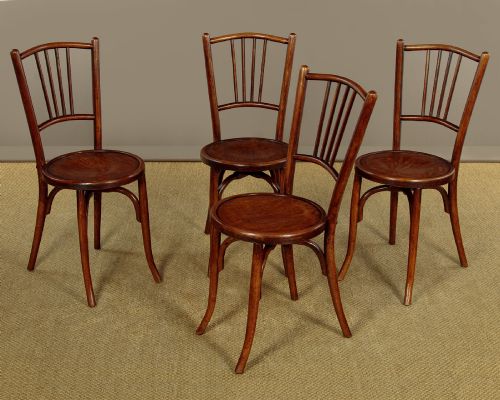
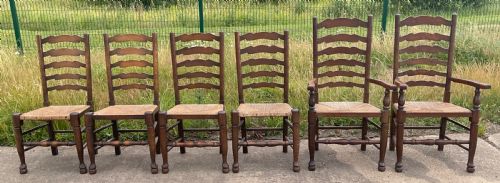
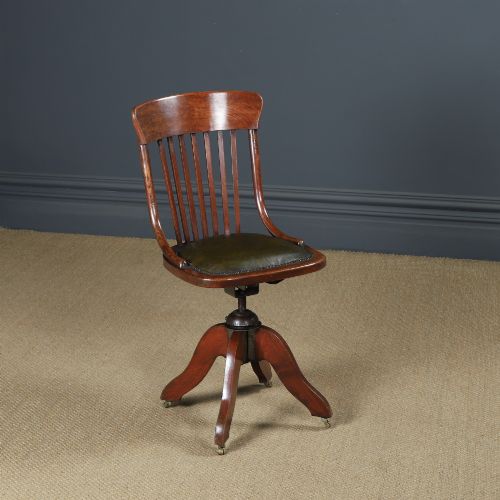
A brown beech side chair typically emerges from 19th-century and early 20th-century workshops, drawing on Victorian, Edwardian and country vernacular traditions. Buyers seeking a brown beech side chair will encounter various forms, from ladderback kitchen seating and stick-back Windsor designs to formal Regency bamboo effect models and Art Nouveau seating.
The selection ranges from single occasional chairs to substantial dining sets and commercial café seating. Beech often pairs with elm seats or rush bases, offering a sturdy and reliable timber foundation for everyday use.
Originating across English country houses, Victorian kitchens and London establishments like the Cafe Royal, these chairs reflect enduring domestic utility. They bridge the gap between humble kitchen furniture and decorative reception room seating.
Distinguishing quality in construction and finish
Quality rests in the integrity of the timber framing, the tightness of the joints and the preservation of the original surface patina. Superior examples maintain structural stability without excessive modern intervention, retaining their original rush, leather or timber seats.
Maker attribution elevates certain pieces, particularly marked bentwood productions or documented sets from established workshops. Refined turning on spindles and carefully executed steam-bending separate standard utility seating from finer stylistic interpretations.
Brown Beech Side Chair Retail Price Guide 2026
Typical asking prices for brown beech side chair among the pieces listed under this phrase on Sellingantiques today, from the lower quarter to the upper quarter. They describe what is for sale here now, not the wider market.
Several listed chairs survived the bustling dining rooms of the Cafe Royal in London before finding their way into current collections.
Thonet·J & J Kohn·Codina
The Brown Beech Side Chair Glossary
- Bentwood
- Timber shaped by exposure to steam and pressure into curved forms. This technique creates the graceful profiles seen in café and bistro seating.
- Ladderback
- A chair back featuring horizontal wooden slats resembling the rungs of a ladder. This traditional form appears frequently in country dining chairs.
- Windsor
- A chair built with a solid wooden seat into which the legs and back spindles are bored directly. These incorporate stick-back or lathback constructions.
- Occasional chair
- A light, movable chair intended for use in various rooms rather than as permanent primary seating. Edwardian examples often feature decorative carving.
- Bamboo effect
- Wood turned and painted to imitate natural bamboo stalks. This decorative finish appears on Regency and later period seating.
Brown Beech Side Chair: Frequently Asked Questions
How do I date a beech side chair?
Dating relies on stylistic clues, construction methods and material combinations. Victorian and Edwardian examples often display distinct vernacular turning or upholstery styles typical of their decade.
Earlier pieces from the Regency period incorporate bamboo effect or formal reeding, whereas mid-century utility pieces show simplified utilitarian forms without extraneous decoration.
Are beech side chairs suitable for daily dining?
Beech provides a dense and durable timber foundation well suited to regular domestic use. Many surviving examples originate from busy kitchens, country dining rooms and public cafés.
Checking the joints and the stability of the seat base ensures the chair handles everyday sitting comfortably. Regular maintenance of the wood keeps the structure sound.
What is the difference between a side chair and an armchair?
A side chair is constructed without arms, designed originally to slip easily to the side of a room or tuck neatly beneath a dining table. Armchairs include structural armrests for added support during extended sitting.
Both forms utilise similar beech frames and turnings, but side chairs offer greater flexibility for seating larger groups around a dining table.
How should I care for a vintage beech chair?
Maintenance involves dusting with a soft cloth and occasionally feeding the wood with appropriate wax to preserve the finish. Avoiding direct sunlight and extreme temperature fluctuations protects the timber and any leather or rush elements.
Keeping the environment stable prevents the beech from drying out or splitting over time.