


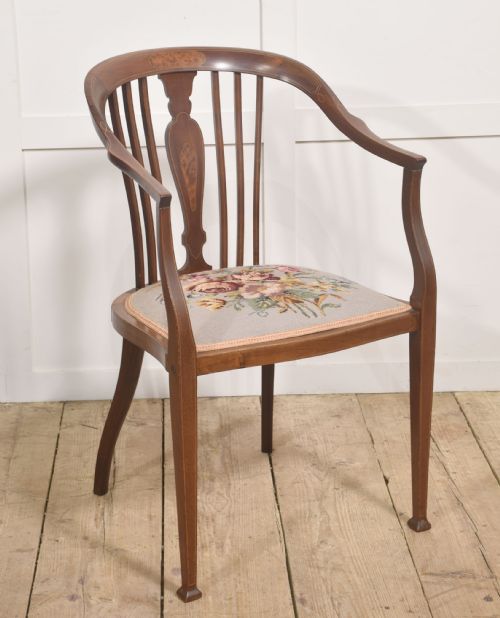


Edwardian Wooden Bedroom Chair
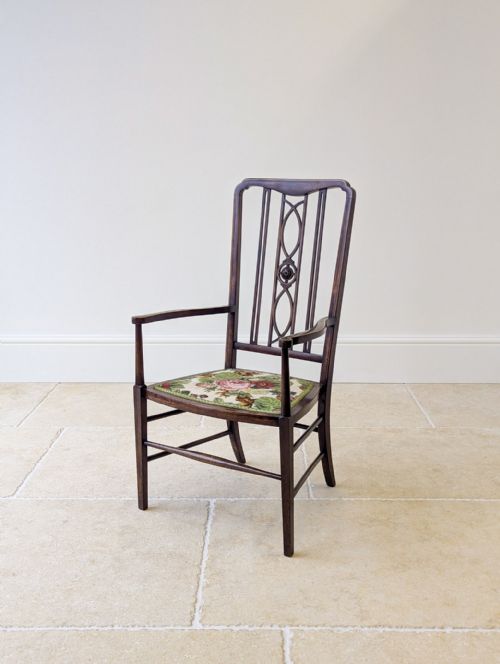
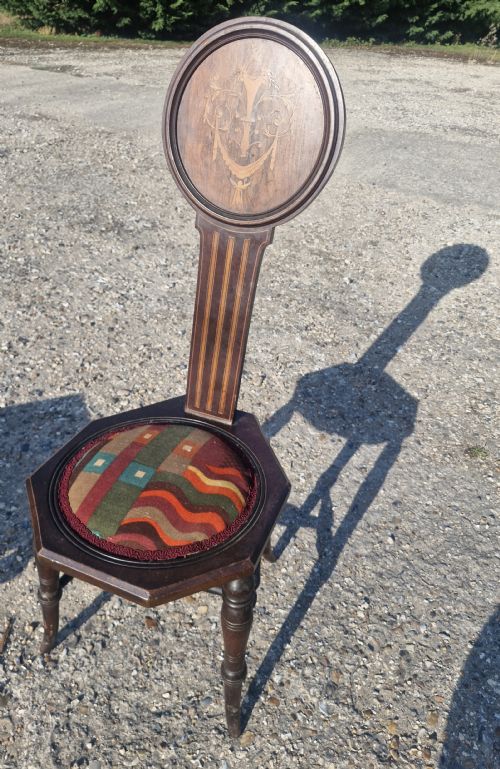
Edwardian wooden bedroom chair examples combine slender frames with delicate marquetry, offering functional seating for dressing rooms and parlours.
Edwardian Wooden Bedroom Chair
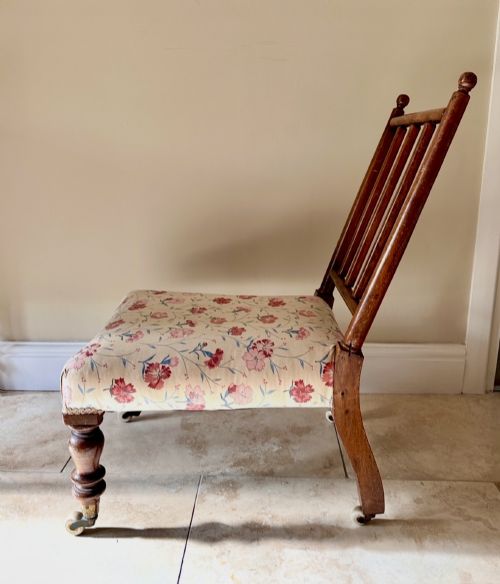
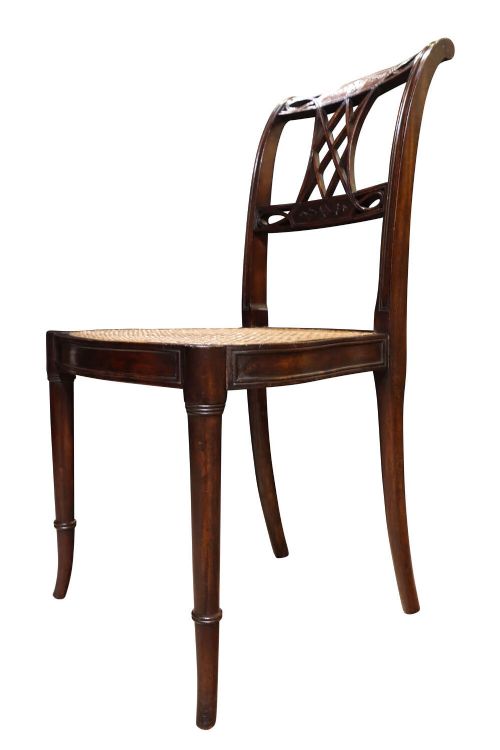
An edwardian wooden bedroom chair is a light, decorative seat designed for domestic chambers during the early twentieth century. These pieces encompass various forms including side chairs, occasional chairs, nursing chairs, and elbow chairs.
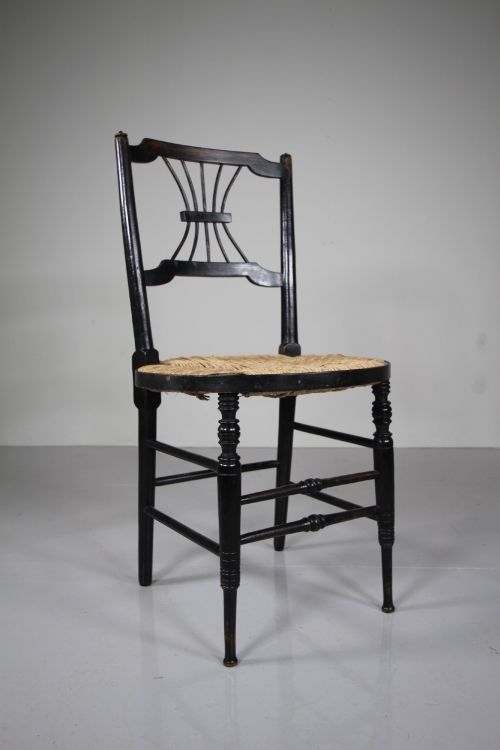
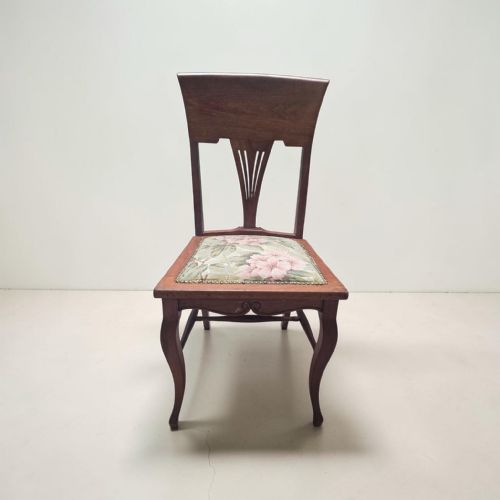
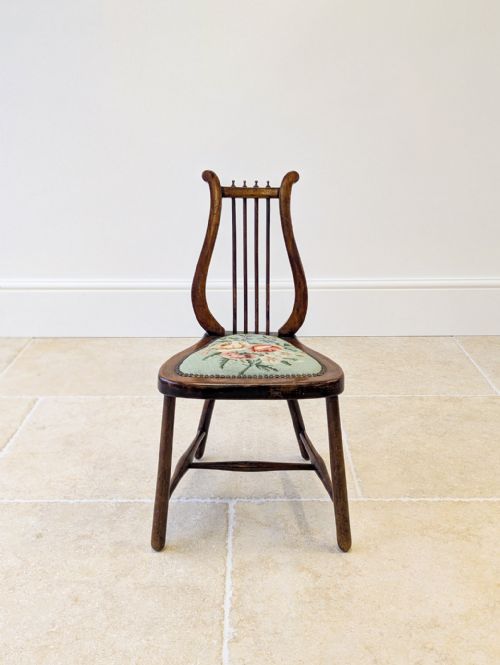
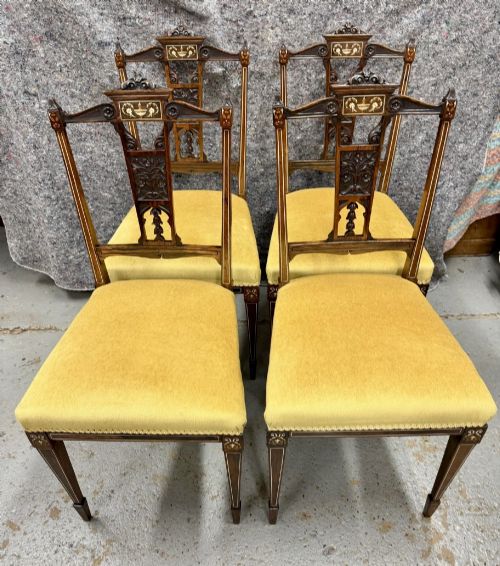
Makers drew on diverse design influences, incorporating Sheraton Revival, Art Nouveau, and Louis XV styles into compact furniture. Buyers find everything from simple spindleback designs to elaborate inlaid frames suited to period interiors.
How they were made
Cabinetmakers utilised solid hardwoods like mahogany, beech, and satinwood for the primary frames, ensuring structural stability despite slender proportions. Wood inlay and marquetry added surface decoration, contrasting darker timbers with lighter veneers.
Seating portions frequently incorporated woven cane panels or frames upholstered in fabric and tapestry. Joinery relied on traditional methods, while painted finishes appeared on select French-influenced pieces.
Edwardian Wooden Bedroom Chair Retail Price Guide 2026
Typical asking prices for edwardian wooden bedroom chair among the pieces listed under this phrase on Sellingantiques today, from the lower quarter to the upper quarter. They describe what is for sale here now, not the wider market.
Spinning chairs provided a low, comfortable perch for textile work by the hearth.
What varies in quality
The sophistication of the wood inlay largely distinguishes standard production from finer work. Crisp, detailed marquetry executed in multiple contrasting timbers requires greater skill than simple line banding.
Frame construction and timber selection also set pieces apart. Dense, well-figured mahogany or satinwood combined with tight cane work or neat upholstery represents superior craftsmanship.
William Morris·Rossetti·Godwin
The Edwardian Wooden Bedroom Chair Glossary
- Inlay
- A technique where pieces of contrasting wood or other materials are fitted into a recess flush with the surface. This adds decorative detail to chair backs and rails.
- Cane
- Woven material made from the peeled split of rattan palms used for seats and chair backs. It provides a lightweight, resilient surface.
- Satinwood
- A durable, yellowish timber prized for its lustrous grain and smooth finish. Cabinetmakers used it extensively for veneering and inlay work.
- Elbow chair
- An armchair with a low back and short arms designed for occasional use. These pieces offer compact seating without the bulk of a full armchair.
- Marquetry
- Elaborate patterns formed by fitted veneers applied to a furniture surface. Craftsmen used various tinted woods to create pictorial designs.
Edwardian Wooden Bedroom Chair: Frequently Asked Questions
Where did these chairs stand?
These chairs sat primarily in bedrooms, dressing rooms, and small sitting parlours. Their lightweight build allowed owners to move them easily around domestic spaces as needed.
They served functional roles beside dressing tables or near fireplaces, doubling as decorative accents when rooms were not in full use.
How do I identify an Edwardian piece?
Edwardian pieces generally feature lighter proportions, brighter wood tones, and refined inlay work compared to heavier Victorian furniture. Finer tapered legs and Sheraton Revival motifs often point to this period.
Construction methods also help, as early twentieth-century workshops combined traditional joinery with new machinery while retaining hand-finished details.
Can I use them daily?
Most of these chairs function well for normal daily seating in modern homes. Their slender frames suit occasional use at desks or in bedrooms rather than heavy, continuous lounging.
Owners should check cane panels and joints periodically to ensure the antique timber and bindings remain stable under regular weight.