
Brown Pottery
Brown antique pottery brings together durable utility and decorative craft, spanning centuries of earthenware, stoneware, and terracotta forms.
Brown Pottery
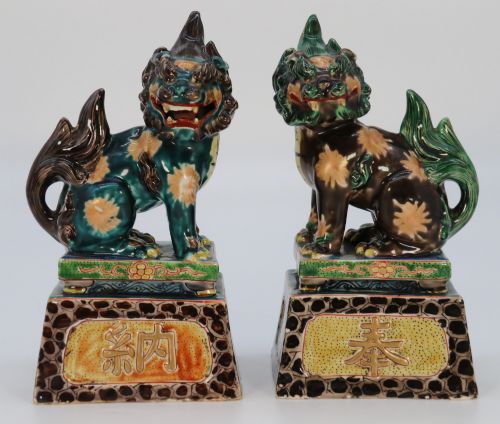
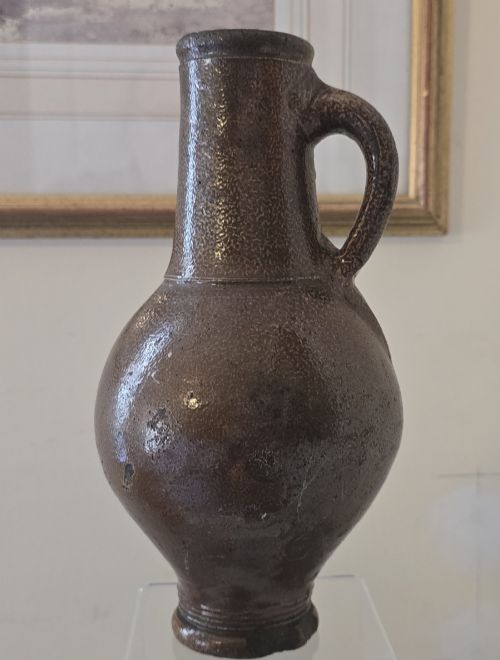
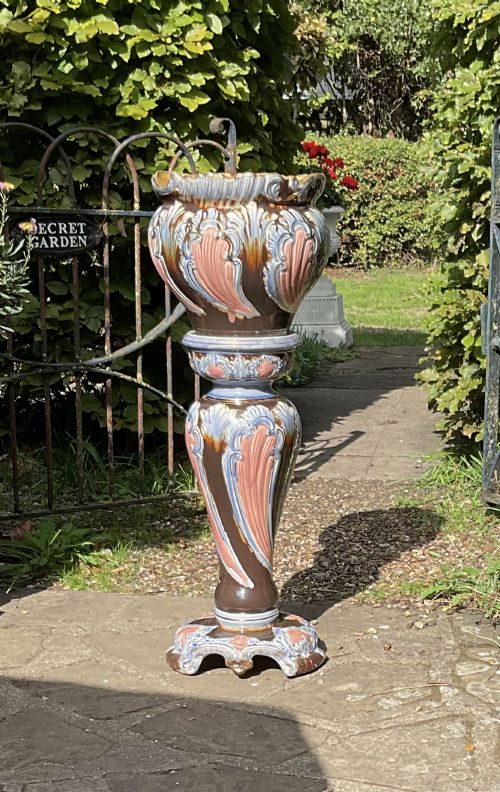
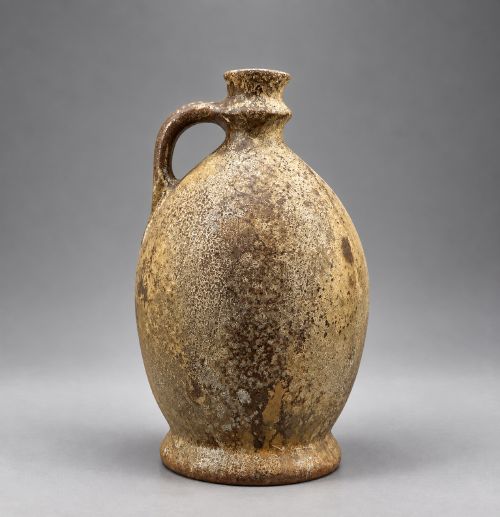
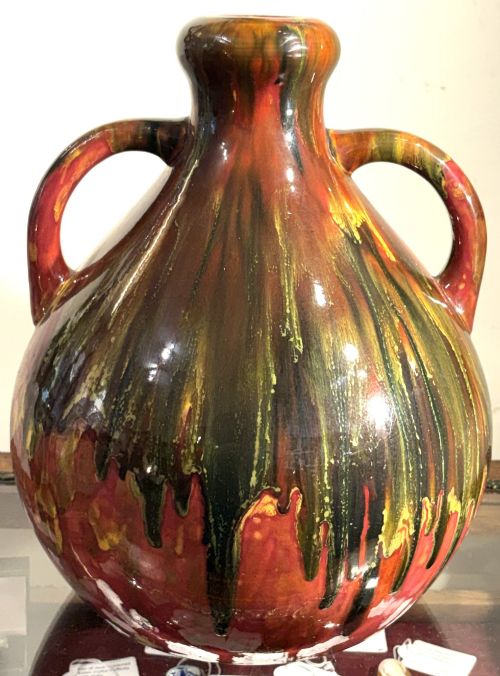
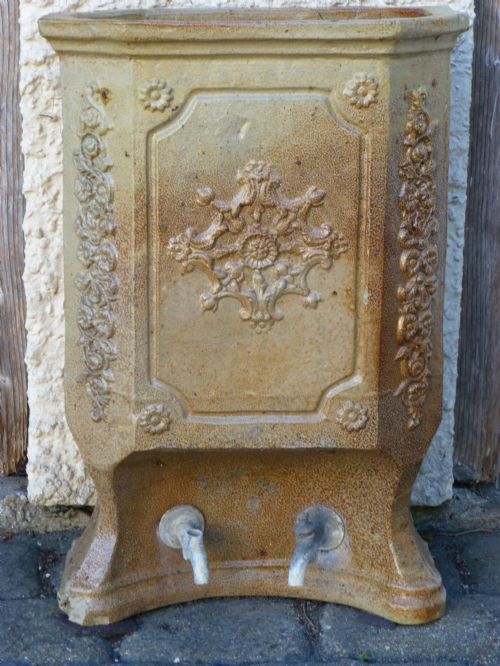
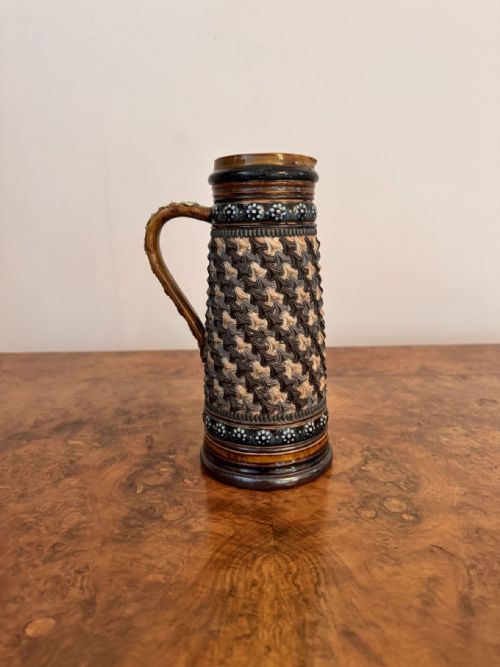
When searching for brown antique pottery, buyers encounter a diverse selection of utilitarian vessels, decorative vases, and figurative works. The items range from functional stoneware flagons and dairy bowls to ornamental majolica jardinieres and art pottery.
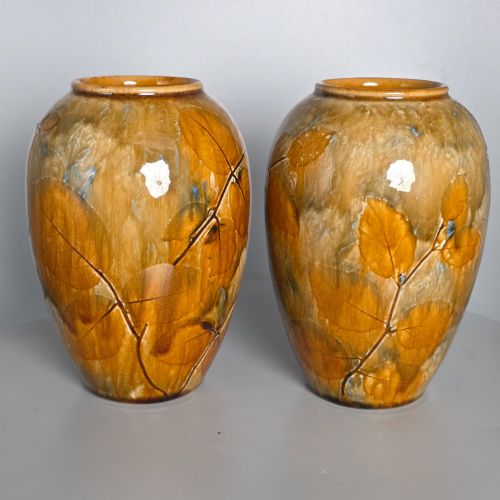
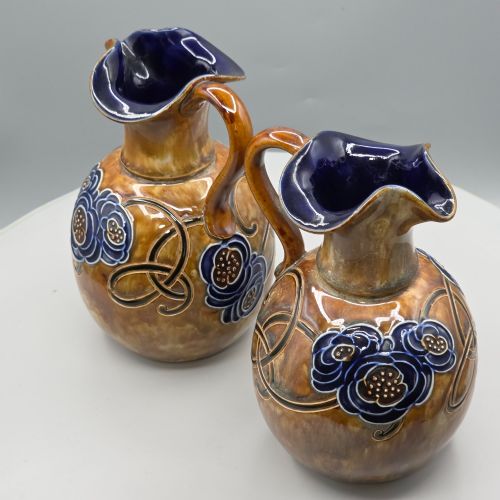
The selection on this page draws heavily from the nineteenth century, featuring Victorian domestic wares alongside Arts and Crafts productions. Pieces originate from British potteries as well as continental and Asian kilns, showing rich tonal variations in glaze and body.
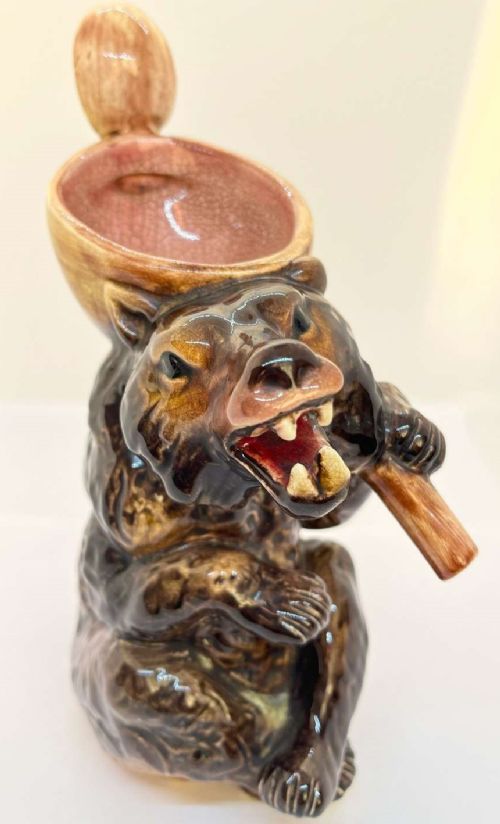
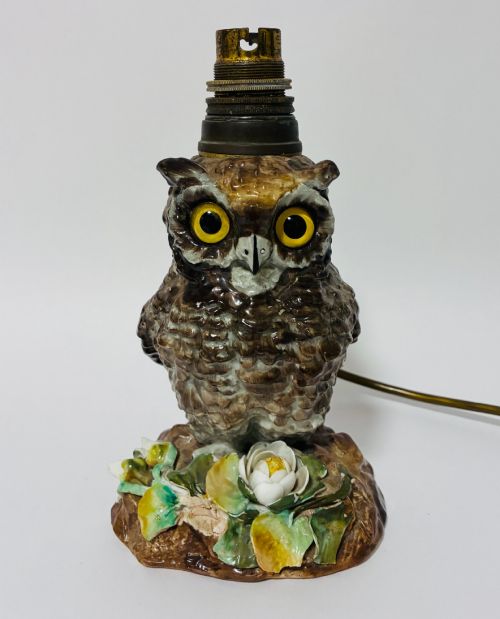
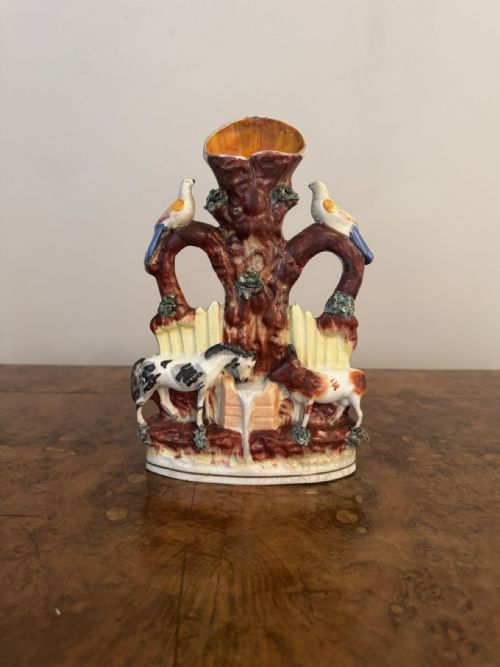
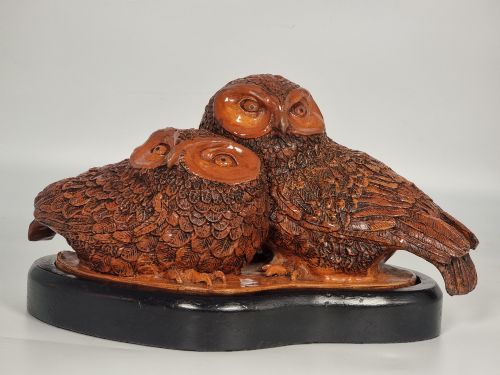
Forms include everyday storage jars, drinking mugs, and architectural plaques alongside sculptural animals and lamp bases. Each category demonstrates how utilitarian earth was shaped into objects of both service and display.
How they were made
Potters utilised native clays, earthenware, and heavy stoneware bodies shaped on the wheel or pressed into moulds. These foundational materials provided the structural strength required for large storage vessels and intricate decorative forms alike.
Surfaces received rich treatments including salt glaze, lead glaze, and slip decoration to seal the porous clay and introduce deep autumnal hues. Firing in traditional kilns created the characteristic variations in tone across brown surfaces.
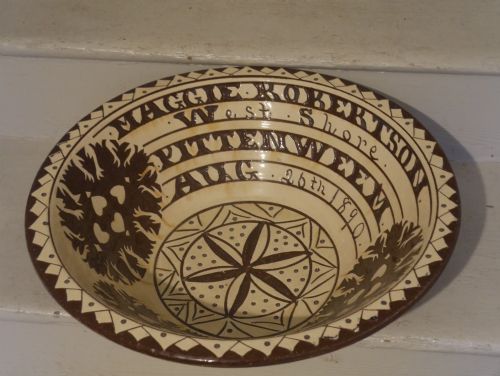
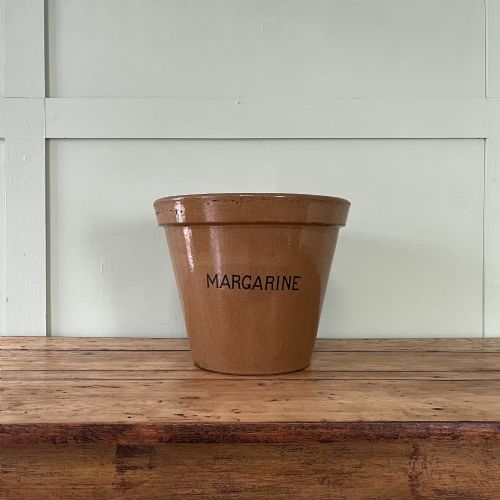
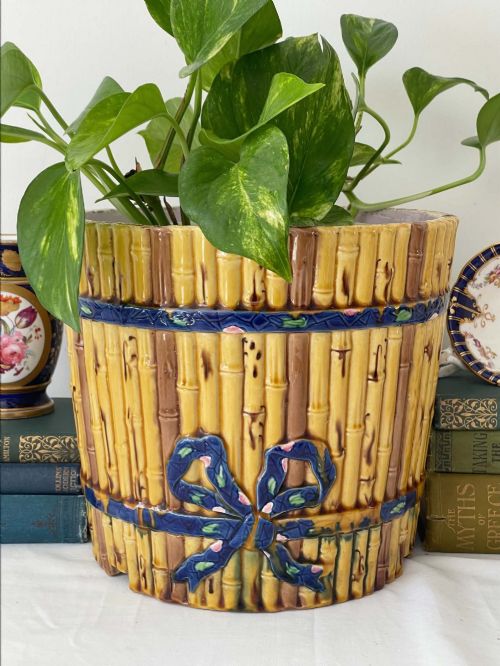
Forms range from utilitarian dairy bowls and whisky flasks to decorative Majolica jardiniere stands and architectural wall tiles.
What varies in quality
Distinction in these ceramics rests on the crispness of the moulding, the depth and consistency of the glaze, and the balance of the form. Superior examples exhibit deliberate control over chemical reactions in the kiln, producing rich mottling rather than flat coloration.
Maker execution dictates value, where renowned potteries achieved finer detail in relief ornamentation and greater symmetry in thrown vessels. The preservation of original surfaces without intrusive restoration also separates ordinary utilitarian output from collector pieces.
John Dwight Fulham Pottery·Burmantofts·Royal Doulton·Seaton Pottery·Minton·George Jones·Bretby Pottery·Boch Freres·Sherwin & Cotton·Doulton Lambeth
The Brown Pottery Glossary
- Stoneware
- A dense, vitreous ceramic fired at high temperatures until non-porous. It resists liquids naturally without requiring a glaze.
- Slipware
- Pottery decorated with a liquid clay mixture applied before firing. It creates contrasting linear patterns or rustic surface textures.
- Majolica
- Low-fired earthenware coated with an opaque tin glaze and painted with metallic oxides. This technique produces vibrant, glossy surfaces.
- Salt glaze
- A finish achieved by throwing common salt into the kiln during high-temperature firing. The vapour reacts with silica in the clay to form a durable, pebbled texture.
Brown Pottery: Frequently Asked Questions
How do I clean antique pottery safely?
Dust surfaces gently with a soft, dry brush to remove particulate matter without disturbing the glaze or historic material.
Avoid submerging porous earthenware or pieces with repaired sections in water, as moisture can weaken old adhesives and penetrate unglazed clay bodies.
Can I use these vessels for liquids?
Stoneware and salt-glazed flagons remain largely watertight due to their dense, vitrified composition and internal glazing. However, older earthenware and terracotta pieces often develop hairline fractures or porous walls over time.
Display antique pitchers and jugs dry or place a modern glass insert inside if utilising them for fresh flowers.
How do I date brown pottery items?
Examine the base for impressed factory marks, registration diamonds, or potter signatures that provide specific production years. Manufacturing methods, such as the transition from hand-thrown bodies to slip-cast production, also offer chronological clues.
compare the glaze chemistry and decorative style against documented periods like the Victorian era or the Arts and Crafts movement.
Where were these brown ceramics made?
Production spans local British kilns in London and Scotland alongside continental European workshops and Asian kilns. Regional clay availability dictated whether a pottery produced heavy stoneware or refined terracotta.
international pieces often arrived via trade or the Grand Tour, reflecting the specific aesthetic preferences of their origin.