






Bronzed Wall Plaque Art
Bronzed wall plaque art brings tactile depth and historic presence to a room, spanning portraiture, mythology and decorative metalwork.
Bronzed Wall Plaque Art
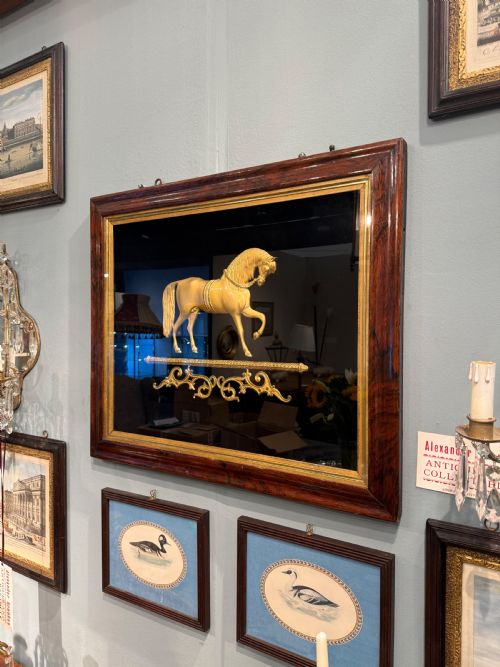
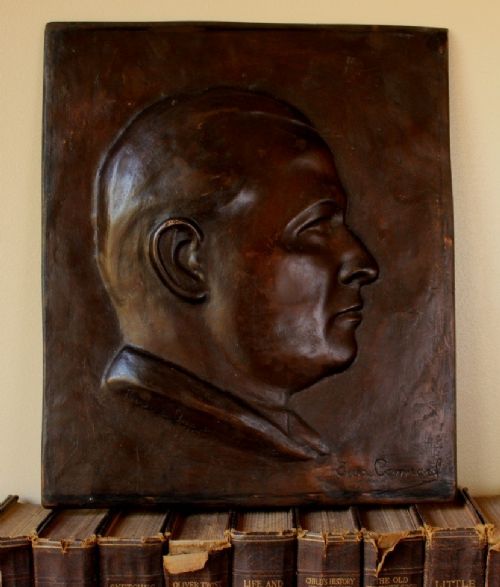
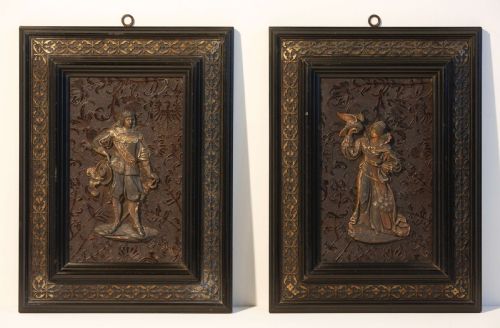
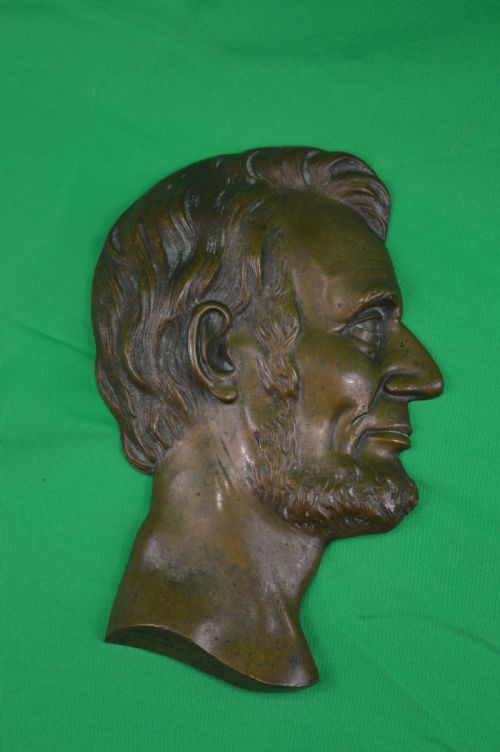
Bronzed wall plaque art encompasses cast and relief decorative panels designed to hang on interior walls, utilising metallic finishes or solid metal to create sculptural depth. These pieces range from classical portraits and mythological scenes to botanical motifs and commemorative subjects.
The selection frequently includes 19th-century European castings, Japanese decorative chargers, and architectural reliefs in bronze, copper, and terracotta. Buyers encounter both solid cast metal works and items finished with a bronzed patina over alternative bases like plaster or wood.
Originating across diverse European workshops and Asian periods, these wall objects serve as focal points in period interiors. Their forms vary from circular chargers and rectangular panels to figural roundels framed in turned wood.
Distinguishing quality in relief panels
Quality rests in the crispness of the casting and the skill of the chasing work that refines the raw metal. Finer examples display intricate detail in facial expressions, drapery, and background foliage without the softening typical of secondary mould generations.
The integrity of the surface finish and the depth of the relief separate ordinary decorative items from superior pieces. Hand-beaten copper and genuine multi-layered enamel require distinct technical mastery compared to simple moulded plaster.
Bronzed Wall Plaque Art Retail Price Guide 2026
Typical asking prices for bronzed wall plaque art among the pieces listed under this phrase on Sellingantiques today, from the lower quarter to the upper quarter. They describe what is for sale here now, not the wider market.
The selection includes Japanese Meiji period enamel chargers alongside European portrait reliefs depicting historical figures and mythological scenes.
Ernst Wahliss·Faulkner Bronze Company·Coalbrookdale·Gian Federigo Bonzagna·Eugene Canneel
The Bronzed Wall Plaque Art Glossary
- Relief
- Sculpture in which figures project from a flat background. High relief stands out significantly, while low relief remains closer to the plane.
- Charger
- A large ornamental plate or dish intended for display on a wall or sideboard rather than dining use.
- Patina
- The surface sheen and colour acquired by metal through age, handling, or chemical treatment applied by the maker.
- Roundel
- A circular panel or artwork, often featuring a portrait profile or classical motif.
- Cloisonné
- An ancient technique for decorating metal object surfaces, using vitreous enamel held within wire compartments.
Bronzed Wall Plaque Art: Frequently Asked Questions
How do I hang a heavy bronze plaque safely?
Heavy metal and cast iron wall plaques require direct anchoring into wall studs or the use of appropriate toggle bolts suited to plasterboard.
Ensure the hanging wire or integrated rear brackets match the substantial weight of the piece to prevent accidental slips.
What is the difference between solid bronze and bronzed pieces?
Solid bronze pieces consist entirely of a copper and tin alloy cast through traditional foundry methods, offering enduring weight and material value.
Bronzed items utilise a base of plaster, wood, white metal, or terracotta coated with a metallic finish to simulate the appearance of solid bronze.
How should I clean a patinated metal wall plaque?
Dust gently with a soft, dry brush or microfibre cloth to remove surface particles without disturbing the historic skin.
Avoid chemical polishes, water, or abrasive cleaners, as these strip away the original patination and damage the underlying metal or applied finish.
How do I identify the period of a cast relief?
Dating relies on examining the mounting style, the nature of the casting seams, and the stylistic cues of the clothing and portraiture.
Nineteenth-century examples often feature distinct Victorian or Art Nouveau ornamentation, while earlier pieces reflect Baroque or Regency portrait conventions.