




Bronzed Putti Mantel Clock
A bronzed putti mantel clock brings classical figural sculpture and dependable timekeeping together into a striking nineteenth-century domestic centrepiece.
Bronzed Putti Mantel Clock
A bronzed putti mantel clock combines sculptural figures of cherubs or cupids with a functioning timekeeper, mostly originating from nineteenth-century French workshops. Buyers seeking a bronzed putti mantel clock will predominantly encounter nineteenth-century French productions styled in Louis XVI, Rococo, or classical revival designs.
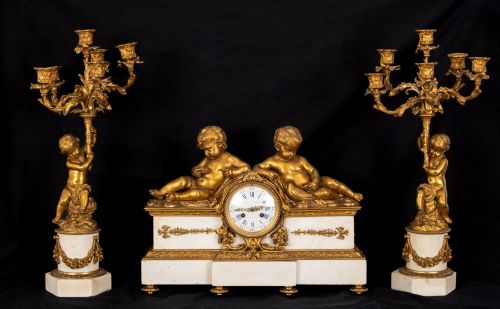
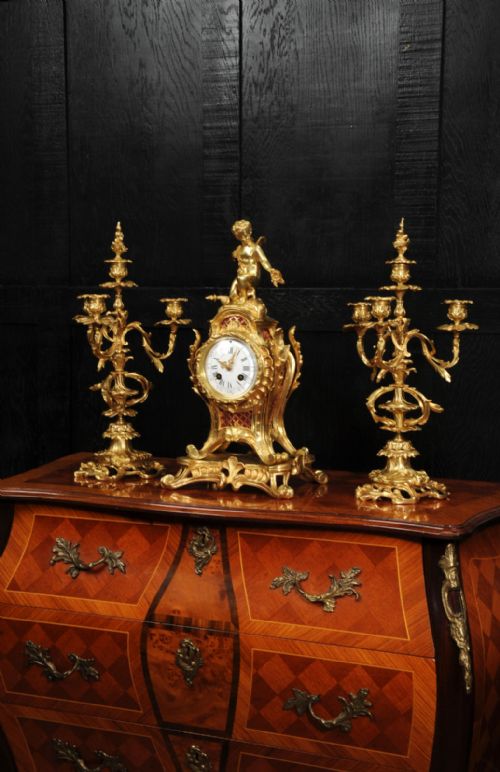
Many examples arrive as part of larger garnitures accompanied by matching candelabras or side ornaments. These objects served as decorative and practical focal points for drawing room and parlour mantelpieces during the Victorian era and earlier periods.
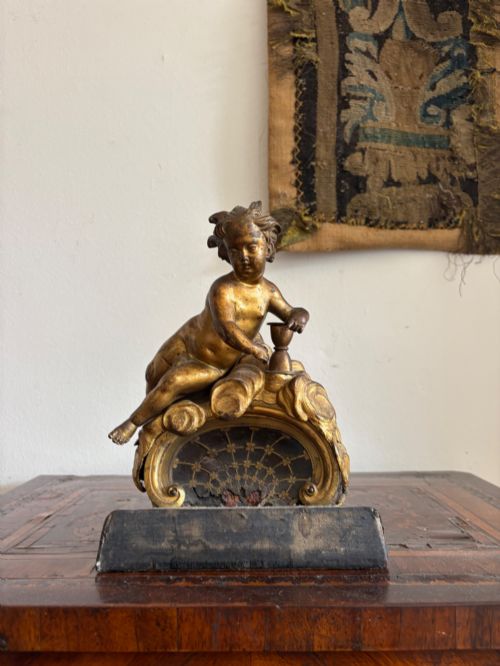
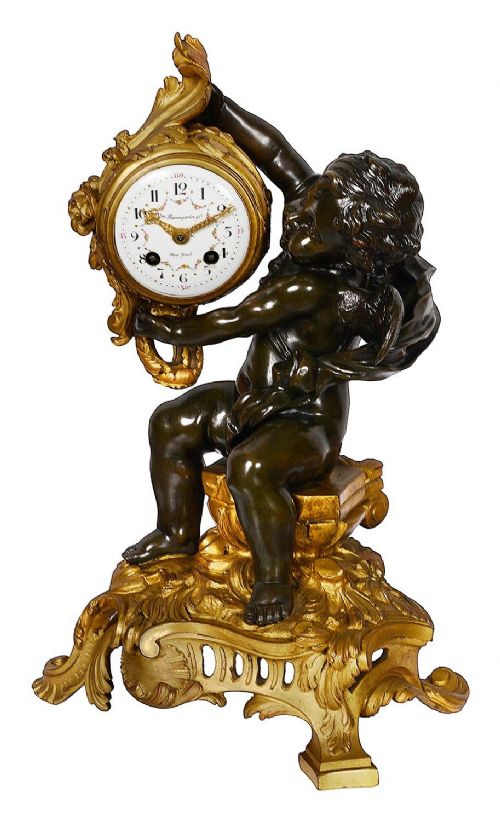
The sculptural elements depict winged figures in bronze or ormolu, occasionally interacting with globes, floral garlands, or musical instruments. The central timepiece typically sits within a case of white or coloured marble, gilt bronze, or cast metal.
Factors determining quality
The crispness and depth of the bronze or ormolu cast separate standard models from superior examples. Finely chased details in the feathers, hair, and facial expressions of the putti indicate skilled craftsmanship and greater workshop investment.
The integration of materials dictates the overall harmony of the object. High-grade pieces pair substantial marble plinths and robust mechanical movements with balanced figural compositions rather than superficial surface gilding.
Listings demonstrate that these mantel clocks span the Victorian era, with origins primarily rooted in nineteenth-century French workshops using marble and ormolu.
Le Roy Paris·Leon Message Jollet et Cie·Phillipe H Mourey·Bellenot Paris·John Bennett Cheapside London·Henry Berkeley Square London·F Marti
The Bronzed Putti Mantel Clock Glossary
- Putto
- A figure of a small chubby male child, often winged, found frequently in Renaissance and nineteenth-century art. These figures are commonly referred to as cherubs or cupids on clock cases.
- Ormolu
- A golden-coloured metallic alloy used as an application for bronze furniture mounts and clock cases. The technique involves applying a mercury and gold amalgam to the bronze base.
- Garniture
- A set of matching decorative objects for a mantelpiece, typically consisting of a central clock flanked by two candelabras or urns. They became popular in affluent European households during the eighteenth and nineteenth centuries.
- Fusee
- A conical pulley used in clock movements to maintain an even pull on the gear train as the mainspring unwinds. This mechanism improves the timekeeping accuracy of antique clocks.
- Dial
- The circular face of the clock where the hours and minutes are displayed. Antique versions often feature individual enamel cartouches or hand-painted porcelain plaques.
Bronzed Putti Mantel Clock: Frequently Asked Questions
What is a bronzed putti mantel clock?
A bronzed putti mantel clock is a nineteenth-century timekeeper featuring sculptural figures of cherubs or cupids cast in bronze or ormolu.
These pieces typically combine metal figures with marble bases and enamel dials, reflecting classical or rococo revival aesthetics.
How were these clocks used originally?
These clocks served as functional timepieces and status symbols placed upon drawing room or parlour mantelpieces.
Affordable only to affluent households, they often stood at the centre of matching garniture sets alongside candelabras.
How do I wind an antique mantel clock?
Antique mantel clocks generally require a specialised key inserted into winding holes on the enamel dial to tension the mainspring.
Care must be taken not to overwind the mechanism, and many collectors consult professional horologists for initial setup.
How can I tell the French styles apart?
Louis XVI style clocks display symmetrical proportions, classical urn motifs, and restrained geometric lines. Rococo revival pieces feature asymmetrical scrolls, naturalistic foliage, and dynamic, flowing forms.