

Bronzed Metal Lamp
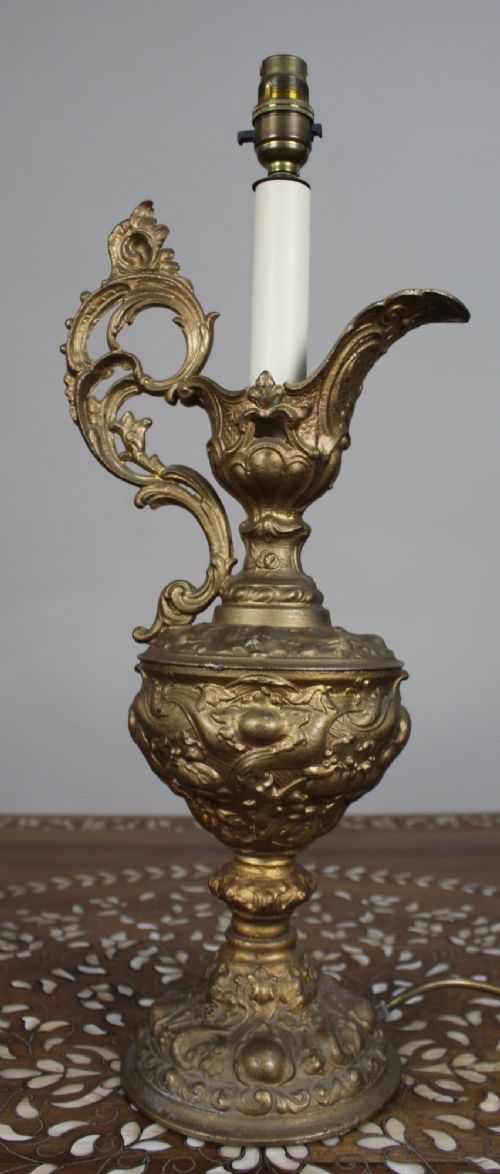
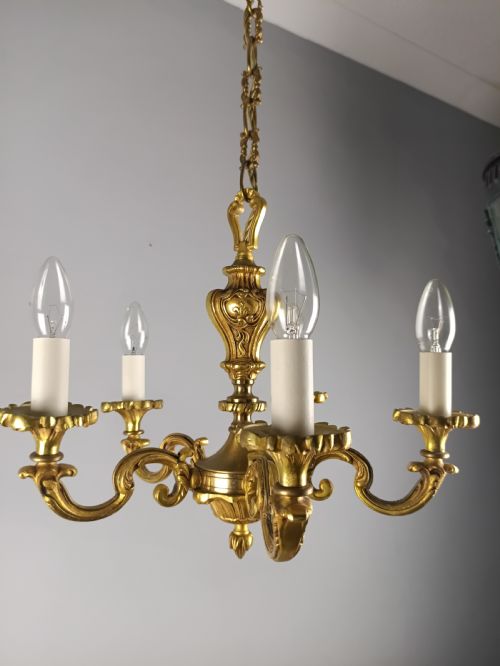
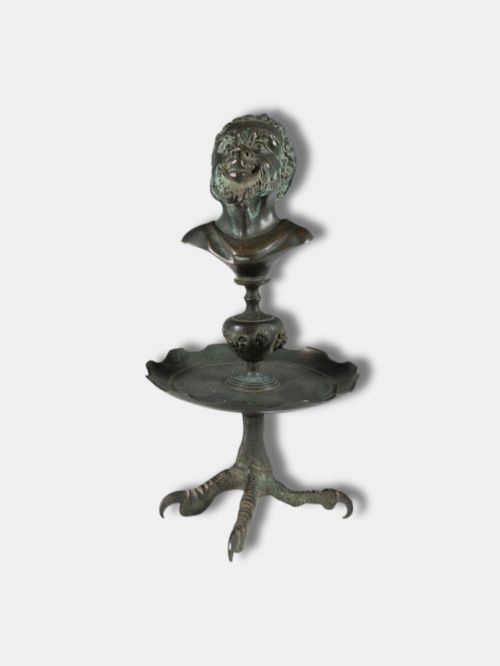
These bronzed metal lamp pieces span centuries of domestic lighting, offering rich patination and sculptural form to elevate any interior scheme.

Bronzed Metal Lamp
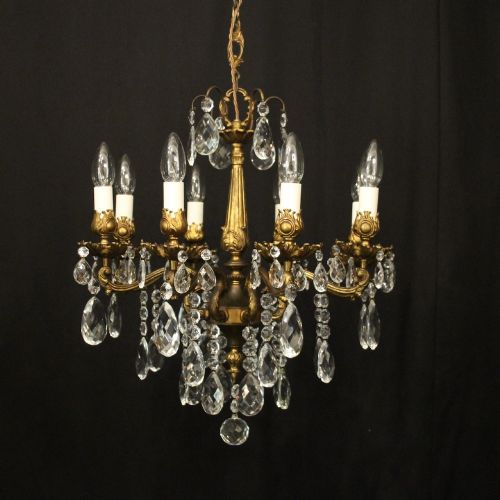
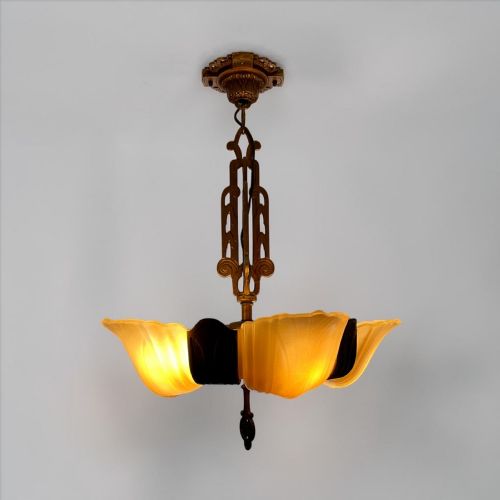
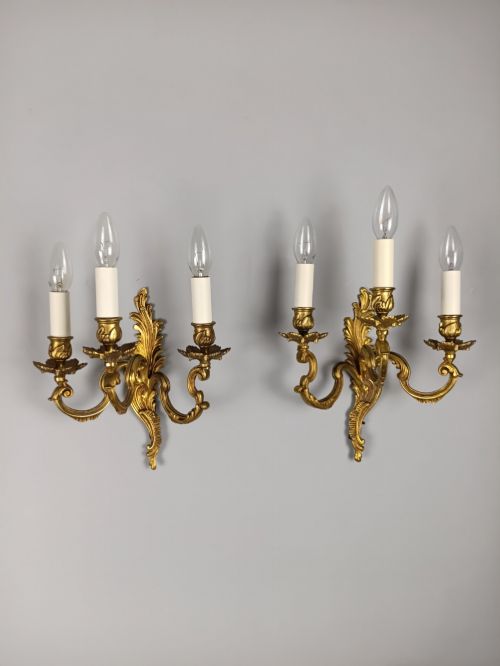
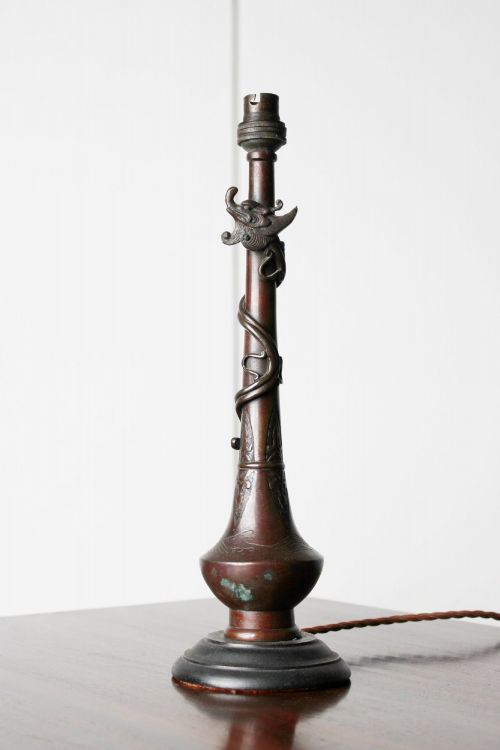
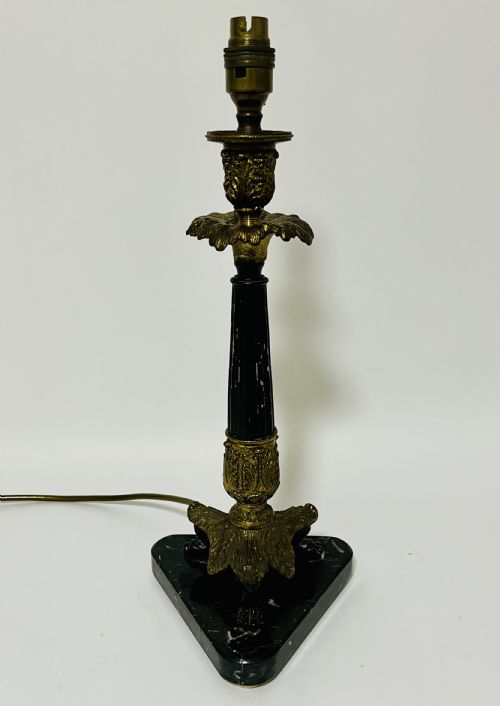
When you search for a bronzed metal lamp, you encounter a diverse collection of lighting fixtures and decorative objects spanning the nineteenth and twentieth centuries. These pieces encompass table lamps, standard floor lamps, chandeliers, wall lights, and oil lamps originating from various design movements.
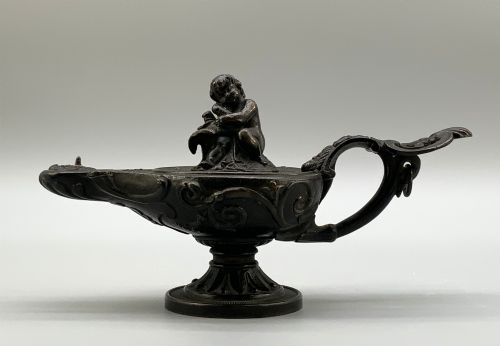
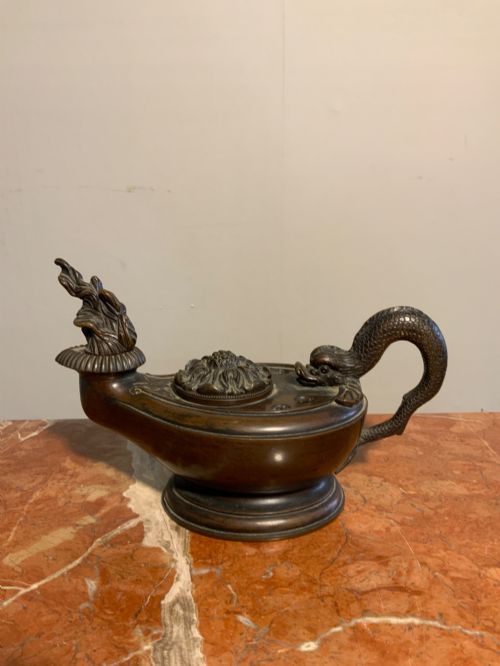
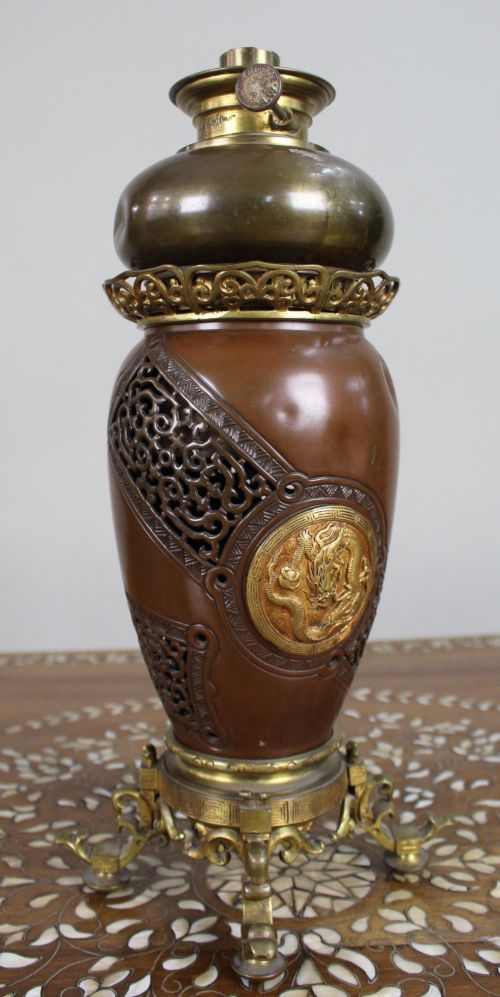
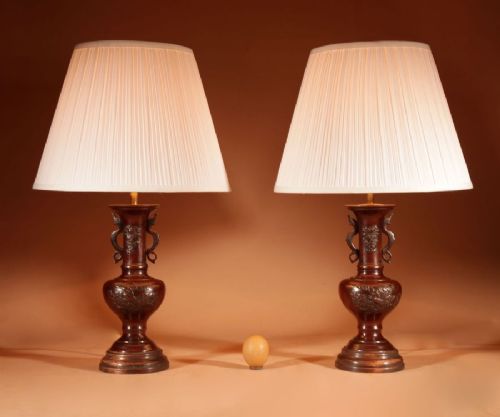
The selection ranges from early nineteenth century Grand Tour bronze figural oil lamps and Italian cast bronze Lucerna designs to twentieth century Art Deco table lamps and Edwardian bronzed chandeliers. You will frequently find French gilded bronze and gilt metal interpretations alongside Japanese bronze examples.
Makers and designers of the period incorporated diverse influences including French Empire, Art Nouveau, Chinoiserie, and Bauhaus styles. Whether selecting a heavy cast bronze standard lamp or a delicate gilt metal wall sconce, each item reflects the prevailing decorative arts of its era.
How They Were Made
The construction of a bronzed metal lamp typically involves cast bronze, brass, or white metal subjected to chemical patination or surface gilding to achieve the characteristic dark metallic tone. Foundries employed traditional sand casting and lost wax techniques to produce intricate figural motifs, cherubs, and classical architectural details.
Makers combined these metallic elements with contrasting materials such as marble bases, cut glass crystal prisms, fabric shades, and glass slip shades. Wiring and electrical components were later adapted into original oil lamps and candelabra bases during subsequent periods of electrification.
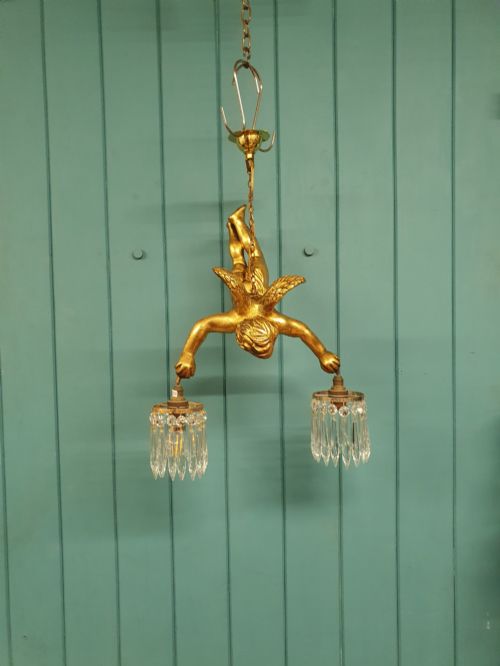
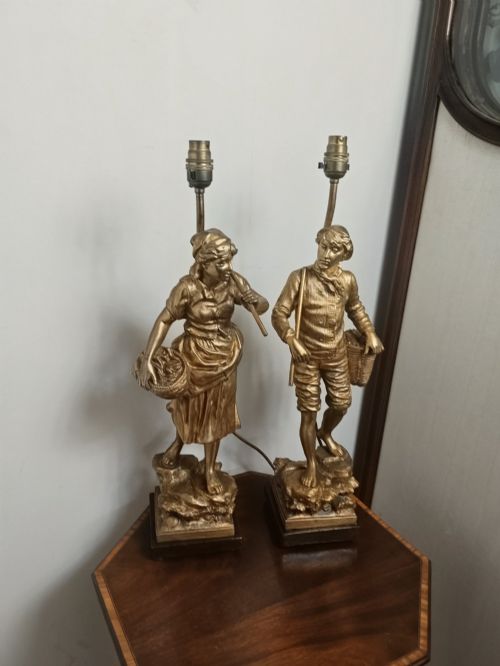
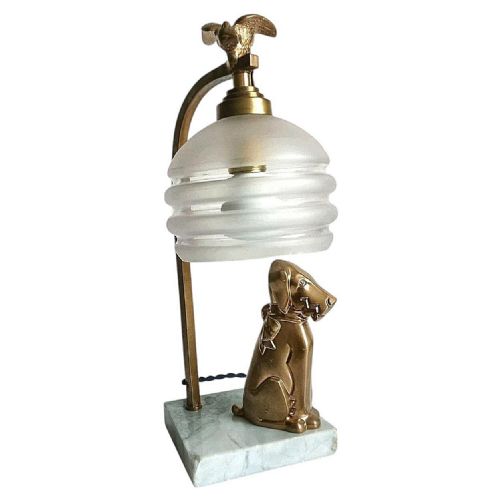
Several lamps feature vigilant dogs, cheeky parrots, and flying cherubs keeping watch over your reading nook.
What Varies in Quality
The integration of secondary materials such as matched marble plinths, substantial crystal drops, and robust internal fittings distinguishes finer production from standard commercial output. Weight and structural stability also indicate the grade of metal utilised by the workshop.
E Rousseau·L & F Moreau·The Charles Parker Company·G.E.C
The Bronzed Metal Lamp Glossary
- Patna
- The surface finish and coloration developed naturally over time or applied chemically by the maker to the metal. This chemical or natural layer protects the underlying alloy and creates the desirable dark bronze tone.
- Grand Tour
- A nineteenth century travel phenomenon where wealthy Europeans collected classical antiquities and souvenir bronzes. These objects were often later converted into desk accessories or oil lamps.
- Lucerna
- A traditional Italian oil lamp design featuring multiple spouts and suspension chains. Early examples in cast brass and bronze reflect ancient Roman forms.
- Spelter
- A zinc alloy frequently utilised as a cost effective alternative to bronze during the nineteenth and twentieth centuries. It accepts patination and gilding similarly to bronze but possesses a lighter weight.
- Torcher
- A tall decorative stand or floor lamp designed to hold a light source aloft. These pieces often feature classical figural shafts or architectural columns.
Bronzed Metal Lamp: Frequently Asked Questions
How do I date a bronzed metal lamp?
Dating relies upon examining the casting style, fastening methods, and stylistic cues associated with periods such as Art Deco, Victorian, or Edwardian manufacture. Secondary materials like original wiring, switch types, and glass shades also provide reliable chronological markers.
Compare the decorative motifs against documented examples from specific decades to narrow the production window. Consulting maker signatures or foundry stamps on the base offers the most precise verification.
Were these lamps originally electrified?
Many items listed as lamps began their existence as oil lamps, fluid lamps, or candleholders before undergoing later conversion to electricity. This adaptation frequently occurred during the early twentieth century as domestic power supplies expanded.
Original kerosene burners or candle sockets were often removed or hollowed out to accommodate electrical wiring and bulb holders. Understanding this conversion history helps explain variations in internal fittings and components.
How should I clean a bronze patina?
Maintenance requires only gentle dusting with a soft, dry cloth to prevent the accumulation of abrasive particles. Avoid commercial metal cleaners or polishes, which can strip away the historic patination and exposed gilding.
Applying a light microcrystalline wax periodically helps protect the metal surface from atmospheric moisture. Professional conservation should be sought if deeper cleaning or structural stabilization becomes necessary.
What is the difference between bronze and spelter?
Bronze is a durable copper and tin alloy capable of supporting fine detail and heavy structural loads in sculptural lighting. Spelter is a softer, lighter zinc based metal that mimics the appearance of bronze but requires more careful handling.
Magnification often reveals the grain structure and weight disparity between the two materials. Spelter pieces generally exhibit a lighter overall mass compared to solid cast bronze equivalents.