



Bronze Woman Figurine
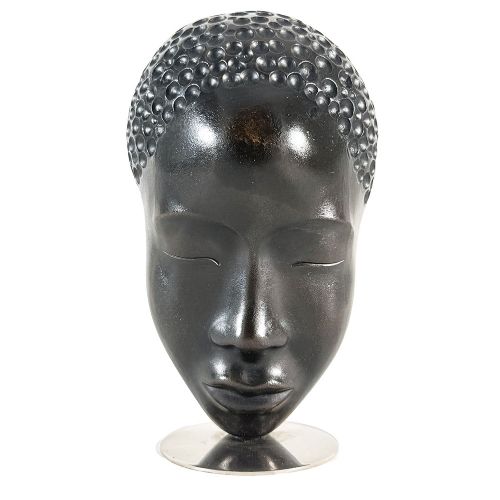
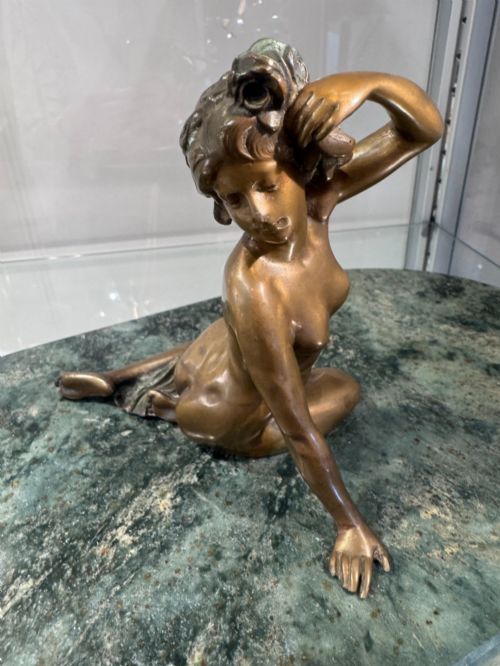
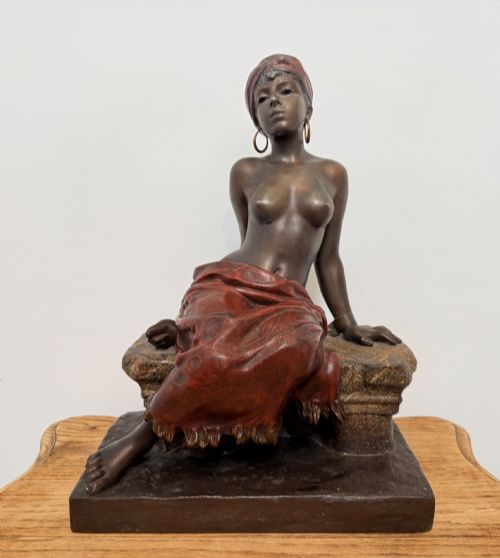
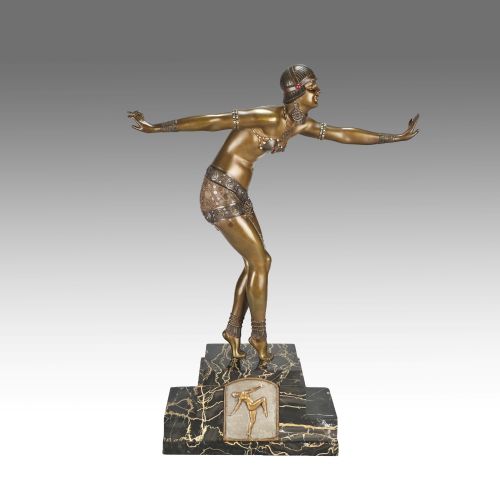
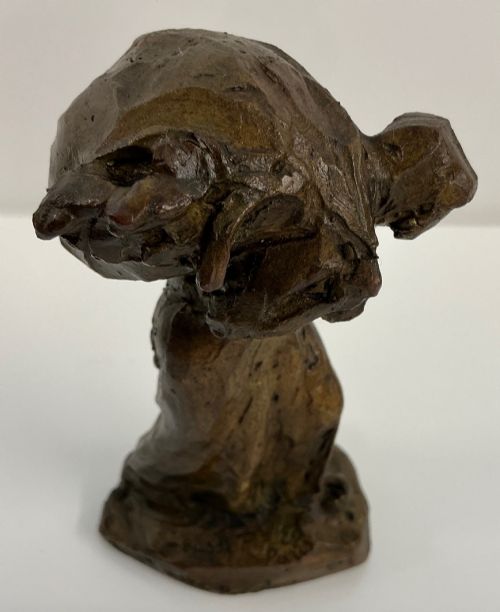
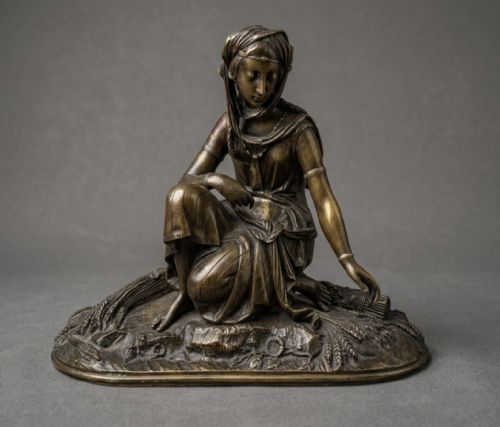
A bronze woman figurine brings figurative sculpture into domestic spaces, capturing female forms across Art Deco, Art Nouveau and nineteenth-century French styles.
Bronze Woman Figurine
When you search for bronze woman figurine, you encounter sculptural works depicting female subjects created in various European workshops and foundries. The selection includes dancers, classical goddesses, allegorical figures and elegant ladies styled for domestic display.
Most examples originate from the late nineteenth century through to the nineteen-thirties, encompassing Victorian, Edwardian, Belle Epoque and modernist aesthetics. Forms range from full-length standing and reclining figures to portrait busts and car mascots.
Makers utilised diverse materials alongside metal, mounting figures on marble or onyx bases or producing alternative versions in bronzed plaster, spelter and terracotta. Figures appear seated, holding mirrors, bearing bows or posed in wheat fields.
Materials and Construction
Many standing and seated figures incorporate integrated or separate heavy bases formed from carved marble or polished onyx to ensure stability. Alternative pieces utilise bronzed plaster, terracotta or wood as structural bodies.
Larger studio pieces often carry foundry marks, artist signatures or titles inscribed directly into the metal or stone base during the manufacturing process.
Several ladies spend eternity holding mirrors or balancing birds, refusing to leave the nineteen-twenties without proper accessories.
Distinctions in Execution
The quality of the patina and the choice of mounting materials distinguish standard commercial editions from exhibition-grade works. Dense, well-finished marble or onyx plinths complement heavier, more substantial metal casts.
E Villanis·Demetre Chiparus·Jules Dalou·Georges Van Der Straeten·Sibylle May·Jennings Brothers·Maurice Bouval·Paul Joris·Eugene Laurent·Henri Ple
The Bronze Woman Figurine Glossary
- Patination
- The chemical treatment applied to the surface of metal to create colour and tone. This layer protects the metal while defining the visual depth of the sculpture.
- Spelter
- A zinc-based alloy commonly utilised as an affordable alternative to bronze. It accepts metallic paints and patinas to simulate heavier metals.
- Cold painted
- A colouring method where paint is applied to metal without high-temperature firing. This technique appears frequently on nineteenth and twentieth-century decorative figures.
- Car mascot
- A small figural sculpture mounted on the radiator cap of a motor vehicle. Many Art Deco examples were subsequently removed and mounted for desk display.
- Foundry mark
- A stamp or signature applied by the casting workshop to identify the maker. These marks assist in dating and attributing sculptures.
Bronze Woman Figurine: Frequently Asked Questions
How do I identify Art Deco pieces?
Art Deco pieces display stylised geometric lines, sleek forms and aerodynamic drapery associated with nineteen-twenties and thirties design.
Subjects often include dancers and modern women paired with marble or onyx bases.
Are all these sculptures solid bronze?
Sculptures utilise a mix of solid bronze, hollow-cast bronze, patinated metal and alternative mediums like spelter or bronzed plaster.
Checking the weight and base material helps determine the primary medium.
Where were these figures displayed historically?
These decorative sculptures sat on mantelpieces, desks, entrance hall tables and occasional furniture in Victorian and Edwardian interiors.
Smaller iterations served as desk ornaments or vehicle mascots.
How do signatures appear on sculptures?
Signatures are typically incised into the bronze base, plinth or drapery by the artist before casting.
Foundry stamps often appear alongside the artist name.