



Bronze Urn Lamp Pair
A bronze urn lamp pair brings classical dignity to a room, pairing substantial metal bodies with practical illumination.
Bronze Urn Lamp Pair
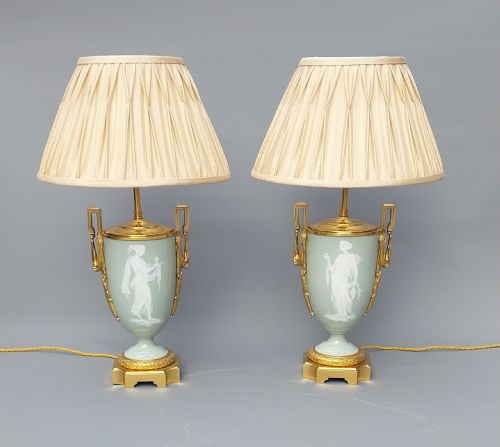
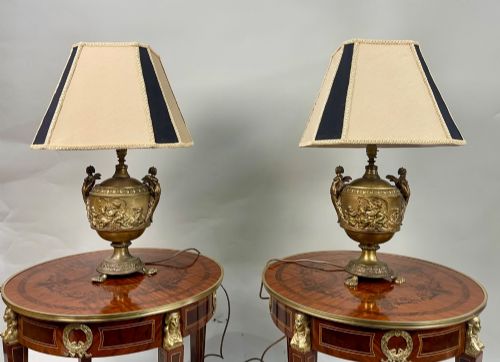
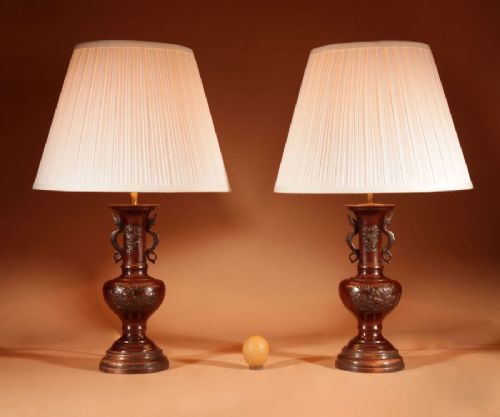
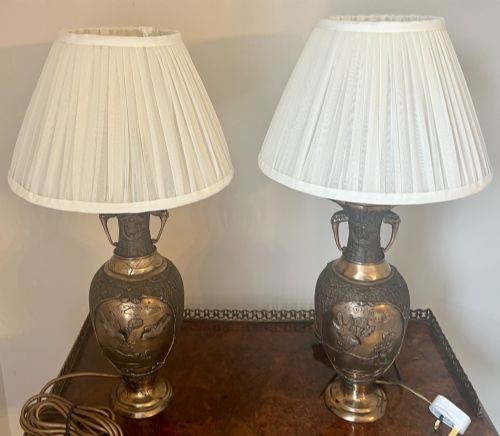
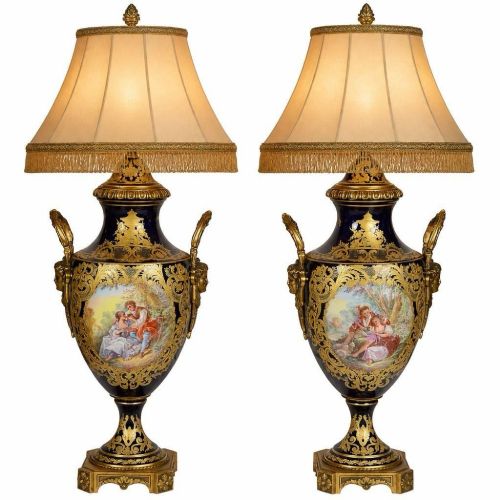
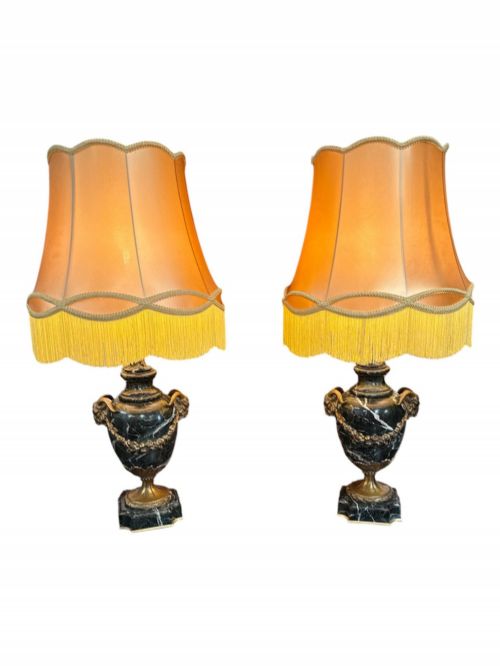
A bronze urn lamp pair consists of matched lighting fixtures created from decorative vessels, most frequently originating from nineteenth century French and Japanese workshops. Buyers search for this phrase to secure symmetrical table lamps that combine sculptural presence with functional light.
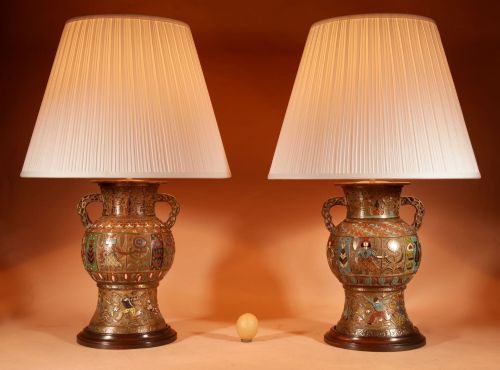
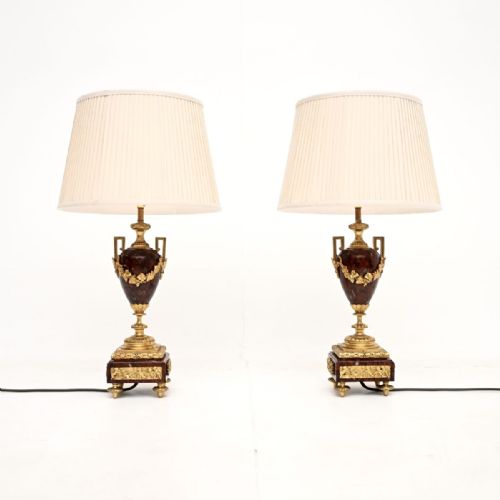
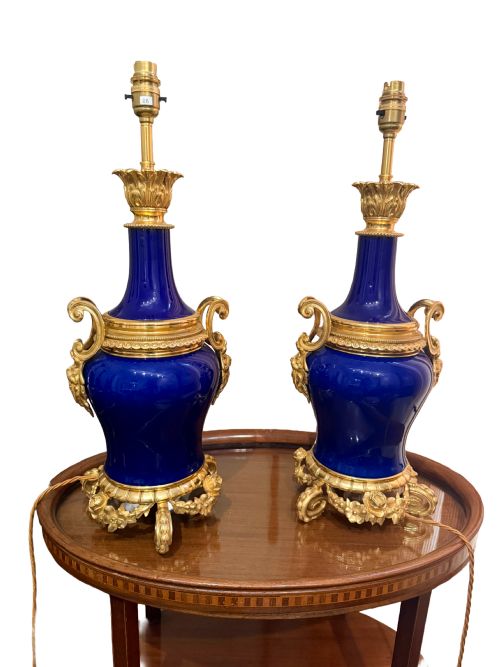
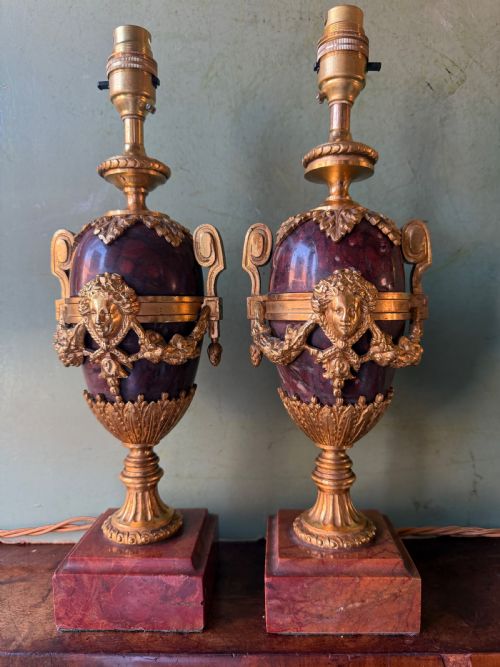
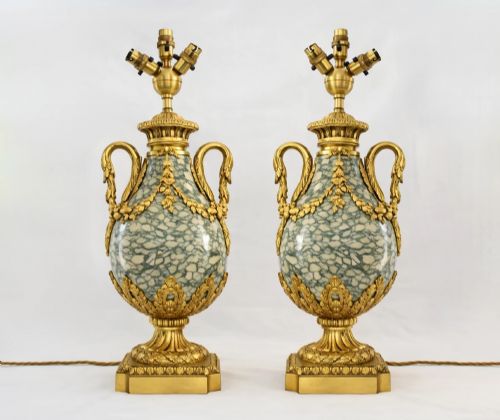
The dominant forms on this page include French Louis XVI style marble and ormolu designs alongside Japanese Meiji period bronze vases converted into lamps. These pieces bridge the gap between antique decorative art and practical interior lighting.
How they were made
Craftsmen utilised cast bronze, brass, and spelter as the primary structural metals, often combining them with natural materials like marble, porcelain, and glass. Ormolu and gilt bronze mounts were meticulously applied to accent the shoulders, bases, and handles of the urn bodies.
Many examples began as traditional vases, ewers, or cassolettes before undergoing later conversion into table lamps. Hand-painted details, champlevé enamel work, and fabric shades complete the construction of these decorative objects.
Bronze Urn Lamp Pair Retail Price Guide 2026
Typical asking prices for bronze urn lamp pair among the pieces listed under this phrase on Sellingantiques today, from the lower quarter to the upper quarter. They describe what is for sale here now, not the wider market.
Listings span the nineteenth and twentieth centuries, incorporating materials such as marble, porcelain, fabric, and ormolu.
What varies in quality
The standard of a bronze urn lamp pair depends heavily on the crispness of the metal casting and the quality of the ormolu gilding. Finer examples display sharp chisel work on the bronze surfaces and superior hand-painted decoration on porcelain or glass bodies.
Material selection also dictates the hierarchy, with dense natural marbles, genuine gilt bronze, and heavy Japanese bronzes holding a distinct advantage over lighter spelter or plain brass alternatives. Harmony between the paired vessels remains essential for a balanced appearance.
The Bronze Urn Lamp Pair Glossary
- Ormolu
- Gilt bronze mounted on decorative objects. This technique involves applying a finely ground high-carat gold mercury amalgam to a bronze base.
- Cassolette
- A decorative vase or urn featuring a reversible lid. One side serves as a solid cover while the reverse acts as a candleholder or burner.
- Champlevé
- An enamelling technique where troughs are carved into the metal surface and filled with vitreous enamel before firing.
- Meiji
- A Japanese imperial period spanning from 1868 to 1912. Bronzes from this era often feature intricate patination and classical wildlife or floral motifs.
Bronze Urn Lamp Pair: Frequently Asked Questions
How do I clean bronze and ormolu lamps?
Dust the metal gently with a soft dry cloth to remove everyday surface particles. Avoid chemical polishes that can strip away historic gilt layers.
Keep moisture away from any fabric components or electrical wiring during maintenance. Professional restoration is recommended for deep cleaning.
Were these lamps originally made for electricity?
Most pieces started life as decorative urns, vases, or ewers during the nineteenth century. They were converted into table lamps at a later date.
Wiring is typically housed safely through drilled bases or internal channels. Original vessel function remains intact beneath modern electrical fittings.
How do I identify French Louis XVI style?
Look for symmetrical neoclassical motifs such as acanthus leaves, urn profiles, and fluted columns. Ormolu mounts frequently accent marble bodies in this aesthetic.
Proportions remain restrained and architectural, reflecting eighteenth-century revival tastes popular throughout the nineteenth century.
What is the difference between bronze and spelter?
Bronze is a durable alloy of copper and tin that yields crisp casting details and a heavy feel. Spelter is a cheaper zinc-based metal used as a substitute.
Spelter items are noticeably lighter and prone to surface cracking under stress. Bronze pieces retain a deeper, warmer metallic resonance.