













Bronze Statue with Marble Base
A bronze statue with marble base brings sculptural weight and classic presence to a room.
Bronze Statue with Marble Base
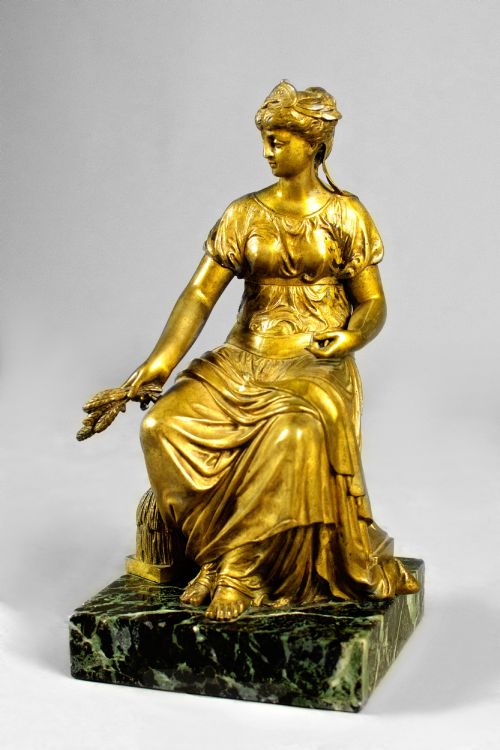
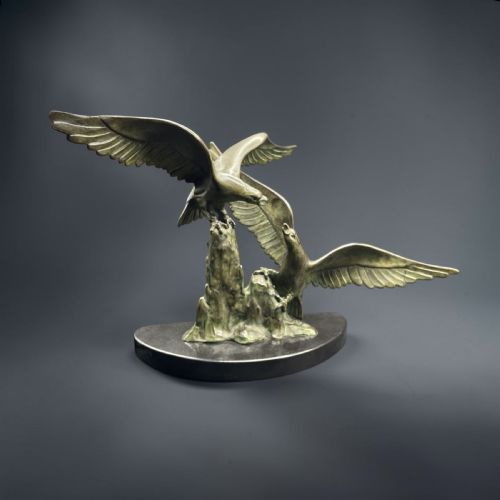
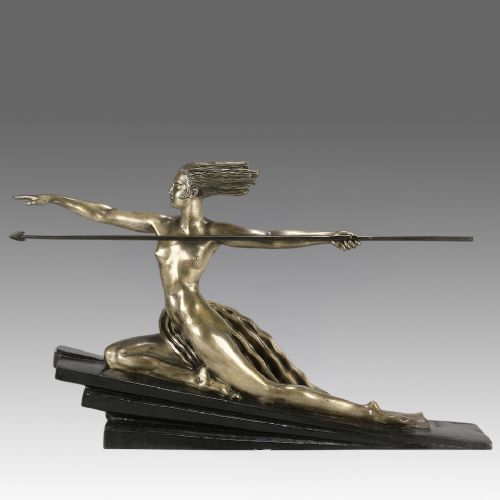
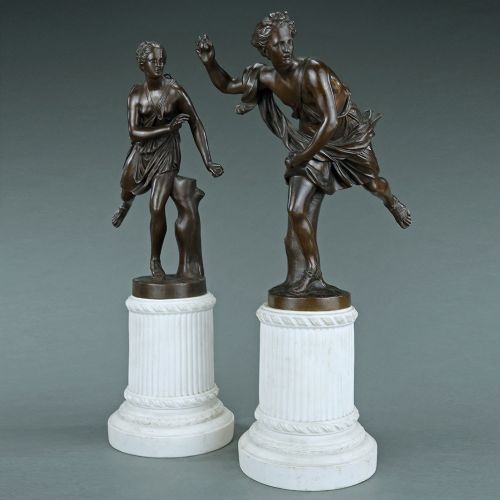
A bronze statue with marble base combines cast metal figures with solid stone plinths, uniting two durable materials in a single decorative object. Pieces of this type range from small Grand Tour souvenirs to large figural groups designed for mantelpieces or pedestals.
The selections span the nineteenth and twentieth centuries, taking in Neoclassical, Art Nouveau and Art Deco movements. Subjects include mythological figures, animals, children and dancers, reflecting the prevailing tastes of French, Italian and Austrian workshops.
Methods and materials
The metal components are mounted onto black or white marble bases that provide stability and contrast. These plinths are cut, shaped and polished to support the weight of the metal sculpture above.
Bronze Statue with Marble Base Retail Price Guide 2026
Typical asking prices for bronze statue with marble base among the pieces listed under this phrase on Sellingantiques today, from the lower quarter to the upper quarter. They describe what is for sale here now, not the wider market.
Listings feature works from the nineteenth century through to the 1930s, constructed in bronze, spelter and marble.
Factors of quality
The integration between sculpture and plinth matters greatly, with high-quality pieces featuring custom-fitted marble bases that complement the proportions and weight of the metal work.
Georges Gori·Gustave Dussart·Hans Müller·Emile Carlier·Alexandre Kelety·Geo Maxim·Pierre le Faguays
The Bronze Statue with Marble Base Glossary
- Patinated bronze
- A treated metal surface that produces a dark or coloured chemical finish. This layer protects the bronze and creates subtle tonal variations across the sculpture.
- Spelter
- A zinc alloy frequently utilised as an economical alternative to bronze. It accepts metallic paints and patination well, mimicking the appearance of heavier metals.
- Ormolu
- Finely ground high-carat gold applied to bronze through a mercury amalgamation process or electroplating. It provides a bright, lasting golden finish on decorative mounts and details.
- Grand Tour
- A traditional trip undertaken by European gentry to cultural centres in Italy. Travellers frequently collected small bronzes and marble souvenirs to bring home.
Bronze Statue with Marble Base: Frequently Asked Questions
How do I clean a bronze statue?
Dust the sculpture regularly with a soft, dry cloth to prevent particulate buildup on the metal and stone surfaces. Avoid using harsh chemical cleaners or water, which can damage patination and marble.
Apply a microcrystalline wax sparingly to the bronze if protection is needed, buffing gently afterwards. Keep the piece away from direct sunlight and damp environments to preserve the finish.
Are these statues original vintage pieces?
The selection includes works originating from the nineteenth and twentieth centuries, produced during specific periods like the Art Deco and Art Nouveau eras. Each piece reflects the manufacturing methods and artistic styles of its particular decade.
Examine the patination, casting seams and base construction to understand the age and origin of the sculpture. Maker signatures and foundry marks often provide additional confirmation of period manufacture.
How can I tell bronze from spelter?
Bronze is a heavy, durable copper alloy that feels cool to the touch and rings with a clear tone when tapped gently. Spelter is softer, lighter and more brittle, often showing a greyish metal underneath worn areas of paint.
Examine the underside of the piece where the mounting bolt attaches. The exposed metal of a bronze casting will show a warm, reddish-brown tone, unlike the dull grey characteristic of zinc-based spelter.
Where should I display my statue?
Place the sculpture on a sturdy, level surface such as a mantelpiece, sideboard or heavy table that can support the combined weight of metal and stone. Ensure the location is stable and away from high-traffic areas where it might be knocked.
Position the piece where lighting highlights the contours of the casting and the grain of the marble base. Adequate clearance allows the sculpture to be viewed properly from multiple angles.