


Bronze Six Light Pendant
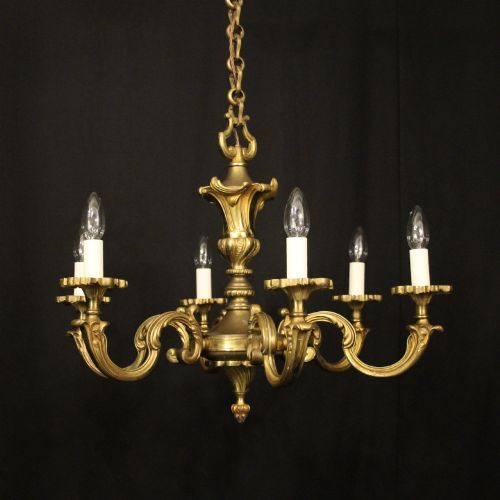
A bronze six light pendant brings grand illumination and French style into a room, suspended from above.
Bronze Six Light Pendant
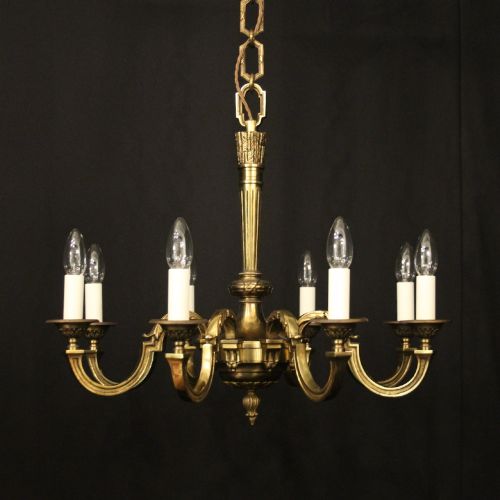
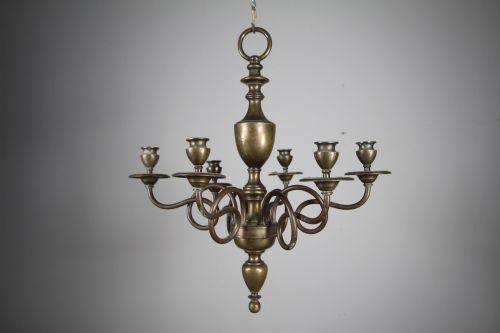
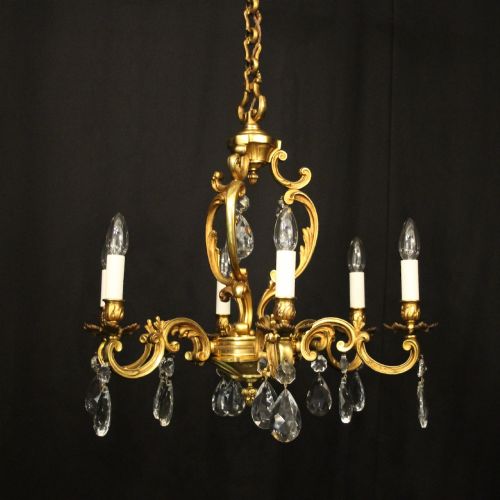
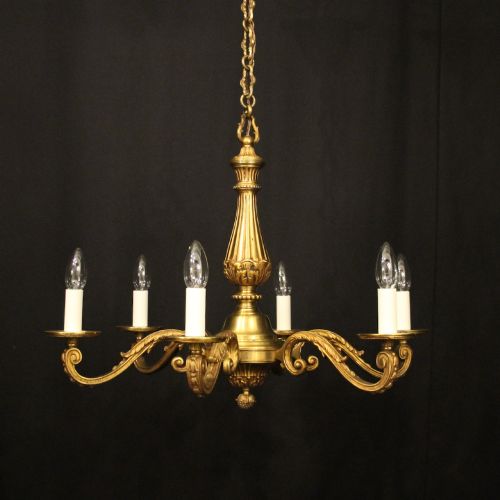
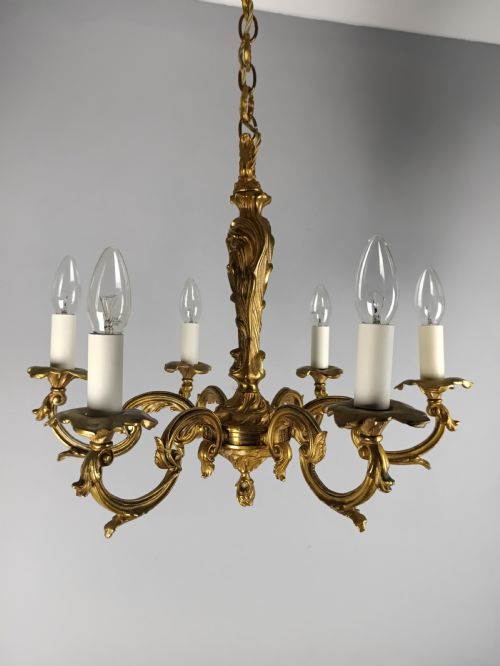
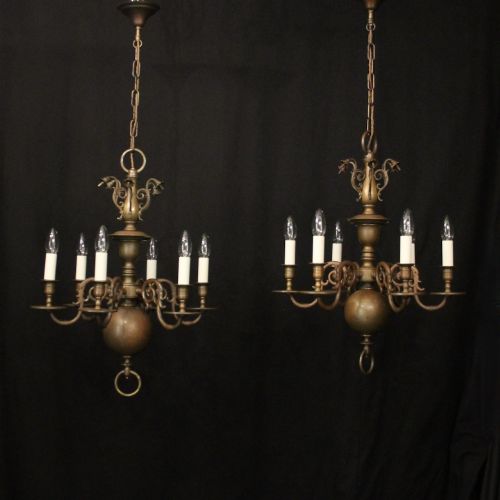
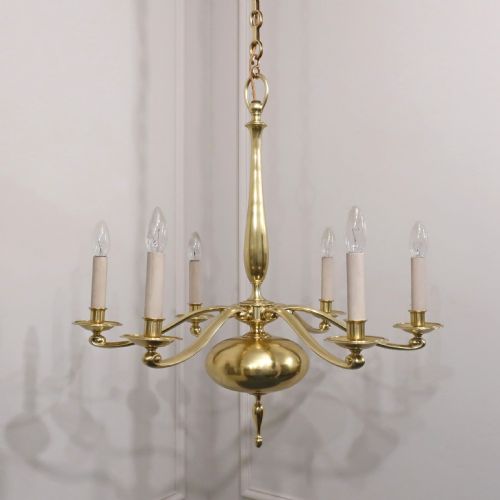
A bronze six light pendant takes the form of an antique chandelier or ceiling light fitted with six branches for illumination. When you search for this phrase, you encounter grand ceiling fixtures originating mostly from the nineteenth and early twentieth centuries.
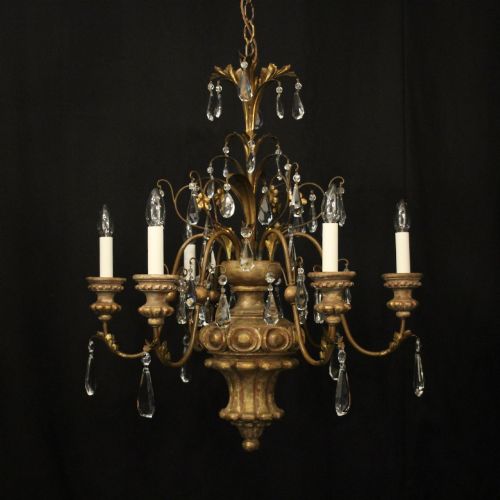
The pieces on this page lean heavily towards French design, encompassing French Rococo, Neoclassical, Empire, and Chateau styles. You also find Flemish and Florentine interpretations alongside English examples.
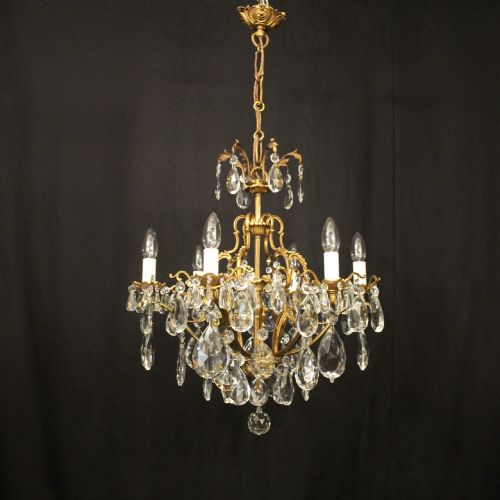
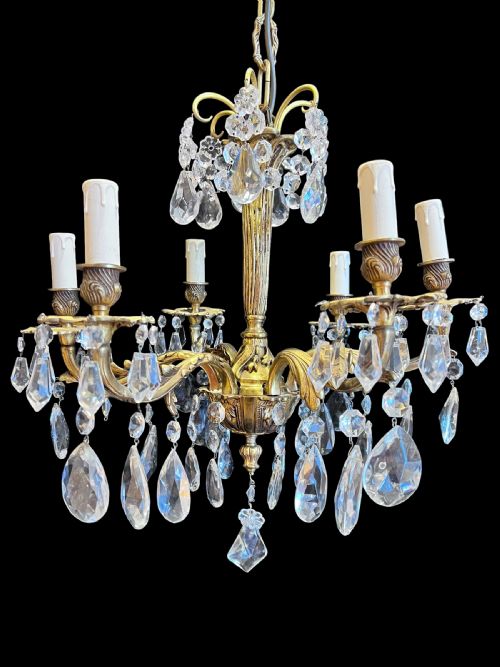
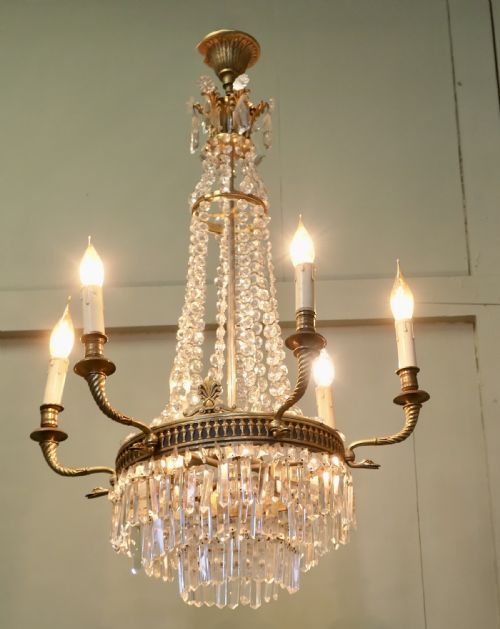
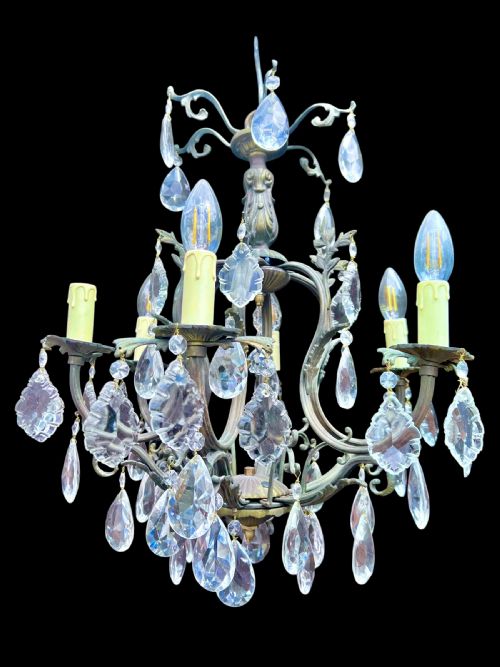
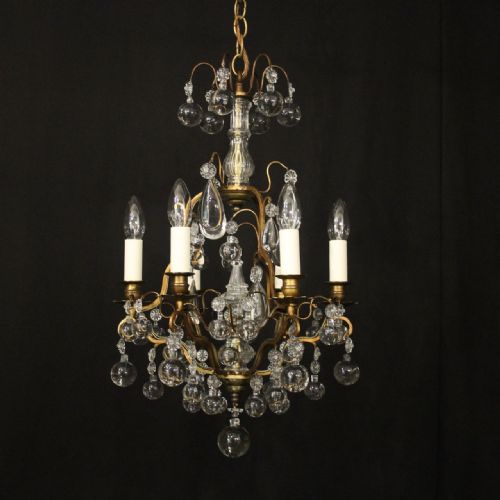
The most common version met here is a French gilded bronze or gilt brass chandelier from the nineteen twenties or the nineteenth century. These multi-armed lights often incorporate crystal drops or glass elements to enhance the reflection of light.
How they were made
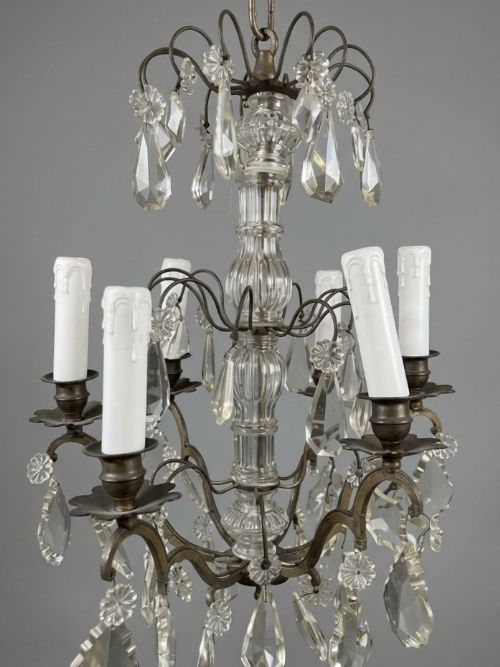
Craftsmen shaped these fixtures using cast bronze, brass, and ormolu, applying gilding to create a rich surface finish. Many pieces integrate glass and crystal components to catch and refract the illumination from the six arms.
Metalwork techniques involve heavy casting and fine chasing to achieve intricate ornamental details seen in styles ranging from Baroque to Art Nouveau. These structural components support complex tiers of arms, tent and waterfall configurations, and open-cage designs.
Bronze Six Light Pendant Retail Price Guide 2026
Typical asking prices for bronze six light pendant among the pieces listed under this phrase on Sellingantiques today, from the lower quarter to the upper quarter. They describe what is for sale here now, not the wider market.
Billiard and snooker halls once relied on specialised heavy lighting frames to keep players out of their own shadows.
What varies in quality
The heft and purity of the metal casting distinguish the sturdier fixtures from lighter alternatives. Heavier bronze and thick ormolu layers demonstrate superior substance and longevity.
The refinement of the surface chasing and the clarity of the integrated crystal or glass drops set the finest examples apart. Superior finishing in the gilding and ornamentation reflects the skill of the original workshop.
The Bronze Six Light Pendant Glossary
- Ormolu
- A gilt-bronze application technique used on decorative metalware to provide a rich golden surface finish. It appears frequently on nineteenth-century French fixtures.
- Empire
- A neoclassical design style originating in France during the early nineteenth century. It relies on symmetrical geometry and classical motifs.
- Rococo
- An ornate design style marked by asymmetric scrollwork, curves, and natural motifs. This aesthetic defines many French antique chandeliers.
- Tent and Waterfall
- A specific chandelier configuration where crystal beads drape in a tent shape above a cascading waterfall of drops. This arrangement maximises light refraction.
- Baroque
- An elaborate artistic style characterised by dramatic ornamentation and grandeur. It influences the heavy gilding seen on Edwardian and nineteenth-century pieces.
Bronze Six Light Pendant: Frequently Asked Questions
What is a bronze six light pendant?
A bronze six light pendant is a ceiling-suspended lighting fixture featuring six distinct arms or branches for illumination. These pieces typically originate from nineteenth and early twentieth-century Europe.
Most examples take the form of antique chandeliers incorporating brass, gilded bronze, and crystal elements. They serve as central overhead lighting sources for high-ceilinged rooms.
How do I hang a heavy bronze chandelier?
Hanging a heavy cast bronze fixture requires securing the weight directly to ceiling joists using rated structural hardware. Professional installation is essential due to the substantial weight of solid metal and crystal components.
Position the pendant at a height that clears head traffic while anchoring the room visually. Ensuring proper electrical load capacity is equally important for older fixtures.
How do I tell French styles apart?
French styles range from the curving asymmetry of Rococo to the strict symmetry and classical motifs of Empire design. Neoclassical pieces lean on clean architectural lines, while Chateau and Baroque iterations display heavier, more ornate ornamentation.
Examining the metalwork and decorative motifs helps identify the specific period and aesthetic influence. Gilded bronze and crystal arrangements often reflect the luxury associated with nineteenth-century French production.
How do I clean and maintain antique bronze?
Maintaining antique bronze involves gentle dusting with a soft cloth to preserve the aged surface and original gilding. Avoid using harsh chemical polishes that strip away patinas and surface treatments.
Glass and crystal components can be carefully wiped down with a mild solution while detached from the frame. Regular inspection of the hanging chains and internal wiring ensures safe daily use.