



Cast Bronze Chandelier
A cast bronze chandelier brings serious weight and presence to a room, turning utilitarian illumination into a grand architectural statement.
Cast Bronze Chandelier
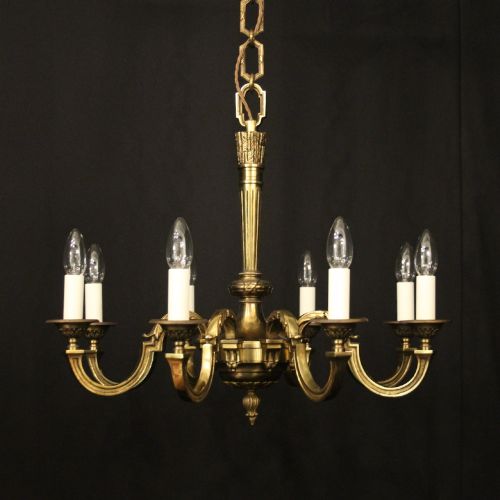
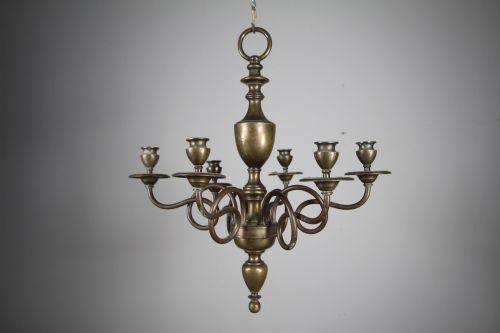
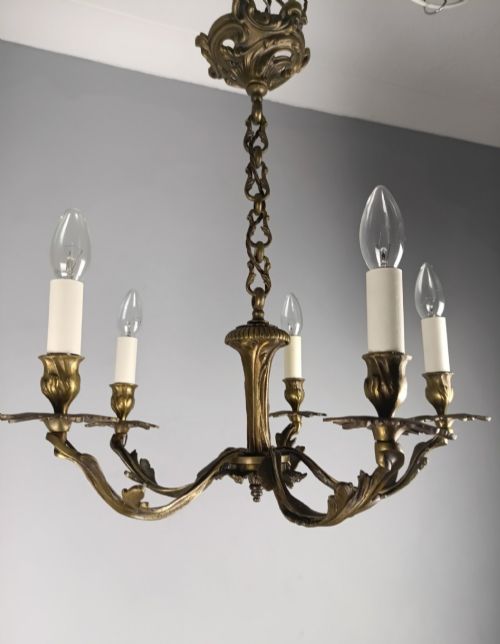
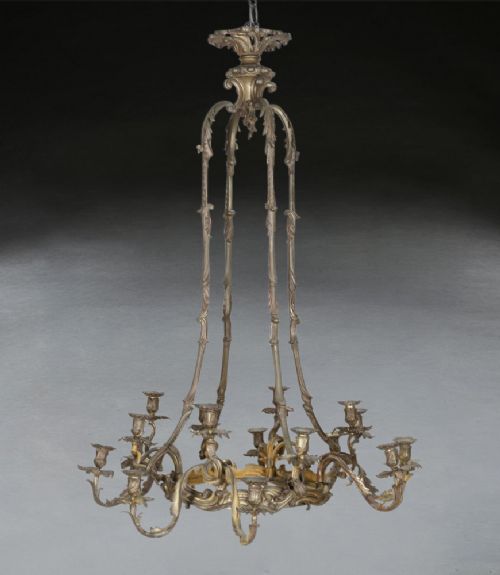
A cast bronze chandelier is a heavy, rigid ceiling light designed to anchor a principal room, often utilising multiple arms to support candle or bulb placements. When you search for a cast bronze chandelier, you encounter substantial multi-armed fixtures engineered to distribute light widely across large spaces.
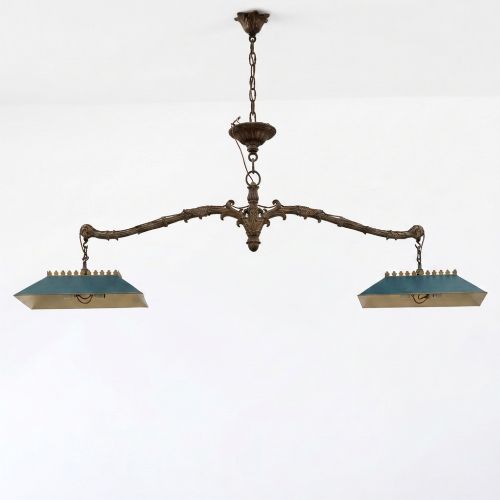
The selections available range from sturdy Edwardian eight-arm centerpieces to elaborate French multi-tiered designs and specialised forms like billiard lights or hall lanterns. French examples frequently exhibit rococo, neoclassical, or Louis XIV styling, whilst domestic pieces tend towards simpler period configurations.
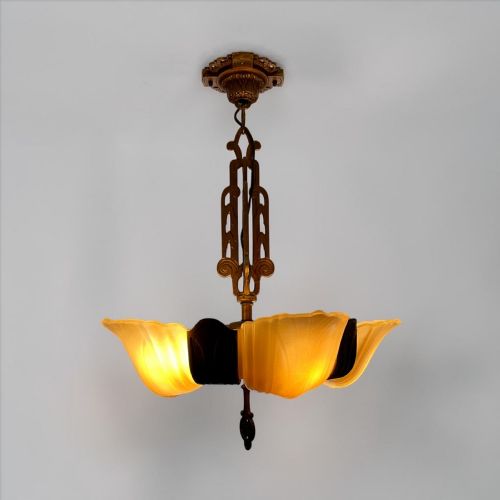
Most pieces date from the nineteenth and early twentieth centuries, spanning periods from Victorian gothic creations up to Art Deco slip shade lights and 1930s variations. You are most likely to meet eight-arm configurations or six-armed models carrying rich patinas developed over a century or more of service.
Materials and construction methods
Foundries produced these frames by pouring molten metal into sand moulds, creating robust bronze or brass skeletons that could support numerous branching arms without flexing. Artisans then chased the cooled metal surfaces by hand, sharpening leaf motifs, scrollwork, and gadrooning before applying chemical patinas or finishes.
Surface treatments varied widely according to fashion, utilising silvered bronze, gilt brass, or simple dark patinated bronze to achieve specific decorative effects. Frosted and moulded glass elements occasionally supplemented the metalwork, appearing as central bowls, slip shades, or cascading crystal drops.
Cast Bronze Chandelier Retail Price Guide 2026
Typical asking prices for cast bronze chandelier among the pieces listed under this phrase on Sellingantiques today, from the lower quarter to the upper quarter. They describe what is for sale here now, not the wider market.
Listings feature bronze, brass, and silvered bronze materials across French Rococo, Art Deco, and Victorian Gothic styles.
Quality indicators in metalwork
The distinction between ordinary and superior pieces lies in the crispness of the casting and the depth of the subsequent hand-chasing. Top-tier examples display sharp relief on acanthus leaves and figural details, whereas lesser items show softened edges where the mould lost definition.
Weight and structural integrity also separate the grades, as heavy, thick-walled bronze arms maintain rigidity and straight alignment over decades. Finer pieces demonstrate superior joint engineering where arms meet the central body, ensuring the entire chandelier hangs plumb and true.
The Cast Bronze Chandelier Glossary
- Ormolu
- Gilded bronze produced by applying a mercury and gold amalgam to the metal surface and heating it to drive off the mercury. This finish yields a warm, durable gold colour that resists tarnish.
- Chasing
- The process of hand-finishing a metal casting with punches and chisels to refine details and remove surface flaws. Superior chasing distinguishes master foundry work from routine production.
- Billiard light
- A long, linear ceiling fixture designed to illuminate a gaming table evenly without casting shadows. These pieces typically feature multiple downward-facing shades along a rigid metal bar.
- Slip shade
- A moulded piece of frosted or opalescent glass that slides into a metal frame, common in Art Deco designs. They diffuse light evenly while adding architectural geometry to the fixture.
- Gadrooning
- A decorative carved or cast band of convex curves or flutes used to ornament the edges of circular metal components. It provides a tactile, classical border to grease pans and central hubs.
Cast Bronze Chandelier: Frequently Asked Questions
How do I clean a bronze chandelier?
Dust the metal gently with a soft, dry microfibre cloth to remove surface particles without disturbing the underlying patina. Avoid chemical metal cleaners entirely, as they strip away historical character and original finishes.
For glass shades or crystal drops, remove them carefully and wash them in lukewarm soapy water before drying thoroughly. Reattach all components securely once dry, ensuring wiring remains undisturbed throughout the process.
Can these chandeliers take modern bulbs?
Most antique fixtures accept modern LED bulbs provided the Edison screw or bayonet cap matches the existing lamp holders. Many period chandeliers have been rewired safely for contemporary electrical standards by professional restorers.
Choose low-wattage or warm-toned LED bulbs to replicate the soft quality of historic gas or candle lighting. Consult a qualified electrician to verify that the ceiling junction box can support the substantial weight of a solid bronze fixture.
How do I determine the period?
Examine the casting quality, fastener types, and stylistic motifs to establish a baseline era for the fixture. Edwardian models often feature robust eight-arm symmetry with heavy bronze construction, whilst nineteenth-century gothic pieces display distinct architectural tracery.
Compare the surface patination and wiring channels against known historical manufacturing techniques. French pieces frequently bear distinct stylistic hallmarks of periods like Louis XIV or Rococo revival, guiding accurate dating.
Where should I hang a large chandelier?
Position large multi-armed chandeliers over dining tables, in grand entrance halls, or centred within high-ceilinged principal reception rooms. Ensure there is adequate clearance beneath the lowest hanging point for people to pass underneath safely.
Consider the visual weight of the bronze frame in relation to the proportions of the room and surrounding furniture. A substantial Edwardian or French multi-branch fixture demands a robust ceiling joist for secure suspension.