



Bronze Sculpture Set
A bronze sculpture set gathers matched figures, clock garnitures, or desk accessories mounted on stone bases.
Bronze Sculpture Set
A bronze sculpture set comprises matched works or multi-piece ensembles like clock garnitures and desk accessories. These pieces span the nineteenth century through the Art Deco era, often featuring animalier subjects, mythological figures, and architectural mounts.
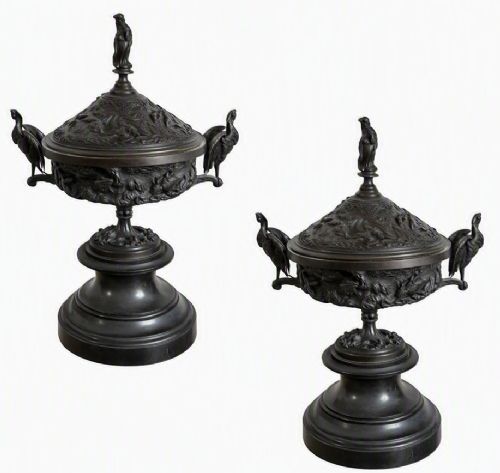
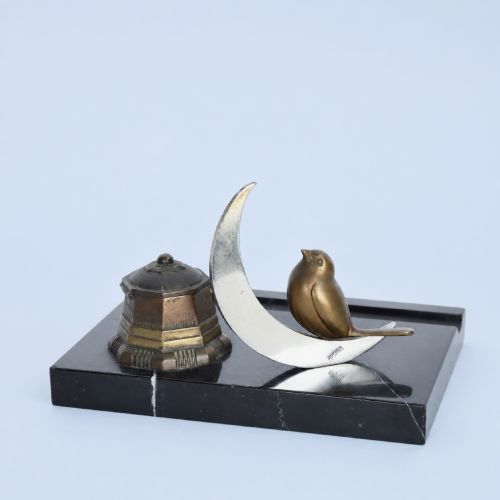
The most common configurations on this page include three-piece clock sets, pairs of decorative urns, and desk tidies paired with inkwells. Many examples combine cast metals with carved marble or onyx bases.
Originating predominantly from French workshops, these groupings served as decorative centerpieces for mantels, desks, and sideboards. They reflect the diverse stylistic movements from Victorian novelty to Art Nouveau and Art Deco.
Markers of fine craftsmanship
Quality rests upon the crispness of the metal chasing and the depth of the foundry patina. Superior casts reveal intricate anatomical details in animalier subjects and precise facial expressions in human figures.
The selection and preparation of the stone base elevate the piece, particularly where portoro or carved Italian marble is fitted precisely to the metalwork. Signed works by established sculptors demonstrate higher execution standards than unsigned commercial editions.
Bronze Sculpture Set Retail Price Guide 2026
Typical asking prices for bronze sculpture set among the pieces listed under this phrase on Sellingantiques today, from the lower quarter to the upper quarter. They describe what is for sale here now, not the wider market.
Keep an eye out for Mr Fox wearing his nightgown, ready to tend the desk.
Jules Moigniez·Poix Blin·Jules Dalou·Le Courtier·Gory Paris
The Bronze Sculpture Set Glossary
- Animalier
- A nineteenth-century artistic genre focusing on the realistic portrayal of animals, particularly in motion or repose. French sculptors frequently utilised this style for bronze desk accessories and mantle pieces.
- Clock Garniture
- A matching set consisting of a central mantel clock flanked by two matching side ornaments such as urns or candelabra. These tripartite arrangements balanced formal nineteenth-century interior decoration.
- Spelter
- A zinc alloy commonly utilised as a cost-effective alternative to bronze during the Art Deco period. It accepts patination and metallic finishes closely mimicking genuine bronze sculpture.
- Ormolu
- Finely ground high-carat gold applied to a bronze base through a mercury amalgamation process or modern electroplating. This technique imparts a durable, rich golden lustre to decorative mounts and inkwells.
- Desk Tidy
- A functional desktop accessory designed to hold pens, inkwells, and stamps, often incorporating figural bronze sculptures of animals. They served practical administrative functions in Victorian and Edwardian studies.
Bronze Sculpture Set: Frequently Asked Questions
Where should I place a clock garniture?
Position the central clock and its matching side ornaments on a stable mantelpiece, sideboard, or heavy console table. Ensure the supporting surface can safely bear the combined weight of the metal and stone.
Keep the grouping away from direct sunlight and heat sources to protect the marble bases and delicate patinated finishes.
How do I distinguish bronze from spelter?
Examine the underside or areas of wear for the underlying metal colour and weight. Bronze is heavier, cooler to the touch, and reveals a warm golden-brown hue beneath the patina.
Spelter is lighter, softer, and often displays a greyish-white metal beneath chipped paint or surface finishes. Many Art Deco animal figures utilise spelter mounted on marble.
What is an animalier bronze?
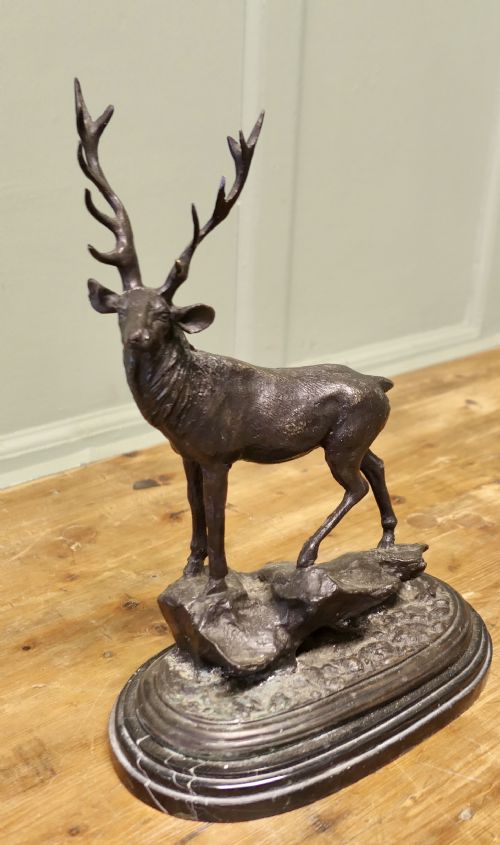
An animalier bronze depicts naturalistic animal forms, ranging from roaring lions to stags standing on rocky outcrops. These sculptures captured popular interest in wildlife and natural history during the nineteenth century.
Artists observed movement and anatomy closely, translating studies into detailed bronze casts often paired with marble plinths.