




Bronze Renaissance Figures
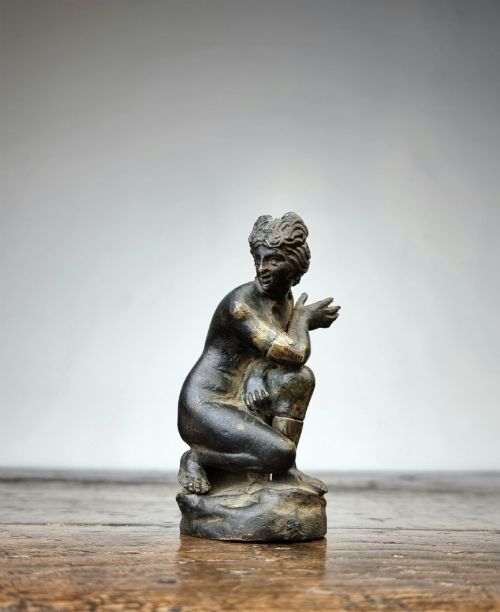
When you seek bronze renaissance figures, you meet cast metal sculptures and statues channeling classical antiquity and later revivals for your interior.
Bronze Renaissance Figures
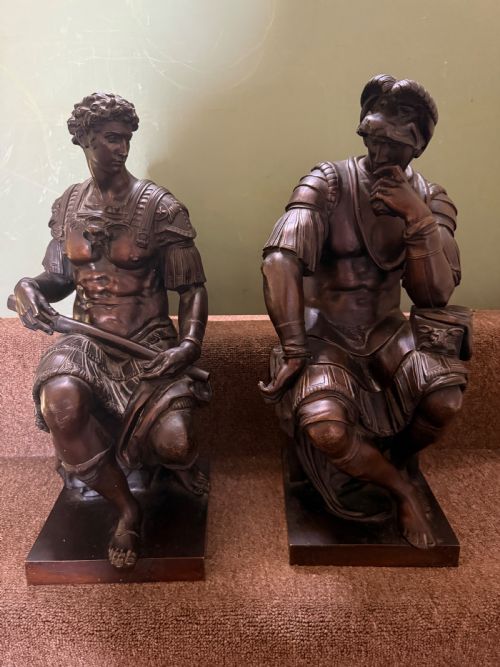
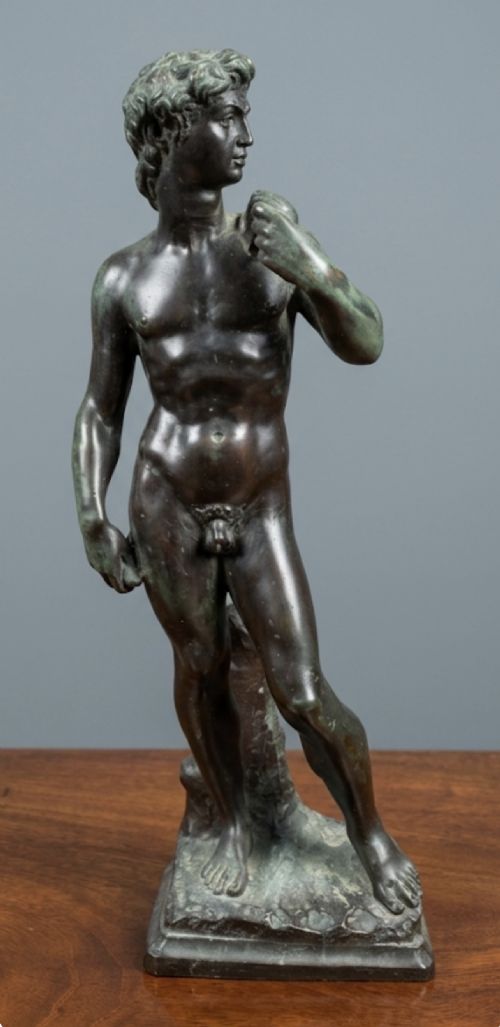
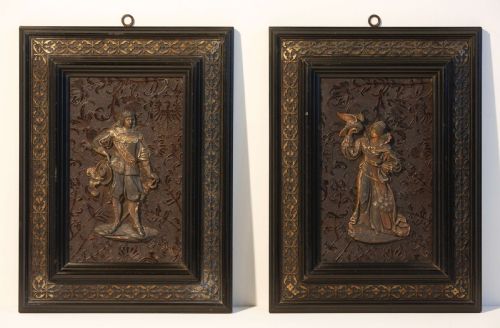
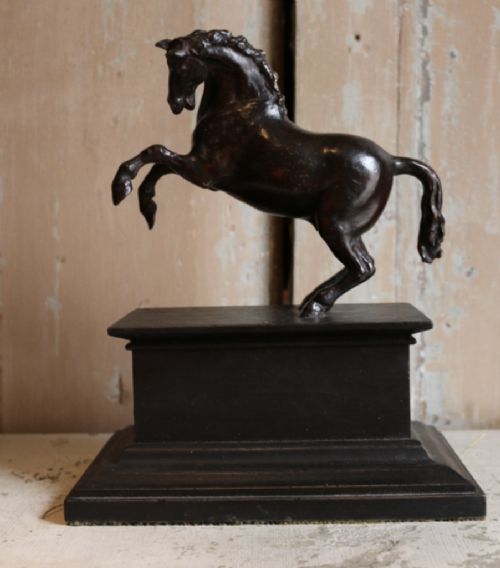
Bronze renaissance figures span small cabinet statuettes, mantel clock garnitures, candlesticks, and wall plaques representing classical subjects, knights, musicians, and historical monarchs. You encounter both period examples from the seventeenth century and nineteenth-century revivals produced in France and Italy during the Grand Tour. These works draw heavily upon iconic models by Michelangelo, Giambologna, and Verrocchio, translated into bronze, patinated bronze, and occasionally gilt surfaces.
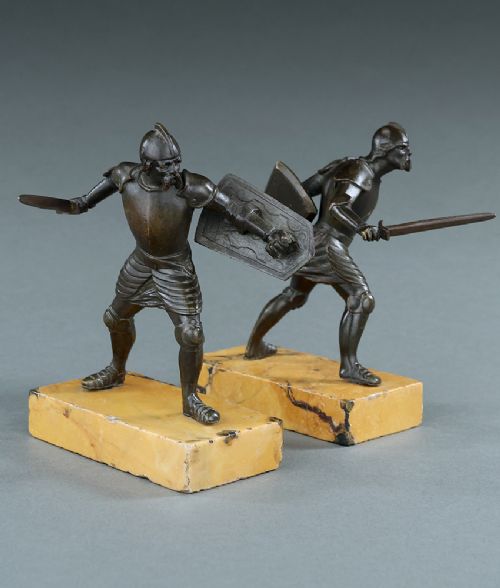
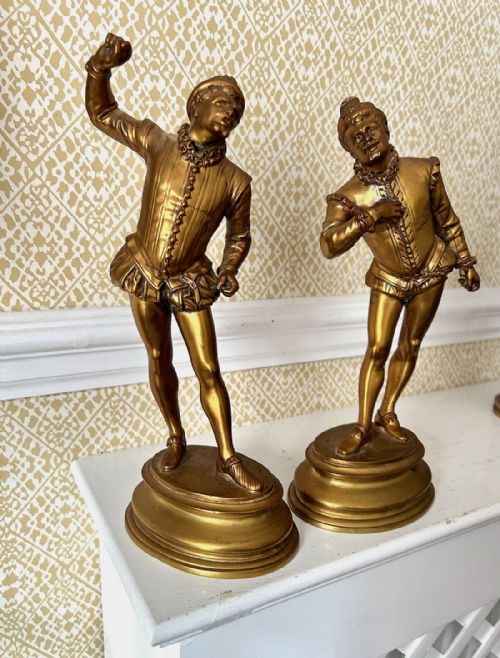
The nineteenth-century French and Italian interpretations dominate the available selection, often taking the form of spirited duellists, courtiers, and mythological figures. Grand Tour souvenirs provide smaller desk and mantel pieces that wealthy travellers brought home from Italy. Alongside solid bronze, you will frequently locate pieces cast in spelter or white metal with patinated finishes imitating true bronze.
How they were made
Foundries utilised the lost-wax casting method or sand casting to achieve intricate detail in bronze, capturing the musculature of figures like David or the heavy drapery of Renaissance costume. Many surfaces received chemical patination to simulate age, ranging from deep brown and black to green verdigris, whilst others were fire-gilded or highlighted with gilt bronze.
Alternative base metals such as spelter and white metal appear frequently in nineteenth-century interpretations, finished with a bronze-toned coating to mimic the heavier alloy. Marble components, particularly Sienna marble, frequently serve as heavy bases for mantel clocks and sculptural groups.
Materials span patinated bronze, gilt bronze, Sienna marble, and cast iron alongside alternative white metals.
What varies in quality
Foundry marks and artist signatures add distinction to nineteenth-century pieces, marking the output of established French workshops like Barbedienne. Weight and stability also indicate quality, with genuine heavy bronze and solid marble plinths contrasting against lighter, hollow white metal substitutes.
Barbedienne·Emile-Coriolan Guillemin·Giambologna·Marcel Debut·Paul Fournier
The Bronze Renaissance Figures Glossary
- Grand Tour
- A traditional trip through Europe undertaken by upper-class European young men of means in the seventeenth, eighteenth, and nineteenth centuries. Souvenirs collected along the way included miniature bronze replicas of famous Italian sculptures.
- Lost-wax casting
- A metal-casting method in which a molten metal is poured into a mould that has been created by means of a wax model. Once the mould is made, the wax is melted and drained away.
- Patinated bronze
- Bronze that has been treated with chemical solutions to produce a specific surface colour and texture. This process protects the metal and enhances the visual depth of sculptural details.
- Spelter
- A zinc alloy commonly utilised as a less expensive substitute for bronze in nineteenth-century decorative figures and mantel clocks. It is softer than bronze and typically carries a painted or electroplated finish.
- Renaissance Revival
- A nineteenth-century architectural and decorative arts style drawing inspiration from fifteenth and sixteenth-century Italian and French design. Sculptors reinterpreted classical humanism and dramatic historical subjects during this period.
Bronze Renaissance Figures: Frequently Asked Questions
Are these figures solid bronze?
Many sculptures utilise solid bronze, though nineteenth-century examples frequently employ alternatives such as spelter or white metal finished with a patinated coating.
Heavier pieces often incorporate marble bases, whilst smaller cabinet statues rely on solid metal mass for stability.
What is a Grand Tour bronze?
Grand Tour bronzes are miniature souvenir sculptures purchased by travellers visiting cultural sites in Italy during the nineteenth century. These pieces reproduced famous monumental works by masters like Michelangelo and Verrocchio for home display.
They allowed collectors to bring classical antiquity and Renaissance art into domestic libraries and studies.
How do I care for patinated bronze?
Dust the surface regularly with a soft, dry brush to prevent particulate buildup within the recessed details of the casting. Avoid chemical cleaners or polishes that can strip the chemical patina from the metal.
Applying a very light coat of microcrystalline wax occasionally helps protect the finish from moisture and handling.
How do I distinguish spelter from bronze?
Spelter is significantly lighter than bronze and possesses a softer surface that scratches more easily if tested discreetly underneath. The underside or interior often reveals a greyish-white base metal beneath any surface bronze-coloured paint.
True bronze maintains a heavier, colder feel and shows a warm golden-brown tone where the underlying metal is exposed.