



Bronze Ram Head
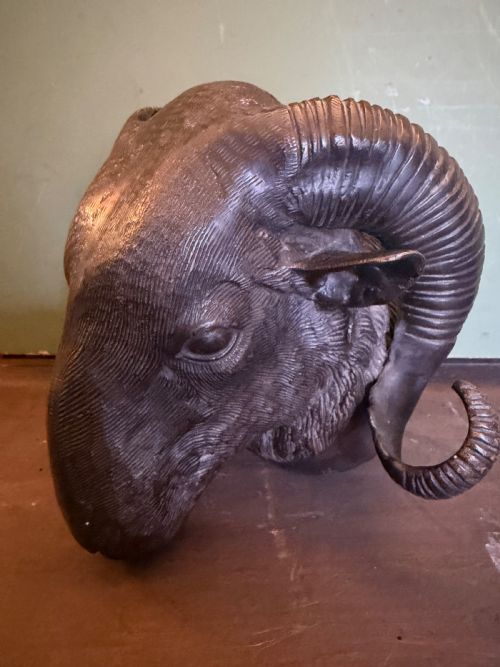
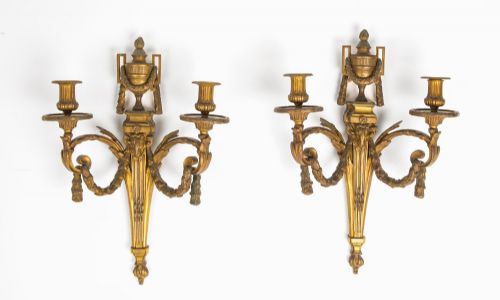
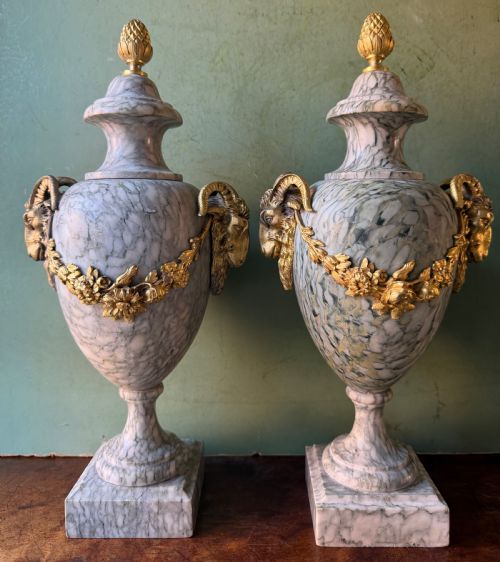
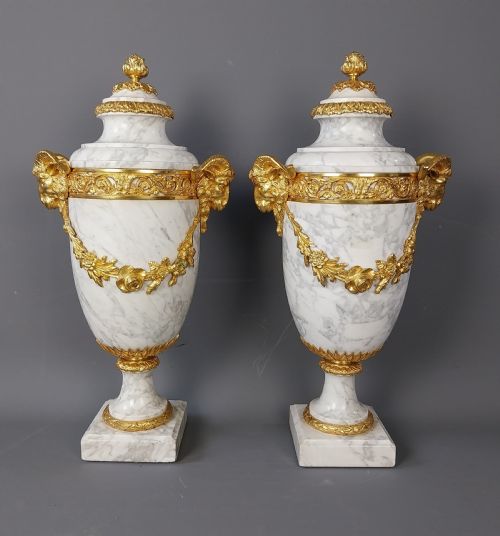
These pieces featuring a bronze ram head bring classical sculptural weight to a room through urns, sconces, and table lamps.
Bronze Ram Head
When you search for a bronze ram head, you encounter decorative objects and lighting shaped by classical antiquity and later revivals. The pieces on this page span the nineteenth century and the mid-twentieth century, capturing enduring motifs rooted in neoclassical design.
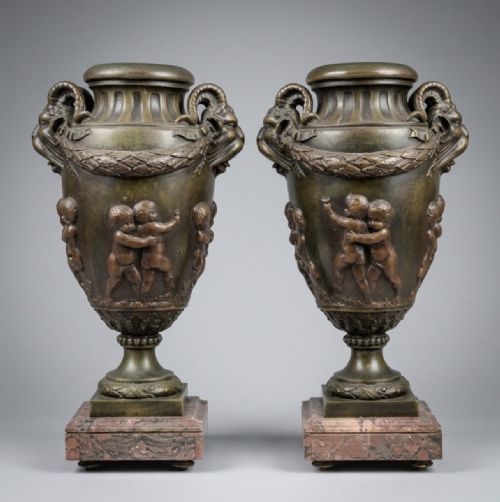
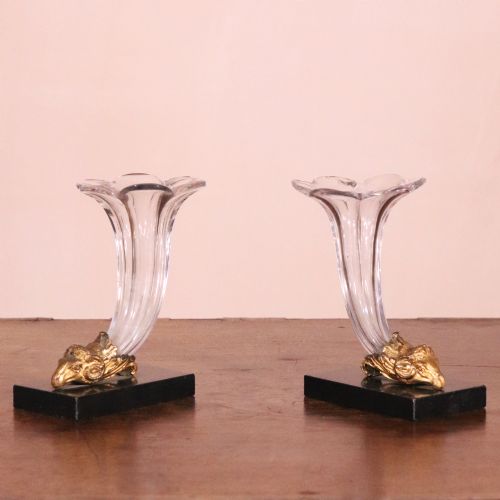
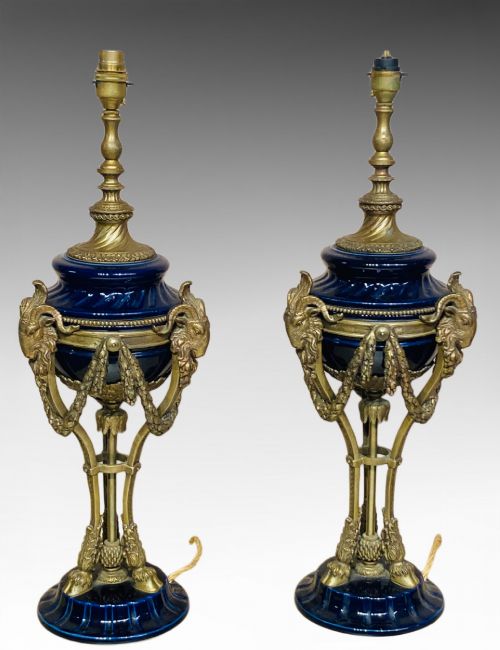
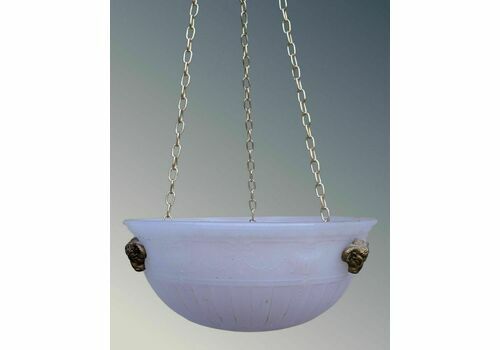
You are most likely to meet pairs of wall sconces, table lamps, and decorative urns or cassolettes. These items integrate cast metal mounts and handles modelled as animal masks onto bodies of marble, glass, or patinated bronze.
Origins stretch across English, French, and Italian workshops, reflecting the broad European appeal of Regency and Louis XVI styles. Domestic lighting and garniture sets dominate the selection, bringing architectural dignity to mantelpieces and walls.
Materials and casting methods
Casting utilised metals such as bronze, gilt bronze, ormolu, brass, spelter, and copper, often paired with carved white or faux marble bases and glass components. The animal mounts were typically cast separately and applied to the main body with pins or screws.
Patination techniques varied from applied gilding and ormolu finishes to dark chemical patination on bronze surfaces. Stonework was turned and polished to provide a stable, contrasting plinth for the metalwork.
Bronze Ram Head Retail Price Guide 2026
Typical asking prices for bronze ram head among the pieces listed under this phrase on Sellingantiques today, from the lower quarter to the upper quarter. They describe what is for sale here now, not the wider market.
The documented styles span Neoclassical, Regency, Louis XVI, and Gothic Revival vocabularies.
Judging the work
The distinction between ordinary and exceptional pieces lies in the crispness of the chasing on the metal mounts. Superior examples show sharp detail in the curls of the horns and the expression of the animal mask, whereas weaker castings appear soft and smoothed over.
Harmony between the materials dictates the visual success of the piece. Top-tier items combine heavy, well-chased bronze or ormolu with dense, unblemished marble or high-grade coloured glass.
The Bronze Ram Head Glossary
- Ormolu
- Gilded bronze, usually produced by applying a mercury-gold amalgam to a cast bronze base and firing it. This finish yields a warm, enduring lustre characteristic of French decorative arts.
- Cassolette
- A dual-purpose decorative vessel that functions as a vase or an incense burner depending on whether the reversible lid is in place. These often feature sculptural handles.
- Spelter
- A zinc alloy used as a less expensive alternative to bronze for cast figures and mounts. It takes a bronzed finish well but is softer and lighter than copper-based metals.
- Rhyton
- An ancient vessel form shaped like a horn, often terminating in an animal head. Nineteenth-century revivals adapted this classical shape into decorative objects.
- Sconce
- A wall-mounted lighting fixture designed to hold candles or electric bulbs. Backplates frequently incorporate animal masks and classical foliage.
Bronze Ram Head: Frequently Asked Questions
What periods do these pieces date from?
The selection spans the nineteenth century alongside mid-twentieth century examples. Most items reflect nineteenth-century revivals of earlier classical aesthetics.
Design influences draw heavily from the Regency, French Empire, and Louis XVI periods, reinterpreted by later makers.
How were these items used originally?
Many served as functional lighting through table lamps, wall sconces, and chandeliers holding candles or oil. Others functioned purely as decorative garnitures like urns and cassolettes.
Interior placement typically focused on principal rooms, mantelpieces, and grand hallways where classical motifs conveyed status.
How do I distinguish bronze from spelter?
Bronze is heavier, colder to the touch, and yields a resonant ring when struck gently. Spelter is softer and may show a greyish metal beneath worn areas of its finish.
Examining the underside or interior surfaces often reveals the characteristic colour and weight differences of the base metal.
How do I care for gilt bronze and ormolu?
Dust gently with a soft, dry brush to prevent accumulation in the recessed details of the casting. Avoid chemical cleaners and abrasive cloths which strip the delicate gold surface.
Stable indoor humidity preserves both the metal finishes and the associated marble or wooden components.