


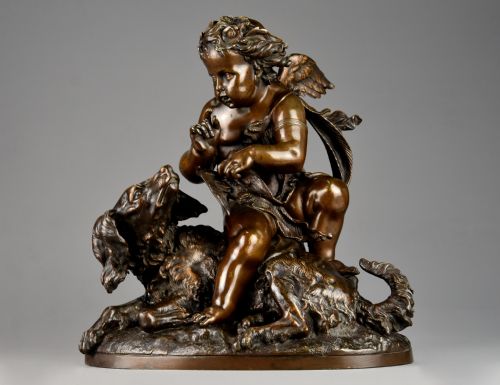


Bronze Putto Sculpture
A bronze putto sculpture captures the playful spirit of classical antiquity, bringing winged cherubs and mythological children into nineteenth-century interiors.
Bronze Putto Sculpture
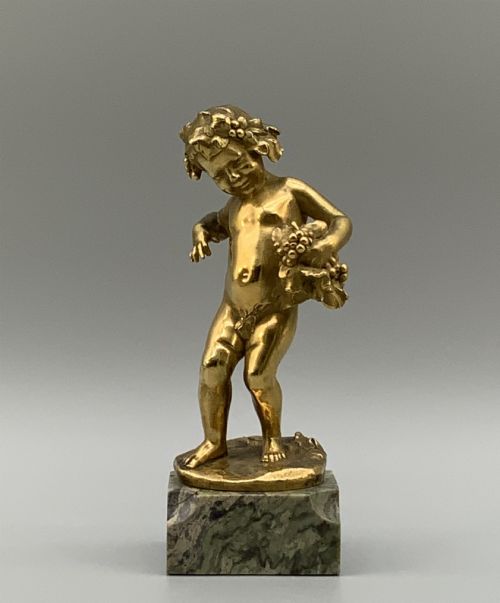
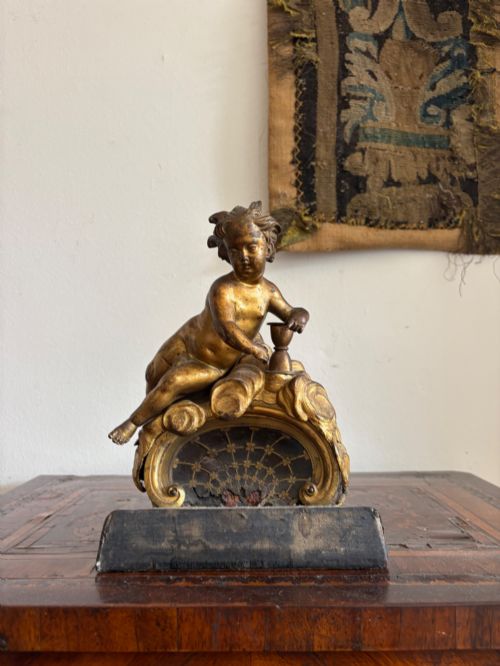
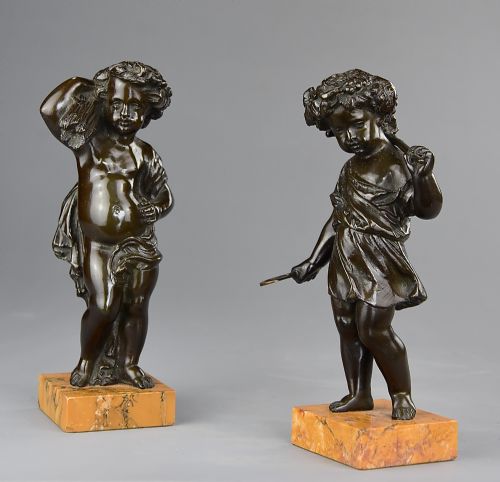
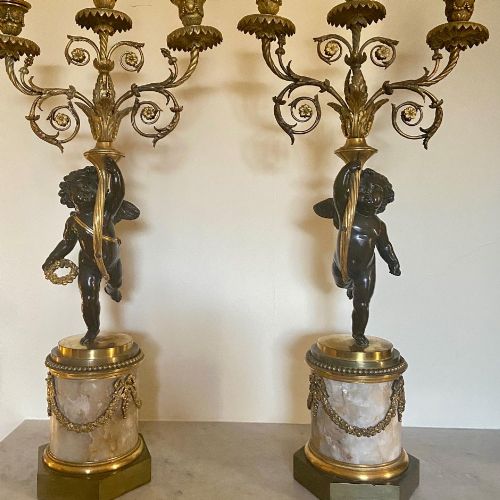
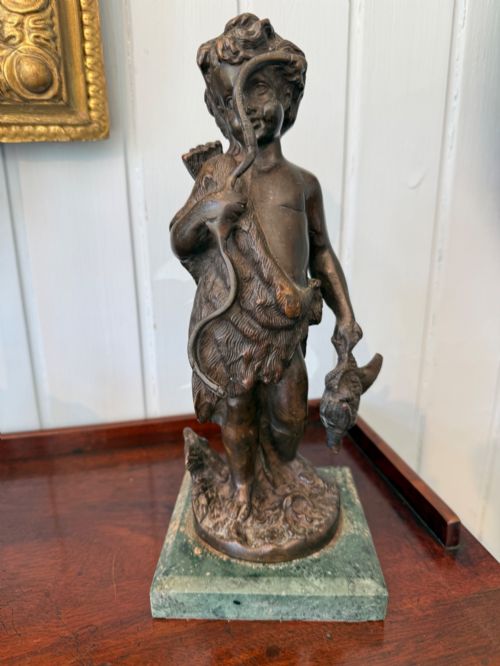
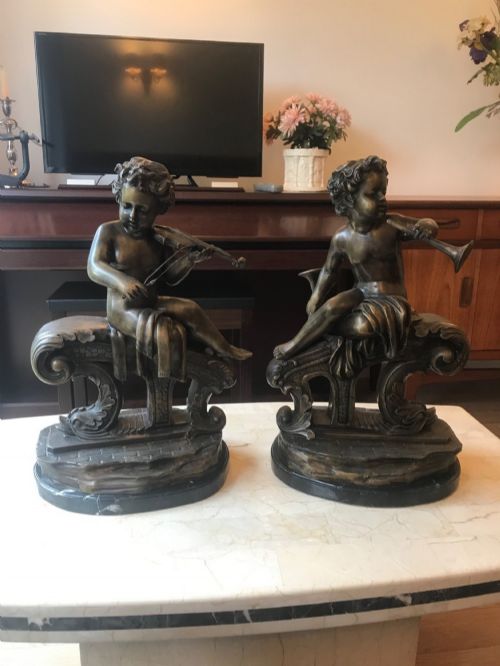
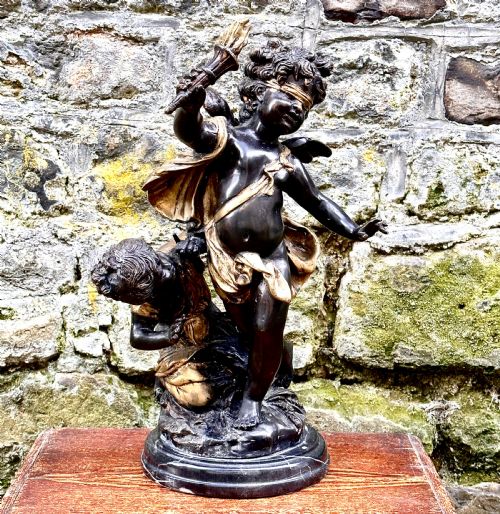
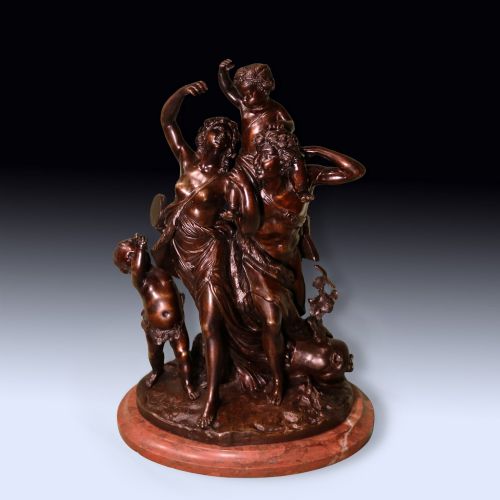
A bronze putto sculpture depicts a small winged infant, cherub, or mythological child engaged in activities such as playing musical instruments, gathering grapes, or hunting. When exploring a bronze putto sculpture, buyers encounter freestanding figures, pairs on marble bases, and decorative mounts dating predominantly from the nineteenth century.
The objects stem largely from French and Italian workshops influenced by Neoclassical and Rococo Revival tastes, alongside Grand Tour souvenirs. These pieces range from substantial mantel figures and lamps to architectural finials and bookends.
How they were made
Foundries utilised traditional lost-wax casting methods to shape the bronze, producing intricate details in hair, wings, and drapery. Artisans then applied chemical patination or mercury gilding, known as ormolu, to create varied surface tones.
Many figures are mounted upon heavy bases of white or coloured marble, while others incorporate materials such as fluorspar and carved wood elements to enhance the composition.
Bronze Putto Sculpture Retail Price Guide 2026
Typical asking prices for bronze putto sculpture among the pieces listed under this phrase on Sellingantiques today, from the lower quarter to the upper quarter. They describe what is for sale here now, not the wider market.
Listings feature bronze putto sculptures combined with marble bases, fluorspar, and ormolu mounts.
What varies in quality
The fidelity of the cast distinguishes standard commercial output from exceptional foundry work, particularly in the crispness of the chasing and the naturalism of the child's musculature and expression. Superior examples retain subtle surface hand-finishing that accentuates anatomical contours and textural contrasts.
The quality of the secondary materials, such as the density of the marble plinth or the depth of the patination, marks the difference between average decorative pieces and signed foundry productions.
Charles Louis Malric·Susse Frères·Claude Michael Clodion·Francois Redmond·Leon Message·Jollet et Cie·Louis Auguste Moreau·Georges Van De Voorde·Charles Cumberworth·Carrier·Ferrand
The Bronze Putto Sculpture Glossary
- Putto
- A representation of a human infant, usually winged, derived from classical art and frequently seen in Renaissance and later revivals.
- Ormolu
- Gilt bronze created by applying a mixture of mercury and gold to a bronze base and heating it, resulting in a rich golden finish.
- Patina
- The surface sheen or colour developed on bronze over time through oxidation or chemical treatment by the founder.
- Grand Tour
- A cultural journey undertaken by wealthy Europeans in the eighteenth and nineteenth centuries, bringing home small bronzes and antiquities.
- Neoclassical
- A style spanning the eighteenth and nineteenth centuries that drew inspiration from the classical art and culture of ancient Greece and Rome.
Bronze Putto Sculpture: Frequently Asked Questions
What is the difference between a putto and a cherub?
While often used interchangeably in nineteenth-century commerce, a putto specifically denotes a classical mythological infant figure, whereas a cherub possesses biblical associations. Both share the characteristic wings and youthful form seen in these sculptures.
Sculptors of the period drew freely from both traditions, rendering them as musicians, hunters, or companions to Bacchus.
How can I tell if a bronze is from the nineteenth century?
Nineteenth-century casts typically display the weight, tool marks, and warm patination characteristic of historical foundry work rather than modern production methods. Examining the underside and the method of joining components often reveals period assembly techniques.
Signatures or foundry stamps embedded in the metal also help anchor the piece to a specific era and workshop.
What are Grand Tour bronze sculptures?
Grand Tour bronzes were acquired by travellers visiting Italy and France during the nineteenth century as portable souvenirs of classical art. These pieces frequently reproduce famous ancient sculptures or feature mythological children associated with classical sites.
They are often mounted on polished marble bases suited for display on desks or side tables.
How should I clean a bronze sculpture?
Bronze requires minimal maintenance and should only be dusted gently with a dry, soft cloth to preserve the historic patina. Avoid using water, polishes, or abrasive cleaners, which can strip the chemical surface layer.
Keeping the piece away from direct sunlight and excessive moisture protects both the metal and any associated marble or wood mounts.