


Bronze Orientalist Figure Sculpture
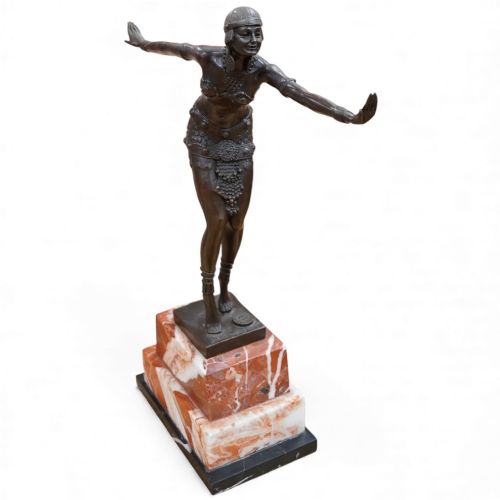
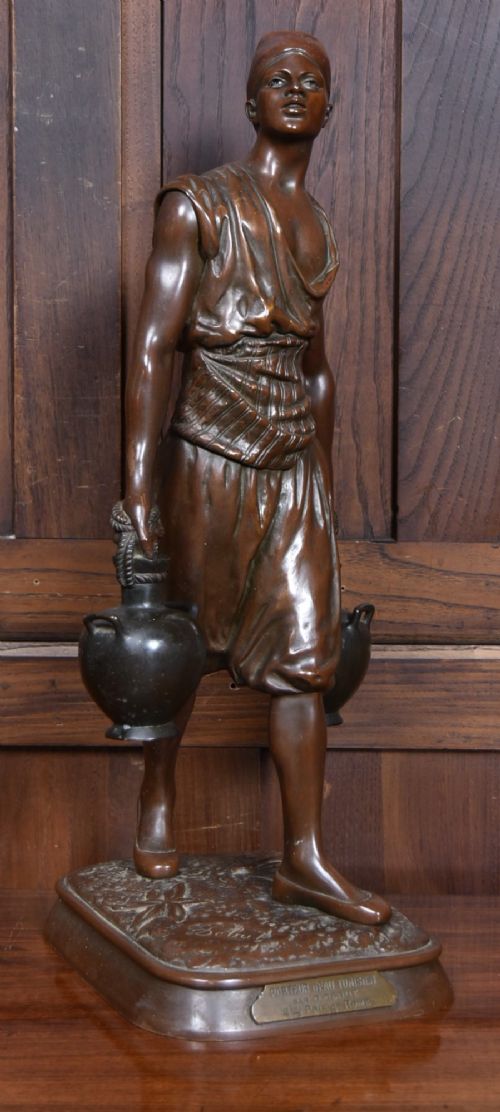
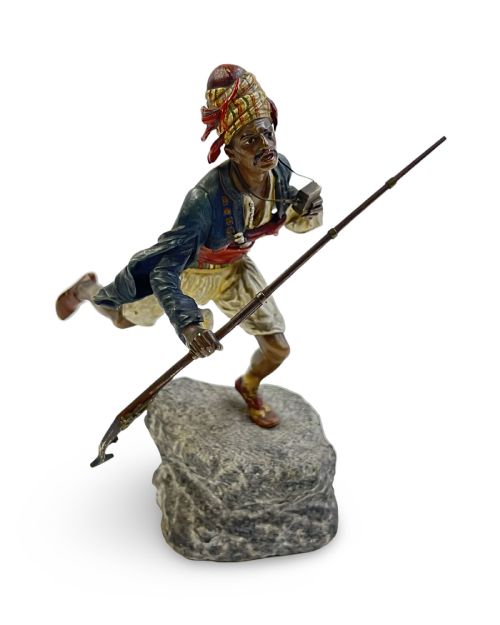
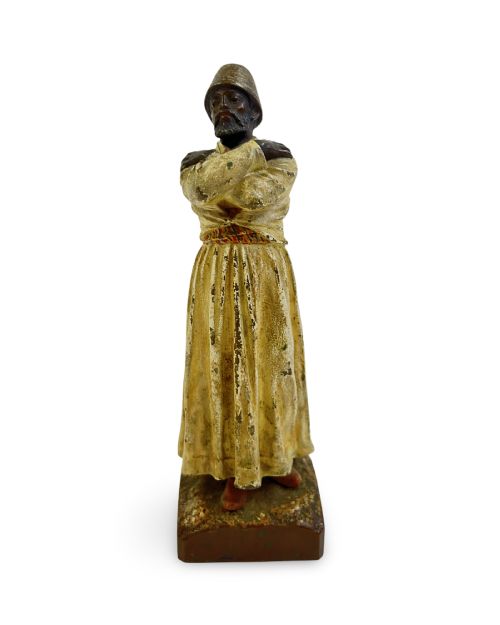
A bronze orientalist figure sculpture captures dramatic nineteenth and early twentieth century narratives through figures of merchants, dancers, and warriors.
Bronze Orientalist Figure Sculpture
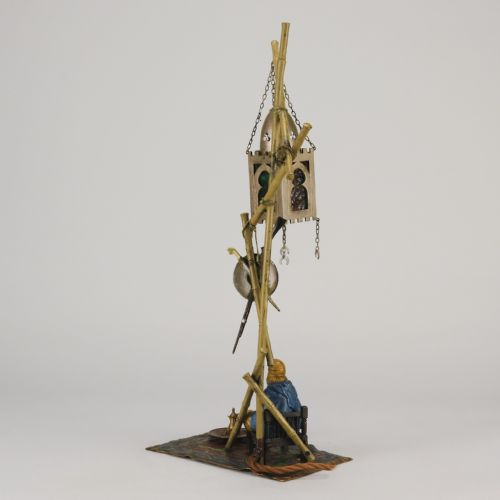
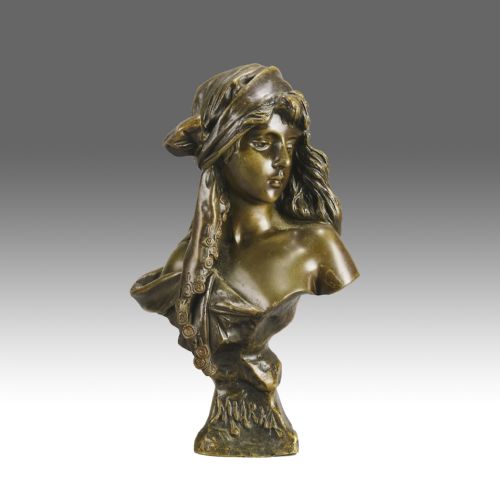
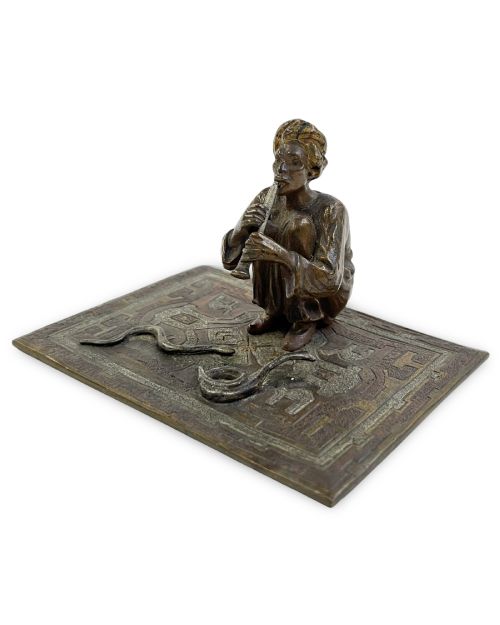
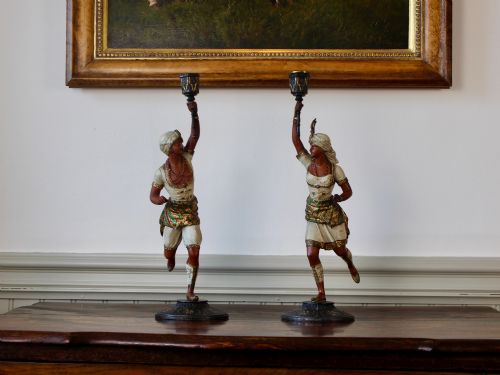
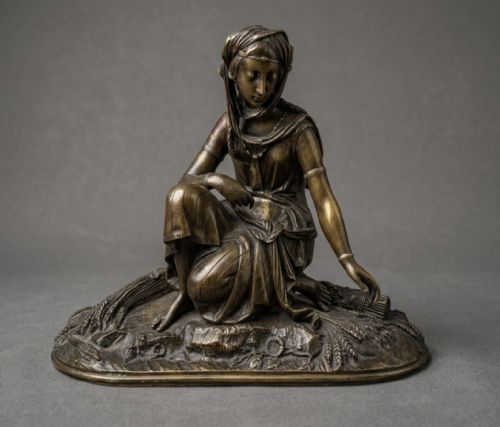
A bronze orientalist figure sculpture depicts subjects from North Africa and the Middle East, spanning figurative works, table lamps, and figural candlesticks. The most common examples on this page date from the nineteenth century through the 1930s, encompassing styles from Victorian academic realism to Art Nouveau and Art Deco.
Makers often rendered human figures alongside animals, such as camels and donkeys, or incorporated functional elements like lamps and inkstands. These works reflect European artistic fascination with eastern cultures during the Victorian and Edwardian eras.
Materials and Construction
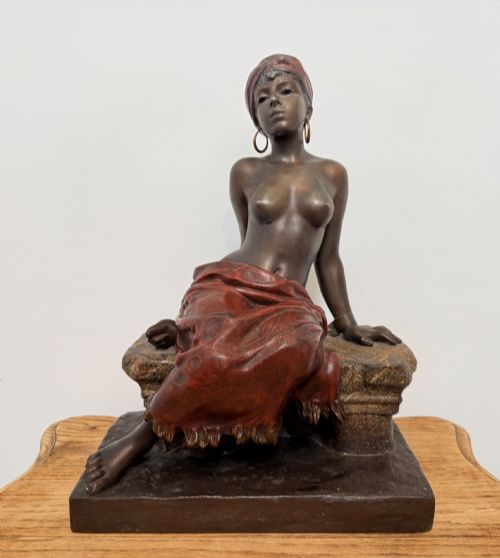
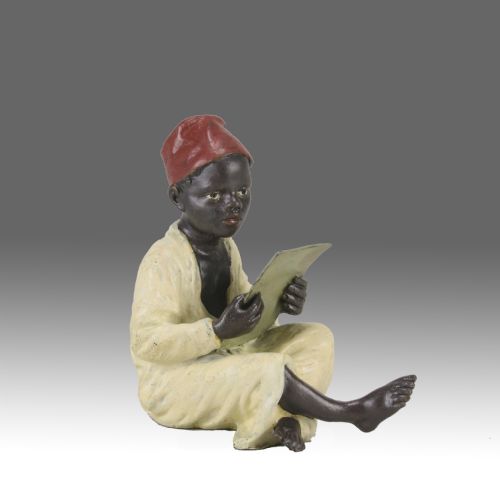
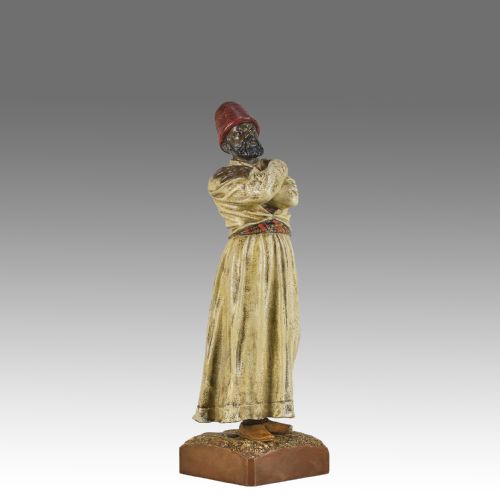
Foundries produced these pieces primarily in cast bronze or spelter, frequently applying chemical patination or polychreme cold paint to the metal surfaces. Cold-painted works received layers of unfired paint applied over a metallic base, a technique notably mastered by Viennese foundries.
Some sculptures integrated carved marble bases or combined terracotta and paint to achieve varied polychromatic textures. Artisans chased and finished the metal castings by hand to define intricate clothing folds, facial expressions, and decorative accessories.
Materials documented across these sculptures include bronze, patinated bronze, cold-painted bronze, spelter, marble, terracotta, and paint.
Assessing Quality and Execution
Quality rests in the crispness of the metal chasing, the retention of original cold-painted surfaces, and the anatomical precision of the human and animal forms. Superior castings exhibit subtle surface textures and expressive detailing that lower-grade production pieces lack.
The sophistication of the casting process and the prestige of the foundry or artist signature significantly influence the standing of an individual sculpture within the genre.
Franz Bergman·Emmanuel Villanis·Arthur Waagen·Edouard Drouot·Alfred Dubucand·Claire Colinet·Demetre Chiparus·Goldscheider
The Bronze Orientalist Figure Sculpture Glossary
- Cold-Painted Bronze
- A method where polychrome paint is applied to a bronze casting without heat firing. This technique produced vibrant surfaces on small Viennese decorative figures.
- Spelter
- A zinc alloy used as a less expensive alternative to bronze during the nineteenth and early twentieth centuries. It often received bronze-coloured or painted finishes.
- Patinated Bronze
- Metal treated with chemical solutions to produce a controlled surface colour or aged finish. This process protects the metal while enhancing visual depth.
- Orientalism
- An artistic movement in nineteenth-century Europe depicting the cultures, people, and landscapes of the Near East and North Africa. It yielded highly detailed figurative sculptures and decorative objects.
Bronze Orientalist Figure Sculpture: Frequently Asked Questions
What is a cold-painted bronze?
Cold-painted bronze refers to a sculpture finished with layers of unfired paint applied directly to the metal surface. This technique was especially popular in Vienna workshops for creating colourful depictions of figures and animals.
Over time, handling can cause this delicate surface paint to show wear, making pieces with intact original pigment particularly valued by collectors.
How do I distinguish bronze from spelter?
Bronze is a heavy, durable copper alloy that takes a deep, warm patina and sharp chased details. Spelter is a softer zinc-based metal that feels lighter and often shows a brittle fracture if damaged.
Many nineteenth-century figural candlesticks and decorative statues used spelter as an affordable alternative to solid bronze.
Where were these sculptures made?
These pieces originated primarily in European art centres during the nineteenth and early twentieth centuries, with significant production in France and Austria. Foundries in Paris and Vienna employed skilled sculptors to design and cast these regional figures.
Export markets across Europe and beyond created strong demand for these decorative orientalist works.
How do I care for cold-painted figures?
Cold-painted sculptures require gentle dusting with a soft, dry brush and protection from direct sunlight and moisture. Because the paint was not fired onto the metal, harsh cleaning agents will damage the surface.
Displaying them in stable indoor environments helps preserve the fragile polychrome pigments.